

Views: 222 Author: Loretta Publish Time: 2026-01-08 Origin: Site


Content Menu
● Key Differences Between Hybrid and Rubber Air Hoses
>> Construction and Material Properties
>> Weight and Handling Comfort
>> Flexibility and Ease of Bending
>> Kink, Tangle, and Coil Behavior
>> Durability, Weather, and Service Life
>> Pressure Capability and Safety Margin
● Quick Comparison Table: Hybrid vs Rubber Air Hoses
● When to Choose a Hybrid Air Hose
● When to Choose a Rubber Air Hose
● Advanced Option: Where TPU Layflat Hoses Fit In
● Simple Selection Framework for Different Users
>> Step 1: Define Your Duty Level
>> Step 2: Consider Your Environment
>> Step 3: Evaluate Risk and Downtime Cost
● Best Practices to Extend Hose Life
● Choose the Hose That Matches Your Real Workload
● FAQs About Air Hose Selection
>> 1. Is a hybrid air hose suitable for professional use
>> 2. Why does my air hose get stiff in cold weather
>> 3. Do rubber air hoses last longer than standard PVC hoses
>> 4. When should I consider a TPU layflat hose instead of a traditional hose
>> 5. How can I quickly check if a hose needs replacement
Choosing the right air hose has a direct impact on safety, air tool performance, and long term operating cost. A clear understanding of how hybrid and rubber air hoses differ helps you select the most suitable option for your workshop, job site, or industrial system.
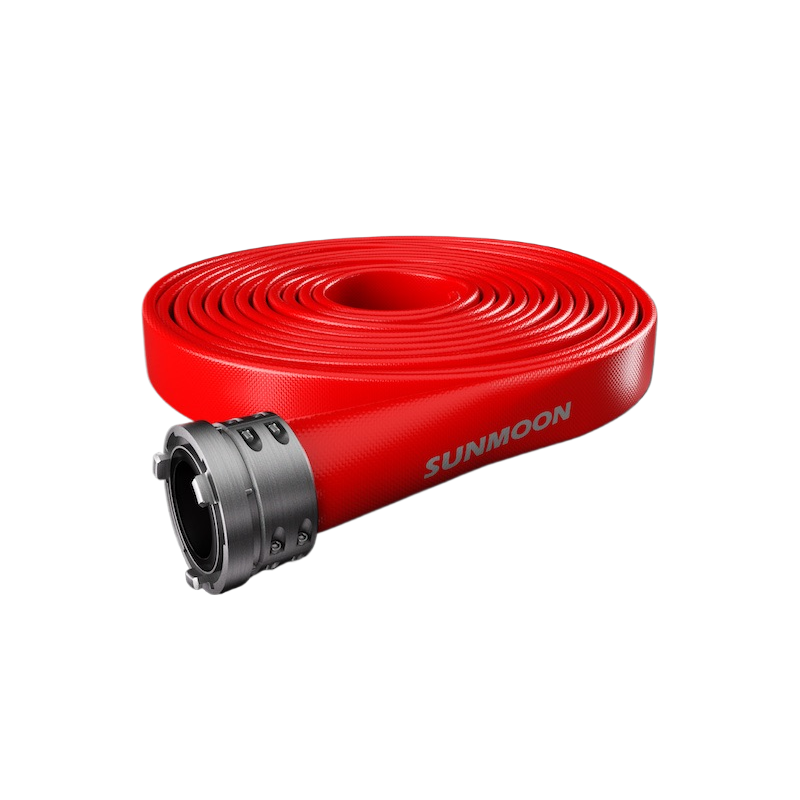
Hybrid air hoses use a blended construction, usually combining PVC, rubber, and sometimes polyurethane, to balance weight, flexibility, and durability. This makes them appealing for users who need easy handling without the bulk of a full rubber hose.
Hybrid hoses are commonly chosen by homeowners, DIY users, and light duty professionals. They are designed to be easy to drag around, quick to coil, and comfortable for intermittent or moderate use where extreme conditions are not a daily concern.
Rubber air hoses are made from natural or synthetic rubber compounds tailored for compressed air applications. They are known for strong mechanical strength, excellent flexibility, and stable performance in demanding conditions.
These hoses are widely used in professional workshops, construction sites, and industrial facilities. Their resilience against heavy abrasion, repeated flexing, and higher pressures makes them suitable for continuous or intensive operation.
Understanding the practical differences between hybrid and rubber air hoses helps you match the hose to your tools, environment, and duty cycle.
Hybrid hoses use a composite structure to combine positive traits from multiple materials. PVC contributes reduced weight and lower cost, rubber improves flexibility and resilience, and polyurethane can enhance abrasion resistance.
Rubber hoses rely on rubber alone as the core working material. Their elastomeric structure supports repeated bending, sustained pressure, and consistent mechanical performance over a broad temperature range.
Hybrid hoses are notably lightweight, which reduces fatigue during long working sessions and makes them easier to move, lift, and reposition. This is especially useful when working on ladders, ceilings, or large projects that require frequent movement.
Rubber hoses are heavier, but that weight helps them stay in place on the floor. Once deployed, they tend to lie flat and resist being pulled around unintentionally, which can improve safety in busy work areas.
Hybrid hoses usually remain flexible in typical indoor and mild outdoor temperatures. However, the PVC portion can become stiffer in cold environments, increasing the minimum bend radius and making the hose feel less compliant.
Rubber hoses maintain excellent flexibility across a wide temperature range. They bend smoothly and recover well, even in colder weather, which helps reduce the risk of kinking and makes routing around obstacles easier.
Hybrid hoses often feature smooth covers and designs that reduce tangling in casual use. Their low weight makes them easier to straighten when minor twists or loops occur, although some blends can still kink if sharply bent or exposed to low temperatures.
Rubber hoses generally offer strong kink resistance when stored and handled correctly. Their higher mass helps them uncoil in a controlled way and stay where they are placed, provided they are not forced into tight loops.
Hybrid hoses offer moderate to good durability for light and medium duty tasks. Their lifespan can be shortened by frequent dragging over rough surfaces, hard edges, or long term exposure to harsh temperatures and sunlight.
Rubber hoses are designed for tougher work. They typically resist abrasion, impacts, and repeated flexing better than hybrid constructions. They also tolerate higher temperatures and outdoor exposure more reliably when used in professional or industrial settings.
Hybrid hoses usually cover low to medium duty pressure requirements. They work well with common workshop tools when operated within rated pressures and normal temperature conditions.
Rubber hoses are often chosen for heavier loads because they typically support higher working pressures and offer a larger safety margin. This is valuable when powering impact tools, continuous duty air equipment, or systems where pressure spikes may occur.
Hybrid hoses are generally lower in initial cost. For users with limited budgets or occasional use patterns, the lower purchase price combined with adequate performance can be attractive.
Rubber hoses require a larger initial investment but often deliver better lifecycle value in demanding environments. Fewer replacements, fewer failures, and reduced downtime can offset the higher upfront cost over time.

Factor | Hybrid Air Hose | Rubber Air Hose |
Core material | Blend of PVC, rubber, often polyurethane | Natural or synthetic rubber |
Weight | Very light, easy to carry | Heavier, more stable on the floor |
Flexibility | Good in mild temperatures, may stiffen in cold | Excellent across broad temperature ranges |
Kink and tangle tendency | Low weight helps with untwisting, may kink if sharply bent | Good kink resistance with proper storage |
Abrasion resistance | Moderate to good, depends on blend | High, suitable for rough and frequent use |
Weather and UV resistance | Best in moderate environments | Strong performance in outdoor and harsh conditions |
Pressure capability | Suitable for low to medium duty tools | Better suited for higher pressures and continuous duty |
Typical service life | Adequate for occasional and light professional use | Long service life in demanding applications |
Price level | Lower to mid-range | Higher initial cost |
Best fit | Home, DIY, light professional tasks | Professional, industrial, heavy duty operation |
Hybrid hoses provide a strong balance between comfort and cost for many everyday users. They are especially suitable when weight and ease of handling matter more than maximum durability.
Consider a hybrid hose if you:
- Primarily work indoors or in mild climates.
- Use air tools intermittently rather than continuously.
- Want a hose that is easy to carry, coil, and store.
- Have a limited budget but still want better performance than basic PVC hoses.
For users who value comfort and convenience for light or medium workloads, a well made hybrid hose can be an efficient and economical solution.
Rubber hoses are the preferred choice when reliability under stress is more important than low weight. Their robust construction supports more severe operating environments and more frequent use.
Consider a rubber hose if you:
- Operate in workshops, factories, or job sites with intensive tool use.
- Work outdoors or in locations with significant temperature variation.
- Need strong resistance to abrasion, impacts, oils, and common shop fluids.
- Cannot accept frequent hose replacements or unexpected failures.
For heavy duty or critical tasks, the added security and longevity of rubber often justify the higher initial cost.
Beyond traditional hybrid and rubber hoses, TPU layflat hoses represent a more advanced solution for specific scenarios. Thermoplastic polyurethane provides high abrasion resistance, strong mechanical strength, and excellent chemical and temperature performance.
TPU layflat hoses are particularly useful when you:
- Need to deploy and retrieve long hose runs quickly.
- Require compact storage and easy transportation.
- Operate in harsh environments where conventional materials wear out quickly.
They are widely used in demanding industrial, construction, and fluid transfer applications where a combination of low weight, high toughness, and fast handling is required.
Using a structured approach makes it easier to match hose type to real needs rather than just buying based on price or habit.
- Occasional home projects and light workshop tasks: hybrid hose is typically adequate.
- Daily professional work with frequent tool changes: rubber hose offers better robustness.
- Long runs or harsh outdoor and industrial tasks: TPU layflat options are worth evaluating.
- Clean, indoor, climate controlled space: hybrid or rubber both work well, with hybrid favored for comfort.
- Outdoor sites or unheated workshops: rubber and TPU maintain better flexibility and durability in cold and hot conditions.
- If downtime and small leaks are not critical, a hybrid hose can be a practical and economical choice.
- If failures cause lost production, rework, or safety concerns, investing in rubber or TPU is more appropriate.
No matter which hose you choose, correct use and maintenance significantly increase service life and safety.
- Avoid sharp bends and tight kinks, especially near fittings.
- Keep hoses away from sharp edges, hot surfaces, and moving machine parts.
- Coil hoses loosely when not in use and store them off the floor when possible.
- Inspect regularly for cracks, blisters, bulges, or exposed reinforcement and replace damaged hoses promptly.
- Always operate within the rated pressure and temperature limits printed on the hose.
These simple habits reduce failures, protect air tools, and maintain consistent system performance.
If your current air hose feels too stiff, wears out too quickly, or does not match your working conditions, now is the right moment to upgrade. Start by reviewing how often you use air tools, where you use them, and the consequences of hose failure, then decide whether a hybrid, rubber, or advanced TPU layflat solution aligns best with your needs.
Take action today: audit the hoses in your system, identify underperforming lines, and plan a targeted upgrade to a hose type that delivers the right combination of safety, durability, and handling comfort for your actual workload.
Yes, a high quality hybrid air hose can be suitable for light professional use where operating conditions are moderate and the hose is not subjected to constant heavy abrasion or extreme temperatures.
Many hose materials, especially those containing PVC, become stiffer as temperatures drop, which reduces flexibility and increases the risk of kinking. Rubber and TPU based hoses maintain better flexibility in low temperature environments.
In most cases, rubber air hoses offer better resistance to abrasion, impacts, and repeated bending than standard PVC hoses. This typically translates into a longer service life under equivalent usage conditions.
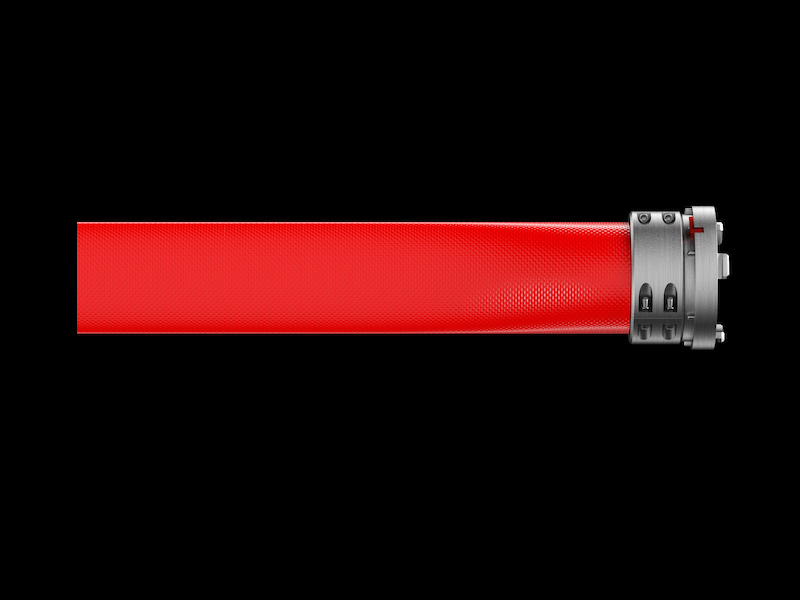
A TPU layflat hose is worth considering when you regularly deploy long hose lines, need compact storage, and operate in harsh conditions where abrasion and chemical exposure are significant concerns.
Check the entire length of the hose for cracks, bulges under pressure, soft spots, exposed reinforcement, or persistent leaks at normal operating pressure. If any of these signs appear, replacing the hose is safer than attempting temporary repairs.


