Language

This article compares TPU and NBR layflat hoses for temporary crude oil bypass lines, helping readers choose the right material for oil resistance, abrasion protection, and field handling. It includes practical selection tips, a use-case table, FAQs, and a clear action-oriented closing.
Explore the differences between TPU layflat hose and vacuum suction hose for oilfield dewatering. Compare performance, durability, cost, and applications to choose the most efficient hose solution for your project needs.
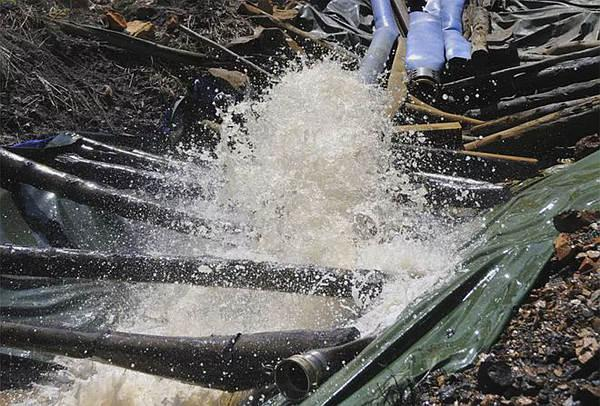
Oilfield dewatering requires fast, reliable flood response. This article explains how TPU layflat hoses help drilling sites move large volumes of water quickly, safely, and efficiently, while improving deployment speed, abrasion resistance, and operational flexibility in harsh field conditions.
This article compares soft-wall and hard-wall TPU frac water hose constructions for oil and gas applications. It explains performance tradeoffs, buying factors, and practical selection guidance in a concise, expert-driven format for global industrial buyers.
This article reviews 10 leading 6 lay flat hose manufacturers in China from a buyer's perspective, focusing on production strength, customization, quality control, certifications, and OEM support. It also explains how to compare suppliers, avoid common sourcing risks, and choose a reliable long-term manufacturing partner for industrial and export projects.
TPU layflat hoses offer a flexible, durable solution for offshore bunkering and sea-to-shore fuel transfer. Learn how Sunmoon supports safe, customized marine hose systems.