

Views: 222 Author: Loretta Publish Time: 2025-12-30 Origin: Site


Content Menu
● What “Potable Water Safe” Really Means
● Brass as a Material for Potable Water
● Key Safety Risks with Non-Certified Brass Splitters
● How to Tell if a Brass Splitter Is Safe for Potable Water
● Certifications and Regulations to Consider
● Potable Water Hose Materials and Performance
● Matching Splitters, Hoses, and Fittings
● Applications Where Brass Splitters and Potable Water Hoses Are Common
● Alternatives to Brass for Potable Water Hose Systems
● How Engineering-Driven TPU Layflat Hoses Fit In
● Best Practices for Using Brass Splitters with Potable Water Hoses
● FAQ
>> 1. How do I know if my brass splitter is safe for a potable water hose?
>> 2. Can any garden hose be used as a potable water hose if the splitter is lead-free?
>> 3. Are stainless steel splitters always better than brass for potable water?
>> 5. Can TPU layflat hoses be used as a potable water hose with brass manifolds?
Brass hose splitters can be safe for a potable water hose system if they are made from low-lead or lead-free brass and are explicitly rated for drinking-water contact. For truly safe drinking water at a home, RV site, farm, or marine dock, every wetted component—from faucet to outlet—must be selected as part of a potable water hose system, including the splitter, hose, and fittings.
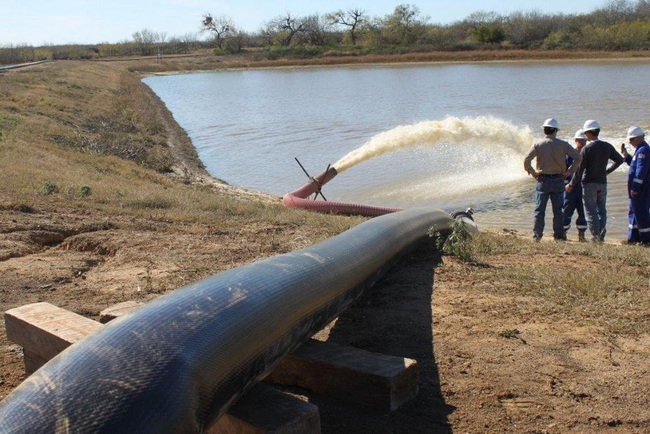
Products advertised as safe for a potable water hose are designed so that metals, plastics, and elastomers in contact with water do not leach harmful contaminants above health-based limits. In practical terms, this typically means the materials and construction comply with recognized drinking-water standards, such as NSF/ANSI 61 or equivalent national regulations in the target market.
A potable water hose assembly usually features:
- Carefully selected tube and cover materials that avoid toxic plasticizers or heavy-metal stabilizers.
- Fittings, seals, and lubricants tested for low extractables and long-term stability in drinking-water service.
When a hose or splitter is intended for use as part of a potable water hose system, the packaging or data sheet will generally use phrases such as “drinking-water safe,” “potable water approved,” or “complies with Safe Drinking Water Act requirements.”
Brass is widely used in plumbing valves, faucets, outdoor taps, and hose accessories because of its good machinability, corrosion resistance, and pressure capability. Traditional brass alloys, however, often relied on lead to improve machinability, and older or low-grade parts can contain enough lead to exceed modern potable water limits if used in a potable water hose circuit.
In response to stricter regulations, manufacturers now offer “lead-free” or low-lead brass formulations that significantly limit lead content and are tested for reduced lead leaching into water. For potable water hose systems, splitters made from these modern alloys and accompanied by clear drinking-water claims are much more appropriate than generic garden-grade brass fittings.
The main concern with using a non-certified brass splitter in a potable water hose setup is potential heavy-metal leaching, particularly lead, into the water. The risk increases when water stands idle in the splitter and in the potable water hose for long periods, especially under warm conditions that accelerate corrosion and chemical reactions.
Additional risks include:
- Unapproved internal components such as springs, valves, or seals that are not intended for drinking-water contact.
- Poor quality control on imported fittings sold for general garden use, which may not follow any potable water hose safety requirements at all.
Because of these uncertainties, generic garden splitters without clear drinking-water language, or those carrying warning labels about lead exposure, should not be used anywhere in a potable water hose system that supplies water for drinking, cooking, or food processing.
A brass splitter is more likely to be safe for use with a potable water hose if its labeling and technical information explicitly identify it as suitable for drinking water. Buyers should read packaging, product listings, and technical datasheets instead of assuming that “brass” alone implies safety for potable water hose applications.
Key indicators of suitability include:
- Phrases such as “lead-free brass,” “drinking-water safe,” “potable water rated,” or “safe for RV fresh water.”
- Reference to relevant standards or regulations (for example, NSF/ANSI 61, Safe Drinking Water Act, or other national drinking-water approvals).
- Marketing specifically aimed at RV, marine, residential drinking-water, or food-grade applications, rather than only “garden” or “irrigation” use.
If the documentation is silent on drinking-water use or includes any caution that it is not intended for potable water, the splitter should not be used in a potable water hose line.
One of the most recognized standards for materials in contact with drinking water is NSF/ANSI 61, which evaluates contaminants that may leach from components into potable water. Fittings, valves, and other accessories that carry NSF/ANSI 61 certification provide strong assurance that they are appropriate for use with a potable water hose or fixed plumbing.
In addition to NSF-type standards, many jurisdictions enforce limits on lead and other substances in plumbing products, especially for any component that might be part of a potable water hose assembly, RV water hook-up, or household water system. Buyers serving international markets should confirm compliance with local requirements when specifying brass hose splitters for potable water hose projects.
A potable water hose is more than just a colored garden hose; it is engineered with hygiene, taste, and safety in mind. High-purity PVC, polyethylene, TPU, or other specialized polymers are formulated to avoid problematic additives while still providing flexibility, kink resistance, and durability under outdoor conditions.
Common characteristics of a potable water hose include:
- Inner tube compounds that do not impart strong taste or odor to water.
- Outer covers resistant to UV, abrasion, and mild chemicals encountered in residential or industrial environments.
- Reinforcement layers designed for the working pressures expected in RV parks, marinas, industrial sites, or municipal bypass systems.
To complete the system, manufacturers typically pair the potable water hose with compatible couplings in lead-free brass, stainless steel, or approved plastics.
Even a high-quality, certified brass splitter cannot compensate for a non-potable hose that leaches chemicals into the water. For safety, every single component that water touches in the flow path must be chosen with potable water hose requirements in mind, from source to outlet.
When designing a potable water hose line, consider:
- Selecting a hose labeled specifically as a potable water hose, RV/marine drinking-water hose, or temporary drinking-water supply hose.
- Using only lead-free brass or other approved materials for splitters, connectors, and adapters.
- Ensuring gaskets, O-rings, and valve seats are made from elastomers cleared for drinking-water service.
This holistic approach ensures that the hose, splitter, and all associated components function as one integrated potable water hose system.
Brass splitters and potable water hose assemblies are widely used wherever a single supply point must serve multiple needs without compromising drinking water safety. At RV parks, for instance, users often connect a potable water hose from the spigot to the vehicle while using an additional branch for washing, flushing, or plant watering.
Other frequent use cases include:
- Marinas and docks where boats connect to a shore-side potable water hose while a second outlet feeds deck cleaning or equipment rinse hoses.
- Construction sites and temporary housing camps where above-ground potable water hose networks distribute safe water to several service points.
- Emergency and municipal applications where TPU layflat potable water hose runs are managed through manifolds and splitters to multiple distribution outlets.
In all these situations, clear labeling, certified components, and strict separation of drinking water hoses from other hoses are critical.
For users who prefer to avoid brass entirely, several alternatives exist for building potable water hose manifolds and branches. Stainless steel, aluminum, and engineered plastics can be used to create splitters, valves, and connectors, provided they are validated for drinking-water contact.
Plastic or stainless splitters designed for potable water hose use offer the following potential benefits:
- No deliberate lead content and minimal risk of heavy-metal leaching.
- Excellent corrosion resistance, especially in marine or chemically aggressive environments.
- Lightweight construction that pairs well with flexible potable water hose assemblies.
When choosing non-brass alternatives, it remains essential to verify that every wetted component has been tested or approved for potable water use.
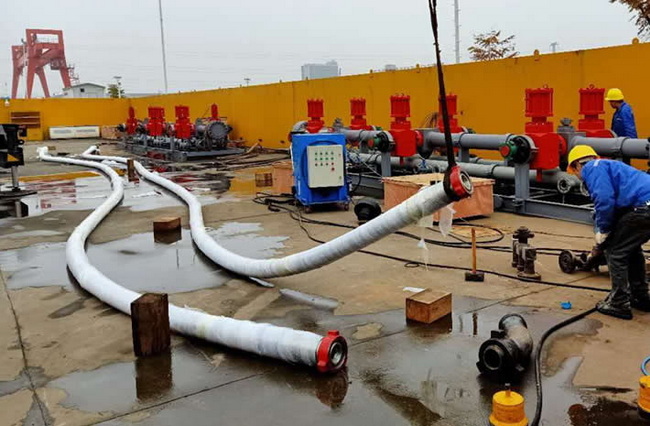
Engineering-grade TPU layflat hoses are increasingly used as high-performance potable water hose solutions in industrial, municipal, and emergency deployments. Compared with many rigid pipe systems, TPU layflat products are lighter, easier to deploy, and quicker to recover, making them ideal for temporary or semi-permanent potable water hose networks over long distances.
In many systems, brass or stainless manifolds and splitters are mounted at key nodes, allowing the main TPU layflat potable water hose to feed several smaller service lines or outlets. For buyers supporting global projects, working with an engineering-driven TPU hose manufacturer allows customization of pressure ratings, diameters, lining compounds, and coupling materials to ensure that the finished potable water hose assembly meets both performance and drinking-water safety objectives.
Even with suitable materials and certifications, good handling and maintenance practices are essential to keep potable water hose systems clean and safe. Simple, repeatable procedures can significantly reduce the risk of both chemical and microbial contamination in splitters and hoses.
Recommended practices include:
- Flushing the potable water hose and splitter for a short period before consuming water, particularly after long stagnation.
- Draining the hose and splitter after use and storing them with capped ends to limit dirt, insects, and biofilm growth.
- Clearly labeling and dedicating at least one potable water hose exclusively to drinking and cooking, keeping it separate from any hose used for chemical transfer, toilet flushing, or general cleaning.
- Periodically inspecting splitters and couplings for corrosion, scale, or mechanical damage and replacing questionable parts before they compromise the potable water hose system.
By combining high-quality components with disciplined operation, users can maintain consistent water quality even with outdoor and temporary potable water hose installations.
Brass hose splitters can be safe for potable water as long as they are manufactured from modern low-lead or lead-free alloys and specifically rated for drinking-water contact. However, relying on the material alone is not enough; the product must be supported by clear labeling and, ideally, by recognized certifications.
To build a genuinely safe potable water hose system, users must look beyond the splitter and specify a purpose-built potable water hose, compatible lead-free or stainless fittings, and approved elastomers throughout the wetted path. Proper handling, flushing, storage, and routine inspection further reduce contamination risks and help protect water quality.
For large-scale or demanding environments, engineering-grade TPU layflat hose systems working together with certified splitters and manifolds provide a flexible, high-performance way to move drinking water over long distances. Whether serving an RV site, a marina, a temporary camp, or a municipal emergency network, careful component selection and system design around a potable water hose concept are the keys to safety.
You can tell by checking the product's labeling, technical sheet, or packaging for language like “lead-free brass,” “drinking-water safe,” or “potable water rated.” If the splitter references compliance with drinking-water standards or laws, that is a strong indicator that it is suitable for use in a potable water hose system. When in doubt—and especially if any warning label advises against drinking-water use—select a different splitter that clearly targets potable water hose applications.
No. A standard garden hose may still release plasticizers, odors, and other chemicals that are not acceptable for drinking, even when paired with a lead-free brass splitter. Both the hose and all fittings must be designed and labeled for drinking-water contact for the overall assembly to function properly as a potable water hose.
Stainless steel splitters often contain no lead and can be an excellent choice, but they are not automatically superior unless they are also tested or approved for drinking-water use. A lead-free brass splitter that carries recognized drinking-water certifications can perform just as well in a potable water hose system. The deciding factors are verification, testing, and proper use, not just the base material.
Water that has been stagnant for hours in a warm hose and splitter can accumulate metals and support microbial growth, even in an otherwise safe potable water hose system. Before drinking, it is best to open the tap and flush the potable water hose until the water runs cool and fresh, then use it for consumption. This simple step helps reduce any build-up from stagnation.
Yes, TPU layflat hoses can be formulated and certified for drinking-water service and then combined with lead-free brass or stainless steel manifolds and splitters. When both the hose and metal components are selected and approved for potable water, they can together form a robust potable water hose network suitable for municipal, industrial, or emergency applications.


