

Views: 222 Author: Loretta Publish Time: 2026-01-09 Origin: Site


Content Menu
● Understanding Air Hoses And Their Role
● Core Differences Between PVC And Rubber Air Hoses
>> Material Composition And Behavior
>> Flexibility, Handling, And Coil Memory
>> Durability And Service Life
>> Temperature Resistance And Cold Weather Performance
>> Kinking, Tangling, And Flow Stability
>> Cost, Value, And Total Ownership
● Comparison Table: PVC Air Hose Vs Rubber Air Hose
● Practical Decision Framework For Different Users
>> Step By Step Selection Checklist
● Extending Hose Life Through Proper Use
● FAQ: Common Questions About PVC And Rubber Air Hoses
>> (1) Is a rubber air hose always the better option?
>> (2) Why does my PVC air hose feel stiff in winter?
>> (3) Can I safely run oil or fuel through a PVC air hose?
>> (4) What type of air hose is best for an automotive repair shop?
>> (5) How do I know when it is time to replace an air hose?
Choosing between a PVC air hose and a rubber air hose has a direct impact on safety, comfort, and long term operating cost in both DIY and professional environments. This enhanced guide is structured to be easy to scan, while giving enough depth to support confident purchasing decisions.

An air hose is a flexible tube that delivers compressed air from a compressor to tools such as nail guns, impact wrenches, spray guns, and inflators. Its diameter, length, and material work together to determine flow rate, pressure stability, handling comfort, and service life.
In most workshops and job sites, the main materials used for air hoses are PVC, rubber, hybrid blends, polyurethane, and TPU. Each material behaves differently under pressure, temperature, and mechanical abuse, so choosing the right one matters more than many users realize.
PVC air hoses are made from polyvinyl chloride plastic combined with additives that provide basic flexibility and chemical resistance. This construction yields a hose that tends to be firmer, with a strong “memory” of its coiled shape, which can be beneficial for storage but less ideal for free movement on the floor.
Rubber air hoses are produced from natural or synthetic rubber compounds designed to balance flexibility, elasticity, and resistance to heat and oils. The rubber matrix and reinforcement layers both contribute to a hose that bends more easily and absorbs impact and vibration better than a typical PVC hose.
PVC hoses are noticeably lighter, which makes them attractive when the hose is frequently carried, moved between workstations, or stored on portable reels. Lighter weight reduces strain when operators need to work overhead or move tools around a vehicle or small workshop.
Rubber hoses are heavier for the same length and diameter, and this added mass can be felt during long shifts. However, this weight also helps the hose lie flat on the floor, reducing the chance of whipping or shifting under pressure and improving stability around busy work areas.
Rubber air hoses typically remain highly flexible across a wide range of temperatures, so they loop smoothly around obstacles and are easier to position next to tools. That flexibility improves ergonomics and reduces the time spent fighting a hose that wants to spring back into tight coils.
PVC hoses often feel stiffer in the hand, especially as ambient temperature drops. Strong coil memory means the hose tends to hold its packaged shape, which can cause sections to lift off the floor or pull against tools. This behavior can increase operator fatigue and make precise positioning more difficult.
In demanding environments, rubber hoses generally deliver a longer service life. Their elastic structure tolerates repeated bending, twisting, and dragging over abrasive surfaces like concrete, metal edges, and gravel. This resilience helps minimize unexpected failures and unplanned downtime.
PVC hoses can perform well in lighter duty settings, but under heavy use they are more prone to surface wear, cracking, and impact damage. Over time, exposure to UV, rough handling, and temperature cycling can cause the material to harden and lose flexibility, accelerating the need for replacement.
Rubber air hoses maintain their flexibility in both hot and cold conditions, which is especially valuable in outdoor or unheated spaces. Consistent softness at low temperatures makes it easier to uncoil the hose in the morning and keeps it stable under dynamic movement throughout the day.
PVC hoses, by contrast, tend to stiffen and may become brittle in cold weather. When a cold PVC hose is forced into tight bends, the risk of cracking or splitting increases, which can lead to leaks or sudden failures. In moderate indoor temperatures, this limitation is less pronounced, but it remains a key consideration for four season users.
Rubber's elasticity and thicker walls help it resist kinking even when pulled around corners or under equipment. Fewer kinks mean more consistent air flow, which helps tools perform predictably and protects compressors from unnecessary cycling.
PVC hoses are more likely to kink or form sharp bends, especially near fittings or where the hose is forced to change direction quickly. Kinks not only reduce flow but also stress the hose wall, potentially shortening its useful life.
In environments where oil mist, grease, fuels, or mild chemicals are present, rubber hoses formulated with appropriate compounds offer stronger resistance to softening and degradation. This makes them common in automotive workshops, manufacturing plants, and other industrial sites.
PVC hoses can handle certain non aggressive cleaning agents and general workshop air but are less tolerant of continuous contact with oils, fuels, or harsh chemicals. Extended exposure can cause swelling, hardening, or cracking, all of which increase the risk of failure.
PVC air hoses usually come with a lower purchase price, which is appealing for occasional use, backup hoses, or tight budgets. In situations where duty cycles are low and conditions are mild, PVC can be a practical and economical solution.
Rubber air hoses require more initial investment but often deliver a lower cost per hour of use in professional settings. Fewer replacements, reduced downtime, and better handling characteristics can make them the more cost effective choice over the life of a compressed air system.
Feature | PVC Air Hose | Rubber Air Hose |
Core material | Polyvinyl chloride with flexibility additives | Natural or synthetic rubber compounds |
Weight | Very light, easy to carry | Heavier, more effort to drag |
Flexibility (room temp) | Moderate, feels relatively stiff | High, bends and loops easily |
Flexibility (cold weather) | Stiff, may become brittle | Remains flexible in low temperatures |
Kink and tangle tendency | Higher kink risk, strong coil memory | Low kink risk, tends to lie flat |
Abrasion and impact resistance | Lower, more surface wear under rough use | Higher, better suited to harsh surfaces |
Oil and chemical exposure | Limited resistance to oils and aggressive chemicals | Better resistance in suitable rubber formulations |
Typical duty level | Light to moderate duty | Moderate to heavy duty |
Best environments | Indoor, mild climates, DIY and light workshop tasks | Automotive, construction, industrial, outdoor all weather work |
Upfront cost | Low | Medium to high |
Long term value | Higher replacement frequency | Longer life, often better value over time |
1. Clarify the working environment.
If the hose will stay in a climate controlled garage or workshop and is used only occasionally, a lighter PVC or hybrid option can be sufficient. For outdoor, industrial, or high traffic sites, rubber is usually more appropriate.
2. Define duty cycle and pressure needs.
Occasional use with low to moderate air consumption typically does not justify the highest grade hose. Continuous operation of high demand tools benefits from robust, kink resistant rubber constructions.
3. Account for seasonal temperature changes.
Users who work in cold climates should prioritize hoses that remain flexible in winter. Where temperatures are stable and moderate, this factor is less critical, allowing more flexibility in material choice.
4. Consider ergonomics and operator fatigue.
Overhead work, repetitive movements, and long shifts favor lighter hoses that are easier to reposition. Fixed floor runs and permanent installations can accept heavier hoses if they improve stability and safety.
5. Balance budget with downtime risk.
A lower price hose can be acceptable where failure has minimal consequences. In professional environments where unexpected leaks or bursts disrupt schedules, a more durable hose often repays its initial cost quickly.
- Avoid tight bends near fittings.
Keep bends larger than the manufacturer's recommended minimum radius, particularly where the hose connects to couplings or tools.
- Protect against abrasion and sharp edges.
Use simple guards, sleeves, or routing aids when hoses cross concrete corners, metal edges, or rough surfaces that can cut or wear the outer cover.
- Inspect regularly for damage and aging.
Look for cracks, blisters, flat spots, stiffness, and damaged fittings. Replace any hose that shows clear signs of degradation or repeated leaks.
- Store in a cool, dry, shaded area.
Coil hoses loosely on hooks or reels, keeping them away from direct sunlight and heat sources that accelerate material aging.
If your current air hoses are hard to handle, kink frequently, or fail sooner than expected, now is the right moment to reassess the materials and specifications you are using. Review the conditions in which your hoses operate, define your duty level and temperature range, and then match those requirements with a hose type that will deliver stable performance and a longer service life.
For projects where you need professional support to select or upgrade air hoses across multiple workstations or sites, reach out to a dedicated technical team that can evaluate your setup, recommend the most suitable hose materials and constructions, and support you with tailored solutions and quotations aligned with your real operating conditions.
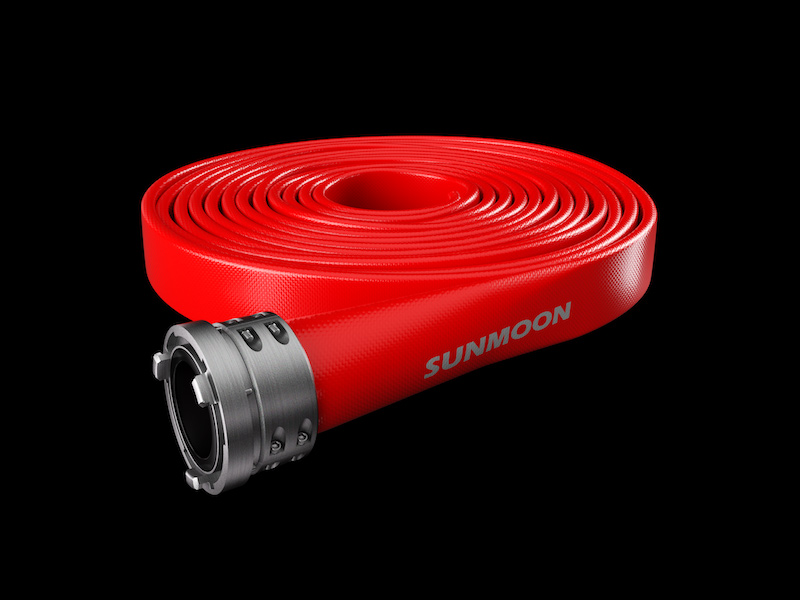
Rubber hoses are often preferred in demanding settings because they offer better flexibility, abrasion resistance, and temperature tolerance. However, for light duty, indoor, and budget sensitive use cases, a PVC hose can still be a sensible and cost effective choice.
PVC material becomes much less flexible as temperatures drop, which makes the hose harder to uncoil and more resistant to bending. In very cold conditions, forcing a stiff PVC hose into tight bends may even lead to cracking or surface damage.
Standard PVC air hoses are not designed for sustained contact with oils, fuels, or aggressive chemicals. Exposure to such media can cause softening, swelling, or cracking, so a suitable rubber or purpose built chemical resistant hose is the safer solution.
Most automotive repair shops choose rubber air hoses because they are better able to withstand oil mist, grease, sharp edges, and constant dragging over workshop floors. Their consistent flexibility also makes them easier to handle around vehicles and lifts during long working days.
Any hose showing cracks, bulges, flattened areas, stiff sections, exposed reinforcement, or damaged fittings should be taken out of service immediately. Replacing the hose at the first clear signs of deterioration reduces the risk of sudden failure and helps maintain safe, reliable operation.


