

Views: 222 Author: Loretta Publish Time: 2026-01-21 Origin: Site


Content Menu
● Overview of Common Hose Materials
● PVC Hoses: Cost-Effective General Purpose
● EPDM Hoses: Hot Water and Weather Resistance
● TPE Hoses: Hybrid Plastic–Rubber Performance
● PTFE Hoses: Extreme Chemical and Temperature Resistance
● Nylon Hoses: High Strength and Compact Bends
● Silicone Hoses: Biocompatible and Temperature-Tolerant
● Polyurethane (PU) and TPU Hoses: Abrasion and Pressure Performance
● TPU Layflat Hoses: Next-Generation Flat Hose Technology
● Composite Hoses: Multi-Layer Chemical Specialists
● Nitrile Rubber Hoses: Oil and Fuel Service
● Steel and Textile Reinforcements: Building Hose Strength
>> Roles of Steel and Textile Reinforcements
● TPU Layflat vs PVC and Rubber Layflat
>> Layflat Hose Comparison Table
● How to Choose the Best Flexible Hose Material
>> Step 1: Define Media and Compatibility
>> Step 2: Set Pressure and Vacuum Requirements
>> Step 3: Confirm Temperature Range
>> Step 4: Evaluate Environment and Mechanical Stress
>> Step 5: Check Regulatory and Hygiene Needs
>> Step 6: Balance Budget and Lifecycle Cost
● Where TPU Layflat Hoses Deliver the Most Value
>> High-Value TPU Layflat Scenarios
● Take the Next Step: Request an Engineered TPU Layflat Hose Solution
● Frequently Asked Questions (FAQ)
>> 1. Which flexible hose material is best for aggressive chemicals?
>> 2. When should TPU layflat hoses be chosen over PVC layflat hoses?
>> 3. Are silicone hoses suitable for oils and fuels?
>> 4. How often should flexible hoses be inspected or replaced?
>> 5. Can one hose material cover both food-grade and industrial chemical applications?
Flexible hoses have become the backbone of modern fluid transfer, replacing rigid pipes in applications from agriculture and mining to food processing and pharmaceuticals. Choosing the right hose material directly impacts safety, service life, maintenance cost, and system efficiency.
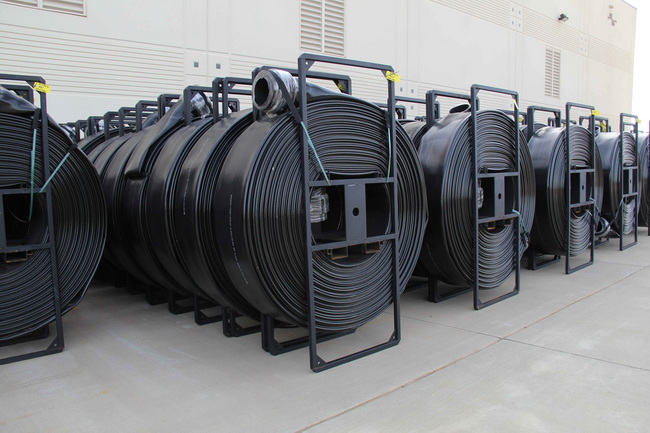
A flexible hose is a pressure-bearing conduit that can bend and flex while safely transporting liquids, gases, or slurries between two points. Compared with rigid pipes, flexible hoses absorb vibration, tolerate misalignment, and adapt to compact or mobile installations.
Key characteristics of flexible hoses include:
- Flexibility: Ability to bend without kinking or collapsing under rated pressure.
- Strength: Reinforcement layers (steel wire, textile, or composites) that allow the hose to withstand internal pressure and external mechanical stress.
- Chemical and temperature resistance: Compatibility with the medium, operating temperature, and environment.
Common constructions:
- Spiral-reinforced hoses: Spring-like reinforcement for suction and discharge duties.
- Braided hoses: Steel wire or textile braids for higher working pressure and good bend radius.
- Corrugated hoses: Grooved walls for extreme flexibility and vibration absorption, especially in metal or PTFE designs.
Different hose materials excel in different environments; there is no universal “best” material, only the best match for a given application. Below is a quick overview before diving into each type in detail.
Main flexible hose materials in industry include: PVC (Polyvinyl Chloride), EPDM (Ethylene Propylene Diene Monomer), TPE (Thermoplastic Elastomer), PTFE (Polytetrafluoroethylene), Nylon (Polyamide), Silicone, Polyurethane (PU / TPU), Composite hose constructions, Nitrile rubber (NBR), Steel and textile reinforcement structures
In recent years, TPU layflat hoses have emerged as a high-performance evolution of polyurethane technology, especially for long-distance water transfer, mining, oil and gas, and high-abrasion environments.
PVC is widely used for low to medium duty water, air, and light chemical transfer where cost, weight, and flexibility matter more than extreme performance.
1- Advantages:
- Very low cost and easy availability.
- Lightweight and easy to handle for temporary setups.
- Good abrasion resistance for light-duty tasks.
2- Limitations:
- Narrow temperature window; typically suited to room or mild ambient temperatures.
- Stiffens in cold conditions and softens at higher temperatures.
- Lower pressure capability and shorter service life in harsh outdoor or abrasive environments compared with PU or rubber.
3-Ideal PVC Applications:
- General-purpose water hoses
- Light-duty air lines
- Seasonal irrigation or temporary site use where budget is critical
EPDM is a synthetic rubber engineered for weathering, hot water, and steam-related applications.
1- Advantages:
- Excellent resistance to UV, ozone, and outdoor weathering, making it ideal for external installations.
- Very good flexibility at low temperatures.
- Typical operating temperatures from about -55 °C up to around 135 °C, depending on construction.
2- Limitations:
- Not suitable for oil and many hydrocarbons.
- Moderate chemical resistance; PTFE, silicone, or composites are preferred for aggressive media.
3- Ideal EPDM Applications
- Radiator and heater hoses
- Hot water or mild steam lines
- Outdoor HVAC and industrial cooling circuits
Thermoplastic elastomers (TPE) bridge the gap between plastics and rubber, offering rubber-like flexibility with thermoplastic processing and recyclability.
1- Advantages:
- Good elasticity with a smooth inner bore for improved flow.
- Often used where high temperature and flexibility are required.
- Fully recyclable, providing a more environmentally friendly option than many traditional rubbers.
2- Limitations:
- Performance varies widely by formulation.
- For extreme chemicals or the highest temperatures, PTFE is still superior.
3- Ideal TPE Applications
- Food and beverage transfer, depending on regulatory approvals.
- Fuel lines and medical tubing in specific grades.
- Applications needing recyclability and mid-to-high temperature resistance.
PTFE (Teflon) is the gold standard for chemical resistance and high-temperature stability in flexible hoses.
1- Advantages:
- Outstanding chemical resistance to most acids, bases, solvents, and aggressive media.
- Wide temperature range, often from about -60 °C up to +260 °C, depending on design.
- Non-stick, very low friction inner surface that reduces pressure loss and fouling.
2- Limitations:
- Higher cost than PVC, EPDM, or standard rubber.
- Often requires stainless steel or braided reinforcement, increasing cost and weight.
3- Ideal PTFE Applications
- Chemical processing lines
- High temperature air and steam in chemically demanding environments
- Pharmaceutical and high-purity media transfer
Nylon tubing is widely used in industrial automation, pneumatics, and hydraulic pilot lines.
1- Advantages:
- High tensile strength, thin wall, and small outer diameter for a given pressure.
- Resistant to many oils and chemicals, with long service life in industrial environments.
- Good flexibility while maintaining dimensional stability.
2- Limitations:
- Lower temperature resistance than PTFE; typically up to about 120 °C.
- Not as chemically inert as PTFE, particularly in strongly corrosive media.
3- Ideal Nylon Applications
- Pneumatic control lines
- Lubrication systems
- Instrumentation tubing and compact hydraulic auxiliary lines
Silicone hoses are valued for biocompatibility, flexibility, and extreme temperature tolerance, especially in sanitary applications.
1- Advantages:
- Operates from roughly -60 °C to around 230 °C in many constructions.
- Very flexible, even at low temperatures, and resistant to thermal shock.
- Often used in medical, pharmaceutical, and food-grade environments due to clean, non-toxic properties in specific formulations.
2- Limitations:
- Poorer abrasion resistance than PU or rubber.
- Limited resistance to some oils and solvents; not a universal chemical hose.
3- Ideal Silicone Applications
- Medical and pharmaceutical fluid transfer
- Food and beverage processing lines
- High and low temperature coolant or air lines where cleanliness matters
Polyurethane (PU), including thermoplastic polyurethane (TPU), delivers exceptional abrasion resistance and mechanical strength.
1- Advantages:
- Very high abrasion resistance, making PU an excellent choice for slurries, granular materials, and drag-on-ground service.
- Good flexibility and kink resistance, even in cold climates.
- Strong performance in fuel, oil, and many industrial chemicals, especially in TPU grades.
2- Limitations:
- Higher cost than PVC for short-term or low-demand uses.
- Exact chemical resistance depends on polyester versus polyether TPU chemistry and formulation.
3- Ideal PU and TPU Applications
- Fuel and oil transfer
- Abrasive material handling such as powders, pellets, and slurry
- High-wear industrial and agricultural hoses
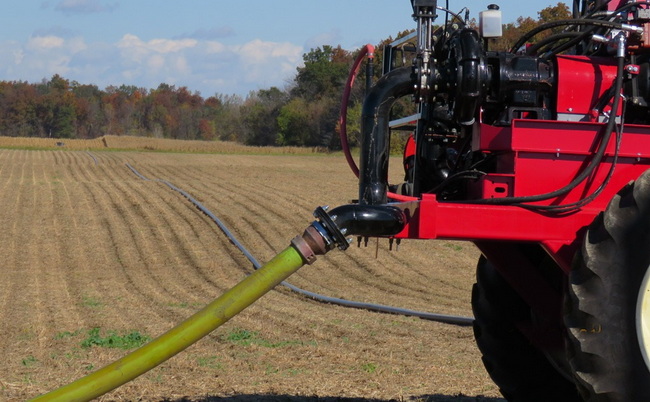
TPU layflat hose is a specialized form of PU hose that lies flat when depressurized and expands under pressure. For water, chemicals, fuel, and slurry transfer over long distances, it increasingly replaces traditional PVC layflat and some rubber hoses.
1- Material and construction:
- Extruded thermoplastic polyurethane tube and cover.
- Circular woven polyester reinforcement for high tensile strength.
- Typical temperature range from around -46 °C to +80 °C, depending on design.
2- Advantages versus PVC layflat hoses:
- Significantly higher working and burst pressure, suitable for high-pressure transfer.
- Much longer expected service life in harsh conditions, reducing replacement frequency.
- Better weather resistance, abrasion resistance, and flexibility over uneven terrain.
3- Key TPU Layflat Applications
- High-volume water transfer in mining, oil and gas, and shale operations.
- Long-distance agricultural irrigation and slurry lines.
- Fire-fighting, marine, chemical, and fuel transfer when compatible with the media.
This makes TPU layflat hoses particularly attractive for engineering-driven manufacturers focusing on durable, high-pressure, and field-proven flexible pipeline solutions.
Composite hoses combine multiple plastic, rubber, and sometimes metal layers to fine-tune chemical and mechanical performance.
1- Advantages:
- Customizable internal layers, such as PTFE or EPDM, to match specific chemicals and temperatures.
- High flexibility relative to rigid lined pipes, even in large diameters.
- Excellent performance in bulk transfer of fuels and chemicals.
2- Limitations:
- More complex construction, with specific handling and inspection requirements.
- Typically higher cost than standard single-material hoses.
3- Ideal Composite Applications
- Chemical loading arms and tank truck transfer.
- Marine hoses for fuel and chemical loading.
- Multi-fluid chemical transfer stations.
Nitrile rubber (NBR) is formulated for oil resistance, making it a long-standing choice for fuel and hydrocarbon media.
1- Advantages:
- Strong resistance to petroleum-based oils and fuels.
- Good mechanical properties with flexibility even in low temperatures.
- Typical temperature range around -40 °C to 120 °C depending on construction.
2- Limitations:
- Less resistant to weathering and ozone than EPDM unless specially compounded.
- Reduced performance with some polar solvents and aggressive chemicals.
3- Ideal Nitrile Applications
- Fuel dispensing and transfer hoses.
- Oil suction and discharge hoses.
- Industrial equipment needing oil-resistant jacketing.
Steel and textile reinforcements are not usually the media-contact material but the structural backbone that defines pressure and impulse performance.
1- Steel wire reinforcement:
- High-pressure hydraulic hoses and power steering lines.
- Suction hoses where vacuum resistance is critical.
2- Textile fiber reinforcement:
- Medium-pressure industrial hoses.
- Lightweight applications where extreme pressure is not required.
By combining tailored reinforcement with appropriate tube and cover materials, such as TPU, NBR, or EPDM, manufacturers can deliver hoses optimized for pressure, flexibility, and durability in demanding environments.
Aspect | TPU layflat hose | PVC layflat hose | Rubber layflat hose |
Core material | Thermoplastic polyurethane | Polyvinyl chloride | Synthetic rubber, often NBR or SBR |
Pressure capability | High, suitable for demanding transfer | Low to medium | Very high in heavy-duty designs |
Abrasion resistance | Very high, ideal for mining and fracking | Moderate | High |
Flexibility in cold | Excellent, remains flexible at low temperatures | Becomes stiff and kink-prone | Good, but heavier |
Service life in harsh use | Typically several times longer than PVC | Shorter, especially under UV and abrasion | Long, with higher weight and handling effort |
Weight | Lightweight versus rubber, similar or lighter than PVC | Very light | Heaviest |
Upfront cost | Higher than PVC, comparable or lower than some rubber | Lowest | Highest for premium grades |
Best fit | Long-distance, high-pressure, abrasive, outdoor use | Budget, temporary, light-duty water | High-pressure, high-temperature, severe mechanical use |
Data will vary across manufacturers, but the engineering trend is clear: TPU layflat hoses deliver a strong balance of strength, weight, flexibility, and life-cycle cost for many modern water and fluid transfer systems.
Selecting the right hose starts with understanding application-critical parameters, not the material nameplate.
- Identify fluid type: water, oil, fuel, slurry, chemicals, or food-grade products.
- Check chemical compatibility tables and manufacturer recommendations for each material.
- Determine working pressure, surge pressure, and any vacuum conditions.
- Match with reinforced constructions, such as braided, spiral, or composite, that maintain adequate safety factors.
- Consider minimum startup temperature and maximum continuous operating temperature.
- Use materials like PTFE, silicone, or TPU when exposure approaches thermal limits.
- Consider outdoor UV, ozone, abrasion, dragging on the ground, and routing over edges.
- Favor TPU, PU, or rubber in highly abrasive or mobile setups.
- Confirm whether food, pharmaceutical, or medical regulations apply.
- Select appropriate food-grade silicone, PTFE, TPE, or PU hoses where required.
- Compare upfront hose cost with expected replacement frequency, downtime risk, and maintenance effort.
- Recognize that TPU layflat hoses often reduce total cost of ownership through longer life and fewer failures.
Working closely with an engineering-driven hose manufacturer helps ensure that reinforcement, wall thickness, and material selection are optimized as a system, not as isolated choices.
TPU layflat hoses are especially attractive wherever long runs, tough terrain, and high flow rates are involved.
1- Mining and dewatering:
- Long-distance slurry and water transfer in abrasive, rocky environments.
- Wear resistance and flexibility reduce downtime and replacement frequency.
2- Oil and gas and shale operations:
- High-pressure water and chemical transfer for stimulation and produced water management.
- Flat storage and rapid deployment support mobile field operations.
3- Agriculture and irrigation:
- Permanent or semi-permanent irrigation pipelines exposed to UV and vehicle crossings.
- TPU outperforms PVC when systems operate continuously or under higher pressures.
For engineering teams aiming to standardize on a single robust hose platform across multiple demanding sites, TPU layflat designs provide a scalable and future-ready choice.
If your projects involve long-distance water transfer, chemical handling, mining, or high-pressure irrigation, now is the right time to upgrade from basic PVC or conventional rubber hoses. A TPU layflat hose platform engineered around your real operating conditions can dramatically reduce leaks, failures, and unplanned downtime while optimizing total cost of ownership.
Share your media, pressure, temperature, and length requirements with a professional TPU layflat hose manufacturer so that the hose structure, reinforcement, and fittings can be tailored to your exact needs. Contact our engineering team today to discuss your application and request a customized TPU layflat hose solution that is ready for the next generation of demanding fluid transfer projects.
Contact us to get more information!
PTFE and composite hoses with PTFE or compatible liners usually offer the broadest chemical resistance across acids, bases, and solvents. They are often the first candidates when handling aggressive media, especially in chemical processing and pharmaceutical environments.
TPU layflat hoses are the better choice when higher pressure, longer service life, better abrasion resistance, and improved performance in harsh outdoor environments are required. Even though the initial cost is higher, the reduction in failures, leaks, and replacement cycles typically leads to lower lifecycle cost.
Silicone hoses excel in temperature resistance and cleanliness but are generally not the best option for oils and fuels. For hydrocarbons, nitrile rubber, PTFE, or specific PU and TPU formulations usually provide safer and more durable performance.
Inspection frequency depends on pressure level, media, and environment, but regular visual checks and periodic pressure tests are recommended. Hoses should be replaced when there are signs of cracking, blistering, bulging, leaks, coupling damage, or whenever they reach the service life recommended by the manufacturer.
In most cases, separate hose lines are recommended for food-grade and harsh industrial chemical duties. Food and pharmaceutical transfer typically use dedicated food-grade silicone, PTFE, TPE, or PU hoses, while aggressive industrial chemicals may require different constructions to ensure safety and regulatory compliance.
1. https://www.strongflex.com/types-of-flexible-hose-materials/
2. https://www.rubberandspecialties.com/hose-material-guide-types-chemical-resistance-properties/
3. https://www.tubes-international.com/technical-information/table-of-hose-material-chemical-resistance/
4. https://www.iqsdirectory.com/articles/plastic-tubing/industrial-hose.html
5. https://www.wholesalehoses.com/pages/hose-materials
6. https://www.sunhose.com/tpu-layflat-hose/
7. https://www.papagenogroup.com/news/Differences-between-PVC-Layflat-Hose-and-TPU-Layflat-Hose-173.html
8. https://www.jafirehose.com/news/industry-news/why-tpu-layflat-hoses-are-revolutionizing-industrial-water-transfer-in-2025.html
9. https://www.sunhose.com/layflat-hoses-decoded-why-pvc-rubber-and-tpu-cater-to-different-needs/
10. https://www.tpulayflatpipe.com/news/
11. https://www.sunmoonpipe.com/tpu-layflat-hose/tpu-lay-flat-hose.html


