

Views: 222 Author: Sunmoon Publish Time: 2026-04-12 Origin: Site


In modern frac water logistics, 12" large diameter layflat hoses have become a critical tool for moving huge water volumes safely, quickly, and cost‑effectively across challenging terrains. Drawing on real project experience with TPU frac hoses at Sunmoon, along with current industry best practices, this article explains how to design and operate high‑volume layflat hose systems that actually work in the field. [sunmoonpipe]
Hydraulic fracturing operations now rely on complex water logistics networks that move millions of gallons of water from source to well pads and back for treatment or disposal. Operators must balance flow capacity, pressure, safety, and operating cost while working under tight project timelines and environmental constraints. [hondotx]
Large‑diameter layflat hoses have largely replaced rigid steel lines and small‑bore pipe strings in many basins because they deploy faster, use fewer fittings, and can be relocated between pads with minimal downtime. For operators and water midstream companies, the choice of 10", 12", 14", or 16" layflat directly shapes pump strategy, manpower requirements, and fuel consumption. [keystoneclear]
In real frac water projects, diameter is capacity: a 5" layflat hose can move roughly four times the water of a 2.5" hose, and that scaling continues as you move into 10–16" sizes. A 12" TPU layflat hose provides a high‑volume sweet spot, enabling long‑distance transfer with fewer parallel lines and lower friction losses than smaller diameters. [jasonhoses]
Compared with rigid pipe, 12" layflat systems typically offer:
- Higher flow per line with smoother internal surfaces and low friction. [rubber-hoses]
- Fewer pumps and manifolds, cutting fuel use and rental costs. [keystoneclear]
- Faster deployment and retrieval, especially when combined with mechanical hose reels and field crews trained for layflat operations. [sunmoonpipe]
From an engineering perspective, high‑performance frac hoses are defined by their materials and manufacturing process. TPU (thermoplastic polyurethane) layflat hoses such as Sunmoon's frac lines use a "through‑the‑weave" extrusion that bonds the TPU cover directly into a high‑tensile polyester or aramid reinforcement jacket. This one‑step process delivers both flexibility and structural integrity. [sunmoonpipe]
Typical technical characteristics for a 12" TPU frac water transfer hose include:
- Super heavy‑duty jacket: high‑strength polyester or aramid fibers providing tensile and burst resistance. [sunmoonpipe]
- TPU cover with UV & ageing resistance for outdoor, 24/7 operations in harsh climates. [keystoneclear]
- High pressure ratings for long‑distance transfer in oil and gas environments, verified by pressure testing assembled hoses at 1.5× working pressure before shipment. [sunmoonpipe]
- Wide temperature range, often from around −50 °C to 80 °C, suitable for cold mornings and hot summer operations in major shale basins. [keystoneclear]
As a manufacturer focused on frac water transfer hoses since 2011, Sunmoon designs these 12" hoses specifically for high‑flow, long‑distance, and stable field performance, backed by ISO9001, ISO14001, and ISO45001‑based quality and safety systems. [sunmoonhose]
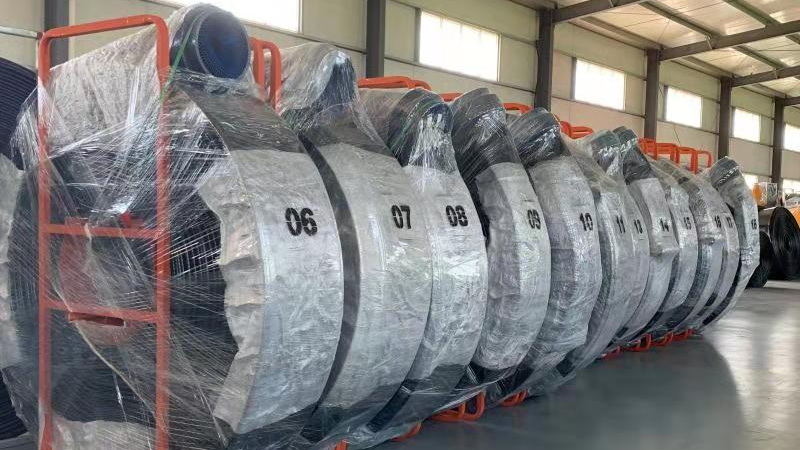
When you step up to 12" or even 16" layflat, you immediately cut the number of lines and booster stations required along a transfer route. A single high‑volume hose also reduces the number of connections, valves, and manifolds that crews must assemble and maintain in the field. [rubber-hoses]
From an operational standpoint, this means:
- Simpler routing, with one or two large‑diameter corridors instead of multiple small pipelines. [keystoneclear]
- Lower leak potential, because there are fewer joints and couplings to fail. [alienfrac]
- Shorter installation windows, which can be critical when pad schedules shift or weather is closing in. [hondotx]
Larger bore hoses reduce friction loss per meter, allowing pumps to operate at lower RPMs while still meeting target flow rates. Field data from water transfer companies show that when operators migrate from smaller hoses to 16" systems, they can use fewer pumps and run them more efficiently, saving fuel and reducing maintenance. [hondotx]
The same physics apply to a well‑designed 12" TPU layflat system:
- Smoother internal surfaces and generous diameter deliver lower differential pressure along the line. [jasonhoses]
- Pumps see less back‑pressure for a given flow, extending equipment life and shrinking the carbon footprint per barrel moved. [hondotx]

Not all 12" hoses are created equal. Many agricultural or municipal layflat hoses use PVC tube and reinforcement, designed for low‑pressure irrigation or discharge applications. In high‑pressure frac water logistics, these options often fall short. [alibaba]
TPU frac hoses provide critical advantages:
- Superior abrasion resistance for dragging across rock, gravel, or lease roads in remote locations. [jasonhoses]
- Better flexibility and low elongation, helping the hose lay flat when depressurized and return to nominal diameter in service. [instagram]
- Improved chemical and oil resistance, important when transferring produced water or fluids with residual hydrocarbons. [jasonhoses]
Sunmoon's TPU layflat hoses are specifically positioned for oil and gas water transfer, mining, emergency dewatering, and other high‑demand applications where standard PVC hoses rapidly reach their limits. [sunmoonhose]
From an industry‑practitioner perspective, well‑run frac water transfer crews follow a repeatable deployment workflow to reduce failures and non‑productive time. Combining recognized best practices with manufacturer recommendations yields a robust process. [alienfrac]
1. Pre‑job planning
- Confirm flow requirements, total distance, elevation profile, and fluid characteristics.
- Choose diameter (12" vs 14"/16"), wall thickness, and pressure class based on hydraulic modeling and safety margins. [rubber-hoses]
2. Inspection and staging
- Inspect the TPU layflat hose for cuts, abrasions, or coupling damage before deployment. [alienfrac]
- Verify pressure ratings and check that hoses have passed hydro‑testing as per manufacturer guidance. [alienfrac]
3. Hose routing and layout
- Lay out the hose along the planned route, avoiding sharp bends, traffic pinch points, and potential impact zones. [alienfrac]
- Respect the recommended bend radius to minimize stress and prevent kinking. [alienfrac]
4. Connection and securement
- Connect one end to the surface pumping equipment using compatible fittings and gaskets. [alienfrac]
- Ensure all couplings and intermediate connections are tight and properly aligned to avoid leaks and sudden disconnections. [alienfrac]
5. Pressurization and monitoring
- Bring the system up to pressure gradually while monitoring for movement, leaks, or abnormal noise. [hondotx]
- Track pressure and flow at key points to verify that values remain within safe operating limits. [hondotx]
6. Operation and maintenance
- Conduct periodic walk‑downs along the hose route to identify wear, abrasion, or changes in ground conditions. [alienfrac]
- After the job, flush, clean, and dry hoses before storage to extend service life. [alienfrac]
Safety and compliance are central to E‑E‑A‑T‑aligned frac water operations. High‑pressure layflat hoses must be treated as engineered components, not commodities.
Key practices observed by experienced operators and recommended in technical guides include:
- Avoid over‑bending or exceeding the manufacturer's minimum bend radius, which can cause structural fatigue and premature failure. [alienfrac]
- Protect from sharp edges and traffic, using ramps or ground protection where vehicles cross the hose. [keystoneclear]
- Maintain rigorous inspection and documentation, including routine pressure tests, visual inspections, and repair logs. [alienfrac]
Reputable hose suppliers support these efforts with technical documentation, on‑site guidance, and testing certificates aligned with international standards such as API or ISO. [sunmoonhose]
Recent deployments in high‑volume water transfer projects have demonstrated how shifting to large‑diameter layflat hoses changes both the hydraulics and the economics of frac water logistics. For example, studies of 16" layflat systems in the Permian Basin show that operators can reduce the number of pumps required, lower operating pressures, and cut fuel consumption while maintaining target flow rates. [keystoneclear]
A similar approach with 12" TPU hoses is particularly effective when:
- The route includes long flat sections where friction losses dominate over elevation gain. [rubber-hoses]
- The operator wants to minimize surface footprint and right‑of‑way complexity by running one or two large lines instead of multiple smaller hoses. [keystoneclear]
- Frequent rig moves and pad changes demand fast deployment and retrieval, favoring flexible layflat over welded hardline systems. [sunmoonpipe]
As a specialized TPU layflat hose manufacturer founded in 2011, Sunmoon focuses on engineered frac water transfer hoses and related large‑diameter layflat solutions. The company offers customized hoses in sizes including 12" and 16", tailored to the flow, pressure, and distance requirements of international oil and gas projects. [alibaba]
Sunmoon's value for global customers typically includes:
- Engineering‑driven design, selecting appropriate reinforcement, wall thickness, and length for each project. [sunmoonhose]
- Full‑hose pressure testing with couplings assembled, usually at 1.5× working pressure for several hours before shipment. [sunmoonpipe]
- Compliance with ISO9001, ISO14001, and ISO45001, supporting quality, environmental management, and occupational health and safety. [sunmoonhose]
Real‑world feedback from Sunmoon's frac water clients often highlights stable performance, low pressure loss, low elongation, and reliable behavior under continuous operation, confirming that properly engineered TPU hoses can meet demanding water midstream expectations. [facebook]

Below is an indicative view of how 12" TPU layflat hoses compare to standard 12" PVC layflat in key areas (values are typical, not universal): [hoseandrubber]
| Feature | 12" TPU Frac Layflat (Sunmoon‑type) | 12" PVC Layflat (General Irrigation Type) |
|---|---|---|
| Core application | Frac water, produced water, mining, long‑distance transfer (sunmoonpipe) | Irrigation, light water discharge (alibaba) |
| Material | TPU cover + high‑tensile polyester/aramid jacket (sunmoonpipe) | PVC tube with polyester reinforcement (alibaba) |
| Pressure capability | High pressure, suitable for oil & gas transfer (sunmoonpipe) | Moderate pressure, often around 30 psi (hoseandrubber) |
| Abrasion resistance | Very high for dragging and field abuse (sunmoonpipe) | Moderate, not optimized for rough terrain (alibaba) |
| Temperature range | Wide, around −50 °C to 80 °C (sunmoonpipe) | Narrower range for standard PVC (hoseandrubber) |
| Deployment focus | Fast reel‑based deployment, long runs (sunmoonpipe) | Shorter runs, farm or site discharge (alibaba) |

If your operations team is planning a high‑volume frac water transfer project and evaluating 12" large‑diameter layflat options, partnering with an engineering‑driven hose manufacturer can significantly reduce risk. Sunmoon can help you model flow, pressure, and route length, then specify TPU layflat hoses and couplings tailored to your field conditions and regulatory environment. [facebook]
For detailed technical data, project consultation, or customized 12" and 16" frac hose configurations, contact Sunmoon's engineering team to review your water logistics plan before your next campaign. [alibaba]
1. Why should I choose 12" layflat hose instead of smaller diameters for frac water?
Because the internal flow area increases rapidly with diameter, 12" hoses can move much more water per line, which reduces the number of hoses and pumps you need and simplifies your overall system. [rubber-hoses]
2. Is TPU really necessary, or can I use PVC layflat hose for frac water transfer?
PVC layflat hoses are typically designed for low‑pressure irrigation and discharge, while TPU frac hoses provide higher pressure capability, better abrasion resistance, and longer life under oil and gas field conditions. [alibaba]
3. How do large‑diameter layflat hoses impact fuel consumption and operating cost?
By reducing friction losses and allowing pumps to run at lower RPMs, large‑diameter systems help cut fuel use and maintenance while maintaining required flow rates over long distances. [hondotx]
4. What kind of testing should I require from my frac hose supplier?
You should look for suppliers who perform full‑hose hydrostatic tests with couplings installed, typically at 1.5× working pressure for several hours, and who operate under ISO‑based quality systems. [sunmoonhose]
5. Can 12" TPU layflat hoses handle produced water or fluids containing hydrocarbons?
Yes, high‑quality TPU layflat hoses are designed with chemical and oil resistance suitable for frac water, produced water, and related oil and gas transfer fluids when used within the manufacturer's rating. [jasonhoses]
1. Sunmoon – High pressure 12inch 660ft TPU frac layflat long distance supply hose: https://www.sunmoonpipe.com/tpu-layflat-hose/high-pressure-12inch-660ft-tpu-frac-layflat-long-distance-supply-hose.html [sunmoonpipe]
2. Sunmoon – Customized TPU Layflat Hose, Oil and Gas Hose, Dewatering Hose: https://www.sunmoonhose.com [sunmoonhose]
3. Sunmoon Hose Manufacturing Co., Ltd – Facebook page (TPU frac water hose overview and customer feedback): https://www.facebook.com/61581858315592/ [facebook]
4. Sunmoon – TPU Frac Water Hose social media post (performance highlights): https://www.instagram.com/p/DWXYaxnjPa0/ [instagram]
5. Jason Industrial – 12 Inch Layflat Hose applications and features: https://www.jasonhoses.com/product/12-inch-layflat-hose/ [jasonhoses]
6. Hose & Rubber Supply – 12" Layflat Blue Water Discharge Hose (PVC type): https://www.hoseandrubber.com/itemdetail/?itemCode=12%22+LAYFLAT+BLUE [hoseandrubber]
7. Alibaba – 12 inch layflat hose (general PVC irrigation category): https://www.alibaba.com/showroom/12-inch-layflat-hose.html [alibaba]
8. Keystone Clear – Benefits of using 16‑inch layflat hose for water transfer in the Permian Basin: https://keystoneclear.com/resources/blog/the-benefits-of-using-16-inch-layflat-hose-for-water-transfer-in-the-permian-basin/ [keystoneclear]
9. Rubber‑Hoses.com – Large Diameter Layflat Hose capacity explanation: https://www.rubber-hoses.com/large-diameter-layflat-hose/ [rubber-hoses]
10. Hondo – What Is Frac Water Supply? Understanding the Process: https://hondotx.com/blog/frac-water-supply/ [hondotx]
11. Alienfrac – What is Frac Hose: The Ultimate Guide to Fracturing Hose (operation and safety practices): https://alienfrac.cn/what-is-frac-hose/ [alienfrac]
12. Sunmoon 16inch DN400 150psi TPU Layflat Hose product listing (large‑diameter customization): https://www.alibaba.com/product-detail/SUNMOON-16inch-DN400-150psi-TPU-layflat_1600205109940.html [alibaba]


