

Views: 222 Author: Sunmoon Hose Manufacturing Publish Time: 2026-07-14 Origin: Site


Content Menu
● Frac Water Hose Deployment: Why the Method Matters
● What Is a Reel System in Frac Water Hose Deployment?
>> Key Features of Reel Systems
● What Is Manual Laying of Frac Water Hoses?
>> Key Characteristics of Manual Laying
● Reel Systems vs. Manual Laying: Core Differences
>> Deployment Speed and Efficiency
>> Labor Requirements and Safety
>> Hose Longevity and Maintenance
>> Flexibility and Terrain Adaptability
● Real-World Application Scenarios
>> Scenario 1: Large-Scale Fracturing Operations
>> Scenario 2: Agricultural Irrigation Projects
>> Scenario 3: Remote Construction Sites
● Engineering Considerations for Optimal Deployment
>> 2. Environmental Conditions
>> 4. Integration Requirements
● The Rise of Integrated Hose Reel Solutions
>> Benefits of Integrated Systems
● Choosing the Right Deployment Method
>> Step 1: Define Project Scope
>> Step 2: Evaluate Terrain and Accessibility
>> Step 3: Analyze Cost Structure
>> Step 4: Assess Safety Requirements
>> Step 5: Consult with Engineering Experts
● Designing for Deployment Efficiency
● FAQ
>> 1. What is the main advantage of reel systems in frac water hose deployment?
>> 2. Are reel systems suitable for all terrains?
>> 3. How does deployment method affect hose lifespan?
>> 4. Is manual laying more cost-effective?
>> 5. Can both methods be used together?
Frac water transfer operations sit at the heart of modern oil, gas, and industrial fluid logistics. Choosing between reel systems and manual laying methods for frac water hose deployment is not just an operational preference—it directly impacts efficiency, safety, cost, and long-term asset performance. Drawing from field experience and engineering best practices, this guide delivers a comprehensive comparison to help operators make informed decisions.
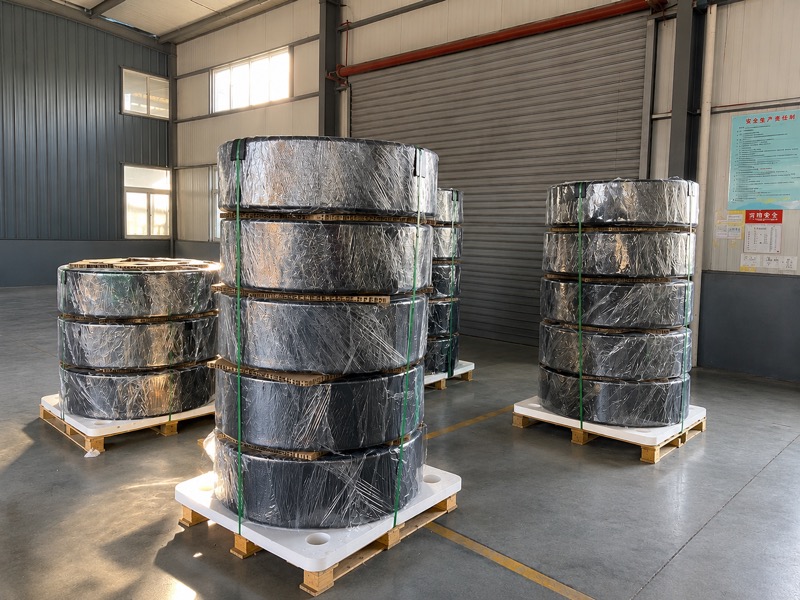
In high-volume hydraulic fracturing and fluid transfer environments, deployment speed, durability, and labor efficiency determine project success. Whether you are moving millions of gallons of water across remote terrain or supporting continuous industrial flow, the deployment method of your hose system can either streamline operations or introduce costly bottlenecks.
Two dominant approaches exist:
- Reel Systems (mechanized deployment)
- Manual Laying (traditional field deployment)
Each has distinct strengths, limitations, and ideal use cases.
A reel system is a mechanized solution that allows hoses to be deployed, retrieved, and stored using powered or hydraulic reels. These systems are often integrated with engineered flat lay hoses, quick-connect couplings, and transport frames.
- Automated or semi-automated deployment
- Integrated hose storage and transport
- Reduced manual handling
- Compatibility with long continuous hose lengths
- Enhanced control over tension and alignment
From an engineering standpoint, reel systems are designed to minimize mechanical stress during deployment and retrieval, extending hose lifespan.
Manual laying involves physically unrolling and positioning hoses across the job site using labor crews, vehicles, or basic tools. It is the most traditional and widely used method, especially in cost-sensitive or smaller-scale projects.
- Labor-intensive deployment
- Flexible routing across uneven terrain
- Minimal equipment investment
- Greater reliance on operator experience
- Higher variability in hose alignment and tension
While simple, manual laying introduces inconsistencies that can affect system efficiency and durability.
Reel Systems:
- Significantly faster deployment, especially for long-distance transfer
- Consistent speed regardless of terrain conditions
- Reduced downtime between operations
Manual Laying:
- Slower, especially over large distances
- Dependent on crew size and experience
- Increased setup time for complex routes
Expert Insight: In large-scale frac operations, reel systems can reduce deployment time by 30–60%, particularly when handling hoses exceeding 500 meters.
Reel Systems:
- Minimal crew required
- Lower risk of injuries (e.g., strain, slips, hose recoil)
- Controlled deployment reduces human error
Manual Laying:
- Requires larger crews
- Higher exposure to physical hazards
- Increased risk during hose repositioning or retrieval
From a safety management perspective, reducing manual handling is a major advantage in regulated industries like oil and gas.
Reel Systems:
- Even tension distribution reduces wear
- Controlled rolling prevents kinks and twists
- Lower risk of abrasion during deployment
Manual Laying:
- Greater likelihood of dragging damage
- Uneven stress on hose walls
- Increased exposure to sharp surfaces and contaminants
Flat lay hoses, especially in high-pressure environments, benefit significantly from consistent handling conditions provided by reel systems.
Reel Systems:
- Best suited for structured or semi-structured environments
- Limited flexibility in highly irregular terrain
- Requires access for transport vehicles
Manual Laying:
- Highly adaptable to complex terrain
- Easier to navigate obstacles manually
- Suitable for remote or confined areas
In rugged or unpredictable environments, manual laying still holds a practical advantage.
Initial Investment:
- Reel Systems: Higher upfront cost (equipment + integration)
- Manual Laying: Low initial cost
Operational Cost:
- Reel Systems: Lower long-term labor and maintenance costs
- Manual Laying: Higher recurring labor expenses and potential repair costs
Cost Efficiency Insight: Over multiple projects, reel systems often deliver lower total cost of ownership (TCO), especially in high-frequency operations.
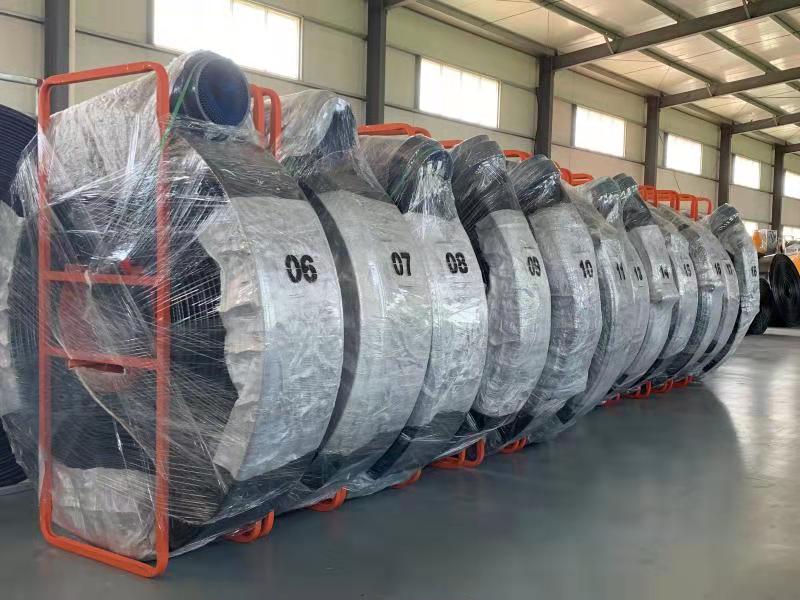
- Recommended Approach: Reel Systems
- Reason: High volume, long distances, need for rapid deployment and retrieval
- Recommended Approach: Hybrid (Manual + Reel)
- Reason: Flexibility combined with efficiency
- Recommended Approach: Manual Laying
- Reason: Terrain complexity and limited equipment access
When selecting between reel systems and manual laying, engineers and project managers should evaluate:
- Diameter and pressure rating
- Material composition (e.g., TPU, PVC, rubber-lined)
- Bend radius and flexibility
- Terrain type (rocky, muddy, uneven)
- Temperature extremes
- Exposure to chemicals or UV
- Total hose length required
- Frequency of deployment cycles
- Project duration
- Compatibility with couplings and fittings
- Transport logistics
- Storage constraints
A mismatch between deployment method and hose design can lead to premature failure and increased downtime.
A growing trend in the industry is the adoption of fully integrated hose systems, combining:
- Engineered flat lay hoses
- Pre-installed couplings
- Custom reel units
- Modular transport frames
- Reduced setup complexity
- Faster mobilization
- Improved system compatibility
- Lower risk of connection failures
Manufacturers with in-house engineering capabilities can tailor these systems to specific operational requirements, improving overall performance.
- Estimate total flow volume and distance
- Identify deployment frequency
- Assess whether machinery can operate safely
- Consider environmental constraints
- Compare upfront vs. long-term costs
- Factor in labor, maintenance, and downtime
- Determine acceptable risk levels
- Review regulatory compliance needs
- Align hose specifications with deployment method
- Optimize system integration
- Underestimating labor costs in manual deployment
- Ignoring hose compatibility with reel systems
- Overlooking terrain limitations for mechanized equipment
- Failing to plan for maintenance and storage
- Choosing based solely on upfront cost
Avoiding these pitfalls can significantly improve operational efficiency and reduce long-term expenses.
From a manufacturing standpoint, the deployment method directly influences hose design priorities.
For example:
- Reel-compatible hoses require enhanced flexibility and resistance to repeated bending cycles.
- Manually deployed hoses must prioritize abrasion resistance and ruggedness.
A production facility equipped with automated lines and technical engineering teams can optimize hose construction for both scenarios, ensuring consistent quality and performance across applications.
Selecting between reel systems and manual laying is not a one-size-fits-all decision. It requires balancing:
- Operational efficiency
- Cost structure
- Safety standards
- Environmental constraints
For high-volume, repetitive operations, reel systems provide clear advantages. For flexible, low-scale, or challenging environments, manual laying remains a viable option.
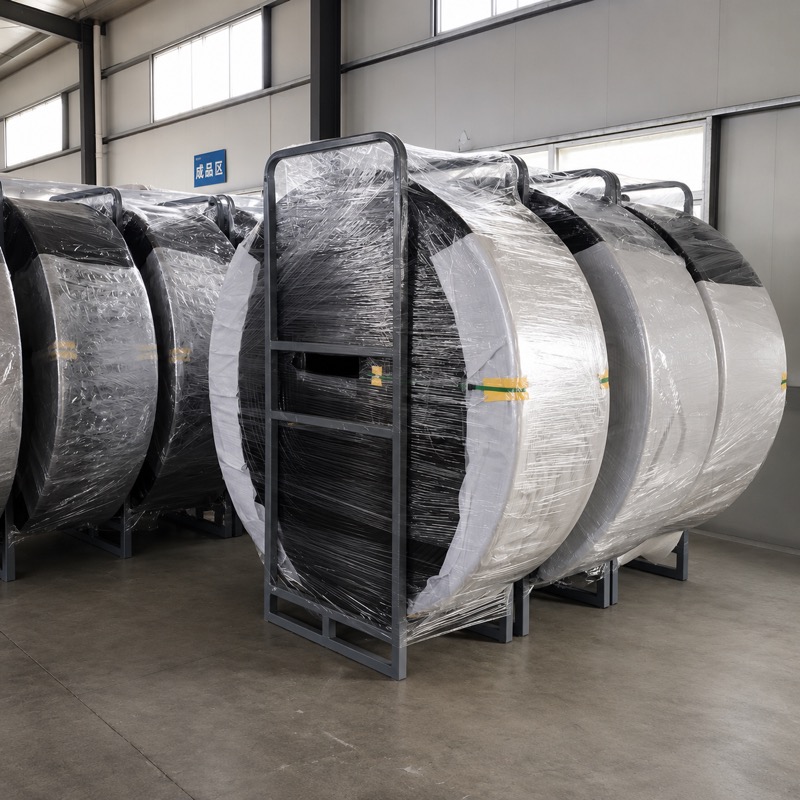
The primary advantage is efficiency and safety. Reel systems reduce deployment time, minimize manual labor, and lower the risk of hose damage and worker injury.
No. Reel systems perform best in accessible and relatively stable environments. In highly uneven or remote terrain, manual laying may be more practical.
Reel systems typically extend hose lifespan by reducing mechanical stress, while manual laying can increase wear due to dragging, twisting, and uneven tension.
It has a lower upfront cost but often leads to higher long-term expenses due to labor, maintenance, and potential downtime.
Yes. Many operations adopt a hybrid approach, using reel systems for main خطوط and manual laying for final positioning or complex sections.
1. SPE (Society of Petroleum Engineers) – Hydraulic Fracturing Operations and Water Management https://www.spe.org
2. API (American Petroleum Institute) – Pipeline and Fluid Transfer Standards https://www.api.org
3. Industrial Hose Manufacturer Guidelines – Hose Handling and Maintenance Best Practices https://www.contitech.us
4. OSHA – Workplace Safety in Oil and Gas Extraction https://www.osha.gov/oil-and-gas
5. Engineering Toolbox – Fluid Flow and Hose Design Principles https://www.engineeringtoolbox.com


