

Views: 281 Author: Sunmoon Publish Time: 2026-07-08 Origin: Site


Content Menu
● Understanding TPU Dewatering Hoses in Mining Environments
● What Are Micro-Abrasions and Why They Matter
● Common Causes of Micro-Abrasions in Harsh Mining Soil
● Step-by-Step Guide: How to Inspect TPU Dewatering Hoses
>> Step 1: Visual Surface Examination
>> Step 4: Thickness Measurement
● Advanced Inspection Techniques
● Preventive Maintenance Strategies
>> Maintenance Frequency Recommendation:
● Material Advantage: Why TPU Outperforms Traditional Rubber
>> Results:
● How to Choose the Right Dewatering Hose Supplier
● FAQ: TPU Dewatering Hose Maintenance
In the mining industry, TPU dewatering hoses play a critical role in maintaining operational efficiency by transporting water, slurry, and abrasive materials across challenging terrains. However, one of the most overlooked failure points is micro-abrasion damage caused by harsh mining soil conditions. From my experience working with OEM hose manufacturers and B2B buyers, improper inspection routines often lead to premature hose failure, costly downtime, and safety risks.
This guide provides a deep, expert-level breakdown of how to inspect TPU dewatering hoses for micro-abrasions, along with practical insights drawn from real-world industrial applications and user feedback.
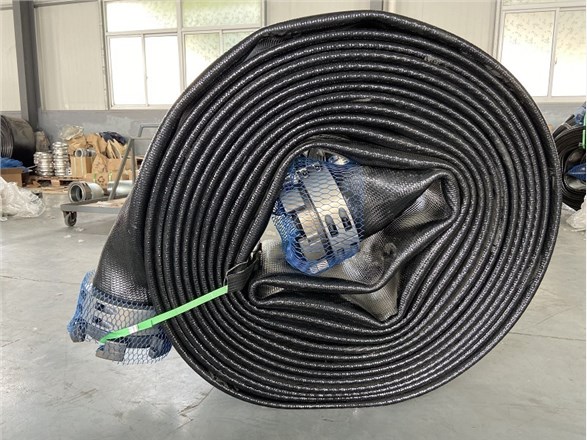
Thermoplastic Polyurethane (TPU) hoses are widely used in mining due to their:
- High abrasion resistance
- Flexibility under extreme temperatures
- Lightweight structure compared to rubber hoses
- Superior tensile strength
However, even high-performance TPU hoses are not immune to continuous friction from sharp rocks, sand, and mineral particles.
Key Risk Factor:
Micro-abrasions are often invisible in early stages but progressively weaken the hose wall, eventually causing leaks or bursts.
Micro-abrasions are tiny surface-level wear marks caused by repeated contact with abrasive particles.
- They reduce wall thickness gradually
- They create weak points under pressure
- They can lead to sudden catastrophic failure
A mining contractor in Western Australia reported that over 35% of unexpected hose failures were linked to undetected micro-abrasions rather than visible damage.
Understanding the root causes helps optimize inspection strategies.
- High quartz or silica content increases abrasion severity
- Sharp-edged rocks accelerate surface wear
- Frequent repositioning across rough ground
- Improper hose routing without support
- High-pressure surges amplify internal stress on weakened areas
- Storing hoses directly on rough surfaces
- Exposure to UV and temperature cycles
A structured inspection process significantly improves early detection.
Look for:
- Discoloration or dull patches
- Fine scratches or rough textures
- Localized thinning areas
Tip: Use angled lighting to reveal subtle surface damage.
Run your hand along the hose:
- Smooth areas = healthy surface
- Rough or grainy feel = potential abrasion
- Bend the hose gently
- Observe for crack formation or stiffness changes
Use tools such as:
- Ultrasonic thickness gauge
- Calipers for accessible sections
Compare results with original specifications.
- Conduct controlled pressure tests
- Monitor for leaks or pressure drops
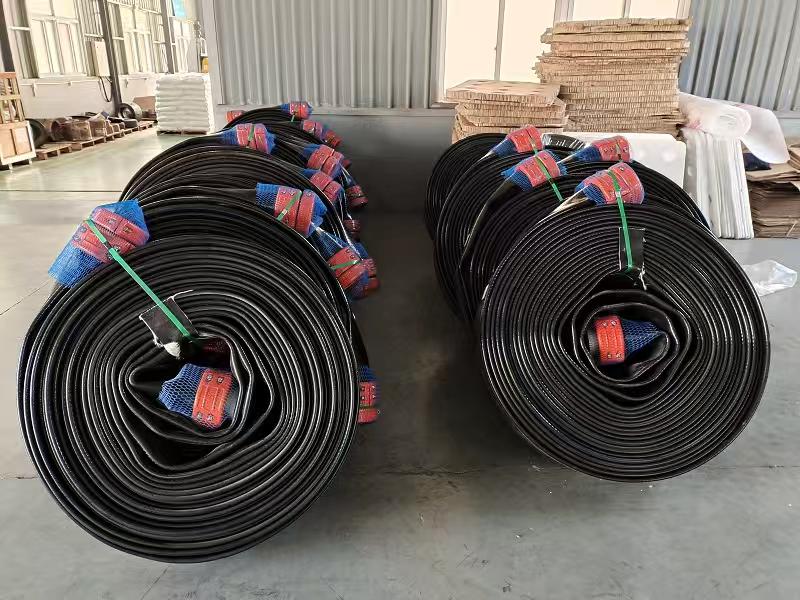
To stay ahead of failures, many leading mining operations now adopt advanced diagnostic methods:
- Detects heat variations caused by internal friction or thinning
- Identifies micro-crack propagation before visible damage appears
- Track wear patterns over time
- Enable predictive maintenance
Expert Tip:
Combining manual inspection with digital monitoring can reduce hose failure rates by up to 40%.
Inspection alone is not enough. Prevention extends hose lifespan significantly.
- Use protective sleeves or covers in high-friction zones
- Elevate hoses using rollers or supports
- Rotate hose positions periodically
- Clean hoses after exposure to abrasive slurry
- High-intensity mining: Weekly inspection
- Moderate use: Bi-weekly or monthly
From a manufacturing perspective, TPU offers clear benefits:
- Abrasion resistance up to 3–5 times higher than rubber
- Lower weight reduces handling damage
- Better resistance to oils, chemicals, and UV exposure
However, quality varies significantly by manufacturer. At Sunmoon, we focus on:
- Custom TPU formulations for specific soil conditions
- Reinforced layering for enhanced durability
- OEM/ODM customization based on project requirements
A Southeast Asian copper mine switched from rubber hoses to customized TPU dewatering hoses.
- Service life increased by 60%
- Maintenance costs reduced by 25%
- Downtime incidents decreased significantly
- Customized wall thickness
- Scheduled micro-abrasion inspections
- Improved hose routing system
From aggregated customer feedback across global markets:
- "TPU hoses last longer, but only if inspected properly."
- "Micro-abrasion is invisible until it's too late."
- "Routine inspection saved us from major shutdowns."
This highlights a key takeaway:
Material quality + maintenance discipline = optimal performance
- Ignoring minor surface wear
- Skipping scheduled inspections
- Using incorrect hose specifications
- Dragging hoses without protection
- Overlooking environmental factors
When selecting a manufacturer, consider:
- Customization capability (OEM/ODM)
- Proven experience in mining applications
- Material quality certifications
- Technical support and after-sales service
A reliable supplier does more than sell hoses—they provide long-term operational solutions.
If you are operating in demanding mining environments, choosing the right TPU dewatering hose and implementing a proper inspection strategy is critical.
Sunmoon specializes in custom flat hoses and TPU dewatering hoses designed for harsh industrial conditions. Whether you need enhanced abrasion resistance, tailored specifications, or expert guidance, our team can help optimize your system.
Contact us today to discuss your requirements and receive a customized solution.
1. How often should TPU dewatering hoses be inspected?
High-abrasion environments require weekly inspections, while moderate conditions may allow bi-weekly checks.
2. Can micro-abrasions be repaired?
Minor abrasions can sometimes be patched, but severe damage typically requires hose replacement.
3. What is the main cause of premature hose failure?
Undetected micro-abrasions combined with high pressure is the leading cause.
4. Are TPU hoses always better than rubber hoses?
In abrasive environments, TPU generally performs better, but application-specific factors should be considered.
5. What tools are best for inspection?
Visual checks, tactile inspection, ultrasonic thickness gauges, and pressure testing equipment are most effective.
1. ScienceDirect – Polyurethane (Materials Science topic overview) https://www.sciencedirect.com/topics/materials-science/polyurethane
2. Mining Technology – Industry news and insights https://www.mining-technology.com
3. Plastics Today – Materials news and trends https://www.plasticstoday.com/materials
4. Engineering ToolBox – Engineering tools and reference data https://www.engineeringtoolbox.com
5. Hose & Rubber – Industry resource https://www.hoseandrubber.com


