

Views: 248 Author: Sunmoon Hose Manufacturing Publish Time: 2026-07-23 Origin: Site


Content Menu
● Understanding Oilfield Dewatering Requirements
● What Is Vacuum Suction Hose?
● TPU Layflat Hose vs. Vacuum Suction Hose: Core Differences
● Real-World Application Scenarios
>> Large-Scale Dewatering Projects
>> Remote or Labor-Constrained Sites
>> Abrasive Slurry Environments
● Cost Analysis: Short-Term vs. Long-Term Value
>> Initial Cost
>> Example
● Installation and Operational Best Practices
● Industry Trends and Technical Insights
● How to Choose the Right Hose
● Why TPU Layflat Hose Is Gaining Wider Adoption
● Work with an Experienced Manufacturer
● FAQ
>> 1. Can TPU layflat hose replace vacuum suction hose?
>> 2. How durable is TPU layflat hose?
>> 3. Is TPU layflat hose suitable for oilfield conditions?
>> 4. What sizes are available?
>> 5. Can hoses be supplied with couplings and reels?
Oilfield dewatering is a critical operation where hose selection directly affects efficiency, safety, and cost control. In modern projects, the comparison between TPU layflat hose vs. vacuum suction hose has become increasingly important, especially as operators pursue lighter, more durable, and more efficient fluid transfer solutions.
Drawing from practical field experience and manufacturing insights, this article provides a comprehensive comparison to help engineers, procurement teams, and project managers make better decisions.
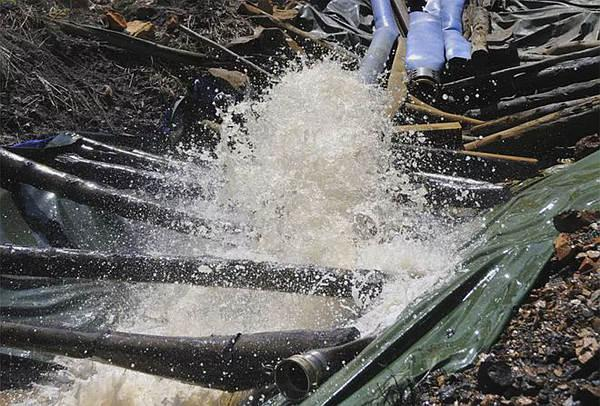
Oilfield dewatering involves removing accumulated water from drilling sites, well pads, or containment areas. These environments are demanding:
- High abrasion from sand, sludge, and debris
- Exposure to hydrocarbons and chemicals
- Long-distance pumping requirements
- Frequent relocation and repeated use
Because of these factors, hose selection directly influences operational performance and long-term costs.
Two widely used hose types dominate this application:
- TPU Layflat Hose
- Vacuum Suction Hose
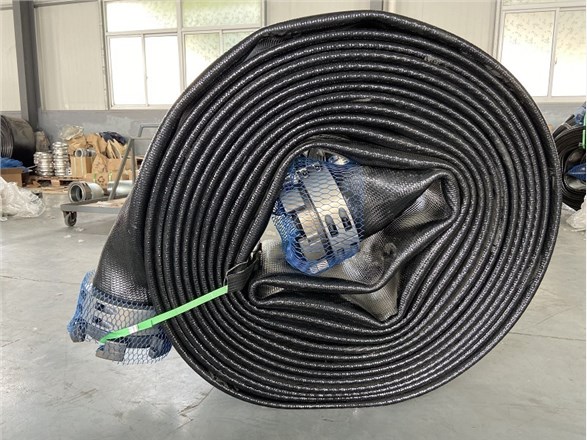
TPU layflat hose is a flexible, lightweight hose made from thermoplastic polyurethane, reinforced with high-strength polyester yarn.
- Flat structure when empty, allowing compact storage and transport
- High tensile strength, suitable for demanding conditions
- Excellent abrasion resistance, ideal for slurry and debris
- Strong resistance to oil and chemicals
- Lightweight design, reducing labor and logistics costs
Advanced manufacturing ensures uniform wall thickness and stable pressure performance, making it highly effective for long-distance water discharge.
A vacuum suction hose is designed to handle negative pressure applications, typically used to draw water into pumps.
- Spiral reinforcement (PVC or steel helix) for structural stability
- Maintains shape under suction pressure
- Primarily used on the intake side of pumps
- Heavier and less flexible than layflat hoses
These hoses are essential for suction tasks but are not optimized for long-distance fluid transfer.
| Feature | TPU Layflat Hose | Vacuum Suction Hose |
|---|---|---|
| Primary Function | Water discharge and transfer | Water suction (intake) |
| Flexibility | Very high | Moderate to low |
| Weight | Lightweight | Heavy |
| Pressure Capability | High pressure handling | Vacuum resistance |
| Transport Efficiency | Excellent (flat storage) | Limited (bulky structure) |
| Abrasion Resistance | High (TPU material) | Moderate |
| Installation Speed | Fast deployment | Slower setup |
| Distance Capability | Long-distance transfer | Short-range use |
| Maintenance Needs | Low | Moderate |
Key takeaway: These hoses serve different roles. However, TPU layflat hose has become the preferred solution for discharge lines due to its efficiency and durability.
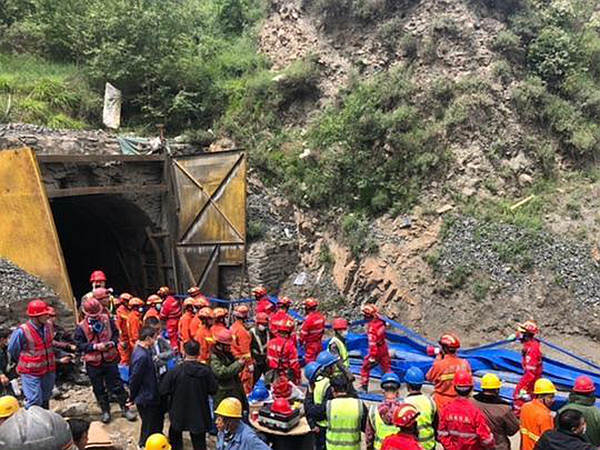
For projects requiring hundreds of meters of water transfer:
- TPU layflat hoses provide:
- Lower friction loss
- Stable high-pressure performance
- Efficient deployment across long distances
Vacuum suction hoses are typically limited to pump intake sections only.
In remote oilfields:
- Lightweight TPU hoses reduce manpower requirements
- Faster installation shortens project timelines
Vacuum suction hoses are less practical due to their weight and rigidity.
Where water contains sand and debris:
- TPU layflat hoses offer significantly longer service life
- Reduced wear leads to fewer replacements and less downtime
- Vacuum suction hose: Lower upfront cost
- TPU layflat hose: Higher initial investment
When evaluating total usage:
- Replacement frequency
- Labor requirements
- Transport efficiency
- Downtime impact
TPU layflat hose often delivers better long-term value.
In a mid-sized dewatering project:
- Labor costs reduced by approximately 30%
- Hose replacement frequency decreased by around 40%
- Operational efficiency improved by about 20%
For optimal performance:
1. Use vacuum suction hose at the pump intake
2. Connect to pump system
3. Use TPU layflat hose for discharge lines
4. Install compatible couplings and reels
This combination ensures both efficient suction and high-performance discharge.
- Using suction hoses for long-distance discharge
- Ignoring pressure ratings and specifications
- Poor coupling connections leading to leaks
- Improper storage that shortens hose lifespan
Several important developments are shaping hose selection:
- Increased use of TPU materials for durability and flexibility
- Growing demand for custom hose assemblies with integrated couplings
- Adoption of modular systems for faster deployment
With modern production capabilities, manufacturers can provide:
- Consistent quality across large volumes
- Custom diameters and pressure ratings
- Faster delivery for global projects
These trends reflect a broader shift toward efficiency, reliability, and reduced lifecycle costs.
Evaluate the following:
- Application type: suction or discharge
- Transfer distance: short or long
- Fluid composition: clean water or slurry
- Working environment: temperature and chemical exposure
- Usage frequency: temporary or continuous
Choose TPU layflat hose if:
- Long-distance discharge is required
- Lightweight and portability are priorities
- Abrasion resistance is critical
Choose vacuum suction hose if:
- You need to draw water into a pump
- Structural rigidity under vacuum is necessary
Operators are increasingly selecting TPU layflat hoses due to:
- Higher operational efficiency
- Reduced labor requirements
- Faster deployment times
- Longer service life
Additionally, compact storage reduces transportation volume, improving overall logistics efficiency.
Selecting the right hose is only part of the solution. A reliable manufacturing partner ensures:
- Stable product quality
- Customization based on project needs
- Technical support and guidance
Sunmoon Hose Manufacturing focuses on:
- Dewatering hose solutions for oil & gas, agriculture, and construction
- TPU layflat hoses with integrated coupling systems
- Tailored solutions for complex project requirements
If you are comparing TPU layflat hose vs. vacuum suction hose for oilfield dewatering, a well-planned system can significantly improve performance and reduce costs.
Contact Sunmoon Hose Manufacturing to receive:
- Customized product recommendations
- Technical specifications
- Project-based solutions
No. TPU layflat hoses are used for discharge, while vacuum suction hoses are required for pump intake.
It typically lasts significantly longer than standard PVC hoses, especially in abrasive environments.
Yes. It offers strong resistance to oil, chemicals, and harsh environments.
Common sizes range from 2 inches to 12 inches, with customization options available.
Yes. Integrated solutions improve installation efficiency and safety.
1. Plastics Industry Association – Polyurethane Material Performance https://www.plasticsindustry.org
2. Engineering Toolbox – Fluid Flow and Hose Pressure Data https://www.engineeringtoolbox.com
3. Oilfield Technology Reports – Water Management Practices https://www.oilfieldtechnology.com
4. Parker Hannifin – Industrial Hose Selection Guide https://www.parker.com
5. Global Market Insights – Industrial Hose Market Trends https://www.gminsights.com


