


Content Menu
● Key Factors in Oil Hose Selection
>> Nitrile Rubber (NBR) Oil Hose
>> TPU (Thermoplastic Polyurethane) Oil Hose
● Types of Oil Hose by Application
>> Low‑Pressure Return and General Oil Hose
>> Suction and Return Oil Hose
>> High‑Pressure Hydraulic Oil Hose
>> TPU Layflat Oil Hose for Long‑Distance Transfer
● How to Match Oil Hose to Your Project
● Installation and Routing Best Practices
● Safety, Testing, and Maintenance of Oil Hose
● Why TPU Layflat Oil Hose Is Gaining Attention
● Typical Use Cases for Oil Hose
● How an Engineering‑Driven TPU Layflat Hose Manufacturer Adds Value
● FAQ
>> (1) How do I know which oil hose I need?
>> (2) Can I use any multipurpose hose as an oil hose?
>> (3) What is the advantage of TPU layflat oil hose?
>> (4) How often should oil hose be replaced?
>> (5) What tests are recommended before using a new oil hose line?
Choosing the right type of oil hose is critical for safety, leak prevention, and long service life in engines, hydraulic systems, offshore projects, and industrial transfer lines. For many demanding projects, modern TPU layflat oil hose solutions provide a strong combination of flexibility, abrasion resistance, and oil compatibility compared with traditional rubber or PVC oil hose designs.
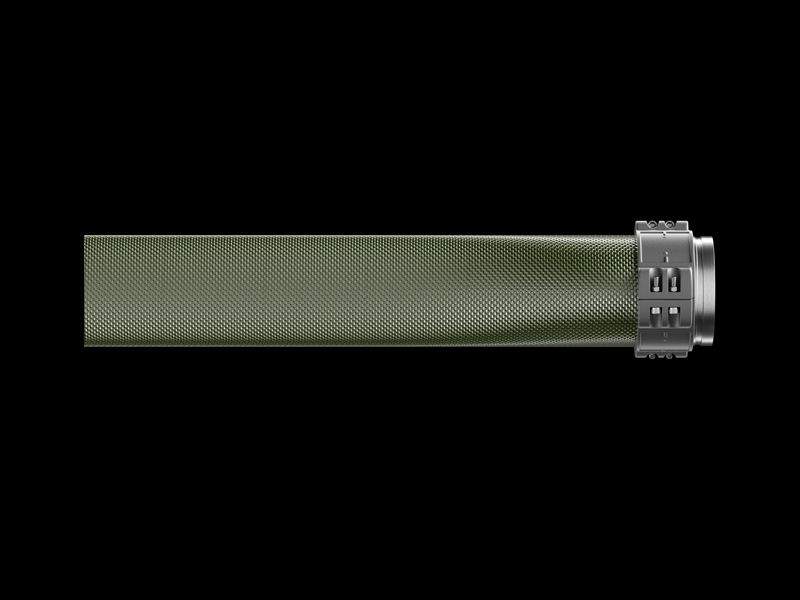
An oil hose is a flexible conduit designed to transfer petroleum-based or synthetic oils between tanks, pumps, engines, hydraulic components, or process equipment. A true industrial oil hose uses oil‑resistant tube and cover compounds, engineered reinforcement, and tested fittings so that the hose stays stable under pressure, temperature, and chemical exposure.
A typical oil hose consists of three layers: an inner tube compatible with the specific oil, a reinforcement structure for pressure and flexibility, and an outer cover that resists abrasion, weathering, and external oils. The choice of inner tube material and reinforcement style largely determines whether the oil hose is suitable for low‑pressure return lines, suction and return duties, or high‑pressure discharge and fracturing operations.
Selecting the correct oil hose type starts with a structured method such as S.T.A.M.P.E.D. (Size, Temperature, Application, Material, Pressure, End‑fittings, Delivery). This framework helps engineers match the oil hose to real operating conditions instead of choosing only by price or a generic “multipurpose” label.
Important selection factors for an oil hose include:
- Oil type: mineral, synthetic, bio‑oil, fuel oil, or mixed service with fuels and chemicals.
- Temperature: both fluid temperature and ambient temperature, including potential peaks.
- Pressure and vacuum: working pressure, pressure spikes, and whether the oil hose must handle suction.
- Environment: abrasion, UV, ozone, salt water, static electricity, and rough ground conditions.
- Regulatory and safety requirements: flame resistance, antistatic properties, and relevant industry standards.
Different oil hose materials deliver very different performances in oil resistance, flexibility, weight, and lifetime. Selecting the correct material often matters more than the brand name on the layline.
Nitrile rubber is widely used for hydraulic and fuel oil hose tubes because it offers strong resistance to petroleum‑based oils over a broad temperature range. Many low‑pressure hydraulic oil hose types use an NBR‑based tube paired with textile reinforcement and an oil‑ and weather‑resistant synthetic rubber cover.
Typical applications for NBR oil hose include hydraulic return lines, fuel lines, lubrication circuits, and low‑ to medium‑pressure transfer of petroleum oils in mobile and industrial equipment. When properly selected, this type of oil hose provides a good balance between cost, flexibility, and chemical resistance.
Oil hose designs often pair an NBR tube with an ozone‑ and weather‑resistant synthetic rubber cover such as neoprene or other advanced elastomers. This combination protects the oil hose from external oil drips, sunlight, and mechanical wear in mobile or industrial environments.
A robust cover helps the oil hose endure dragging on floors, contact with sharp edges, or occasional chemical splash without exposing the reinforcement. Once reinforcement is visible, the oil hose should be removed from service to avoid sudden failure.
Some light‑duty hoses use modified PVC compounds for cost‑sensitive oil transfer tasks, but standard PVC can harden, crack, or lose properties when exposed to hydrocarbons, higher temperatures, or aggressive additives. For continuous or critical service, most engineers prefer a dedicated oil hose in rubber or TPU rather than a low‑cost PVC option.
PVC‑based hose may be suitable for occasional or low‑temperature contact with certain oils if the compound is specially formulated and rated for that service. However, when the word “oil hose” appears in technical specifications for industrial or hydraulic systems, it usually refers to rubber or thermoplastic constructions rather than commodity PVC.
TPU layflat hose combines high abrasion resistance, strong tensile strength, and very good oil and fuel resistance, which makes it attractive for demanding oil transfer, fracturing, mining, and fire protection systems. TPU oil hose designs maintain flexibility at low temperature, withstand high working pressure, and show excellent resistance to fuel oil corrosion, UV, and weathering.
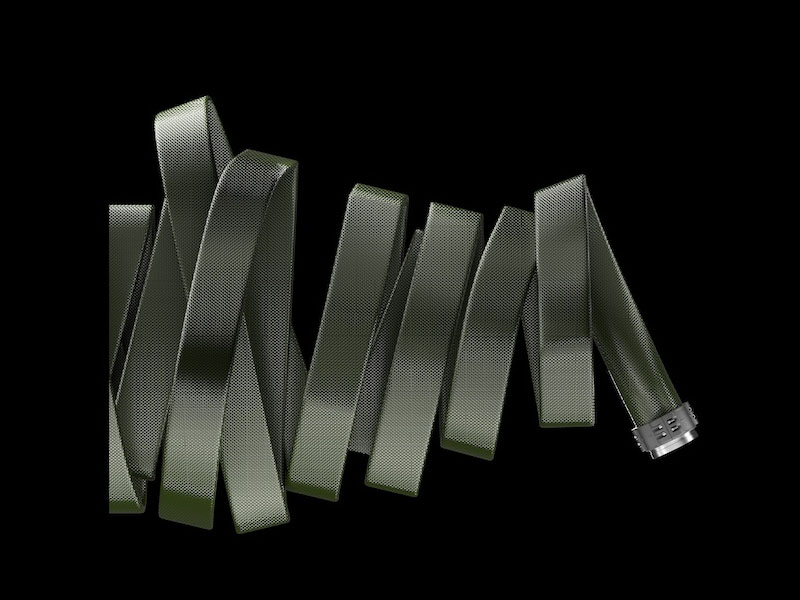
Because TPU is thermoplastic, it can be extruded with a tightly bonded reinforcement structure, creating a smooth, easy‑to‑clean bore and a tough external jacket. When configured as a layflat oil hose, TPU allows long continuous lengths that roll compactly onto reels, simplifying storage and transport.
Different applications call for different styles of oil hose, from light‑duty return lines to rugged layflat systems for long‑distance transfer. Choosing among them depends on pressure, installation layout, mobility requirements, and service life expectations.
Low‑pressure return hoses are used where oil flows back to a tank or reservoir at relatively modest pressure. Textile‑reinforced oil hose designs feature an oil‑resistant synthetic rubber tube, fiber reinforcement, and an abrasion‑resistant cover suitable for petroleum‑based and water‑based hydraulic oils.
This sort of oil hose is ideal for lubrication circuits, return lines on mobile equipment, fuel return, and light‑duty transfer where compact routing and flexibility matter more than very high pressure. Many suppliers position this general‑purpose oil hose for applications that must handle both hydraulic oil and diesel fuel.
Suction and return oil hose must withstand vacuum on the inlet side of pumps without collapsing. These oil hose designs usually combine an oil‑resistant tube with helical or textile reinforcement that supports the hose wall under negative pressure as oil is drawn into the pump.
Such oil hose constructions are widely used in tank trucks, off‑road equipment, and industrial systems where one line may handle both suction and low‑pressure return. In many cases, a dedicated suction oil hose also needs to resist abrasion and kinking during repeated handling of hoses on rough sites.
High‑pressure hydraulic oil hose carries pressurized hydraulic fluids to cylinders, motors, or tools in mobile and industrial systems. These hoses use multiple layers of high‑strength steel wires or spirals around an oil‑resistant tube to achieve high working pressure and tight bend radii.
Choosing hydraulic oil hose requires matching hose working pressure to system pressure with an appropriate safety margin, along with attention to inner diameter, temperature rating, and environment. For pressure lines, a dedicated high‑pressure oil hose designed and rated for hydraulic service is essential, rather than relying on generic multipurpose hose.
TPU layflat oil hose is increasingly used for long‑distance water and oil transfer in oil and gas, mining, and emergency drainage because it combines high pressure capability with a lightweight, roll‑flat design. TPU layflat hose is made from extruded TPU with a circular woven polyester reinforcement, providing high tensile strength and resistance to abrasion, oil, and chemicals.
These oil hose products handle demanding working conditions yet remain easy to deploy over large distances. Their ability to work at elevated pressure while staying flexible and compact makes TPU layflat oil hose a strong alternative to heavy steel pipe strings or bundled rubber hoses.
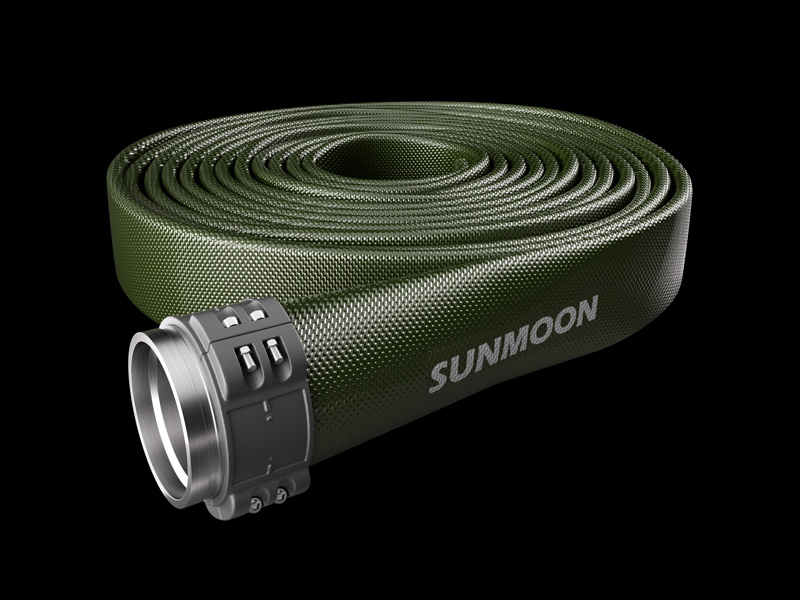
Once the main application and environment are defined, the next step is to translate requirements into an oil hose specification. Using a consistent method avoids under‑specifying the oil hose, which can lead to leaks, blistering, or premature failure.
Practical steps for specifying an oil hose include:
1. Document operating conditions: oil type, viscosity, temperature range, working and peak pressure, suction or discharge, and expected flow rate.
2. Determine size and length: inner diameter to control velocity and pressure drop, hose length including movement and flexing, and minimum bend radius.
3. Check compatibility: ensure tube and cover materials are compatible with the oil and any other fluids or cleaning agents.
4. Assess environment: note contact with rough ground, chemicals, UV, ozone, or hot surfaces, and select a cover accordingly.
5. Select fittings and assembly method: crimped, clamped, or swaged fittings designed for the specific oil hose series.
In more complex systems, it is common to use several different oil hose types in one installation—for example, high‑pressure oil hose assemblies on the pressure side and textile‑reinforced return oil hose on the return side. Each hose should be clearly labeled and documented so that replacement parts match the original specification.
Even the best oil hose will fail early if it is installed or routed incorrectly. Attention to bend radius, movement, and mechanical protection helps maximize oil hose service life.
Good installation practices include:
- Avoiding tight bends smaller than the recommended minimum bend radius for the oil hose.
- Providing slack and proper clamping so that the oil hose can move without kinking when equipment articulates.
- Protecting the oil hose from sharp edges, pinch points, and continuous rubbing using guards or sleeves where needed.
- Routing oil hose assemblies away from extreme heat sources such as exhaust manifolds or uninsulated steam lines.
For TPU layflat oil hose, careful layout is equally important, especially on slopes or across roads. Anchoring points, controlled crossings, and gradual pressure ramp‑up help maintain stability and reduce the risk of movement or damage during operation.
Regardless of the type of oil hose chosen, safety and reliability depend on correct testing, installation, and maintenance. Oil hose failures can result in spills, fire risk, environmental damage, and costly downtime.
Recommended practices for oil hose safety include:
- Regular inspection for cuts, blisters, hardening, kinks, or exposed reinforcement on the oil hose cover.
- Observing manufacturer limits on working pressure, temperature, bend radius, and impulse cycles for each oil hose series.
- Pressure testing and documentation before critical deployment, especially for long TPU layflat oil hose lines in oilfield or mining projects.
- Proper storage on reels or racks to avoid crushing, UV damage, or chemical exposure when the oil hose is not in use.
A preventive maintenance program that records inspection dates, test results, and replacement history for each oil hose assembly makes it easier to forecast when components should be renewed. This approach reduces unplanned downtime and supports compliance with regulatory or customer requirements in sensitive industries.
Compared with traditional rubber or PVC hoses, TPU layflat oil hose offers several performance advantages in heavy‑duty transfer tasks. These benefits are particularly important for oil and gas, mining, emergency pumping, and mobile firefighting projects.
Key advantages of TPU layflat oil hose include:
- High abrasion resistance and long service life on rough, abrasive ground.
- Excellent oil and fuel resistance, with very low risk of corrosion or swelling in contact with fuel oil.
- Lightweight, compact storage: long lengths of layflat oil hose can be wound on reels and deployed quickly with minimal manpower.
- Wide temperature range and good flexibility at low temperatures, reducing handling effort in cold climates.
In long‑distance transfer operations, TPU layflat oil hose can reduce the number of joints and connections because each length covers several hundred meters. Fewer joints mean fewer potential leak points and faster make‑up and break‑down of lines when operating schedules are tight.
Oil hose types are selected not only by fluid type but also by how and where they are used. Understanding real‑world use cases helps clarify which oil hose design is appropriate for a given project.
Common scenarios include:
- Engine and machinery lubrication systems using low‑pressure oil hose for return and lube circuits.
- Hydraulic systems using high‑pressure oil hose assemblies for mobile equipment, presses, and industrial machinery.
- Fuel and oil transfer lines on tank trucks, marine vessels, and terminal facilities, combining suction and discharge oil hose sections.
- Long‑distance transfer for fracturing water and fuel oil using TPU layflat oil hose strings across irregular terrain.
Projects that require frequent relocation, such as temporary oil transfer or emergency bypass pumping, benefit strongly from TPU layflat oil hose systems that can be retrieved and redeployed many times. In fixed industrial installations, properly supported rubber oil hose or hard piping may be preferred, but even there TPU layflat hose can serve for backup or contingency lines.
When selecting a TPU layflat oil hose system, working with an engineering‑driven manufacturer allows project teams to optimize not only the hose but also fittings, deployment, and long‑term operations. Specialist producers of TPU layflat hose for oil and fuel transfer can match hose design to the specific combination of pressure, temperature, terrain, and regulatory requirements.
Such manufacturers typically:
- Customize TPU layflat oil hose structures (tube hardness, jacket design, antistatic wires) to the target project.
- Offer long continuous lengths and matching couplings to reduce leak points and setup time compared with conventional hose sections.
- Support engineering calculations for pressure loss, reel capacity, and deployment layout for oil hose lines across large sites.
For global customers, partnering with an engineering‑driven TPU layflat oil hose supplier helps simplify technical communication, documentation, and after‑sales support throughout the lifecycle of a project. This is especially valuable when oil hose systems must perform reliably in remote or harsh environments where service access is limited.
The best type of oil hose for any project depends on a careful analysis of oil type, temperature, pressure, environment, and deployment method, not just on a generic label. Low‑pressure textile‑reinforced oil hose, suction and return hose, high‑pressure hydraulic oil hose, and TPU layflat oil hose each address different needs, but TPU layflat hose has become a powerful option for long‑distance, mobile, and heavy‑duty oil transfer thanks to its abrasion resistance, oil compatibility, and rapid deployment capability.
Start by specifying Size, Temperature, Application, Material, Pressure, End‑fittings, and Delivery using the S.T.A.M.P.E.D. method before comparing product datasheets for each oil hose option. Once requirements are clear, an industrial hose specialist can recommend a certified oil hose that matches your operating conditions and safety targets.
Most general multipurpose hoses are not engineered for continuous contact with hot petroleum oils, and the tube or cover may soften, crack, or blister over time. For safety and durability, select a dedicated oil hose explicitly rated for the oils, temperatures, and pressures in your system.
TPU layflat oil hose combines high abrasion resistance, excellent oil and fuel resistance, and a wide temperature range with a roll‑flat design that is easy to transport and deploy. This makes TPU layflat oil hose ideal for long‑distance oil or fracturing water transfer, mining dewatering, and emergency operations on rough ground.
Replacement intervals depend on pressure cycles, temperature, environment, and maintenance quality, but oil hose should be changed whenever there are signs of hardening, cracks, leaks, or exposed reinforcement. Following manufacturer guidelines and documenting operating hours and conditions helps define a preventive replacement schedule for each oil hose series.
Before commissioning, many operators perform visual inspection, hydrostatic pressure testing to the specified test pressure, and continuity checks for antistatic oil hose designs. For long TPU layflat oil hose strings in oilfield or mining use, additional on‑site testing and gradual pressurization are often used to verify couplings and layout before full‑load operation.


