

Views: 222 Author: Loretta Publish Time: 2026-01-23 Origin: Site


Content Menu
● How Does a Banjo Fitting Work?
● How to Tell If a Banjo Fitting Is Leaking
>> Soapy-Water or Bubble Testing
>> Noise and Vibration Symptoms
● Common Causes of Banjo Fitting Leaks
>> Sealing Surface and Gasket Problems
>> Installation and Maintenance Errors
>> Material and Fluid Compatibility Issues
>> External Mechanical Influences
● Step-by-Step: How to Fix a Leaking Banjo Fitting
>> 1. Prepare the System Safely
>> 2. Inspect Components Carefully
>> 3. Replace Washers and Damaged Parts
>> 4. Reassemble and Torque Correctly
>> 5. Verify Leak-Free Operation
● How to Prevent Banjo Fittings from Leaking
>> Best Practices During Installation
>> Routine Inspection and Maintenance
>> Vibration and Support Management
● Banjo Fittings with TPU Layflat Hose: Reliability Advantages
● Take Action: Reduce Banjo Leaks with Engineered TPU Layflat Solutions
● FAQ: Banjo Fittings and Leaks
>> Q1: Can I reuse copper crush washers on banjo fittings?
>> Q2: What torque should I use on a banjo bolt?
>> Q3: Why does my banjo fitting still leak after installing new washers?
>> Q4: Are banjo fittings suitable for high-pressure systems with TPU layflat hose?
>> Q5: How often should I inspect banjo fittings in harsh environments?
Banjo fittings most often leak because of sealing surface damage, incorrect installation torque, worn gaskets, or vibration and misalignment, but using the right materials and maintenance practices can eliminate most failures. When combined with durable TPU layflat hose systems, correctly installed banjo fittings significantly improve hydraulic and fluid-transfer reliability and reduce unplanned downtime.
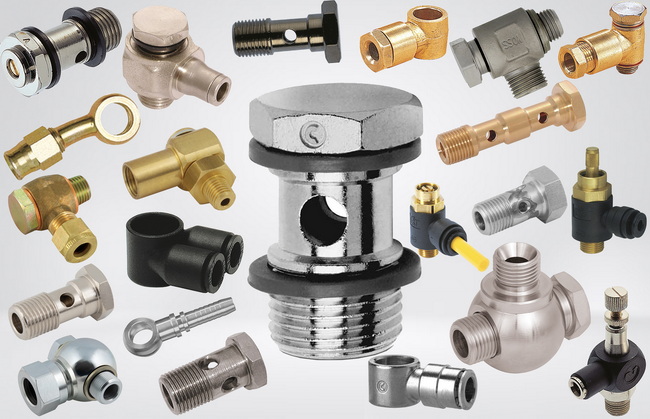
Banjo fittings are compact fluid connectors that use a hollow bolt and a ring-shaped fitting body to allow fluid to flow through under pressure. They are widely used in hydraulic, fuel, brake, lubrication, and industrial water-transfer systems, especially where space is limited.
A ring- or “banjo”-shaped connector body with a central through-hole.
A hollow banjo bolt that passes through the body and threads into a component such as a pump, caliper, valve, or manifold.
One or more soft sealing washers (commonly copper, aluminum or composite) between the fitting and mating surfaces to create a pressure-tight seal.
A hose or tube connection on the side of the banjo body for fluid in/out, often crimped or swaged to flexible hose.
Because banjo fittings allow the hose to rotate around the bolt centerline, they help solve tight routing challenges in machinery, vehicles, and modular hose systems such as TPU layflat hoses.
A banjo fitting seals by compressing soft washers between two flat surfaces when the hollow bolt is tightened to the correct torque. When the bolt is tightened, the washers plastically deform and fill microscopic surface irregularities to prevent fluid from escaping.
The flow path typically works as follows:
Fluid enters the banjo body from the hose or tube connection.
It passes through radial holes in the banjo body into the hollow center surrounding the bolt.
It then flows into axial or radial holes drilled in the banjo bolt and out into the mating component, or in the reverse direction depending on system design.
Anything that interferes with full, even washer compression or damages the sealing surfaces can create localized gaps, resulting in oil, fuel, or water leaks under pressure.
Early detection of a banjo fitting leak prevents larger failures, environmental contamination, and safety risks. Typical indicators include visible fluid traces, pressure loss, and abnormal system behavior.
Look for fluid stains, dampness, or wet tracks around the bolt head, washer interfaces, and hose crimp area.
Check for cracks, deformation, corrosion, or pitting on the fitting body and mating port.
Monitor whether the system reaches and maintains its normal operating pressure; a slow drop can indicate a small banjo leak.
In closed systems, pressure decay tests with air or nitrogen help quantify leak rates.
Pressurize the circuit with compressed air or nitrogen within safe limits.
Apply soapy water to the suspected banjo fitting; continuous bubble formation identifies the leak location.
In hydraulic systems, air drawn through a leaking banjo fitting can cause pump cavitation, growling noise, and erratic actuator motion.
Add fluorescent dye to the fluid and scan suspect areas with a UV lamp to pinpoint micro-leaks around the washers and hose crimp.
Banjo fitting leaks usually trace back to a small set of repeatable root causes: sealing issues, installation errors, material mismatch, or external mechanical influence.
- Scratched or damaged sealing faces: Nicks, scratches, corrosion pits, or embedded debris on the caliper or port face, banjo body, or washer contact surfaces prevent uniform sealing. Re-using washers on rough surfaces increases the risk of micro leakage under cycling pressure and temperature.
- Crushed, hardened, or wrong-spec washers: Copper or aluminum crush washers become work-hardened after repeated tightening and may no longer plastically deform, reducing seal performance. Incorrect washer thickness, inner diameter, or material can cause uneven load distribution and leakage paths.
- Contamination at the seal: Fine particles, paint flakes, thread sealant, or rust trapped between the washer and sealing face create bridges where fluid can escape.
- Incorrect tightening torque: Under-torque leads to insufficient washer compression and seepage, while over-torque can crush washers excessively, distort the banjo body, or even crack the port.
- Misalignment and poor coaxiality: If the banjo body sits skewed to the port surface, the bolt side-loads the washers and leaves one side under-compressed. Twisted hoses or rigid routing can pull the fitting out of alignment over time.
- Reusing old bolts, washers, or distorted fittings: Stretched bolts and reused crush washers no longer clamp with correct elasticity, especially under high pressure and temperature cycling.
- Incompatible washer or fitting material: Aggressive fluids, such as certain chemicals, biodiesel blends, or high-temperature oils, can attack incorrect metals or elastomers used in washers and seals. In corrosive or marine environments, unprotected carbon steel banjo fittings may corrode and develop leakage paths.
- Temperature and pressure extremes: High temperature accelerates gasket creep and aging; low temperature can reduce washer ductility, limiting proper crush and sealing. Pressure spikes above design ratings can elastically deform the banjo body or mating component and fatigue the sealing interface.
- Vibration and shock loads: Continuous vibration from engines, pumps, or mobile equipment can gradually loosen threaded joints, including banjo bolts. Shock loads can propagate through rigid hoses into the fitting, causing micro-movement and seal fretting.
- Impact or bending of the hose assembly: Impacts on the hose or improper clamping can bend the banjo body or crack the port boss. Over-tight clamps or sharp routing radii can stress the hose-to-banjo crimp, creating leaks at the interface.
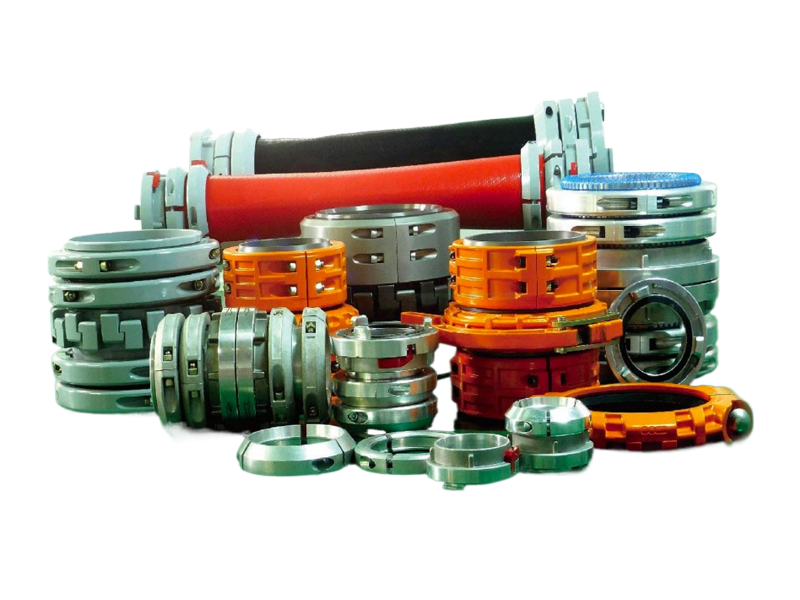
A structured troubleshooting and repair process prevents repeated failures and unnecessary component replacement.
Depressurize and, if necessary, drain the affected section of the system.
Lock out power sources for pumps or rotating machinery before working on the fitting.
Clean the area around the banjo fitting so new leaks will be easy to spot after repair.
Remove the banjo bolt and washers, keeping track of stacking order and orientation.
Inspect:
Banjo bolt threads and shank for stretch, galling, or cracks.
Washer surfaces for deep impressions, cracks, or hard, glazed areas.
Sealing faces on the port and banjo body for scratches, dents, and corrosion.
Lightly dress minor surface marks with very fine abrasive where allowed by the system manufacturer, taking care not to alter flatness.
Always use new crush washers when reassembling a banjo fitting unless the manufacturer explicitly allows reuse.
Match washer material to the system; copper or aluminum are common for brakes and hydraulics, while specialty elastomer-metal gaskets may be needed for certain chemicals.
Replace any distorted banjo body or stretched or damaged bolts instead of trying to tighten them more.
Ensure the banjo body sits flat and correctly oriented with no hose twist.
Install the correct number of washers in the proper order, typically one washer on each side of the banjo body.
Tighten the banjo bolt using a torque wrench to the value specified by the equipment or fitting manufacturer.
If a slight seep persists, increase torque in small steps within the allowed range and do not exceed the stated maximum.
Re-pressurize the system and visually inspect the fitting for any sign of dampness or weeping.
For critical systems, perform a pressure hold test or bubble test to confirm tightness before returning to full service.
Preventive practices are significantly more cost-effective than reactive repairs, especially in long-distance fluid-transfer systems using high-value hoses such as TPU layflat hoses.
Use a torque wrench rather than feel for all safety-critical or high-pressure banjo connections.
Ensure mating faces are clean, flat, and free from burrs, paint, and debris before assembly.
Select washer and fitting materials compatible with the fluid, temperature, and environmental exposure.
Route hoses to avoid excessive bending near the fitting and provide enough slack to prevent side loading on the banjo.
Inspect banjo connections periodically for:
Bolt tightness checked against specified torque during safe shutdowns.
Sealing surface condition and visible corrosion.
Hose-crimp integrity and any movement or fretting at the crimp.
Oil, fuel, or water staining around the fitting.
Increase inspection frequency in high-vibration, high-pressure, or corrosive applications such as off-road equipment, marine systems, and chemical transfer.
Support hoses with clamps and guides to isolate banjo fittings from vibration and dynamic loads.
Use flexible hose solutions, such as high-quality TPU layflat hose assemblies, to reduce transmitted stress compared with rigid piping.
In modern water, oil, and chemical transfer operations, TPU layflat hoses combined with robust banjo fittings provide a lightweight, high-pressure, and highly abrasion-resistant solution. TPU hose can work at elevated temperatures, maintains flexibility at low temperatures, and resists fuel and oil corrosion better than many traditional rubber options.
The smooth internal bore of TPU layflat hose supports efficient, low-loss flow at high volumes over long distances.
High-pressure ratings and abrasion resistance reduce the risk of hose failures that can overload banjo joints through pressure spikes or mechanical damage.
Properly crimped banjo fittings on TPU layflat hose produce a uniform, repeatable interface that minimizes leaks when paired with correct torque and maintenance routines.
For engineering-driven TPU layflat hose manufacturers, optimizing banjo fitting design, material selection, and assembly standards is a critical differentiator in global fluid-transfer projects.
If your operation is facing recurring banjo fitting leaks, now is the time to move from trial-and-error repairs to engineered solutions. By working with an engineering-focused TPU layflat hose manufacturer that can design, test, and supply complete hose-and-banjo assemblies, you gain application-specific torque guidelines, optimized washer and fitting materials, and proven routing recommendations. Contact our technical team today to discuss your hydraulic, fuel, or water-transfer project and discover how custom TPU layflat hose assemblies with precision banjo fittings can improve reliability, cut maintenance costs, and keep your system running safely at full capacity.
Contact us to get more information!
A1: Reusing copper crush washers is not recommended because they harden after initial compression and may not deform enough to seal reliably on reassembly. New washers help restore proper sealing performance.
A2: Torque values depend on bolt size, material, and application, so you should always follow the equipment manufacturer's specification. Using a calibrated torque wrench is the most reliable way to avoid both under-tightening and over-tightening.
A3: Persistent leaks after installing new washers often come from scratched sealing surfaces, misalignment, damaged threads, incompatible washer material, or insufficient torque. A complete inspection of all components and careful reassembly are usually necessary to solve the problem.
A4: Banjo fittings can be used in high-pressure TPU layflat hose systems when they are correctly sized, rated, and assembled. All components, including hose, fittings, washers, and bolts, must match the system's pressure and fluid compatibility requirements.
A5: In high-vibration, high-pressure, or corrosive environments, banjo fittings should be inspected at least as frequently as the associated hoses. Increase inspection intervals if you observe staining, corrosion, or any sign of loosening around the joint.
1. https://www.strongflex.com/why-do-banjo-fittings-leak/
2. https://www.speedwaymotors.com/the-toolbox/common-causes-for-leaky-banjo-fittings-and-caliper-issues/28903
3. https://www.reddit.com/r/MechanicAdvice/comments/uz6bww/why_does_my_new_banjo_bolt_keep_leaking/
4. https://cntopa.com/banjo-bolt-leaking-discover-common-causes-and-fixes.html
5. https://www.youtube.com/watch?v=jknC16h4E44
6. https://www.wilwood.com/PDF/DataSheets/ds573.pdf
7. https://layflat.midwesthose.com/index.php/tpu-layflat/
8. https://www.orientflexhose.com/project/tpu-layflat-hose/
9. https://www.hoseandfittings.com/banjo-torque/
10. https://grassrootsmotorsports.com/forum/grm/banjo-fittings-on-brakes-leaking-ideas/195683/page1/
11. https://www.austinhose.com/itemdetail/AH-16-TPU-660FT-M-A
12. https://forum.classicmotorworks.com/index.php?topic=14608.0
13. https://www.tubes-international.com/aquaman-potable-water-layflat-hose-approved-by-pzh/


