

Views: 222 Author: Loretta Publish Time: 2025-12-28 Origin: Site


Content Menu
● Understanding the Importance of Proper Air Hose Storage
● Key Environmental Factors Affecting Hose Storage
● Best Practices for Air Hose Storage
● Top 5 Air Hose Storage Ideas
>> 2. Hose Bags
● Storing TPU Lay Flat Hoses: Step-by-Step Guide
● Quick Comparison of Storage Options
● Temperature and Seasonal Storage Tips
● Selecting the Right Storage Solution
● Build a Smarter, Safer Workspace
● FAQs
>> Q1. What is the best way to store high-pressure air hoses?
>> Q2. Can air hoses be stored in a shed?
>> Q3. What is the ideal temperature for storing TPU lay flat hoses?
>> Q4. Is outdoor storage safe for air hoses?
>> Q5. How often should air hoses in storage be inspected?
Proper air hose storage plays a crucial role in maintaining longevity, efficiency, and workplace safety. Whether you use traditional air hoses or TPU lay flat hoses, the right storage ideas prevent damage from UV, moisture, temperature, and mechanical stress while keeping your workspace organized and professional.
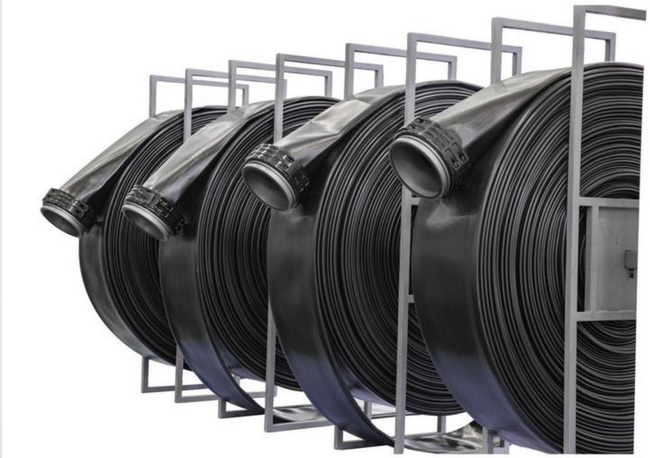
A well-structured air hose storage system helps prevent premature wear, contamination, and operational downtime. When properly stored, hoses last longer, perform better, and ensure consistent air supply for pneumatic tools and industrial equipment. Poor storage, on the other hand, may lead to kinks, leaks, or ruptures, creating potential hazards and expensive replacements.
Continuous exposure to sunlight and UV radiation can cause hose materials to crack and harden. It's recommended to store hoses in shaded or indoor areas, use UV-resistant covers, and avoid prolonged outdoor exposure.
High humidity can corrode fittings and weaken hose materials over time. Keep air hoses in a dry, well-ventilated environment or inside moisture-resistant cabinets or sealed bags to prevent corrosion and mildew.
Extreme heat or cold can compromise hose flexibility. Store hoses at stable room temperatures—ideally between 15°C and 25°C (59°F–77°F)—to prevent expansion, contraction, and cracking.
Dust particles and debris can clog hoses and reduce airflow efficiency. Keep hoses off the ground, cover them when not in use, and consider enclosed cabinets in dusty workshops.
1. Avoid Sharp Bends: Always coil hoses evenly and avoid twisting or pulling at sharp angles.
2. Support Evenly: Use wide hangers or cradles instead of thin wires.
3. Store Clean and Dry: Remove oil, dust, and moisture before coiling.
4. Separate by Type: Keep different hose materials organized and clearly labeled.
5. Inspect Regularly: Check for cuts, bulges, or worn couplings before every use.
Hose reels are among the most efficient solutions for keeping hoses organized and easily accessible.
- Retractable reels automatically rewind hoses with a spring mechanism.
- Hand-crank reels allow manual winding, ideal for areas without power.
- Motor-driven reels are used for heavy-duty hoses where automation improves safety and productivity.
These are perfect for workshops, auto service centers, and manufacturing facilities with frequent hose use.
Portable hose bags are lightweight and convenient for mobile technicians. They keep hoses coiled safely and protect connections from dirt and abrasions. Ideal for short hose lengths and on-site maintenance work.
Wall-mounted and ceiling-mounted hangers save valuable floor space. They suit light and medium-duty hoses and provide quick access. Ensure hangers have smooth surfaces to prevent hose wear.
For environments exposed to sunlight, dust, or moisture, hose cabinets offer the best enclosed protection. These cabinets can be wall-mounted or freestanding and often made of metal for durability. Label each compartment for better organization.
Hose racks help store multiple hoses neatly in coils and prevent tangles. Freestanding or wall-mounted designs allow flexible setup. These racks work especially well for TPU lay flat hoses, supporting neatly layered storage without damaging the flattened structure.
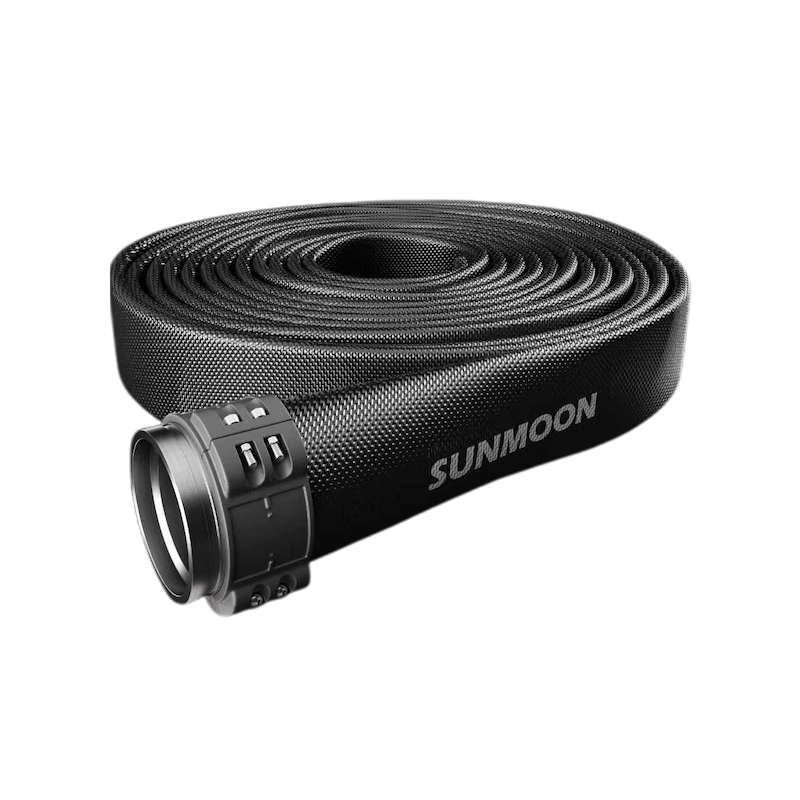
1. Clean and Drain: Flush the hose and remove all residual water or air.
2. Dry Thoroughly: Air-dry both inside and outside to prevent mold and corrosion.
3. Inspect for Damage: Replace hoses with visible cuts, bulging, or loose fittings.
4. Coil Evenly: Avoid tight bends; use the recommended coil diameter.
5. Label and Store: Mark hoses with specifications and inspection dates for easy tracking.
6. Protect from Environment: Store on racks or pallets in dry indoor conditions.
Storage Method | Ideal For | Main Advantages | Drawbacks |
Retractable Reel | Frequent, fixed workstations | Automatic winding, improved safety | Limited hose length |
Hose Bag | Field service and mobile use | Portable, compact, clean storage | Not for long hoses |
Hose Hanger | Small or medium hoses | Low-cost, easy access | Minimal protection |
Hose Cabinet | Harsh or outdoor environments | Dust and UV protection | Requires wall space |
Hose Rack | Lay flat hoses or large coils | High capacity, neat coils | Needs dedicated area |
- Cold Weather: Keep hoses above 0°C (32°F). Avoid pressurizing frozen hoses.
- Hot Weather: Use covers or shade to protect hoses from UV and heat buildup.
- Long-term Storage: Lay hoses flat and rotate coil positions periodically to prevent deformation.
When choosing a storage solution, consider:
- How often the hose is used.
- The working environment (indoor, outdoor, temperature).
- Hose size, flexibility, and pressure requirements.
- Available space for reels, racks, or cabinets.
A well-chosen storage solution simplifies workflow, keeps equipment secure, and reduces maintenance costs.
Enhance your workplace efficiency and protect your equipment with the right air hose storage system. By implementing secure, durable, and professional storage solutions, you can maximize operational uptime and reduce replacement costs.
For custom-engineered TPU lay flat hose storage systems and expert guidance, contact Sunmoon today. Our technical specialists can help you select the optimal hose and storage configuration tailored to your project's unique environment and performance needs.
Use hose reels, hangers, or racks that prevent sharp bends. Keep hoses in cool, dry areas away from sunlight and chemicals.
Yes, as long as the shed is well-ventilated, moisture-free, and shielded from extreme heat or cold.
Between 15°C–25°C (59°F–77°F). Avoid long-term exposure below freezing or above 40°C (104°F).
Not recommended. Sunlight, rain, and dust exposure can degrade materials and fittings over time.
Inspect every 3–6 months for wear, cuts, or corrosion. Replace damaged hoses immediately.


