

Views: 222 Author: Loretta Publish Time: 2025-12-31 Origin: Site


Content Menu
● What Is a Pressure Wash Hose?
● Key Components of a Pressure Wash Hose
>> Inner Tube
>> Outer Cover
● Essential Specifications: Pressure, Temperature, Length, and Diameter
>> Working Pressure and Safety Factor
>> Length
● Pressure Wash Hose Materials: Rubber, PVC, Polyurethane, and TPU
>> Rubber Pressure Washer Hoses
>> PVC Hoses
>> Polyurethane (PU) and Thermoplastic
>> TPU Layflat Hose as a Supply Line
● Pressure Wash Hose vs Garden Hose
● How to Choose the Right Pressure Wash Hose Step by Step
>> Step 1: Check Machine Specifications
>> Step 2: Decide on Hose Length
>> Step 3: Select Inside Diameter
>> Step 5: Confirm Fittings and Connections
● Connectors, Fittings, and System Compatibility
● Maintenance Best Practices for Longer Hose Life
● Common Mistakes to Avoid When Buying a Pressure Wash Hose
● When to Use TPU Layflat Hose in Pressure Washing Systems
● Quick Selection Table: Matching Hose Type to Application
● Specify and Upgrade Your Pressure Wash Hose System
● FAQs About Pressure Wash Hoses
>> FAQ 1: How do I know if a pressure wash hose is compatible with my machine?
>> FAQ 2: Does hose length affect pressure at the nozzle?
>> FAQ 3: Can a garden hose be used in place of a pressure wash hose?
>> FAQ 4: In which situations is TPU layflat hose useful with pressure washers?
>> FAQ 5: What maintenance steps help extend pressure wash hose life?
A pressure wash hose is the critical link between your pressure washer and the surface you are cleaning, and choosing the wrong hose can waste pressure, shorten service life, and create safety risks. For buyers in industrial, commercial, and home-use markets, understanding hose materials, pressure ratings, length, diameter, and coupling types helps you match the hose to your machine and application while avoiding early failure.[1][2][3]
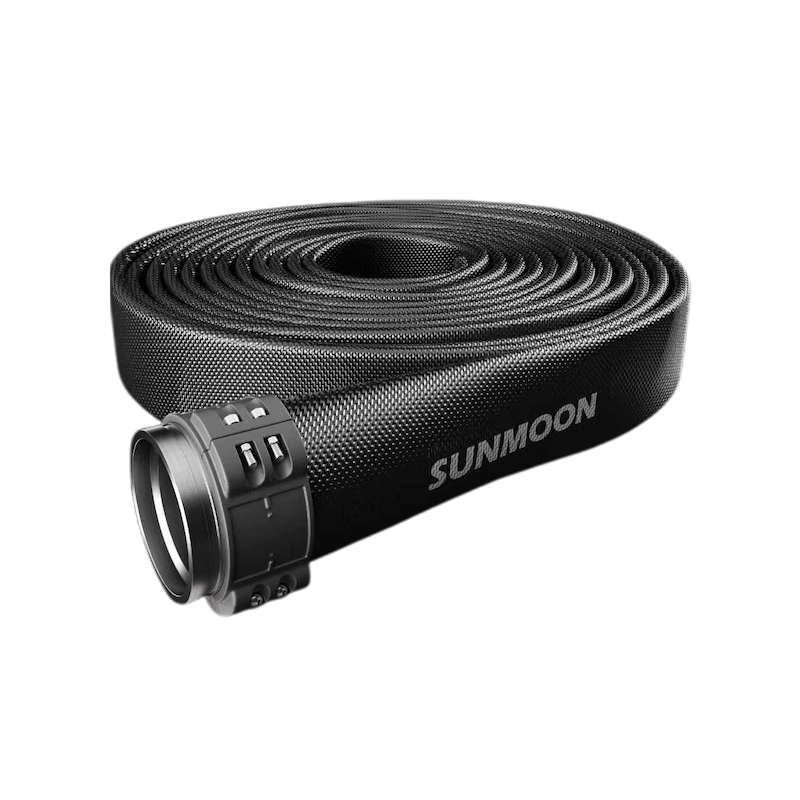
A pressure wash hose is a reinforced high-pressure hose designed to safely carry water and cleaning chemicals from a pressure washer pump to the spray gun at pressures that can exceed 4,000 psi. Unlike garden hoses, pressure washer hoses use specialized inner tubes, steel-wire reinforcement, and abrasion-resistant covers to withstand pressure, temperature, and mechanical abuse.[3][4][1]
- Core function: Maintain stable pressure from the pump to the nozzle for efficient cleaning performance.[3]
- Typical use cases: Building exteriors, vehicle washing, industrial equipment cleaning, agriculture, and municipal cleaning.[4][1]
For projects involving long-distance water transfer or high-volume supply to multiple pressure washers, TPU layflat hose can be used as the supply line feeding the pressure washer system.[5][6]
A modern pressure wash hose is a three-layer engineered product, each layer designed for a specific role.[1][4]
The inner tube is the fluid contact layer that carries water and cleaning chemicals at high pressure.[1]
- Typically made from smooth synthetic rubber or thermoplastics for corrosion and chemical resistance.[7][1]
- Must tolerate the maximum operating temperature of the washer, especially for hot-water systems.[4]
The reinforcement is the structural layer that determines how much pressure the hose can safely handle.[4][1]
- Built from one or more layers of high-tensile steel wire braid or spiral.[3][4]
- More layers of reinforcement generally mean higher working and burst pressure ratings.[3][4]
The cover protects against abrasion, weather, oil, and UV exposure.[7][4]
- Commonly made from synthetic rubber with abrasion-resistant and oil-resistant properties.[7][4]
- Available in multiple colors to help with identification or branding on busy job sites.[1][4]
For long supply lines feeding pressure washers on construction sites or farms, TPU layflat hose combines a woven polyester jacket and extruded polyurethane cover, forming a single, durable construction for high-volume transfer.[6][5]
Selecting a pressure wash hose starts with matching hose specifications to the machine and environment.[2][3]
The working pressure of the hose must be higher than, or at least equal to, the maximum rated pressure of the pressure washer.[2][1]
- Typical working pressure range: 40 bar (580 psi) to 400 bar (5,800 psi) for commercial hoses.[4][1]
- Many professional hoses are designed with a 4:1 safety factor, where the burst pressure is about four times the rated working pressure.[8][4]
Always verify machine rated pressure and the hose's working and burst pressure on the label or datasheet. For high-volume feed lines using TPU layflat hose, working pressures can reach 200 psi or more, depending on hose design and diameter.[9][6][2][3]
Pressure wash hoses must tolerate both water temperature and ambient conditions.[1][4]
- Many hot-water hoses operate from −40°C to 155°C.[4][1]
- Exceeding temperature limits can harden or crack the inner tube, reducing hose life.[7][3]
Hose length affects reach, convenience, and pressure loss.[10][1]
- Common lengths include 20, 40, 50, and 100 m, depending on model and application.[1][4]
- Longer hoses reduce the need to move the machine but can increase friction losses and reduce nozzle pressure.[11][1]
Where longer hoses cause noticeable pressure drop, adjusting machine pressure within safe limits or using larger-diameter hose can help.[11][3]
The inside diameter influences flow rate and pressure stability.[8][11]
- Common IDs: 1/4", 5/16", 3/8", 1/2", 3/4", 1", 1‑1/4", 1‑1/2", 2".[8][4]
- Smaller ID is lighter and more flexible, while larger ID supports higher flow for industrial machines.[3][4]
For supply lines using TPU layflat hose, larger diameters support long-distance, high-volume water delivery to multiple pressure washers or cleaning rigs.[5][6]
Material choice affects flexibility, durability, weight, and cost.[7][3]
Rubber is widely used in demanding cleaning work.[7]
- Pros: High pressure rating, good flexibility, strong abrasion resistance.[3][7]
- Cons: Heavier and usually more expensive than lighter thermoplastic hoses.[7]
PVC hoses often come with entry-level equipment.[7]
- Pros: Low cost and adequate for occasional household tasks.[12][7]
- Cons: Less flexible, more prone to kinking, and lower temperature and pressure capability.[8][7]
Polyurethane and related thermoplastic hoses balance performance and weight.[3][7]
- Pros: Light and flexible, often non-marking, suitable for mobile cleaning and detailing.[13][7]
- Cons: Require careful handling at very high temperatures or on harsh surfaces.[7]
TPU layflat hose is suited to use as a high-pressure supply hose rather than as the spray gun hose.[6][5]
- Constructed from high-tenacity polyester reinforcement embedded in extruded polyurethane.[5][6]
- Provides high working pressure, abrasion resistance, and long-distance deployment for water transfer.[9][5]
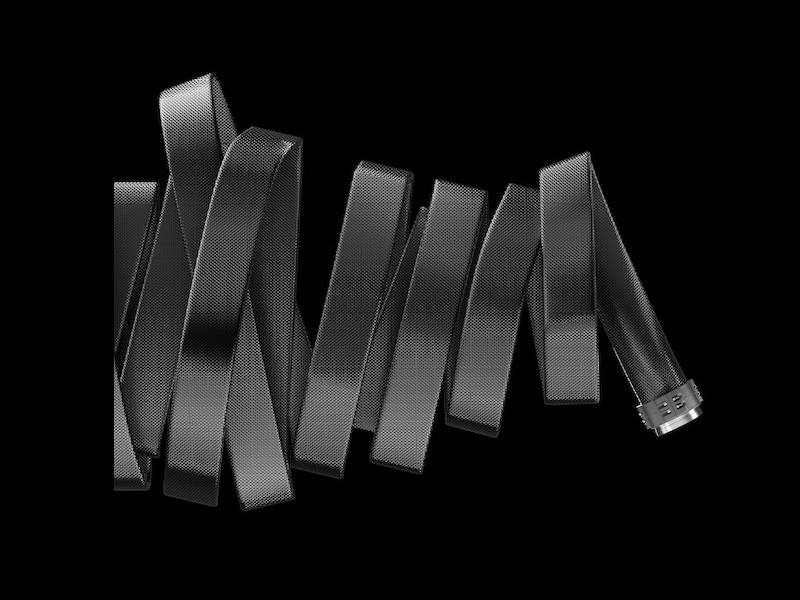
Pressure wash hoses differ significantly from garden hoses in construction and operating limits.[8][1]
Feature | Pressure Wash Hose | Garden Hose |
Typical material | Synthetic rubber or thermoplastic with steel-wire reinforcement | PVC or simple flexible plastic |
Working pressure | Up to around 400 bar (5,800 psi) or higher | Low pressure, generally only a few bar |
Safety factor | Often 4:1 for professional products | Often around 3:1 or less |
Temperature resistance | Can handle hot water and chemicals | Usually limited to cold water |
Reinforcement | Steel wire or high-strength fiber layers | Minimal high-pressure reinforcement |
Using a garden hose where a pressure wash hose is required can lead to hose rupture and injury.[8][1]
A clear sequence helps in selecting an appropriate hose.[2][3]
Confirm maximum operating pressure and flow rate from the rating plate or documentation. The hose working pressure must meet or exceed the machine rating, including any safety margin recommended by the manufacturer.[2][3][1]
Choose the shortest length that still provides access to all cleaning areas. For large sites, slightly longer hoses and, if needed, larger diameters can reduce friction losses.[10][11][8][1]
Match hose ID to machine flow and typical work. Smaller IDs are lighter and easier to manage, while larger IDs support higher flow for more powerful machines and long hose runs.[11][3][4]
Rubber suits frequent, heavy-duty use; PVC or light thermoplastic suits infrequent household use; TPU layflat is advantageous for long-distance supply lines serving one or more washers from remote water sources.[12][6][5][7]
Check that both ends of the hose use fittings compatible with the machine and gun. Thread type, quick-connect style, and any adapters must match the original equipment specification.[12][4][8]
A decision-flow chart can be placed in this section to guide readers from machine specifications through hose length, diameter, and material to an appropriate choice.
Correct connectors are essential for a secure system.[4][8]
- Common options include threaded fittings, quick-connect couplers, and brand-specific designs.[8][4]
- Incorrect connectors may cause leaks, hose ejection, or excessive wear at joints.[12][8]
When using TPU layflat hoses as supply lines, camlock couplings or flanged fittings usually connect the layflat hose to pumps, manifolds, or rigid pipes.[9][5]
Consistent maintenance extends hose life and improves safety.[12][1]
- Inspect regularly for cuts, bulges, exposed reinforcement, and damaged fittings.[12][3]
- Avoid sharp bends and kinks, especially near fittings.[7][8]
- Store hoses coiled without tight twists and away from direct sun or chemicals.[12][7]
For TPU layflat supply hoses, draining and rolling them flat onto reels or coils helps prevent creasing and protects the cover. A simple maintenance checklist graphic fits naturally in this section.[5][9]
Avoiding a few common errors can prevent downtime.[3][7]
- Selecting a hose with lower pressure rating than the machine output.[2][3]
- Choosing an unsuitable diameter that causes pressure loss or handling issues.[11][8]
- Ignoring temperature limits when using hot water.[4][1]
- Using a general-purpose water hose instead of a dedicated pressure wash hose.[8][1]
TPU layflat hose contributes to pressure washing systems as a high-performance supply line.[6][5]
- Suitable for long-distance, high-volume water delivery from tanks, rivers, or hydrants.[9][5]
- Combines low weight, high pressure capability, and abrasion resistance, especially on demanding terrain.[6][5]
In integrated systems, a TPU layflat hose serves as the main supply line feeding one or more pressure washers that connect to standard pressure wash hoses at the user end. A system layout diagram can clarify the relationship between water source, pump, layflat hose, manifold, and washers.[5][6]
Application | Recommended Hose Type | Typical Length | Notes |
Home patio and car washing | PVC or light thermoplastic pressure wash hose | 10–20 m | Suitable for occasional household use |
Professional mobile detailing | Flexible rubber or PU non-marking hose | 15–30 m | Lightweight and easy to handle around vehicles |
Construction and industrial cleaning | Heavy-duty rubber hose with steel-wire reinforcement | 30–50 m | High pressure and abrasion resistance |
Agriculture and farm yards | Rubber or thermoplastic hose plus TPU layflat supply lines | 30–100 m | Long reach with robust performance on rough ground |
Large sites with remote water source | TPU layflat supply hose plus standard pressure wash hose | 100–200+ m supply plus 20–50 m gun hose | Supports multi-machine setups with long-distance water transfer |
A table-based layout in this section improves scanability and supports quick application matching.
For projects that demand reliable cleaning performance, longer hose life, and efficient water delivery, a carefully specified pressure wash hose and, where necessary, TPU layflat supply hose can provide a strong foundation. Engineering-driven manufacturers can assist with selecting hose diameters, pressure ratings, lengths, and coupling configurations tailored to individual pressure washer systems and site layouts.[5][6][1]
To upgrade existing equipment or design a new integrated setup, prepare basic information such as machine pressure, flow rate, desired hose length, and operating environment, then request a detailed engineering recommendation so that the hose system matches performance and durability requirements.[6][5]
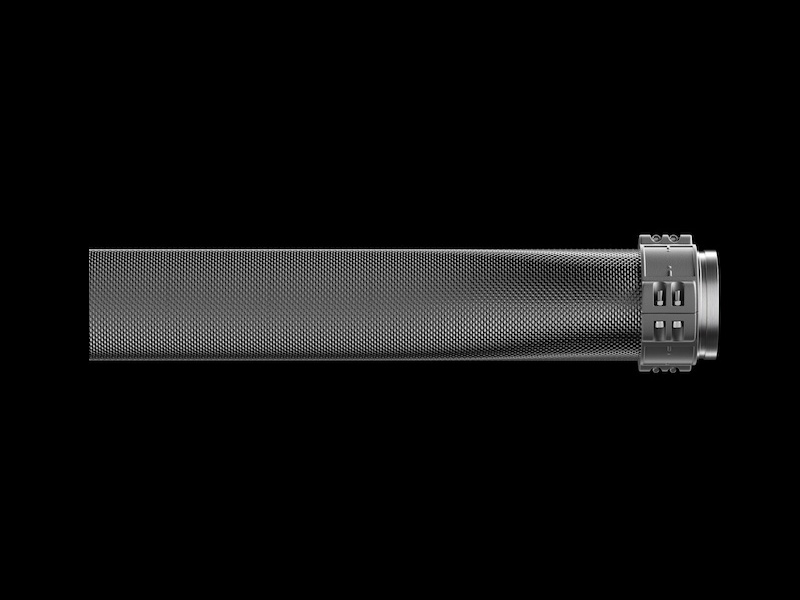
Compatibility is determined by comparing the hose working pressure and temperature rating with the machine's maximum pressure and water temperature. Fitting types and thread standards must also match the machine and spray gun, and this information is normally provided in the equipment documentation.[2][1][4][8]
Hose length affects friction losses inside the hose and therefore can reduce pressure at the nozzle, especially with longer runs and smaller diameters. When longer hoses are required, choosing slightly larger diameter hose or a higher-performance design can help maintain adequate pressure at the cleaning surface.[11][1][3]
A garden hose does not have the reinforcement or safety margin needed for high-pressure equipment and can fail suddenly under pressure. Dedicated pressure wash hoses are built with appropriate materials and safety factors and should always be used for high-pressure cleaning systems.[1][3][4][8]
TPU layflat hose is useful as a supply line for long-distance water transfer from tanks, rivers, or hydrants to pressure washers operating at remote points on a site. It is particularly effective in agriculture, mining, construction, and similar applications where lightweight, high-pressure, and abrasion-resistant supply hoses are required.[9][5][6]
Hose life is extended by regular visual inspection, avoiding kinks and sharp bends, keeping hoses away from sharp edges, and storing them correctly when not in use. Replacing hoses that show signs of bulging, cuts, exposed reinforcement, or fitting damage reduces the risk of unexpected failures during operation.[12][3][8]
[1](https://www.strongflex.com/buying-guide-for-pressure-wash-hose/)
[2](https://morelandhose.com/how-to-choose-a-pressure-washer-hose/)
[3](https://blog.kleen-ritecorp.com/a-comprehensive-pressure-washer-hose-guide-for-professionals/)
[4](https://www.strongflex.com/project/pressure-washer-hose/)
[5](https://www.sunmoonpipe.com/tpu-layflat-hose/)
[6](https://www.sunmoonhose.net/tpu-layflat-hose/)
[7](https://pressurekinginc.com/blog/pressure-washer-hose-buyers-guide/)
[8](https://www.northerntool.com/buyers-guide-pressure-washer-hoses)
[9](https://global.tpulayflatpipe.com/allproduct/pvc-high-pressure-layflat-hose/)
[10](https://revivepowerwash.com/5-important-factors-to-consider-when-buying-a-pressure-washer-hose/)
[11](https://thebluehose.com/blogs/news/pressure-washer-hoses-buying-guide-2024)
[12](https://spraywell.com/blog/replacement-pressure-washer-hoses-what-to-know/)
[13](https://www.reddit.com/r/AutoDetailing/comments/1bizqt0/pressure_washer_hose_recommendations/)


