

Views: 222 Author: Loretta Publish Time: 2025-12-29 Origin: Site


Content Menu
● Understanding the Purpose of Fuel and Oil Hoses
● Material Composition and Engineering Differences
● Why Using Fuel Hose for Oil Is a Risky Shortcut
>> Chemical Softening and Swelling
>> Fire and Environmental Safety
● The Performance Science Behind Oil Hose Design
>> Resistance to Oxidation and Permeation
● TPU Layflat Oil Hose: The Next-Generation Solution
>> Engineering Characteristics
● Industrial Uses for TPU Oil Hose
● Selecting the Right Oil Hose for Your Application
● Maintenance and Service Life of Oil Hoses
● Practical Advice: When Fuel Hose Might Be Acceptable
● FAQ
>> 1. Can a fuel hose safely replace an oil hose?
>> 2. What happens if I use the wrong hose for oil?
>> 3. Why choose TPU layflat hose for oil applications?
>> 4. What is the best way to determine oil hose compatibility?
>> 5. Are all oil hoses suitable for both oil and fuel?
Fuel hoses and oil hoses might appear similar at first glance—both are used to transport petroleum-based fluids, and both often look like reinforced rubber or TPU tubing. However, under the surface, they serve very distinct functions. The question “Can fuel hose be used for oil?” may sound simple, but it involves considerations of material science, fluid compatibility, temperature, pressure, and safety.
This article explores that question in depth, explaining the differences between the two types of hoses, the materials involved, the risks of interchanging them, and the advantages of using professional-grade oil hose products such as TPU layflat oil hoses from Sunmoon—an engineering-driven global manufacturer known for precision-designed flexible hose solutions.
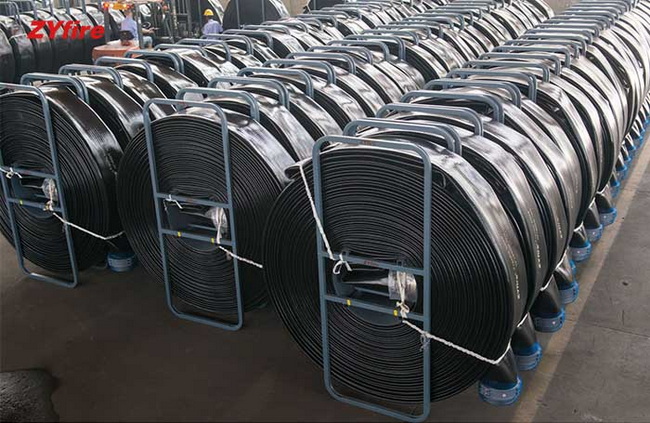
Fuel and oil hoses are both critical in engines, hydraulic systems, and industrial operations, yet they operate under different thermal and chemical circumstances. A fuel hose typically transfers gasoline, diesel, and ethanol-blended fuels under moderate pressures and variable vapor conditions. It must resist the chemical effects of fuels that can evaporate or expand rapidly, particularly in automotive or marine systems.
In contrast, an oil hose transports lubricating oil, engine oil, hydraulic oil, or even crude or synthetic oil mixes. These fluids are usually denser, more viscous, and often much hotter than fuel. They require a hose with materials and reinforcement capable of resisting both temperature and chemical degradation over long periods.
The misconception that any petroleum-resistant hose can do both jobs can lead to premature hose failure, system contamination, or even safety hazards. Hence, selecting the correct oil hose is not just a technical preference—it's a safety requirement.
The core distinction lies in chemical compatibility and mechanical engineering. A fuel hose may be made with nitrile rubber (NBR), which is resistant to fuel hydrocarbons and aromatic compounds but begins to degrade more quickly when exposed to hot oil over time. Meanwhile, an oil hose might use higher-grade compounds such as neoprene, fluorocarbon, or polyurethane that maintain flexibility and structural integrity at elevated temperatures.
Most modern hoses, especially high-performance oil hoses, are multi-layered systems:
- Inner tube: This is the fluid contact layer that determines compatibility. For oil hoses, the inner tube resists oxidation and swelling when in continuous contact with hot mineral or synthetic oils.
- Reinforcement: Steel wire braids or high-tenacity polyester textiles add pressure resistance and fatigue strength, allowing oil hoses to handle pulsations and surges in hydraulic systems.
- Outer cover: Designed for environmental exposure, it protects against abrasion, UV radiation, weather, and in some cases, flame. TPU hoses commonly outperform rubber in abrasion resistance, making them ideal for demanding outdoor operations.
By contrast, many standard fuel hoses do not have these specialized combinations because their working environment—although chemically aggressive—is typically cooler and lower in pressure than industrial oil transfer systems.
Attempting to use a fuel hose as an oil hose might seem harmless in low-pressure applications. However, this shortcut can lead to mechanical and chemical problems that aren't immediately visible.
Fuel hose materials are primarily formulated to resist aromatic hydrocarbons like those in fuel, not the heavier hydrocarbons and additives in oil. After sustained oil exposure, the hose lining can absorb the fluid, softening and expanding until cracks appear.
Oil environments commonly run hotter—engine oil may reach 120 °C or higher during operation, while hydraulic systems can see continuous service temperatures around 100 °C. Most standard fuel hoses aren't rated for these temperatures.
Oil flow circuits often pulsate under high pressures. A hose under-spec'd for such conditions can bubble, rupture, or burst under cyclical stress, particularly if its reinforcement is optimized for lower fuel-system pressures.
A failed oil hose can spray pressurized oil onto hot parts, posing a severe fire hazard. Even without ignition, an oil spill can contaminate soil or water, causing environmental and financial liabilities.
These risks highlight why a properly engineered oil hose is essential whenever oil is part of the fluid system.
High-quality oil hoses are designed not just to carry fluid, but to manage stress, heat, and chemical aging systematically. Engineering factors include:
Oil contains reactive components that can attack rubber over time. Therefore, premium oil hose inner linings are treated or selected for oxidation resistance, keeping the hose from hardening or developing internal scaling that restricts flow.
A good oil hose remains flexible even after thousands of temperature cycles. TPU and nitrile-blended tubes ensure minimal stiffening or cracking, enhancing service life and installation ease.
Industrial oil hoses, particularly in the energy or marine sector, feature woven reinforcement layers that maintain internal pressure while allowing controlled flexibility. This characteristic helps avoid kinking—an especially significant advantage of TPU layflat design.
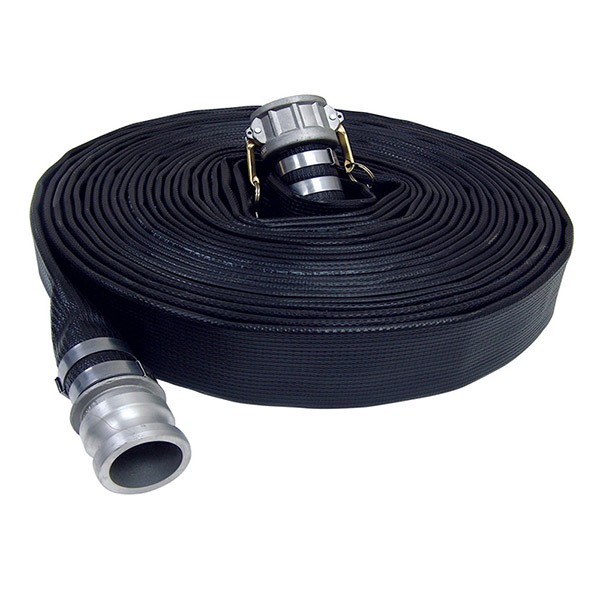
Among modern hose technologies, TPU layflat hose stands out as a versatile and durable solution. Sunmoon's TPU layflat oil hose demonstrates how precision polymer science can drastically improve operational performance in oil and fuel applications.
- Thermoplastic polyurethane (TPU): TPU balances flexibility and tensile strength. Its molecular structure resists hydrolysis, oil swelling, and abrasion, making it especially suited for petroleum transfer and hydraulic support.
- Reinforcement layer: High-strength polyester or polyamide fibers are embedded seamlessly, enabling the hose to endure internal pressures exceeding typical rubber constructions.
- Field handling: Because the hose lies flat when not pressurized, it's light, easy to transport, and simple to coil. This design decreases logistic effort in field deployments like oilfields, refineries, and construction zones.
- Wide fluid compatibility: Suitable for crude oil, hydraulic oil, and fuel-oil blends, TPU layflat oil hose reduces the need for multiple hose inventories.
- Minimal maintenance: The smooth inner wall provides low fluid friction and self-cleaning capabilities, extending service intervals.
- Environmental durability: TPU's high abrasion resistance and UV stability make it reliable for prolonged outdoor use, where rubber hoses often degrade faster.
TPU layflat oil hoses find global use in multiple energy and industrial environments, combining flexibility, lightness, and chemical toughness.
- Oil and gas industry: Deployed for crude transfer, produced water, and chemical injection lines.
- Marine and offshore systems: Used in fuel or oil loading lines that require antistatic capabilities.
- Agriculture and heavy equipment maintenance: As portable oil hose systems for diesel and lubricating oil supply.
- Mining and remote infrastructure: Ideal for fuel and oil distribution networks across rough terrain.
Sunmoon's engineering-oriented production ensures each hose meets strict international quality and performance standards, suitable for both OEM installations and replacement markets.
Choosing the correct hose is crucial for both performance and compliance. When specifying an oil hose, consider the following criteria:
1. Fluid compatibility: Match the hose to the medium — mineral oils, synthetic lubricants, bio-oils, or mixed hydrocarbons require compatible inner linings.
2. Pressure rating: The working and burst pressure must exceed system demands. Always verify specifications relative to expected surge pressures.
3. Temperature range: Confirm that the oil hose remains stable over the full operational temperature envelope. TPU layflat variants generally tolerate a range from approximately −46 °C to 80 °C, depending on model.
4. Environmental exposure: Select covers resistant to UV, abrasion, and chemicals common at the site.
5. Certification needs: For aviation, marine, or oil and gas use, hoses must meet ISO, SAE, or API standards to ensure safety compliance.
Making these checks during design or procurement can prevent costly maintenance and downtime later.
Proper maintenance further extends the reliability of an oil hose system.
- Daily visual checks: Look for blistering, abrasion, cuts, or any sign of oil leakage.
- Monthly functional checks: Bend and flex the hose under pressure to detect stiffness or internal delamination.
- Annual burst testing: For critical systems, apply pressure testing or fluid compatibility verification according to manufacturer recommendations.
- Store hoses away from direct sunlight and heat sources.
- Drain residual oil before long-term storage to prevent oxidation inside the tube.
- Avoid bending tighter than the hose's minimum bend radius.
Regular care maintains both performance efficiency and the extended service life that engineered oil hoses are designed for.
While specialized oil hoses are always safer, there are rare exceptions where certain dual-rated hoses may function temporarily as both fuel and oil lines. These exceptions apply only when:
- The hose manufacturer explicitly lists both oil and fuel compatibility in its technical sheet.
- The system operates below 80 °C and stays within moderate pressure ranges.
- The hose is regularly inspected for leaked oil or wall softening.
Even then, for long-term or critical systems, replacement with a properly rated oil hose is strongly recommended.
Using a fuel hose in place of an oil hose might seem like a convenient fix, but it introduces significant risks related to chemical incompatibility, high temperature, and mechanical fatigue. Over time, the consequences can include hose failure, equipment damage, leaks, and safety hazards.
The smarter, safer approach is to use a dedicated oil hose that matches your specific fluid and service environment. With modern materials and precise engineering, TPU layflat oil hoses from Sunmoon deliver superior performance—resisting oil, abrasion, and environmental stress while offering excellent handling and long life. These advantages make them indispensable for sustainable, efficient operations across industries.
By making informed hose selections and adhering to maintenance standards, maintenance specialists and engineers can ensure operational reliability, reduce downtime, and maintain a clean, safe work environment for all fluid transfer applications.

Not typically. Fuel hoses are formulated for fuels like gasoline or diesel but may not handle hot oil well. Using a fuel hose in oil systems risks swelling, degradation, and leaks. Only choose a dual-rated hose specifically tested for both fluids under the required operating conditions.
Improper hoses can soften or crack after exposure to oil, leading to leakage or catastrophic failure. This can damage machinery, cause contamination, or even pose fire risks. Always refer to the hose's technical and chemical resistance data before installation.
TPU layflat hoses combine flexibility, high-strength reinforcement, and superior oil resistance. They weigh less than traditional rubber hoses, are easier to deploy and store, and perform reliably under high pressure and thermal stress, making them ideal for oil and gas, marine, and industrial work.
Check the product's datasheet for approved media lists, pressure limits, and thermal ratings. Consulting a reputable manufacturer like Sunmoon ensures you select the right oil hose with verified chemical and mechanical resistance for your exact application.
No. Some oil hoses are designed primarily for lubricating or hydraulic oils and may not resist gasoline, especially aromatic or ethanol-blended fuels. Always confirm media compatibility before use to prevent deterioration or hazardous leaks.


