

Views: 222 Author: Loretta Publish Time: 2025-12-29 Origin: Site


Content Menu
● Understanding the Difference: Heater Hose vs. Oil Hose
● Why Heater Hose Fails When Used with Oil
● Oil Hose Standards and Classifications
● Advantages of TPU Layflat Oil Hose
● Engineering and Material Science Behind Oil Hose Design
● Why Using the Right Oil Hose Matters
● Common Applications of Oil Hose
● Sunmoon's Engineering Approach to Premium TPU Layflat Oil Hose
● Guidelines for Correct Hose Selection
● Practical Signs of Hose Incompatibility
● Industry Case Studies and Best Practices
● FAQ
>> 1. Is it ever safe to use heater hose for oil?
>> 2. What materials make up the best oil hose?
>> 3. Why is TPU layflat oil hose preferred in heavy industry?
>> 4. What standards define oil hose quality?
>> 5. How can I confirm a hose is oil-resistant?
Using a standard automotive heater hose to transport oil is generally not recommended, because most heater hoses are made from EPDM rubber, a material that is not resistant to petroleum-based fluids. When exposed to oil, EPDM compounds rapidly swell, soften, and eventually fail. Instead of heater hose, engineers and technicians should always use a dedicated oil hose—especially modern TPU layflat oil hose—that can safely handle petroleum products under pressure and temperature variations.
Although both heater hose and oil hose might look similar externally, they are fundamentally different in design, material, and function. Heater hoses are meant for hot coolant circulation between the engine and heater core in automotive cooling systems. They typically operate under moderate pressure—often below 20 psi—and carry mixtures of water and glycol.
Oil hose, on the other hand, must safely convey petroleum oils, fuels, and other hydrocarbon-based fluids. These oils have a highly different chemical structure from water-based coolant. As a result, they can attack EPDM, the main compound used in heater hoses. Oil hoses are designed with compounds like nitrile (NBR), fluorocarbon (FKM), or thermoplastic polyurethane (TPU) that resist oil swelling and chemical degradation.
Key distinctions:
- Material composition: Heater hoses are EPDM-based; oil hoses use nitrile, fluorocarbon, or TPU compounds that resist oil and fuel.
- Operating fluids: Heater hoses handle coolant; oil hoses handle petroleum products.
- Pressure/temperature: Oil hoses are built for higher pressure and broader temperature ranges.
- Standards compliance: Oil hoses must meet specific certifications such as SAE J30 for hydrocarbon service.
EPDM rubber is formulated to resist water, antifreeze, and steam—but not hydrocarbons. Oil exposure causes EPDM to absorb the solvent-like components of oil, leading to:
- Rapid swelling and softening.
- Loss of tensile strength and flexibility.
- Surface cracking or bubbling.
- Eventual rupture under pressure.
A heater hose carrying oil may initially appear intact, but degradation often begins internally and progresses quickly. Within days or weeks of oil contact, the hose can lose integrity, leading to leaks, contamination, or even fire hazards. The cost of a premature failure—both in equipment damage and downtime—can far exceed the small saving gained from using the wrong hose.
By comparison, an oil hose is tested specifically for chemical compatibility and retains its form, elasticity, and strength after thousands of hours of exposure to petroleum fluids.
To ensure safety and reliability, oil hoses are governed by standards such as SAE J30, which classifies hoses according to pressure ratings, temperature limits, and resistance to oil and fuel. Each class of hose must endure a set of laboratory tests, including:
- Resistance to bursting after prolonged oil immersion.
- Aging in fuel and oil simulants.
- Dimensional stability after exposure to hydrocarbons.
- Ozone and heat resistance.
These rigorous tests guarantee that oil hoses are capable of handling modern formulations of lubricants, biofuels, and synthetic oils used in automotive and industrial environments. For industrial-scale oil transportation, hose manufacturers must also comply with ISO and API standards that govern oil handling safety and environmental protection.
A TPU layflat oil hose represents the latest technological advancement in hose engineering, combining flexibility, oil resistance, and high tensile strength in a compact form. TPU, or thermoplastic polyurethane, is inherently resistant to hydrocarbon absorption and retains its integrity even after continuous exposure to fuel and oil blends.
Key advantages include:
- Superior chemical resistance: TPU resists crude oil, lubricants, and fuel without softening.
- High pressure and tensile strength: Multi-layer extrusion and reinforcement produce exceptional burst pressures.
- Longevity and weatherability: TPU withstands UV, ozone, and abrasion better than traditional rubber compounds.
- Lightweight deployability: A TPU layflat oil hose can be rolled, transported, and deployed quickly, making it ideal for field use.
- Environmental resilience: TPU hoses function reliably in extreme temperatures, whether in desert heat or Arctic cold.
Applications extend from oil transfer lines, offshore rigs, and refinery loading stations, to hydraulic return lines and mining operations. The hose's tight structure prevents leakage, contamination, and premature wear, promoting both safety and sustainability.
Oil hose performance depends not just on the inner tube material but also on structural engineering. Most modern oil hoses have a three-layer composition:
1. Inner tube: Made of oil-resistant materials such as NBR or TPU; this layer directly contacts the fluid.
2. Reinforcement layer: High-tensile synthetic fibers or steel wire braids maintain pressure integrity.
3. Outer cover: A protective layer resistant to abrasion, ozone, and UV exposure.
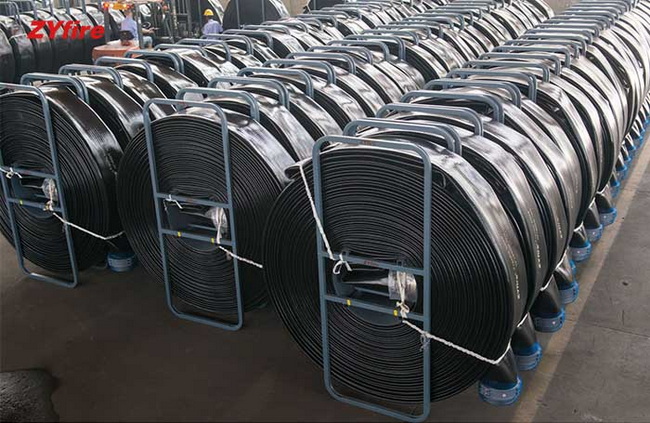
Each layer plays a critical role. The tube prevents oil seepage, the reinforcement handles pressure, and the outer cover withstands environmental wear. TPU layflat hose integrates these elements into a seamless thermoplastic structure that simplifies design, reduces weight, and improves reliability over long distances.
Using an improper hose is one of the leading causes of fluid-system failure. In hydraulic, lubrication, or fuel systems, leaks can lead to significant environmental hazards and safety risks. Proper oil hose selection provides several benefits:
- Enhanced operator safety through prevention of bursts and leaks.
- Extended equipment life by ensuring clean, uncontaminated oil flow.
- Reduced maintenance cost due to fewer replacements and downtimes.
- Regulatory compliance for on-site environmental and safety inspections.
In contrast, substituting oil hose with heater hose might lead to mechanical failures that are not immediately visible until catastrophic damage occurs—sometimes taking down entire equipment or production systems.
The oil hose is indispensable in industries where petroleum or lubrication fluids are transported, including:
- Automotive: Oil cooler lines, power steering return, fuel vapor systems, and transmission fluid circulation.
- Industrial: Hydraulic drives, lubrication systems, and compressor oil returns.
- Energy/oilfield: Crude transport, wellhead injection lines, and petrochemical plant connections.
- Marine: Bilge oil transfer and hydraulic steering systems.
- Agriculture and mining: Heavy machinery hydraulic systems exposed to dust and heat.
In each of these use cases, only a properly certified oil hose ensures durability under chemical and mechanical stress.
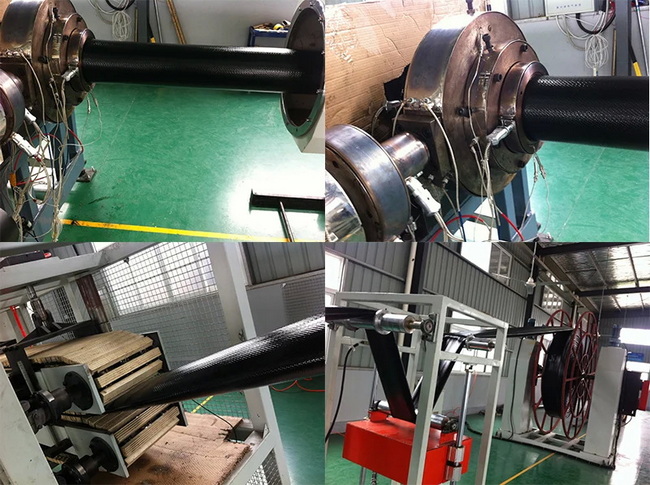
As a TPU hose engineering manufacturer, Sunmoon integrates research, production, and testing to produce high-performance layflat oil hose for global clients. Through advanced extrusion technology and precision quality control, every hose exhibits consistent thickness, mechanical strength, and oil resistance.
Key engineering features:
- Customized TPU formulations for various oil types and temperature extremes.
- Continuous extrusion technology minimizing weak seams.
- Tightly woven reinforcement maintaining burst pressure under dynamic stress.
- High abrasion-resistant surface ensuring longevity in rough field conditions.
Sunmoon's TPU layflat oil hoses are widely used in long-distance oil transfer, offshore energy, and municipal water systems requiring oil resistance. The company's commitment to R&D allows adaptation to new-generation fuels and environmentally friendly fluids.
When selecting a hose for oil applications, one should always consult engineering specifications to match the environment, medium, and load:
1. Identify the medium: Whether it's hydraulic oil, crude oil, diesel, or synthetic lubricants—each fluid has unique compatibility requirements.
2. Define working conditions: Calculate pressure, burst pressure, and operating temperature ranges.
3. Verify chemical compatibility: Review material data sheets or chemical resistance charts for oil hose compounds.
4. Ensure regulatory compliance: Choose hoses marked with standards like SAE J30, ISO 6810, or API specifications.
5. Plan for durability: Consider mechanical wear, UV exposure, flexibility needs, and installation cycles. TPU layflat oil hose often provides the best balance across all parameters.
Early warning signs that a heater hose is failing in oil service include:
- Soft, spongy feel or blisters on the surface.
- Visible swelling or expansion at bends or fittings.
- Oil seepage or darkening of the outer surface.
- Odor of degraded rubber.
- Reduced flow due to hose delamination or collapse.
Any of these indicators suggest imminent failure and the hose must be replaced immediately with a certified oil hose. Preventive inspection schedules should always include temperature checks and material condition assessments.
In several field operations—ranging from automotive repair garages to offshore platforms—misuse of heater hoses as oil hoses has led to premature equipment failures. A notable case involved a marine hydraulic steering system where radiator hose was substituted for oil hose; within weeks, the hose swelled and burst, dumping hydraulic oil into the bilge.
Conversely, where TPU layflat oil hose was installed for oil-transfer operations in mining zones, operators reported over five years of continuous, leak-free service with minimal maintenance. These real-world comparisons demonstrate the long-term value of selecting proper oil hose products instead of using ill-suited substitutes.
Heater hose and oil hose serve completely different functions. The former carries coolant, while the latter transports petroleum fluids. Using heater hose for oil causes softening, bloating, and eventual rupture due to chemical incompatibility. No quick fix—such as thicker walls or reinforced EPDM—can compensate for this fundamental material mismatch.
An oil hose, particularly TPU layflat oil hose, ensures chemical stability, pressure endurance, and extended service life. It meets critical standards like SAE J30, preventing costly system failures and ensuring safety, efficiency, and reliability in any operation involving hydrocarbons. Always specify a dedicated oil hose designed for your working medium, temperature range, and environmental exposure.
No. Heater hose is made of EPDM rubber, which degrades rapidly in oil exposure. Even if used temporarily, it can swell or rupture, creating leak and fire risks. Always use proper oil hose built for petroleum service.
Oil hoses typically use nitrile (NBR), fluorocarbon (FKM), or thermoplastic polyurethane (TPU) for their inner tubes. These materials maintain flexibility, dimensional stability, and resistance to chemical swelling when continuously exposed to oil and fuel.
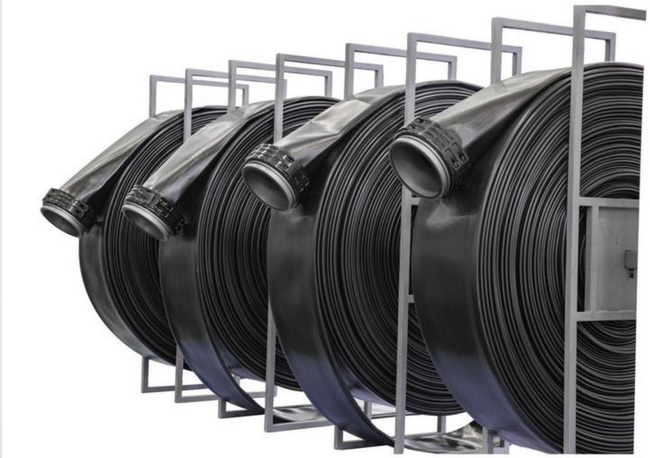
TPU offers unmatched oil and weather resistance, high tensile strength, and fast deployment due to its flexible yet tough structure. It's ideal for long-distance oil transfer, energy sectors, and operations where quick reel-in/reel-out handling matters.
The SAE J30 specification is the most recognized automotive standard for oil hose performance. It outlines fuel and oil resistance, pressure ratings, and temperature suitabilities. Industrial and marine systems may also refer to ISO or API equivalents for compliance.
Check printed markings for “oil hose”, “fuel hose”, or “SAE J30” along with pressure and temperature ratings. If the hose only mentions coolant or heater use, it's not safe for oil. Always verify with the manufacturer's chemical compatibility data before use.


