

Views: 222 Author: Loretta Publish Time: 2025-12-31 Origin: Site


Content Menu
● Understanding Chemical Hoses
● Key Components and Safety Functions
>> Inner Tube and Medium Compatibility
>> Reinforcement Layer and Pressure Resistance
>> Outer Cover and Environmental Protection
● Major Types of Chemical Hoses
● Safety-Critical Performance Characteristics
>> Chemical Resistance and Barrier Properties
>> Mechanical Strength, Pressure, and Temperature Range
>> Sealing Integrity and Anti-Static Behavior
● Typical Industrial Applications
● Daily Inspection and Maintenance Practices
>> Pre-Use Inspection Checklist
>> Cleaning and Storage After Use
● Frequent Safety Mistakes to Avoid
● Selection Criteria for Safer Chemical Hoses
>> Technical Data to Clarify Before Purchasing
>> Benefits of Working with Professional Manufacturers
● Recognizing When a Hose Must Be Replaced
● Take the Next Step to Improve Hose Safety
● Frequently Asked Questions (FAQs)
>> 1. How often should chemical hoses be inspected?
>> 2. Can one chemical hose be used for different chemicals?
>> 3. Why is anti-static performance important?
>> 4. What advantages do UHMWPE-lined hoses offer?
>> 5. How are food-contact chemical hoses different?
Chemical hose safety depends on the right product selection, correct installation, and disciplined inspection and maintenance throughout the hose's service life. This optimized guide is structured for engineers, safety managers, and industrial buyers who need clear, actionable steps and a logically organized reference.
Chemical hoses are flexible assemblies used to convey aggressive liquids, gases, or vapors such as acids, alkalis, and solvents under defined temperature and pressure conditions. Compared with general-purpose hoses, they rely on specialized materials and designs to control corrosion, permeation, and leak risks.
- Used in transfer, loading and unloading, and process connections in plants and terminals.
- Applied in chemical production, storage, transportation, and auxiliary industrial processes.
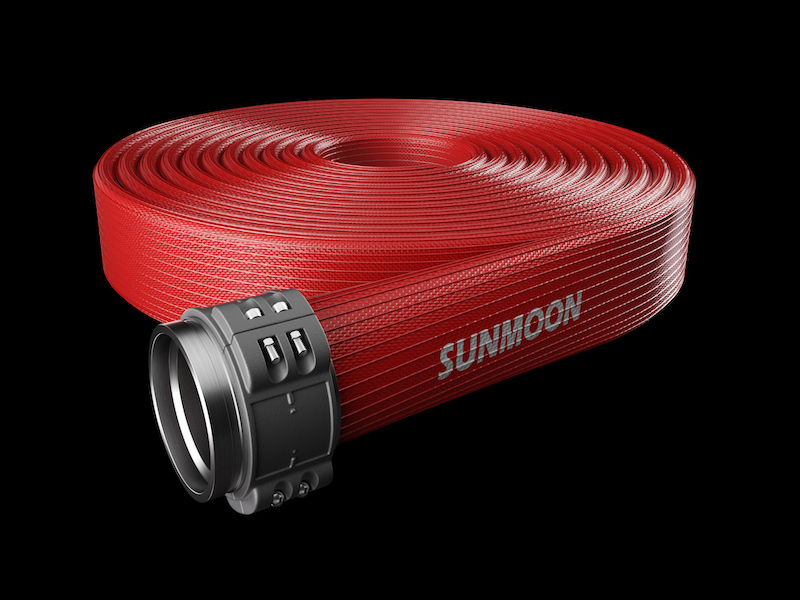
The inner tube is the layer that directly contacts the fluid, so its material must match the chemical medium and operating temperature. Common choices include UHMWPE or EPDM, both engineered for high corrosion resistance and stable performance.
- Smooth, light-colored linings make contamination, wear, and deposits easier to see during inspection.
- Correct matching with compatibility data helps prevent swelling, cracking, softening, or leaching that can cause failures.
The reinforcement layer provides the mechanical strength that allows the hose to withstand working and surge pressures without bursting. Multi-layer synthetic fabric, sometimes combined with spiral steel wire, is often used for suction and higher-pressure duty.
- Proper reinforcement design helps prevent bursting, kinking, and collapse under negative pressure.
- Observing rated working pressure and safety margins is critical to safe operation.
The outer cover protects the hose from the external environment and mechanical damage. It is usually made from synthetic rubber or EPDM with properties such as weather resistance, abrasion resistance, ozone resistance, aging resistance, and anti-static performance.
- A robust cover shields inner layers from UV, abrasion, and splash chemicals.
- Color coding (such as blue or green) can help identify service type and reduce operational error.
Different materials provide distinct performance envelopes, especially regarding temperature, flexibility, and resistance to specific chemicals. Selecting the right material category is the foundation of safer use.
- Rubber hoses with UHMWPE or EPDM linings for a broad range of acids, alkalis, and many solvents.
- Plastic hoses (e.g., PVC, PA) for lighter-duty or specialized conditions, with stricter compatibility checks.
- Metal hoses for higher temperature and pressure applications, where flexibility is secondary.
- Composite hoses with multi-layer construction to handle diverse loading and unloading operations.
- Discharge hoses designed for corrosive liquids with specified working pressures such as 150 PSI or 250 PSI.
- Suction and discharge hoses built for both suction and delivery, often using steel wire reinforcement.
- Food-contact chemical hoses meeting hygiene standards when chemicals are used in food and beverage processes.
- TPR duct hoses for ventilation and extraction of chemical gases.
- PTFE hoses for strongly corrosive, high-purity, or high-temperature chemical transfer tasks.
- Steam hoses using EPDM to handle saturated steam in process treatment.
Chemical resistance is essential to prevent physical and chemical degradation of the hose wall. Barrier behavior is equally important, especially for toxic or high-value chemicals, to limit permeation and vapor emissions.
- Resistance should be confirmed for specific chemicals and concentrations, not just broad groups.
- Good barrier design helps protect operators, equipment, and the surrounding environment.
Chemical hoses must work safely under defined pressure and temperature ranges with enough margin for peaks. Both low and high temperatures influence flexibility, hardness, and fatigue of the hose body.
- Exceeding pressure limits or ignoring surge conditions can cause sudden failures.
- Exposure to temperatures outside the rated band accelerates aging and hardening or embrittlement.
Sealing performance at the hose wall, couplings, and clamps is vital for leak-free operation. In many applications, anti-static performance is also mandatory to prevent static charge build-up and possible ignition.
- Correctly selected and installed fittings reduce drip, weeping, and accidental disconnection.
- Conductive or static-dissipative elements combined with grounding and bonding reduce spark risk.
Chemical hoses are widely used in manufacturing, logistics, and process industries where aggressive media must be moved reliably. They often act as flexible connections between fixed systems and mobile equipment.
- Transfer and unloading of coatings, dyes, inks, paints, additives, and organic solvents.
- Loading and unloading of storage tanks, tank trucks, railcars, barges, and IBCs with acids, alkalis, and other corrosive liquids.
- Conveyance of different printing and packaging inks and related fluids.
Short, consistent inspections before use reduce many avoidable incidents. A structured checklist supports operators and standardizes routine checks.
1. Confirm hose identification, pressure and temperature rating, and medium suitability.
2. Check the cover for cracks, cuts, swelling, blisters, or soft spots.
3. Verify that fittings, clamps, and flanges are secure and show no deformation or corrosion.
4. If possible, perform a water-based pressure or leak test before handling chemicals.
Operating within design limits and avoiding mechanical abuse are core safety principles. Most premature failures are related to bending, crushing, or over-stressing at fittings.
- Avoid dragging hoses over sharp edges, driving over them, or twisting them in tight spaces.
- Keep pressure and temperature within specified ranges and minimize pressure spikes.
- Maintain proper grounding and bonding when handling flammable or explosive media.
Cleaning and correct storage directly affect long-term performance. Residual chemicals can cause reactions, contamination, and internal damage if not removed.
- Flush and drain hoses before and after use according to fluid type and plant procedure.
- Store in a cool, dry, ventilated area, away from direct sunlight and heat sources.
- Keep hoses laid flat or on large-radius supports to avoid kinks and sharp bends.
Many incidents trace back to seemingly small decisions in daily work. Recognizing these patterns clarifies the training focus for both operators and supervisors.
- Treating all “chemical hoses” as interchangeable without checking detailed compatibility.
- Exceeding pressure, temperature, or vacuum limits to save time or increase throughput.
- Continuing to use hoses with visible damage or aged fittings to reduce short-term cost.
- Skipping cleaning, draining, or proper storage after each operation cycle.
Accurate and complete operating data is the basis of a safe selection. Without these details, any selection becomes guesswork and a potential safety risk.
- Fluid identity, concentration, and whether it is pure or a mixture.
- Normal and peak operating temperatures and pressures, including surge values.
- Required bend radius, routing conditions, and any risk of mechanical impact or abrasion.
- Connection standards, coupling types, and compatibility with existing plant hardware.
Professional industrial hose manufacturers can help translate operating conditions into safe, optimized hose specifications. This reduces mis-selection and supports documentation for safety audits.
- Assistance with material compatibility checks and configuration of hose assemblies.
- Guidance on testing intervals, replacement policies, and record-keeping practices.
Knowing when to remove a hose from service is as important as selecting it correctly. A conservative replacement strategy often costs less than dealing with a single major incident.
Replace the hose immediately if:
- There are visible cracks, swelling, softening, bulging, or delamination on the body.
- Any leakage, sweating, or seepage is observed along the hose or at fittings.
- Fittings, clamps, or flanges show corrosion, distortion, or cannot be tightened reliably.
Some high-risk operations also define maximum service life rules for key hoses and replace them proactively even before visible damage appears.
If current hose assemblies are causing repeated leaks, unplanned shutdowns, or inspection findings, now is the time to upgrade selection, installation, and maintenance practices with professional support. Gather your key operating data—medium, pressure, temperature, environment, and connection requirements—and reach out to an experienced industrial hose engineering team to review your setup, specify safer assemblies, and plan a structured replacement and inspection program tailored to your plant.
Chemical hoses should be visually inspected before every use, with more detailed periodic checks based on plant procedures and the manufacturer's guidance. Regular scheduling lowers the chance of unnoticed deterioration.
One hose may serve different chemicals only when all fluids are confirmed compatible with hose materials, and the cleaning process between changes is properly validated and executed. Cross-contamination and internal damage risks must be considered.
When flammable liquids or vapors are transferred, static charges can accumulate on the hose surface and fittings. Without static-dissipative design and grounding, this build-up can trigger sparks and ignite the surrounding atmosphere.
UHMWPE linings provide broad chemical resistance and a smooth internal surface that helps reduce permeation and simplifies cleaning routines. This combination supports longer service life with stable performance in aggressive environments.
Hoses for food-related chemicals must use materials and structures that comply with hygiene standards and prevent contamination. This includes careful material selection and traceability that may not apply to general industrial hoses.


