

Views: 222 Author: Loretta Publish Time: 2025-12-27 Origin: Site


Content Menu
● What Causes Garden Hose Problems
>> How to Prevent Future Kinks
● Hose Too Short for Your Needs
>> Quick Fixes
● Heavy and Hard-to-Handle Hose
>> Solutions for Easier Handling
● Inconsistent or Low Water Pressure
>> Step-by-Step Troubleshooting
● Clogged Hose from Dirt or Debris
● Leaks at Spigot, Nozzle, or Connectors
>> Repair Tips
● Material Cracking and UV Damage
● Essential Garden Hose Maintenance Checklist
● When to Replace Instead of Repair
● Choosing Modern Hose Technology
● At-a-Glance Troubleshooting Table
● Professional Applications Beyond the Home Garden
>> 1. Why does my garden hose always kink?
>> 2. How can I fix a small leak in my garden hose?
>> 3. Why is my water pressure so low?
>> 4. How often should I change the hose washer?
>> 5. What makes TPU lay-flat hoses better than traditional hoses?
A well-functioning garden hose is essential for efficient watering, cleaning, and irrigation tasks. However, over time, hoses can develop leaks, kinks, or pressure issues that interrupt their performance. Understanding the most common garden hose problems and learning how to fix them will save you water, time, and unnecessary expenses.

Most hose issues result from a combination of wear and tear, improper storage, or poor material quality. By identifying and addressing these factors early, you can extend the lifespan of your hose and prevent future breakdowns.
Kinks are a top frustration for gardeners, causing interruptions in water flow and permanent damage if left unresolved.
1. Fully unroll the hose and lay it on a flat surface.
2. Let it warm in the sun to relax the material.
3. Run warm water through it to soften stubborn areas.
4. Gently straighten or rotate the hose to remove twists.
- Store the hose on a wide-loop reel or large-diameter hanger.
- Avoid wrapping it tightly or dragging it across sharp corners.
- Choose kink-resistant hoses made of rubber, hybrid polymer, or flexible TPU.
A hose that lacks adequate length often leads to forceful stretching or multiple connectors, both of which increase wear and leak risk.
- Measure your watering distance and select a hose at least 10–15% longer.
- Use a double-ended coupling to join two hoses if extension is unavoidable.
- For large properties, lay-flat hoses provide long reach and compact storage.
Traditional rubber or thick PVC hoses can be cumbersome during use.
- Upgrade to lightweight hybrid or TPU lay-flat hoses that balance strength with flexibility.
- Use multiple connection points rather than dragging a single long hose.
- Employ hose reels strategically around your property for convenience.
Fluctuating pressure can make watering uneven and wasteful.
1. Check for visible kinks, blockages, or damaged sections.
2. Remove the nozzle and test the pressure directly from the hose.
3. Clean or replace clogged nozzles and fittings.
4. Ensure your faucet is fully open and rust-free.
If pressure issues persist, the supply line or home plumbing system may require inspection from a professional.
Debris often builds up inside hoses connected to unfiltered or outdoor sources.
- Disconnect the hose, flush it with high-pressure water, and remove nozzles to check for blockages.
- Use an air compressor or plumbing snake to dislodge compacted dirt.
- Install a small inline filter at the spigot to prevent future debris buildup.
Hose leaks waste water and usually worsen over time.
- For minor pinholes, wrap with waterproof tape after cleaning and drying the surface.
- For larger splits, cut out the damaged section and connect the ends using a hose mender with stainless-steel clamps.
If your hose material is brittle, consider replacing it altogether for safety and efficiency.
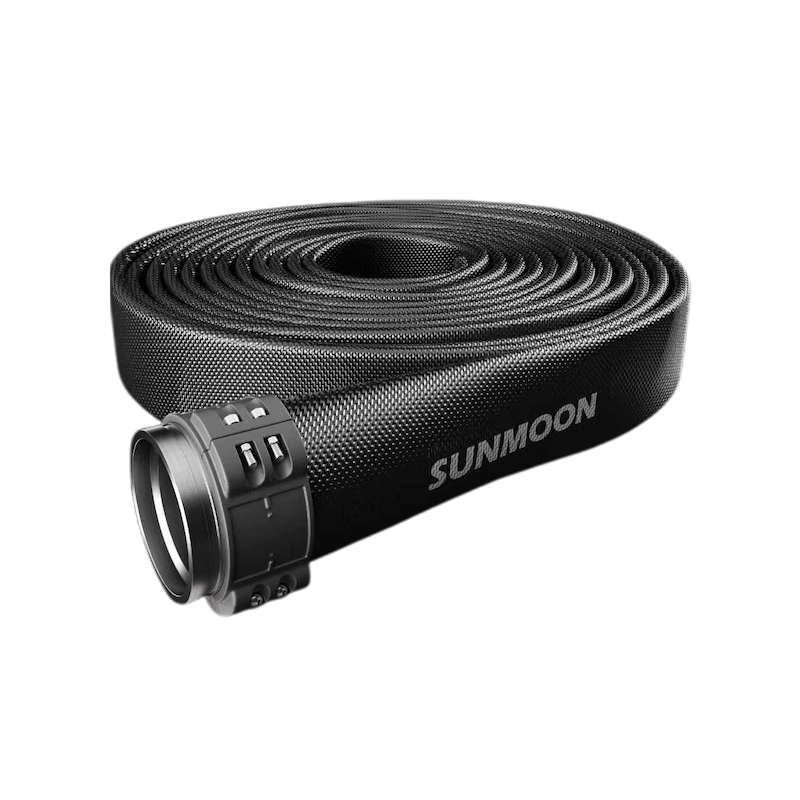
Leaky fittings are among the easiest problems to fix.
- Replace worn or missing rubber washers inside female fittings.
- Wrap threaded connectors with plumber's tape for a tighter seal.
- Hand-tighten only—over-tightening can crack plastic threads.
Hoses left in the sun or exposed to extreme temperatures degrade quickly.
- Store your hose indoors or in shaded areas when not in use.
- Drain it completely before freezing temperatures arrive.
- Choose modern hose types (such as TPU or reinforced rubber) for outdoor durability.
Routine maintenance ensures consistent performance and extends service life. Inspect your hose monthly and follow this checklist:
- Look for soft spots, cracks, or deformations.
- Run water through and check for leaks.
- Replace worn washers and tighten connectors.
- Clean nozzles to remove calcium or sediment.
- Always coil and store the hose neatly after use.
Sometimes, replacing the hose is more cost-effective than patching repeated failures. Replace your hose if:
- Leaks appear in multiple areas.
- The hose feels stiff, brittle, or discolored.
- Connectors are cracked or cannot be repaired.
A quality replacement provides smoother water flow and reduces long-term maintenance.
Modern materials have transformed hose performance. TPU lay-flat hoses are an industry favorite due to their strength, flexibility, and chemical resistance. They suit applications in gardening, agriculture, firefighting, and industrial environments where consistent water transfer and easy storage are critical.
Problem | Likely Cause | Recommended Fix | Prevention |
Kinks and tangles | Tight winding or poor material | Straighten hose, avoid sharp bends | Use kink resistant designs |
Short hose reach | Inaccurate measurements | Link hoses or buy a longer one | Measure distance plus 10–15% |
Heavy hose | Thick materials or long length | Use hybrid polymers or TPU | Use multiple water points |
Low pressure | Blockage or narrow diameter | Clean nozzle, check kinks | Choose wider hose diameter |
Body leaks | Weak material or sun damage | Tape or mend leaks | Store in shade, avoid UV |
Fitting leaks | Worn washers or loose threads | Replace washers, apply tape | Regular inspection |
Cracking | Freezing or UV exposure | Replace old hose | Drain water, store cool |
To enhance reader engagement and comprehension, consider adding:
- A comparison chart of hose material lifespans.
- A troubleshooting flowchart for low-pressure issues.
- A pie chart illustrating causes of hose failure by percentage.
These visuals make technical information more digestible and attractive for readers.
Flexible hoses are also integral to agriculture, construction, and industrial systems. In these areas, engineered TPU lay-flat hoses minimize downtime with reliable performance under pressure. They provide safe, efficient fluid transport while maintaining manageable weight and easy handling.
For large-scale irrigation or complex systems, working with a professional hose manufacturer ensures you get tailored products with proper dimensions, pressure ratings, and fitting types. Expert advice saves costs, improves performance, and reduces maintenance frequency.
If you face persistent hose problems—leaking, kinking, or poor performance—it's time to upgrade your system. Follow the maintenance tips in this guide and replace outdated hoses with stronger, more efficient designs such as TPU lay-flat hoses for long-term reliability. For specialized consultation on durable hose solutions for your garden, agricultural, or industrial project, contact our engineering team today to find the right fit for your specific requirements.
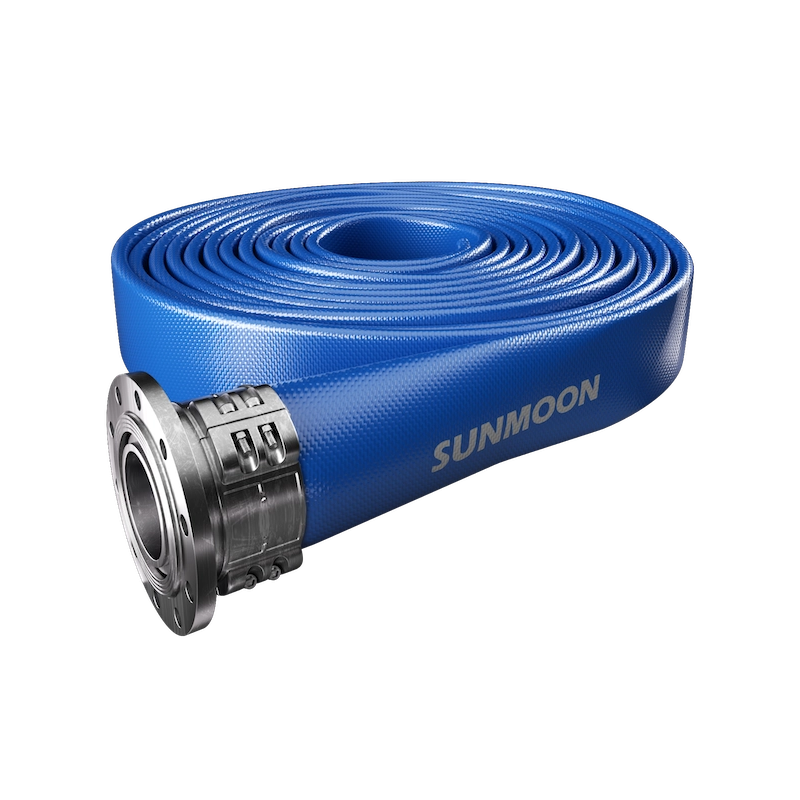
Kinking occurs when hoses are coiled too tightly or made of thin material. Use wide loops for storage and select kink-resistant models to avoid damage.
Clean and dry the damaged area, then wrap it securely with waterproof hose tape. For bigger cracks, remove the damaged section and insert a hose mender for a permanent seal.
Low pressure comes from kinks, clogs, or partially closed faucets. Remove twists, clean the nozzle, and ensure the water supply is fully open before use.
Replace washers whenever you notice leaks at connectors or visible wear. Regular checks every few months prevent wasted water.
TPU lay-flat hoses offer high pressure resistance, flexibility, and strong abrasion protection while remaining lightweight. They handle both household and industrial demands effectively.


