

Views: 222 Author: Loretta Publish Time: 2026-01-06 Origin: Site


Content Menu
● What Are Suction And Discharge Hoses?
● Core Differences Between Suction And Discharge Hoses
● Suction Hose: Structure, Materials, And Applications
>> Structure And Materials Of Suction Hose
>> Typical Suction Hose Applications
● Discharge Hose: Structure, Materials, And Applications
>> Structure And Materials Of Discharge Hose
>> Typical Discharge Hose Applications
● How To Choose Suction And Discharge Hoses Step By Step
>> Step 1: Define Hose Position And Flow Direction
>> Step 2: Confirm Pressure And Vacuum Requirements
>> Step 3: Evaluate Medium, Temperature, And Environment
>> Step 4: Consider Distance, Handling, And Storage
● Common Selection And Operation Mistakes
● Where TPU Layflat Hose Fits In Modern Systems
>> Advantages Of TPU Layflat Discharge Hose
● Practical Buying Checklist For Engineers
● Clear Call To Action For Hose Selection And System Design
● FAQ
>> FAQ 1: Can One Hose Type Be Used For Both Suction And Discharge?
>> FAQ 2: Why Does A Suction Hose Sometimes Collapse During Operation?
>> FAQ 3: When Is TPU Layflat Hose A Better Choice Than Rubber Discharge Hose?
>> FAQ 4: How Should Suction And Discharge Hoses Be Sized?
>> FAQ 5: What Maintenance Do Suction And Discharge Hoses Need?
Suction and discharge hoses are both critical for fluid transfer, but they differ in flow direction, pressure conditions, structure, and typical applications, so choosing the wrong type can cause cavitation, hose collapse, or bursting in a system. For engineering-driven users and buyers, including those evaluating TPU layflat hose as a flexible discharge solution, understanding these differences supports safe, efficient pump system design.[1][2][3][4][5]

Suction and discharge hoses are flexible hoses used with pumps and fluid transfer systems, but they operate under different pressure conditions. Suction hoses work on the pump inlet under vacuum or partial vacuum, while discharge hoses work on the pump outlet under positive pressure.[2][3][4][1]
- Suction hose: Draws liquid from a source such as a tank, pit, or river into the pump under negative pressure.[6][2]
- Discharge hose: Moves liquid away from the pump to a drainage area, tank, or field under positive pressure.[7][1]
For long-distance or temporary water transfer, many operators combine rigid suction hoses with TPU layflat discharge hoses, which are lightweight, easy to deploy, and suited to high-flow, positive-pressure conditions.[5][8]
The most important differences relate to function, pressure type, structure, flexibility, and working scenarios. Using the wrong hose type in the wrong position can damage pumps, shorten hose life, and create safety risks.[3][2][6][7]
Aspect | Suction hose | Discharge hose |
Flow direction | Draws fluid into the pump from a source below or at pump level. | Expels fluid from the pump to a drain, storage, or field. |
Pressure type | Works under negative or vacuum pressure; must resist collapse. | Works under positive pressure; must resist bursting. |
Typical construction | Thick wall with spiral steel wire or rigid helix plus textile reinforcement layers. | More flexible wall with textile or wire reinforcement optimized for internal pressure, often including layflat designs. |
Flexibility | More rigid and heavier due to anti-collapse structure. | Generally lighter, more flexible, easier to coil and deploy. |
Typical use | Deep suction, slurry transfer, well pumping, vacuum tanks. | Dewatering, flood drainage, irrigation, temporary water transfer, tanker unloading. |
In many water transfer systems, engineers specify spiral-reinforced suction hose between the fluid source and pump inlet, then use layflat TPU or rubber discharge hose on the pump outlet for longer distances with reduced handling effort.[4][5]
Suction hose design prioritizes collapse resistance and stable flow under vacuum conditions, especially where pumps lift fluid from below grade or from uncertain sources. Proper suction hose selection supports pump performance and helps prevent cavitation.[1][3][6][2]
A typical industrial suction hose includes the following layers.[3][4][1]
- Inner tube: Corrosion- and abrasion-resistant synthetic rubber or PVC matched to water, oil, slurry, or mild chemicals.[1][3]
- Reinforcement: One or more layers of spiral steel wire plus high-strength synthetic yarn to prevent collapse under external atmospheric pressure.[4][3][1]
- Outer cover: Durable synthetic rubber or PVC with good weather, abrasion, and ozone resistance for outdoor service.[3][1]
Because of this multi-layer structure, suction hoses are thicker, heavier, and less flexible than most discharge hoses, but they maintain shape and flow even near full vacuum.[5][1][3]
Engineers normally choose suction hose where the system must lift or draw in fluid.[6][2][3]
- Pumping water from wells, ponds, rivers, canals, or underground reservoirs.[2][6]
- Industrial slurry transfer, including mud, sand, and sediment handling.[2][3]
- Vacuum truck and tanker operations processing wastewater or sludge.[5][2]
- Chemical and process suction where collapse would disrupt critical operations.[3][2]
Using a common layflat discharge hose on the suction side is risky, because layflat designs are not engineered to resist vacuum and can flatten or collapse during pump operation.[8][6]
Discharge hose design focuses on positive internal pressure, flexibility, and handling, especially over significant distances at ground level. Correct discharge hose selection influences energy consumption and total system reliability.[10][7][9][5][2]
A typical discharge hose includes these elements.[7][9][10]
- Inner tube: Smooth synthetic rubber, TPU, or PVC to reduce friction and support fast flow.[9][7]
- Reinforcement: Textile braid or steel wire layers optimized for burst pressure and transient pressure spikes.[10][7]
- Cover: Weather-, abrasion-, and UV-resistant outer layer; in layflat TPU designs, the hose becomes compact when depressurized.[5][7]
Compared with suction hose, discharge hoses are more flexible and lighter, which reduces manual handling time and makes them easier to coil and store.[7][9][5]
Discharge hoses are used after the pump, wherever the fluid must be moved or distributed.[6][10][5]
- Construction dewatering and flood drainage in civil projects.[10][6]
- Agricultural irrigation, fertigation, and field distribution lines.[5][6]
- Industrial cooling water or process water return and bypass lines.[10][5]
- Tanker loading, unloading, and temporary transfer around plants or facilities.[5]
For long-distance, high-volume water transfer, TPU layflat hoses are increasingly chosen as discharge hoses because they combine high pressure capability with low weight and compact storage.[8][5]
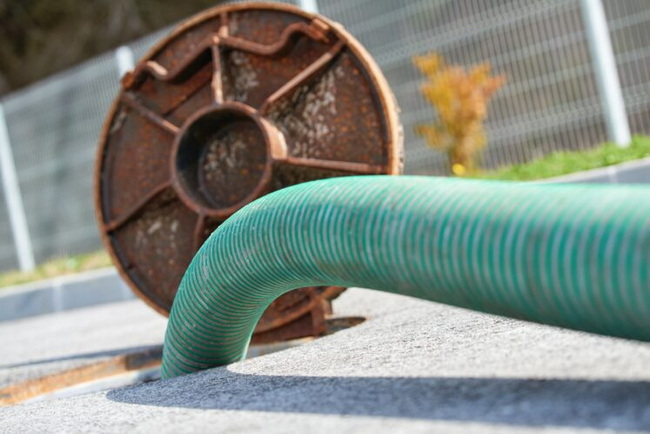
Selecting the right hose involves more than matching nominal size; engineers should evaluate pressure, medium, environment, and layout. A structured process helps standardize selection across projects.[7][2][3][10][5]
- If the hose connects the fluid source to the pump inlet, select a suction-rated hose that can handle vacuum or partial vacuum.[4][6][2]
- If the hose connects the pump outlet to the destination, select a discharge hose designed for positive pressure.[6][7]
- For long, ground-level runs, evaluate TPU layflat discharge hose to reduce weight, installation time, and storage space.[8][5]
- Review maximum suction lift and required vacuum; select a suction hose with sufficient vacuum rating and safety margin.[2][5]
- Check pump discharge pressure and anticipated spikes, then choose a discharge hose with a working pressure clearly below its rated limit.[7][2]
- Consider future system upgrades that might increase pressure or lift requirements.[2][5]
- For abrasive slurries, install rubber suction and discharge hoses with high wear resistance and thick inner tubes.[3][2]
- For water, brine, and many mild chemicals, TPU or PVC discharge hoses can provide a reliable and lightweight solution.[8][5]
- Verify operating temperature range; some hose compounds allow a broad window, while others have tighter limits.[5]
- Assess UV exposure, outdoor weathering, and potential mechanical damage on site.[10][5]
- Short, permanent installations near the pump can rely on heavier rubber discharge hoses or rigid piping.[10]
- Long, temporary or seasonal runs benefit from TPU layflat discharge hoses that can be deployed from reels and recovered quickly.[8][5]
- Where frequent repositioning is needed, prioritize low weight and high flexibility to reduce labor and downtime.[9][7]
Many field failures come from misapplied hose types or inadequate ratings, rather than pump defects. Recognizing typical mistakes helps avoid unplanned stoppages and safety incidents.[6][2][5]
- Using discharge hose on suction side: The hose may collapse under vacuum, causing cavitation and flow loss.[6][2]
- Underestimating pressure spikes: Discharge hoses not rated for surges can blister or burst.[7][2]
- Ignoring chemical and abrasion factors: Incorrect tube compounds fail early in slurry or chemical services.[3][2]
- Allowing tight kinks and sharp bends: Kinking in both suction and discharge lines restricts flow and stresses the hose.[2][5]
- Match hose type and rating to the pump curve and real operating conditions, not just nominal specifications.[5][2]
- For long discharge lines, consider TPU layflat hose to combine high pressure rating with lower handling cost and faster deployment.[8][5]
- Set up routine inspection intervals to check for cuts, blisters, soft spots, coupling wear, and early deformation.[5]
- Train operators on correct hose routing, storage, and pressure limits to reduce misuse.[10][5]
Traditional suction hoses remain essential on the pump inlet, but TPU layflat hoses are increasingly used on discharge lines in demanding projects. This combination provides a balance of mechanical strength, mobility, and operational efficiency.[8][5]
- High pressure capability: Modern TPU layflat hoses are built for elevated working pressures suitable for long discharge runs.[5]
- Low weight and compact storage: Compared with thick rubber discharge hoses, TPU layflat products significantly reduce transport and storage demands.[8][5]
- Rapid deployment and retrieval: Layflat hoses can be rolled on reels and deployed quickly for emergency drainage, temporary bypass, or seasonal irrigation.[8][5]
- Good abrasion and weather resistance in many field conditions, which supports multi-season use when properly handled.[5]
When combined with appropriately specified suction hoses, TPU layflat discharge hoses enable modular, long-distance transfer systems that are easier to move between sites and adapt to changing project requirements.[8][5]
Before purchasing suction and discharge hoses for a new project or upgrade, a compact checklist helps standardize evaluation. This approach supports consistent, documented decisions across sites and teams.[3][2][10][5]
- Confirm hose position: inlet (suction) or outlet (discharge or layflat).[4][2]
- Verify pressure and vacuum ratings with adequate safety factors.[2][7]
- Check chemical compatibility, abrasion resistance, and temperature range for the process medium.[3][2]
- Match diameter, coupling type, and end connections to the pump and existing piping.[10][5]
- Evaluate weight, flexibility, and storage; specify TPU layflat discharge hose when frequent relocation or long-distance transfer is required.[8][5]
- Review documentation, certificates, and test data provided by the hose manufacturer.[5]
Correctly combining suction hose, discharge hose, and TPU layflat discharge lines can improve pump efficiency, reduce downtime, and extend system life in demanding fluid transfer projects. Engineering-focused suppliers can help review flow, pressure, distance, and terrain data to specify hose types, reinforcement structures, and materials that match each project's duty cycle.[2][5]
For upcoming water transfer, dewatering, or industrial fluid projects, contact an engineering-driven TPU layflat hose manufacturer to review suction and discharge hose requirements, optimize hose configurations for safety and energy efficiency, and design a robust hose system that fits your application and budget.[5]
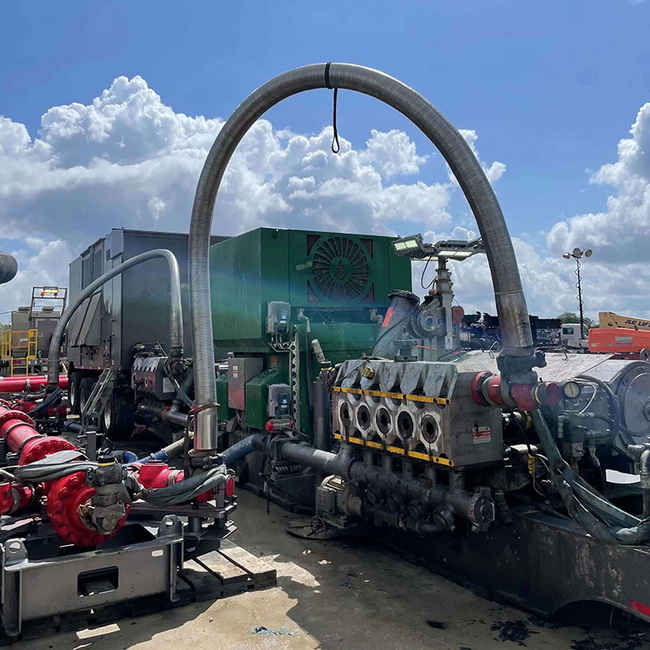
Using a standard discharge hose for suction is not recommended, because it is not designed to withstand vacuum and may collapse at the pump inlet. Certain “suction and discharge” hoses are engineered for both roles, but they include spiral wire reinforcement and must clearly indicate full vacuum and positive pressure ratings in their specifications.[4][6][3][2]
Suction hoses usually collapse when the vacuum level exceeds the hose rating, when the wall is too thin, or when the hose has been damaged or sharply kinked. Selecting a true suction-rated hose with spiral steel reinforcement and routing it with large-radius bends helps prevent collapse.[1][4][3][2][5]
TPU layflat discharge hose suits long-distance, high-volume transfer where low weight and compact storage are important, such as in agriculture, mining, and emergency drainage projects. Rubber discharge hose can still be a good option for short, permanent installations where mobility and storage constraints are minimal.[10][8][5]
Sizing should start from the required flow rate and acceptable velocity, then select hose diameters that maintain velocity within recommended ranges to limit friction losses and avoid cavitation. Some designs use larger suction lines than discharge lines to reduce inlet velocity and protect the pump from low NPSH conditions.[11][12][2]
Both suction and discharge hoses require regular inspections for abrasion, cuts, soft spots, coupling damage, and leaks along their length. Suction hoses should be checked for early deformation or flattening under vacuum, while discharge hoses should be monitored for blisters or bulges that indicate damage from overpressure.[2][5]
[1](https://www.strongflex.com/difference-between-suction-and-discharge-hoses/)
[2](https://cntopa.com/suction-vs-discharge-hose-key-differences-explained.html)
[3](https://www.sinopulse.cn/differences-between-suction-hose-and-discharge-hose/)
[4](https://www.strongflex.com/project/suction-and-discharge-hose/)
[5](https://www.miconveyancesolutions.com/suction-discharge-and-reverse-osmosis-hoses-for-industrial-water-facilities/)
[6](https://waterpumphose.com/blogs/articles/differences-between-suction-and-discharge-water-pump-hoses)
[7](https://kingdaflex.com/difference-between-suction-and-discharge-hose/)
[8](https://www.youtube.com/watch?v=3Jtu3Nz8S64)
[9](https://www.mcgillhose.com/water-suction-discharge-hose/)
[10](https://www.agbeltinc.com/CMS/apache.nsf/weblinks/AHBD-9UV3K8?open)
[11](https://www.eng-tips.com/threads/suction-line-vs-discharge-line.318586/)
[12](https://www.reddit.com/r/ChemicalEngineering/comments/wbgz7u/discharge_vs_suction_pressure_of_pumps/)


