

Views: 222 Author: Loretta Publish Time: 2025-12-28 Origin: Site


Content Menu
● What is a Hose and Why It Matters
● Main Types of Hoses and Their Applications
>> Hydraulic and Pneumatic Hoses
>> Dredge Hoses
>> Fuel Hoses
● Hoses for Medical Applications
>> Oxygen Hoses
>> Bilge Hoses
● Overview Table: Hose Types and Applications
● How to Select the Right Hose for Your Application
● Partner with Experts for Reliable Hose Solutions
● FAQs About Hose Selection and Use
>> 1. What is the most important factor when choosing a hose?
>> 2. Why are food and medical hoses different from standard hoses?
>> 3. Can one general-purpose hose handle all fluids?
>> 4. How often should hoses be inspected?
>> 5. What happens if a hose operates beyond its limits?
In every modern industry, choosing the right hose is critical for safety, efficiency, and cost control. Hoses are used to transport fluids, gases, and materials across industrial, automotive, marine, medical, and fire protection sectors. The right selection ensures reliability, reduces downtime, and safeguards operations under demanding conditions.

A hose is a flexible conduit designed to transfer liquids, gases, or semi-solid materials under controlled pressure and temperature. Common materials include rubber, thermoplastic polyurethane (TPU), PVC, silicone, and metal, chosen for their compatibility with the fluid, pressure resistance, and durability.
Proper hose selection is essential to:
- Prevent leaks and system failures.
- Ensure compliance with safety and hygiene standards.
- Improve equipment efficiency and service life.
When viewed as a precision-engineered component instead of a consumable, hoses become strategic assets in ensuring performance and safety.
Below are the primary categories of hoses used across different industries, along with their main purposes and distinguishing characteristics.
Industrial hoses transport fluids, gases, and solids in heavy-duty applications such as factories, refineries, construction sites, or processing plants. These hoses are manufactured to withstand extreme pressures, temperatures, and environmental wear.
Hydraulic and pneumatic hoses carry pressurized fluids or air to transfer energy between machinery components.
They feature multi-layer construction with inner tubing, metal or textile reinforcement, and an outer cover resistant to abrasion and weather.
Applications: Construction equipment, manufacturing machinery, agricultural devices.
High-pressure hoses are designed to operate under conditions reaching up to 60,000 psi. Their multi-layer design ensures structural integrity under stress.
Applications: Hydraulic systems, aerospace, and pressure testing setups.
Chemical hoses handle hazardous substances such as acids, bases, and solvents. These are made from materials like PTFE (Teflon) or synthetic rubber for chemical resistance.
Applications: Chemical processing, water treatment, and pharmaceutical manufacturing.
Food-grade hoses meet strict hygiene standards and are typically made from silicone or specialized rubber. They prevent contamination and are easy to sterilize.
Applications: Beverage production, dairy processing, and pharmaceutical transport.
Built for abrasion resistance, dredge hoses carry rocks, sand, and gravel over long distances. They use tough rubber or polyurethane reinforced with steel.
Applications: Dredging, land reclamation, mining, and construction projects.
Automotive hoses carry fluids and gases throughout vehicles, supporting essential systems like fueling, cooling, and air conditioning. They must endure vibration, chemical exposure, and high heat.
These hoses circulate refrigerant within vehicle air conditioning systems and HVAC units.
They are generally composed of reinforced rubber or synthetic materials.
Applications: Automotive A/C, building HVAC systems, and refrigeration units.
Fuel hoses withstand the corrosive nature of gasoline and diesel, maintaining structural integrity under high pressure.
Applications: Vehicle fuel systems, small engines, and marine systems.
Radiator hoses move coolant between the engine and the radiator, stabilizing engine temperature.
Applications: Vehicle cooling systems and industrial heat exchangers.
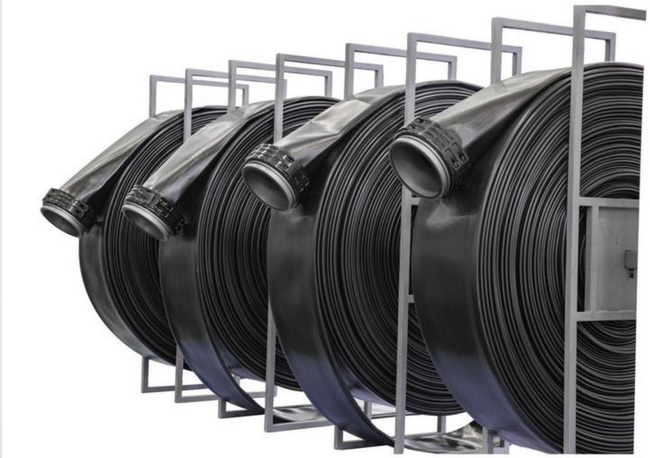
Medical hoses are specially designed to meet high safety standards for environments like hospitals and laboratories. They ensure the safe transport of gases or fluids without contamination.
Oxygen hoses deliver medical-grade oxygen to patients. They are engineered to handle high pressure safely and resist combustion.
Applications: Oxygen therapy, anesthesia, and emergency response.
These hoses manage air, gases, and small particles, maintaining hygiene in clinical environments.
Applications: Medical suction equipment, dental clinics, laboratory systems.
Marine hoses are used in ships, tankers, and offshore facilities to handle oil, fuel, and water. They are built to resist saltwater corrosion and mechanical stress.
Oil hoses transfer crude oil and petroleum between vessels and platforms, employing multiple reinforcement layers for pressure stability.
Applications: Offshore terminals and bunkering operations.
Exhaust hoses convey heated gases from engines to outlets, built to endure high-temperature exhaust.
Applications: Marine propulsion and industrial exhaust systems.
Bilge hoses remove water or fluids from a ship's bilge, ensuring vessel safety and cleanliness.
Applications: Dewatering and flood prevention.
Fire hoses deliver a strong stream of water or fire suppressant to combat fires effectively. Their materials are heat and abrasion resistant.
Main types include:
- Attack hose: Flexible and maneuverable for direct firefighting.
- Supply hose: Large-diameter hose that moves water from hydrants to fire scenes.
- Booster hose: Smaller hose for increasing pressure and reach.
- Forestry hose: Lightweight, used for wildland firefighting.
Additional specialized hoses exist to meet niche industrial and domestic needs:
- Air hoses for pneumatic tools.
- Spray hoses in agriculture.
- Concrete hoses for construction.
- Garden hoses for irrigation.
- PVC hoses for general fluid transport.
Hose Type | Primary Function | Typical Industry |
Hydraulic Hose | High-pressure energy transfer | Construction, industrial machinery |
Chemical Hose | Transfer corrosive materials | Chemical, pharmaceutical |
Food & Beverage Hose | Sanitary transport | Food, beverage, and healthcare |
Dredge Hose | Abrasive material movement | Dredging, mining |
Fuel Hose | Fuel delivery | Automotive, marine |
Oxygen Hose | Oxygen supply | Medical, emergency |
Oil Transfer Hose | Petroleum handling | Marine, offshore |
Fire Hose | Firefighting | Emergency services |
Selecting the correct hose ensures safe operation and optimal performance. Follow these steps to determine the best option:
1. Identify the medium: Consider chemical compatibility and viscosity.
2. Check pressure and temperature requirements: Confirm working and burst pressures.
3. Assess environmental factors: Include UV exposure, abrasion, and flexing cycles.
4. Confirm certifications: Ensure compliance with food-grade or medical standards where required.
5. Plan maintenance: Choose designs with traceability and durability for your operating environment.
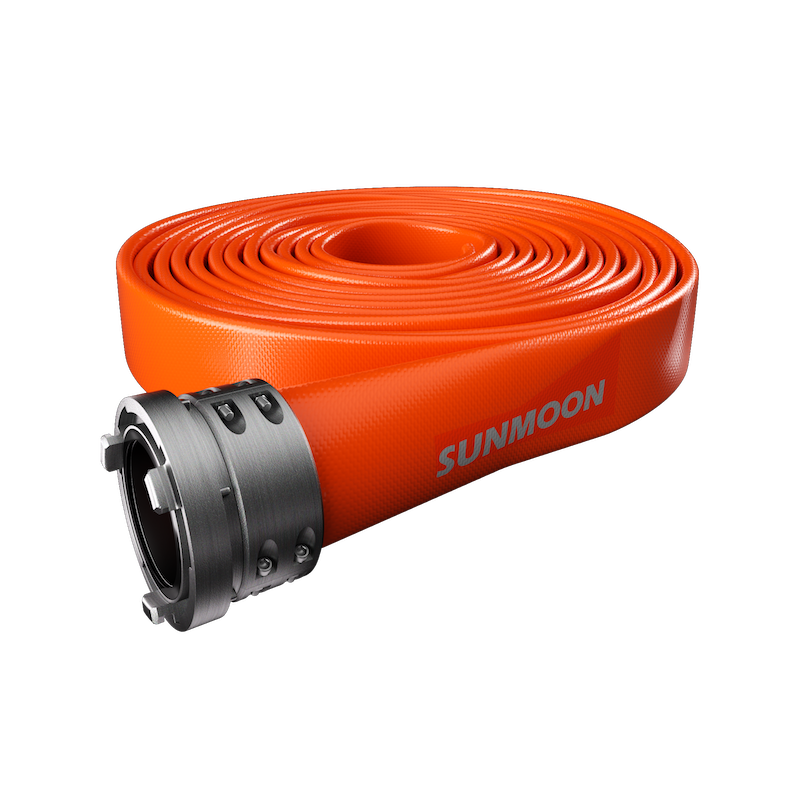
Choosing the right hose is not just a technical decision—it is an investment in safety, efficiency, and system longevity. If you require expert consultation or specialized TPU flat-lay hoses engineered for demanding industrial conditions, reach out to our team today. We will help you identify the most suitable solution for your application and ensure compliance with all international standards.
The medium being transferred is the most critical factor, as fluid compatibility determines hose longevity and safety.
They require certified materials that ensure hygiene, prevent contamination, and comply with regulatory standards.
No, different fluids need specific materials. Using incompatible hoses can lead to chemical reactions, leaks, or system damage.
Routine visual checks and periodic replacements based on usage hours or environmental exposure are recommended.
Exceeding pressure or temperature ratings can cause failure, leaks, or bursts, leading to maintenance hazards and downtime.


