

Views: 222 Author: Loretta Publish Time: 2026-01-13 Origin: Site


Content Menu
● Understanding High Pressure Hydraulic Hoses
● Understanding Low Pressure Hydraulic Hoses
● Key Technical Differences Between High and Low Pressure Hoses
● Hydraulic Hose Pressure Classification and Standards
● Construction and Reinforcement: How Design Affects Performance
● Application Scenarios: When to Choose High or Low Pressure Hoses
● Design Considerations for Safe Hose Selection
● Installation and Maintenance Practices for Long Hose Life
● Lifecycle Cost: Beyond Initial Hose Price
● Modern Materials and Performance Trends
● Take the Next Step With Professional Hose Selection Support
● FAQs About High Pressure and Low Pressure Hoses
>> FAQ 1. How can I quickly tell whether my system needs a high pressure hose?
>> FAQ 2. Where are low pressure hoses most commonly used?
>> FAQ 3. What happens if a low pressure hose is used in a high pressure application?
>> FAQ 4. How often should hydraulic hoses be inspected and replaced?
>> FAQ 5. What key data should I collect before specifying a new hose?
Choosing between high pressure hose and low pressure hose is fundamental for building safe, efficient, and cost‑effective hydraulic and fluid transfer systems. Engineers and buyers need to understand pressure ratings, construction, applications, and modern options such as TPU layflat hoses to make the right choice.[1][2]

High pressure hydraulic hoses are built to handle demanding working pressures, typically in the high and ultra‑high pressure ranges defined by hydraulic standards. They are widely used in heavy‑duty industrial, construction, and energy applications where failure can cause serious safety and productivity issues.[1]
- Pressure capability: Commonly designed to operate in the range of 10 MPa to 100 MPa, which corresponds roughly to 1,450 psi to 14,500 psi depending on hose type and standard.[1]
- Reinforced construction: Use multiple layers of steel wire braid or spiral reinforcement to provide high burst resistance and long-term fatigue performance under pulsating loads.[3][1]
- Multi-layer tube and cover: Inner tubes compatible with hydraulic oils and other media, plus outer covers designed to resist abrasion, ozone, and weather.[1]
- Controlled flexibility: Even with robust reinforcement, these hoses are engineered for defined bend radii so they can be routed through mobile equipment and tight machinery spaces.[1]
In many hydraulic power systems, high pressure hoses connect pumps, valves, cylinders, and motors, transmitting energy with minimal pressure loss and consistent flow. Correct specification of working pressure, safety factor, and hose type is essential for long‑term reliability.[1]
Low pressure hydraulic hoses support functions where system pressure and risks are significantly lower, yet reliability and compatibility remain important. They are widely used for return lines, suction lines, auxiliary circuits, and low‑stress fluid handling systems.[4][1]
- Pressure range: Typically operate up to about 1.6 MPa (around 232–250 psi) in hydraulic classifications, and below about 2,000 psi in many industry descriptions.[4][1]
- Simpler reinforcement: Generally use textile or fiber braid reinforcement instead of steel wire, making the hose lighter and more flexible.[4][1]
- High flexibility: Easier to bend, route, and install around tight corners and moving machine parts, with lower risk of kinking when installed correctly.[1]
- Cost advantages: Require less complex materials and manufacturing, which helps reduce overall system cost when high pressure capability is not needed.[4]
Low pressure hoses are commonly used in return lines, suction applications, low‑stress hydraulic circuits, air lines, fuel supply, and general-purpose water transfer, where flexibility and economy are as important as pressure rating.[4][1]
The main differences between high and low pressure hoses relate to pressure rating, reinforcement, flexibility, and typical use cases. Understanding these distinctions allows engineers and buyers to match hose types to actual system demands.[4][1]
Aspect | High Pressure Hose | Low Pressure Hose |
Pressure rating | Typically 10 MPa to 100 MPa (≈1,450–14,500 psi) depending on hose series and standard. | Up to about 1.6 MPa (≈232–250 psi) or below about 2,000 psi for many low-pressure ranges. |
Reinforcement | Multiple steel wire braid or spiral layers for superior burst and fatigue resistance. | Textile or fiber braid, fewer reinforcement layers, lighter structure. |
Construction | Thicker wall, multi-layer tube and cover designed for high mechanical and thermal loads. | Simpler tube and cover, optimized for flexibility and sufficient protection in light duty conditions. |
Flexibility | Less flexible due to heavy reinforcement, with larger minimum bend radius. | More flexible, easier to route in compact systems and moving components. |
Weight | Heavier per meter, which affects handling and support requirements. | Lighter, easier to handle manually and to install in long runs. |
Typical applications | Construction machinery, mining equipment, industrial presses, hydrostatic drives, high-pressure cleaning systems. | Return lines, suction lines, auxiliary circuits, pneumatic tools, general fluid transfer. |
Cost level | Higher initial cost per meter due to complex construction and materials. | Lower cost option where high pressure performance is not required. |
Correctly categorizing the pressure level of a system into low, medium, high, or ultra‑high pressure groups and then selecting a hose that fits that group is crucial for both safety and economic performance.[6][1]
Hydraulic hose selection should be grounded in recognized pressure classifications and relevant industry standards. Using standardized definitions simplifies specification and ensures compatibility with other hydraulic components.[6][1]
- Low pressure group: Up to about 1.6 MPa, often used for return lines, suction service, and auxiliary hydraulic circuits.[1]
- Medium pressure group: Between about 1.6 MPa and 10 MPa, covering many general hydraulic power applications.[1]
- High pressure group: Between about 10 MPa and 100 MPa, used where high power density or high clamping forces are required.[1]
- Ultra‑high pressure group: Above about 100 MPa, reserved for very specialized equipment and tasks.[6][1]
Standards such as SAE and ISO provide detailed test procedures for pressure, burst, impulse, and environmental resistance, helping users verify that hoses meet the necessary performance and safety levels for each group.[6][1]
The internal structure of a hydraulic hose is organized into functional layers, and each layer influences performance under different pressure regimes. Selecting between high and low pressure designs means choosing different construction strategies.[3][1]
- Inner tube: Carries the fluid and must be compatible with oils, water, or other media in the system. Swelling or degradation of this layer can lead to failure.[1]
- Reinforcement layer: High pressure hoses rely on steel wire braid or spiral to provide strength, while low pressure hoses typically rely on textile or fiber braids.[4][1]
- Outer cover: Protects against abrasion, UV, ozone, oil, and environmental damage. Heavy‑duty covers are prioritized in harsh environments such as construction and mining.[3][1]
At higher pressures and with severe pulsations, spiral‑reinforced high pressure hoses often deliver better fatigue life, while braided or textile‑reinforced low pressure hoses are sufficient where pressure cycles and loads are moderate.[3][1]
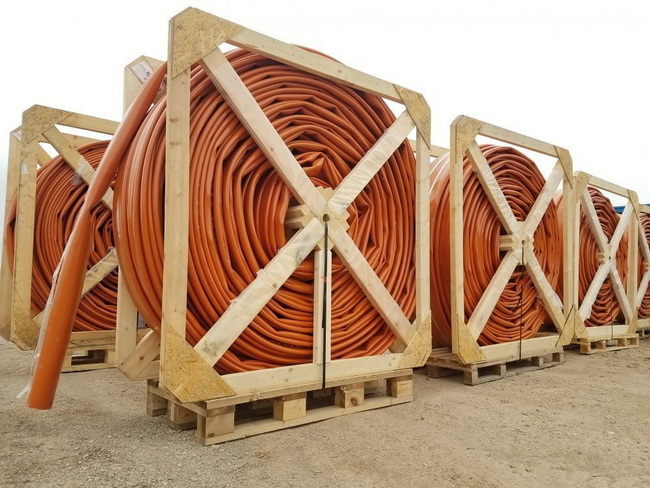
Matching hose type to real operating conditions requires understanding how pressure, duty cycle, and environment vary across industries. Each application has a typical pressure range and preferred hose design.[5][1]
- Construction and mobile machinery: Excavators, loaders, cranes, and similar equipment typically rely on high pressure hoses for actuators and drive systems.[1]
- Industrial equipment: Presses, machine tools, and hydraulic power units may combine high pressure hoses in critical circuits with low pressure hoses in return and suction lines.[1]
- Agricultural and light industrial systems: Many agricultural machines and light hydraulic systems use low pressure hoses where loading is moderate and flexibility is important.[4][1]
- Cleaning and spray equipment: High pressure cleaning and spray systems use hoses designed to withstand elevated pressures, especially when fitted to pressure washers and industrial sprayers.[7][1]
Correctly assessing whether a given line is delivering high pressure flow or simply returning fluid to a reservoir helps avoid unnecessary cost and prevents underspecification in critical circuits.[6][1]
Designing or upgrading fluid systems involves more than simply matching nominal pressure values. A structured selection process reduces risk and improves long‑term reliability.[6][1]
- Define maximum working pressure: Include steady operating pressure and potential spikes caused by dynamic loads or valve switching.[1]
- Apply safety factors: Select hoses with working pressure ratings comfortably above the maximum system pressure, according to applicable standards and company policy.[6][1]
- Confirm fluid compatibility: Ensure that the inner tube material resists the specific hydraulic fluid, fuel, or process liquid in use.[1]
- Check temperature limits: Consider ambient and fluid temperatures to avoid exceeding the rated temperature range of the hose.[6][1]
- Review bend radius and routing: Respect minimum bend radius and avoid tight turns, twisting, and physical damage points.[1]
Using a structured checklist for these design steps helps ensure that high pressure hoses are reserved for truly demanding circuits, while low pressure hoses are used where they safely meet requirements and deliver cost benefits.[6][1]
Even correctly specified hoses can fail prematurely without proper installation and maintenance practices. Good handling habits prolong service life for both high and low pressure hoses and support system safety.[3][1]
- Pre‑installation inspection: Check new hoses for cuts, blisters, kinks, or damage around fittings before installation.[1]
- Correct routing and clamping: Avoid twisting the hose, minimize sharp bends, and support hoses with clamps where necessary to reduce movement and friction.[1]
- Controlled pressurization: After installation, pressurize gradually and monitor for leakage or unusual deformation before reaching full operating pressure.[1]
- Regular inspection intervals: Establish inspection schedules based on hours of operation, duty severity, and environmental conditions.[6][1]
Replacing hoses at planned intervals instead of waiting for visible failure helps prevent unplanned downtime and safety incidents, especially in high pressure systems with pulsating loads.[6][1]
Focusing only on initial purchase price can lead to underperforming hose selections and higher long‑term costs. Evaluating the total cost of ownership reveals where high performance hose types are justified.[3][6]
- Replacement frequency: Higher quality hoses can reduce the number of replacements needed over the life of the equipment, lowering material and labor costs.[3]
- Downtime costs: Unexpected failures in high pressure circuits can shut down critical machinery, making reliability a major economic factor.[6]
- Safety and compliance: Using hoses that meet or exceed relevant standards reduces the risk of accidents and regulatory issues.[6][1]
Balancing initial investment with expected service life and downtime impact often leads engineers to specify robust high pressure hoses in critical circuits while selecting economical low pressure hoses in non‑critical areas.[3][6]
Advances in hose materials and manufacturing continue to improve pressure capability, flexibility, and environmental resistance. New compounds and reinforcement technologies support longer life and higher performance across pressure classes.[3][6]
- Improved synthetic rubbers and thermoplastics: New materials offer better resistance to heat, oil, and chemicals while maintaining flexibility.[3]
- Optimized reinforcement designs: Tailored wire and textile patterns help achieve specific combinations of pressure rating, flexibility, and weight.[6][3]
- Enhanced testing and quality systems: Manufacturers increasingly use advanced testing regimes and quality management systems to ensure consistent hose performance.[8][9]
Monitoring these trends helps engineers select hose products that align with modern performance expectations and emerging environmental and safety requirements.[3][6]
Reliable hydraulic and fluid transfer systems start with the right choice between high pressure and low pressure hoses, combined with appropriate materials, construction, and installation practices. If you are designing a new system, upgrading existing equipment, or solving recurring hose problems, now is the ideal time to review your specifications and ensure that every hose in your circuit meets the latest safety and performance expectations.[6][1]
Contact a specialized engineering team today with your pressure ratings, media, temperature, and routing requirements to receive a tailored hose selection proposal and quotation that aligns with your performance targets and budget.[9][8]
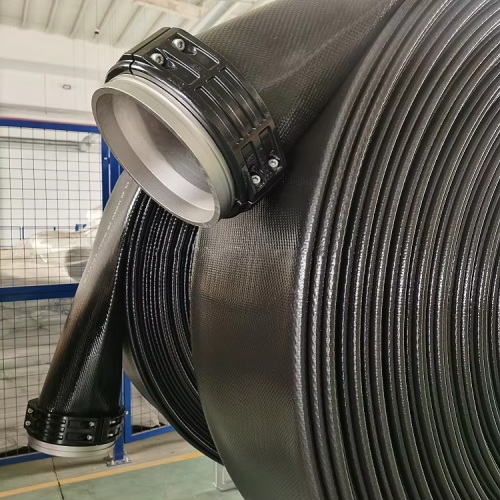
Start by identifying the maximum working pressure and any expected pressure spikes in your system. If the pressure requirements fall into the high or ultra‑high pressure classifications, or if the manufacturer of your equipment specifies high pressure hose, then a high pressure product is appropriate.[6][1]
Low pressure hoses are widely used in return lines, suction lines, low‑stress hydraulic circuits, air tool supply lines, and general fluid transfer systems where operating pressures remain in the low pressure range and high flexibility is desired.[4][1]
Using a low pressure hose where high pressure is present increases the risk of burst or leakage, which can result in equipment damage, unplanned downtime, and safety hazards. Hose selection must always match or exceed the maximum system pressure.[6][1]
Inspection intervals depend on duty severity and environment, but hydraulic hoses should be visually checked regularly, and replaced based on manufacturer recommendations or when signs of wear, aging, or damage appear. Critical high pressure hoses often follow more frequent inspection schedules.[6][1]
Important information includes maximum operating pressure, fluid type, temperature range, required hose size and length, bend radius limitations, environmental conditions, and any relevant standards for the application. Having this data available supports accurate and safe hose selection.[6][1]
[1](https://www.cnflex.com/en/news/High-vs-Low-Pressure-Hydraulic-Hoses.html)
[2](https://www.sunmoonhose.net/tpu-layflat-hose/)
[3](https://shotonhydraulic.com/tr/high-pressure-vs-low-pressure-hose-structural-differences-applications-and-selection-guide/)
[4](https://kingdaflex.com/high-pressure-hose-vs-low-pressure-hose/)
[5](https://www.orient-hose.com/differences-between-high-pressure-hose-and-low-pressure-hose/)
[6](https://www.china-rubberhose.com/difference-between-high-and-low-pressure-hoses/)
[7](https://gushanrubber.com/hydraulic-hose-vs-pressure-washer-hose/)
[8](https://www.sunmoonpipe.com/tpu-layflat-hose/high-pressure-150psi-16inch-528ft-tpu-frac-layflat-long-distance-supply-water-hose.html)
[9](https://www.sunmoonhose.net)
[10](https://www.sinopulse.cn/differences-between-high-pressure-hose-and-low-pressure-hose/)
[11](https://www.strongflex.com/high-pressure-hose-vs-low-pressure-hose/)
[12](https://am.tpulayflatpipe.com/blog/)
[13](https://www.sunmoonhose.com)
[14](https://sunmoonhose.en.alibaba.com/productgrouplist-803209907/TPU_lay_flat_hose.html%3Fspm=a2700.icbuShop.88.11.239fb30tH64Kq)
[15](https://www.alibaba.com/product-detail/SUNMOON-Reasonable-Design-10inch-High-Abrasion_60804110042.html)


