

Views: 222 Author: Loretta Publish Time: 2026-01-07 Origin: Site


Content Menu
● What Is a High-Pressure Hydraulic Hose?
● Typical Applications of High-Pressure Hoses
● Key Characteristics of a High-Pressure Hydraulic Hose
● Understanding Pressure Rating and Safety Factor
>> Working Pressure vs Burst Pressure
>> Why Safety Factor Matters in Practice
● Hose Materials: Rubber, Thermoplastic, PTFE, and TPU
>> TPU Layflat Hose for High-Pressure Transfer
● Hose Construction: Spiral vs Braided Reinforcement
● High-Pressure Hose Fittings and Connections
● Bend Radius, Routing, and Installation
● Standards and Certifications (SAE, ISO, DIN, EN)
● Step-by-Step: How to Select a High-Pressure Hydraulic Hose
● TPU Layflat Hose vs Traditional Rubber Hydraulic Hose
● Maintenance, Inspection, and Service Life
● Talk to an Engineering-Driven Hose Partner
● FAQ
>> 1. What is the most important factor when selecting a high-pressure hydraulic hose?
>> 2. When should TPU layflat hose be used instead of a standard hydraulic hose?
>> 3. How often should hydraulic hoses be replaced?
>> 4. Can a single hose type safely handle all fluids in a system?
>> 5. Why does bend radius have such a strong impact on hose life?
Choosing the right high-pressure hydraulic hose is critical for safety, uptime, and long-term system performance. This guide explains the essentials of hose selection and shows how modern TPU layflat hoses can optimize demanding applications.
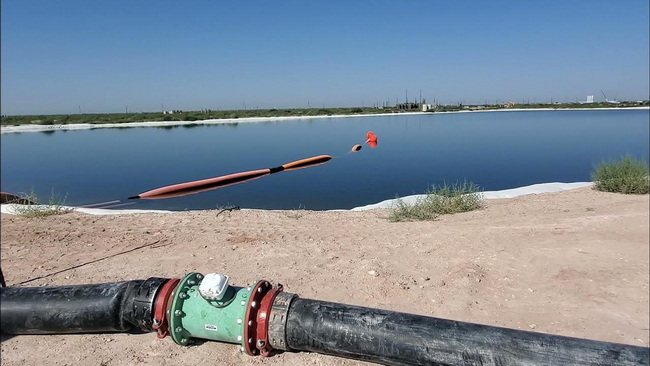
A high-pressure hydraulic hose is a flexible conduit that transfers pressurized hydraulic fluid (usually oil, sometimes water or water‑glycol) between pumps, valves, cylinders, and actuators. These hoses are engineered for working pressures from around 1000 PSI up to and beyond 10,000 PSI, depending on size, construction, and reinforcement.
Typical high-pressure hoses consist of an oil-resistant inner tube, one or more reinforcement layers (steel wire or high‑strength synthetic fibers), and a weather‑ and abrasion‑resistant outer cover. In many mobile and industrial systems, they function like the blood vessels of the circuit, carrying energy to do work such as lifting, pressing, clamping, or steering.
High-pressure hydraulic hoses appear in almost every fluid power application where compact force and precise motion are required. They are especially common in the following scenarios:
- Mobile equipment such as excavators, cranes, telehandlers, tractors, forestry machinery, and mining vehicles.
- Industrial systems including presses, injection molding machines, lifting platforms, marine equipment, and machine tools.
- Automotive and transport fields, for example in braking systems, power steering assemblies, suspension components, and lifting gates.
- Specialty and energy sectors, where construction, tunneling, oil and gas, and dewatering systems increasingly adopt TPU layflat hose for long-distance discharge and supply lines.
In many of these fields, TPU layflat hoses are used alongside classic rubber hydraulic hoses to handle high‑volume transfer, dewatering, firefighting, and chemical or fuel transport under pressure.
Several characteristics determine whether a hose is suitable for high-pressure service and safe long‑term use. Understanding these makes it easier to match hose design to the real operating conditions.
- Pressure capability must meet or exceed the system's maximum working pressure and comply with a defined safety factor.
- Reinforcement type (steel wire or high‑tenacity synthetic fibers) must provide sufficient tensile strength and resistance to pulsation.
- Cover performance should protect against weather, abrasion, UV exposure, and mechanical damage.
- Tube compatibility must match the fluid type, whether mineral oil, synthetic fluids, water‑glycol, or chemicals.
- Flexibility and bend radius must allow routing without kinking or overstressing the reinforcement.
Two core definitions are essential when evaluating pressure ratings:
- Working (rated) pressure is the maximum pressure the hose can safely handle in continuous normal service.
- Burst pressure is the pressure at which the hose is expected to fail under controlled test conditions.
The safety factor is the ratio of burst pressure to maximum working pressure. For most hydraulic hoses, international practice is to use a safety factor of 4:1, meaning the burst pressure must be at least four times the working pressure. In certain specialized, less dynamic applications, lower safety factors may be specified, but they are not suitable for typical hydraulic power transmission.
A proper safety factor is not just a theoretical number; it directly influences day-to-day safety and reliability:
- It prevents hose rupture caused by pressure spikes, shock loads, or transient events.
- It keeps stress within the elastic range of hose materials, helping extend service life.
- It reduces the risk of fluid injection injuries, component damage, and unplanned downtime.
A practical rule is to always select hoses based on working pressure, not burst pressure, and to verify that the hose's rated working pressure is equal to or higher than the maximum system pressure.
Material selection shapes hose performance, weight, flexibility, and chemical resistance. Choosing correctly ensures the hose behaves predictably in real-world conditions.
Rubber-based hydraulic hoses commonly use NBR or related elastomers for the inner tube and cover, providing good resistance to oil and fuels. These designs usually offer excellent flexibility and relatively tight bend radii, particularly in multi‑spiral arrangements. They are well‑suited to traditional mobile and industrial hydraulic circuits that operate with mineral oil-based fluids.
Thermoplastic hoses use engineered plastics for both tube and cover and frequently employ high‑strength synthetic fiber reinforcement. The result is:
- Lower weight compared to many rubber hoses.
- Tight minimum bend radius for compact installations.
- High working pressure capability, often used for 10,000 PSI tools, compact cylinders, and portable hydraulic equipment.
These hoses are common where light weight and flexibility are key design requirements.
PTFE hoses deliver exceptional chemical resistance and a very wide temperature range. Typical features include:
- Excellent performance with aggressive chemicals, high‑temperature fluids, and high‑purity media.
- Frequent use in process applications such as chemical handling, food and pharmaceutical production, and advanced hydraulic circuits.
- Combination with stainless steel braiding to achieve the necessary pressure capability.
PTFE hoses are selected when fluid compatibility or temperature resistance is the primary constraint.
TPU (thermoplastic polyurethane) layflat hose has become a highly popular choice for high‑pressure transfer and dewatering tasks:
- It normally consists of TPU inner and outer layers reinforced with a high‑tenacity woven polyester or polyamide jacket.
- Working pressures typically lie in a moderate high‑pressure range, with burst pressures approximately three times higher, depending on diameter and construction.
- Advantages include:
- Very high abrasion and cut resistance, especially when dragged over rough ground.
- Strong chemical and fuel resistance suitable for many aggressive media.
- A broad operating temperature window, making it suitable for harsh outdoor and seasonal environments.
This type of hose is widely used for mining dewatering, long‑distance water transfer, chemical and fuel transport, firefighting lines, and agricultural or offshore supply.
High-pressure hydraulic hoses typically use either spiral or braided reinforcement, each with its own strengths.
- Braided steel wire hoses usually feature one or two layers of steel wire braid and are used mainly for medium to high pressures with good flexibility. These hoses are often preferred in applications with moderate pulsation and frequent movement.
- Spiral steel wire hoses employ multiple layers of high‑tensile spiral‑wound wire to achieve very high pressure ratings and excellent fatigue resistance under strong pulsation. They are commonly found on large excavators, high‑flow lines, and heavy-duty industrial systems.
For TPU layflat hose, reinforcement is generally a woven polyester or polyamide jacket, which provides robust tensile strength and burst resistance while allowing the hose to lie flat when depressurized for easy deployment and recovery.
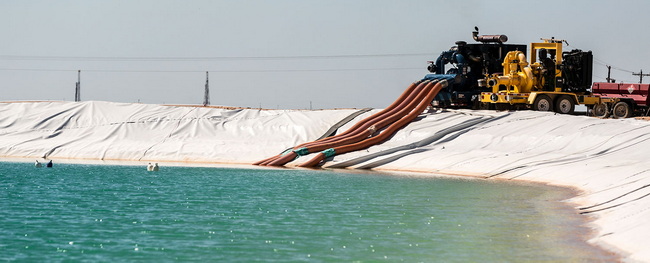
Selecting the correct inside diameter (ID) and length is critical for efficient hydraulic system design.
If the hose is too small, fluid velocity rises, pressure drop increases, and the system generates additional heat. This can starve actuators and create stability issues. If it is too large, the system may suffer from poor responsiveness, and routing becomes more complex because of larger bend radius and weight.
A practical approach includes:
1. Determining the required flow rate and acceptable fluid velocity, then using a sizing chart or nomograph to select the hose ID.
2. Keeping hose runs as short and direct as possible while preserving enough slack for movement and maintenance access.
3. Considering larger IDs or specialized transfer hoses such as TPU layflat for extended runs where pressure drop and head loss become significant.
Hose length must also accommodate expansion, contraction, and motion to avoid tension at fittings or unintended stretching.
Fittings are a crucial part of the hose assembly and directly affect sealing, safety, and service life. A good hose can still fail prematurely if paired with an unsuitable or poorly installed fitting.
Typical fitting styles include:
- Crimped fittings for permanent, factory-quality assemblies widely used on rubber and thermoplastic hoses.
- Threaded and flare fittings (such as NPT, BSP, JIC, and ORFS) to match common port types used in hydraulic equipment.
- O‑ring face seal and metric fittings that provide high‑pressure sealing and reliable alignment.
In the case of TPU layflat hose, specialized couplings such as Storz, camlock, or flanged ends are often used, enabling rapid connection, disconnection, and redeployment in field operations where time and flexibility are critical.
The minimum bend radius defines how tightly a hose can be bent without risking damage. Exceeding this value can cause internal tube cracking, reinforcement fatigue, or kinking, often leading to early failure.
Best practices for routing high‑pressure hoses include:
- Avoiding sharp bends directly at the fitting; always keep a short straight section between the fitting and the first bend.
- Using clamps, guides, and protective sleeves to prevent abrasion and vibration against metal edges or other hoses.
- Following manufacturer charts for bend radius and orientation, especially when dealing with high‑pressure and high‑cycle circuits.
For long runs of TPU layflat hose, routing should minimize twists, abrupt direction changes, and unnecessary crossings, while taking ground conditions into account to limit abrasion and impact loads.
High-pressure hydraulic hoses are subject to various standards that define performance, dimensions, and testing methods. Selecting hoses that comply with recognized standards ensures predictable behavior and easier global sourcing.
Important frameworks include:
- SAE standards such as SAE J517, which categorize hoses by pressure capability, construction, and application.
- ISO standards like ISO 18752 or ISO 1436, which establish global performance levels and test procedures.
- DIN and EN standards, widely adopted in European markets, which specify dimensions, pressure classes, and additional performance requirements.
Certified hoses undergo impulse testing, burst testing, pressure cycling, and environmental conditioning to confirm that they can withstand real-world operating conditions. Choosing hoses and assemblies that clearly state compliance with these standards supports safe design and simplifies maintenance and replacement.
The following step-by-step process provides a practical framework for specifying a new hose or improving an existing system:
1. Clarify application and environment
Define machine type, duty cycle, indoor or outdoor usage, exposure to abrasion, UV, chemicals, and temperature extremes.
2. Confirm system pressure and safety factor
Identify maximum working pressure and any expected surges. Select a hose whose working pressure meets or exceeds this value while satisfying the required safety factor.
3. Choose material and construction
Decide between rubber, thermoplastic, PTFE, or TPU according to fluid compatibility and temperature. Select braided or spiral reinforcement to match pressure level and pulsation severity. Consider TPU layflat hose where long-distance, high‑volume transfer or frequent deployment is required.
4. Determine size and length
Use flow and velocity guidelines to select the inside diameter. Plan the routing to minimize bends and avoid exceeding the minimum bend radius while leaving adequate slack.
5. Select compatible fittings and couplings
Match thread types, flange systems, or rapid couplings to your equipment. Use approved fitting systems from the same or compatible manufacturers to preserve pressure ratings and warranty coverage.
6. Verify standards and certifications
Confirm that the hose meets the necessary SAE, ISO, DIN, or EN requirements for the target market and application.
7. Plan inspection and maintenance
Ensure that the installation leaves room for visual inspection, leak checks, and replacement. Design the layout so that critical hoses are accessible rather than buried behind rigid components.
The following table highlights typical differences between TPU layflat hoses and conventional high‑pressure rubber hydraulic hoses in common industrial and mobile applications.
Aspect | TPU layflat hose | Rubber hydraulic hose |
Typical role | High-pressure fluid transfer, dewatering, and supply lines | Direct actuator and control lines in hydraulic circuits |
Structure | TPU inner and outer layers with a woven polyester or polyamide jacket | Oil-resistant tube with steel wire braid or spiral and a rubber cover |
Pressure range | Moderate high-pressure range with burst pressures typically around three times the working pressure | Wide range from roughly 1000 PSI to beyond 10,000 PSI working pressure |
Deployment | Flexible, roll-flat, and designed for rapid deployment and retrieval | Fixed routing on equipment, designed for long-term installation |
Abrasion/ground contact | Excellent resistance when dragged over abrasive terrain and rough surfaces | Good cover protection but generally not intended for constant dragging |
Typical uses | Mining dewatering, long-distance water transfer, firefighting, chemical and fuel transfer, agriculture | Excavators, cranes, presses, injection molding, automotive hydraulics |
Combining rubber hydraulic hoses for power transmission with TPU layflat hoses for high‑volume transfer often results in a more efficient, safe, and versatile fluid handling system.
Even the best-designed hose will not reach its theoretical service life without a proactive maintenance strategy. A structured inspection program should include:
- Routine visual checks looking for cracks, blisters, abrasions, exposed reinforcement, leaks at fittings, and hints of kinking or flattening.
- Functional monitoring of operating temperature, pressure, and noise levels to identify emerging flow restrictions or cavitation.
- Scheduled replacement for hoses nearing their recommended service life or showing early signs of fatigue, especially in circuits with high safety relevance.
For TPU layflat hoses used in dynamic outdoor environments, good practice includes cleaning, drying, and storing them correctly between deployments to preserve their mechanical strength and UV resistance.
Selecting high‑pressure hydraulic hoses and TPU layflat hoses is not only a purchasing task; it is a core engineering decision that shapes safety, efficiency, and lifecycle cost. A well-matched hose system can reduce downtime, lower maintenance expenses, and ensure reliable performance in even the harshest environments.
If you are planning a new installation, upgrading an existing system, or evaluating ways to optimize long‑distance fluid transfer, reach out to a professional engineering-driven hose manufacturer for tailored support. Share your pressure requirements, media type, temperature range, and routing constraints, and request a detailed proposal that includes hose type, size, construction, and recommended maintenance intervals. The sooner you align your hose strategy with your actual operating conditions, the sooner you can secure safer and more efficient hydraulic performance.
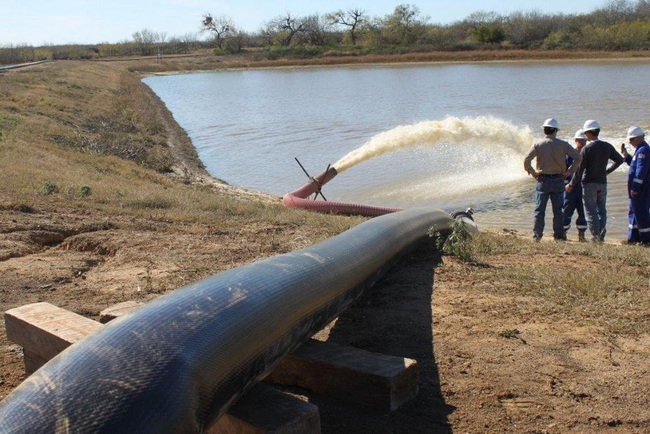
The most important factor is that the hose's working pressure must meet or exceed the system's maximum operating pressure while satisfying the chosen safety factor, which is commonly set at 4:1 for hydraulic applications.
TPU layflat hose is best used where high‑volume transfer, dewatering, firefighting, irrigation, or chemical and fuel transport require long runs, frequent deployment, and high abrasion resistance, rather than direct connection to actuators.
Hydraulic hoses should be replaced according to manufacturer recommendations and whenever inspection reveals cracks, leaks, exposed reinforcement, kinks, or other visible damage, especially in circuits essential for safety or continuous production.
Not necessarily. Tube materials must be compatible with the specific fluids in use, such as mineral oil, synthetic fluids, water‑glycol, chemicals, or fuels. In some systems, different hose families are required to handle different media safely.
Bending a hose tighter than its minimum bend radius concentrates stress on the tube and reinforcement, leading to internal damage, reduced pressure capacity, and premature failure, even if the hose appears intact from the outside.


