

Views: 222 Author: Loretta Publish Time: 2026-01-13 Origin: Site


Content Menu
● What Is a Hose Protection Guard
● Main Types of Hose Protection
● Key Benefits of Using Hose Guards
● Materials and Performance Characteristics
>> Nylon and Technical Textiles
● How to Choose the Right Hose Protection
>> Assess Environment and Risk
>> Match Guard Type to Application
● Sizing and Installation Guidelines
>> Industrial Plants and Power Packs
>> 1. What is the main purpose of a hose protection guard?
>> 2. Which type of protection is suitable for mobile hydraulic equipment?
>> 3. How should hose protection be sized for a specific hose?
>> 4. Can hose guards be installed after hoses are already in service?
>> 5. How often should hose protection be checked or replaced?
Hydraulic and pneumatic systems work in demanding environments where hose assemblies are constantly exposed to abrasion, impact, heat, and UV. A well‑designed hose protection solution helps extend service life, improve safety, and reduce unplanned downtime across mobile and industrial applications.[1][2][3]
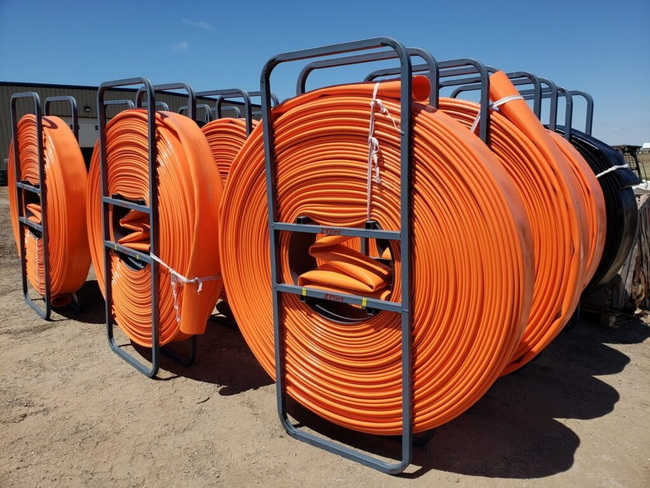
A hose protection guard is a secondary protective layer installed around hoses or hose bundles to shield them from mechanical and environmental damage. It is widely used on hydraulic, pneumatic, and industrial hoses, as well as on cables and wires in high‑movement or harsh environments.[2][4][5][3]
Spiral hose guard is a plastic or polymer spiral wrap that is wound around the outside of the hose or hose bundle. It offers 360‑degree protection against abrasion, minor impacts, and hose‑to‑hose rubbing in confined routing areas.[6][7][8][1]
Textile and nylon sleeves are woven or braided tubular sleeves that slide over hose assemblies to provide long‑wearing abrasion protection and burst containment. Many textile sleeves are designed to help contain oil spray in the event of a hose burst, improving operator safety and supporting compliance with relevant standards.[9][10][11]
Spring and metal guards are typically made from galvanized or stainless steel and installed in areas where crushing, kinking or tight bending are common. They are often used at hose ends near fittings, clamps or exit points where mechanical loads are concentrated.[10][4][12]
Hose protection products are used wherever hoses are exposed to movement, vibration or potential contact with sharp or rough surfaces.[3][1]
- Mobile equipment: construction machinery, agriculture, forestry, mining and material handling.[2][3]
- Industrial systems: plant hydraulics, manufacturing lines, offshore equipment and power packs.[4][13]
- Cable management: routing and bundling of electrical cables, control lines and sensor wiring in dynamic applications.[14][6]
Properly specified hose protection delivers both technical performance and economic savings.[3][2]
- Extends hose life by reducing wear from friction, rubbing, and contact with rough surfaces or sharp edges.[15][3]
- Improves safety by minimizing the risk of hose bursts, oil spray, and accidental damage in crowded routing paths.[9][10]
Polypropylene (PP) and polyethylene (PE) are common materials for spiral guards and protective sleeves because of their good flexibility and chemical resistance. PP spiral guards are often used where corrosion and chemical resistance are important, such as in oils, fuels, and certain chemicals.[5][16][6]
Nylon sleeves and spiral wraps provide high abrasion resistance, temperature resistance and UV stability for heavy‑duty conditions. Textile sleeves made from polypropylene or similar fibers can offer high burst containment performance and meet relevant safety standards in hydraulic applications.[11][10][6][9]
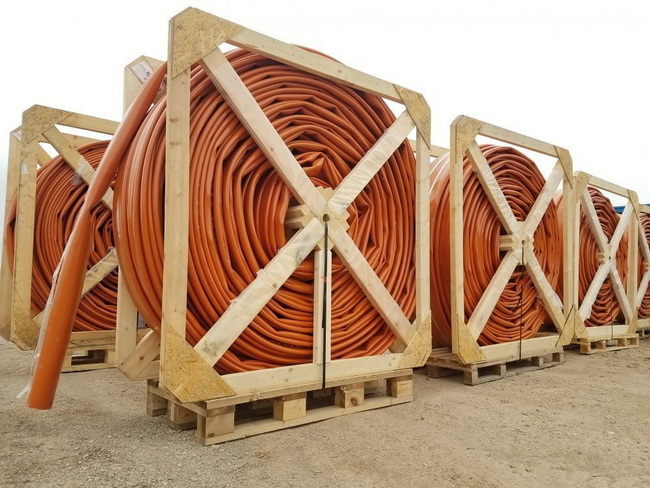
Selection begins with understanding where and how hoses are used.[2][3]
- Evaluate exposure to abrasion (edges, metal surfaces), impact (falling objects), temperature and UV.[8][3]
- Consider whether burst containment, visibility, fire resistance or chemical resistance is required in the application.[10][9]
Different styles of hose protection are better suited to specific layouts and risk profiles.[4][3]
- Use spiral guards for flexible bundling and abrasion protection on mobile hoses and cable looms.
- Use textile or nylon sleeves where higher abrasion resistance or burst containment is required along longer hose sections.[11][9]
Correct sizing ensures that the guard stays in place and performs as expected.[7][17]
- Measure the outer diameter of the hose or hose bundle, then select a guard with an inner diameter that provides a snug but installable fit.[7][2]
- Take into account the bend radius and routing path so that the guard does not restrict the natural movement of the hose.[12][6]
Most hose guards are designed for straightforward installation in the field.[6][7]
1. Clean the hose surface and check for existing damage before adding any protection.
2. Wrap spiral guard or slide on sleeves from one end, ensuring full coverage of zones that see contact, rubbing or impact.[15][7]
Hose protection should be included in routine inspection plans together with the hoses themselves.[3][15]
- Check for deep cuts, worn sections, discoloration, deformation or signs of overheating on sleeves and spiral guards.[9][3]
- Replace damaged protection promptly and re‑assess routing if repeated wear occurs in the same location.[6][3]
On excavators, loaders and similar machines, hoses often run along booms and arms where constant movement and contact with structures occur. Spiral guards and sleeves help prevent rubbing against metal edges, reducing unscheduled hose replacements and leaks.[1][8][6][3]
In fixed installations, hoses may pass through cable trays, wall penetrations or bundle routes with other services. Protective sleeves and spring guards reduce the risk of damage from vibration, misalignment or accidental contact with tools and components.[13][12][4][2]
Selecting the right hose protection strategy can dramatically improve equipment reliability, safety, and total cost of ownership. If your team is reviewing hose routing, upgrading to higher‑pressure systems, or facing recurring hose damage in harsh environments, reach out for a tailored technical consultation. Share your system pressure, media, operating temperatures, hose specifications and application photos, and request a detailed proposal that includes sizing, material recommendations and sample options for field trials.[2][3]
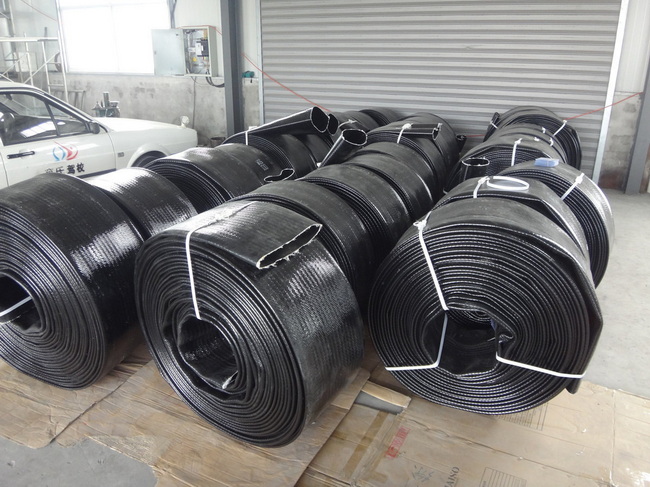
The main purpose of a hose protection guard is to shield hoses from abrasion, impact and environmental damage so that they last longer and fail less often. It also helps reduce unplanned downtime, oil leaks and safety incidents associated with hose failures.[15][9][3][2]
Flexible spiral guards and abrasion‑resistant sleeves are commonly used on mobile hydraulic machines because they protect against rubbing, debris and contact with machine structures while allowing hoses to move freely. In areas with tight bends or high crush risk, metal spring guards are often added near fittings or support points.[1][10][4][3]
To size hose protection, measure the outer diameter of the hose or bundle and choose a guard with an inner diameter that fits snugly without excessive slack. It is important to consider any additional clamps or fittings the guard must pass over during installation.[7][2][6]
Most spiral guards and many protective sleeves are designed to be installed on existing hose assemblies without disassembling the hydraulic circuit. This makes them suitable for retrofitting additional protection during maintenance shutdowns or system upgrades.[7][15][2][6]
Hose guards should be inspected during regular maintenance along with hoses, fittings and clamps. When significant wear, cuts, melting, cracking or deformation are visible, the protection should be replaced and routing conditions re‑evaluated.[9][15][3]
[1](https://www.tecindustrial.ie/spiral-hose-guard%3Fsrsltid=AfmBOoqJLEHchtd5n0AsmOQGl2pe0PNBjdGk3783QDWmXU9BmJk24qgy)
[2](https://www.flowfitonline.com/categories/hydraulic-hose-assemblies-fittings/hydraulic-hose-sleeves)
[3](https://www.gates.com/us/en/fluid-power/hydraulic-hose-and-couplings/hydraulic-accessories.p.7277-000000-000010.html)
[4](https://www.rccirl.ie/store-menu/hydraulics/protective-hose-sleeves.html)
[5](https://www.sinopulse.cn/hose-protective-sleeve/)
[6](https://www.strongflex.com/hydraulic-hose-spiral-wrap-101/)
[7](https://www.orient-hose.com/project/pp-spiral-guard/)
[8](https://www.orientflexhose.com/project/sprial-guard-wrap/)
[9](https://www.flomax.ie/Catalogue/HYDRAULIC-EQUIPMENT/Hydraulic-Hoses/Hose-Potector/SAFE-SLEEVE-Textile-Hose-Protector)
[10](https://brennaninc.com/rhino-sleeve-product-line/)
[11](https://www.strongflex.com/project/nylon-fabric-hose-sleeve/)
[12](https://ie.sparex.com/hydraulics/hydraulic-hose-accessories/hose-protection.html%3Fsrsltid=AfmBOorfVFkmfa6NU_HQIBZK1VFsGKKth9aWi1okk-K8ISU67ccyrnhG)
[13](https://www.hydro.com.pl/en/product/30773/armour-guard-flexspiral-hdpe)
[14](https://dmc-nordic.com/Sleeves-4-6ft-TPU-Cord-Protectors-4-Colors-4-Pack/1263995)
[15](https://www.china-rubberhose.com/hose-spiral-guard/)
[16](https://m.made-in-china.com/company-sinopulse/productlist.html)
[17](https://www.essentracomponents.com/en-gb/p/spiral-wrap-hose-protectors)
[18](https://www.essentracomponents.com/en-us/s/hydraulic-hose-protection/hose-guard%3Fsrsltid=AfmBOordmy2TgHR7OXHFdcIbV-gDiDFD8_SjH3L1ji0fpaoHFmChxCs8)
[19](https://www.strongflex.com/hose-protection-guard/)
[20](https://www.sunmoonhose.com)
[21](https://www.made-in-china.com/showroom/kevin9277/)
[22](https://www.sunmoonhose.net/tpu-layflat-hose/)
[23](https://www.strongflex.com/project/pp-spiral-guard/)


