

Views: 222 Author: Loretta Publish Time: 2026-01-02 Origin: Site


Content Menu
● Key Connection Types For Oil Hose
● How A Layflat Oil Hose Connects
● Threaded And Flanged Oil Hose Connections
● Step‑By‑Step: Installing An Oil Hose Connection
>> Cutting And Preparing The Oil Hose
>> Routing And Supporting The Oil Hose
● Best Practices For Oil Hose Connections
● TPU Layflat Oil Hose In Global Projects
● Safety And Maintenance Of Oil Hose Connections
>> Preventive Maintenance Actions
● FAQ About Oil Hose Connections
>> (1) How do you connect an oil hose to a layflat line?
>> (2) What fittings are best for high‑pressure hydraulic oil hose?
>> (3) How tight should oil hose clamps or fittings be?
>> (4) Can one oil hose be used for every type of oil?
>> (5) How often should oil hose connections be inspected?
An oil hose connects to pumps, tanks, engines, or manifolds using matched fittings and couplings that create a sealed, leak‑free oil transfer line. In TPU layflat hose systems, the oil hose connection typically relies on camlock couplings, threaded connectors, or flanged joints secured with clamps or crimp sleeves.
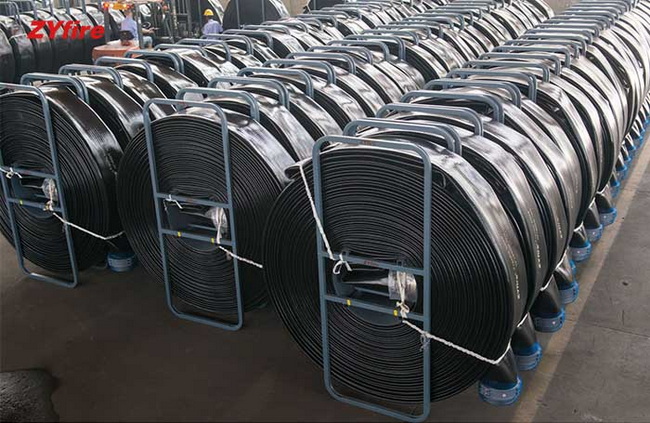
An oil hose is a flexible line designed to convey lubricating oil, fuel oil, or hydraulic oil safely between system components while withstanding pressure, temperature, and chemical attack. In industrial and energy applications, an oil hose may be built from TPU layflat constructions, rubber, thermoplastic, or composite materials depending on system requirements.
In refineries, depots, mobile equipment, and hydraulic drives, an oil hose must resist swelling, softening, and cracking when exposed to hydrocarbons and performance additives. Correct selection and secure connection of the oil hose protect pumps, engines, couplings, and valves from leaks, pressure loss, and premature failure.
Several connection types are used to attach an oil hose to equipment, manifolds, or hard piping, each optimized for a particular pressure range and level of mobility. The best option depends on whether the oil hose is a TPU layflat hose, a reinforced rubber hose, or a high‑pressure hydraulic oil hose.
- Camlock (cam and groove) couplings allow quick connection and disconnection of oil hose lines in transfer, refueling, and temporary setups.
- Threaded connectors (such as BSP, NPT, or metric threads) provide compact, reliable oil hose joints for engines, lubrication skids, and hydraulic power units.
- Flanged connections secure larger oil hose assemblies or risers to flanged manifolds, pipelines, or tanks where a rigid, high‑strength joint is required.
- O‑ring‑based fittings, including O‑ring face seal and other hydraulic standards, deliver high integrity sealing for high‑pressure hydraulic oil hose circuits.
These different connection styles give engineers flexibility to design an oil hose system that balances quick handling, flow capacity, and long‑term reliability.
For TPU layflat oil hose used in oil transfer or refueling, the most practical connection method is usually a camlock coupling with hose clamps or a crimped tailpiece. This configuration allows long lengths of oil hose to be deployed quickly, joined together, and retrieved after the transfer operation with minimal tools.
A typical connection sequence for a layflat oil hose with camlocks includes these steps.
- Slide two clamps over the end of the oil hose before inserting the camlock shank.
- Push the camlock tailpiece fully into the bore of the oil hose, twisting slightly so the shank seats evenly.
- Position the clamps over the shank area and tighten them progressively to a uniform tension around the oil hose.
- Engage the camlock halves and close the cam arms fully, ensuring the gasket is compressed and the oil hose connection is locked.
This approach gives a robust, reusable oil hose joint while keeping overall system weight and complexity low, which is ideal for field operations using TPU layflat hose strings.
Many fixed or semi‑permanent oil circuits rely on threaded or flanged joints instead of quick couplers. Such designs are common on engine lubrication circuits, hydraulic oil hose assemblies, and plant oil transfer systems where vibration and pressure cycles are frequent.
- Threaded oil hose connectors usually feature a hose tail with an external thread that screws into a female port on pumps, filters, or manifolds, sealed with an O‑ring or thread sealant.
- Flanged oil hose connections use a flanged tailpiece bolted to a matching flange on a pipe or tank, with a gasket that compresses as the bolts are tightened.
A correctly installed threaded or flanged oil hose connection can operate for many years with minimal maintenance, provided the hose material and gasket selections match the oil type and operating conditions.
Before cutting or assembling any oil hose, engineers should confirm system conditions and choose compatible hose and fittings. This planning step prevents many failures that would otherwise appear later in service.
- Identify oil type, viscosity, operating temperature, and maximum working pressure so the oil hose can be sized and specified correctly.
- Choose fitting materials and types (camlock, threaded, flange, hydraulic fitting) that match both the oil hose construction and the ambient environment.
Clean cuts and good preparation are essential for a reliable oil hose joint. A poorly cut or contaminated hose end can cause leaks even when premium fittings are used.
- Measure the required run and cut the oil hose square using a proper hose cutting tool, avoiding crushed or frayed ends.
- Remove dust, loose reinforcement, and foreign material from the cut end of the oil hose before sliding on clamps or ferrules.
The assembly procedure depends on whether the oil hose uses clamp‑type, crimped, or threaded fittings. In every case, the goal is to achieve uniform compression and full engagement of the sealing elements.
- For clamp‑type layflat oil hose, position the clamps over the shank area and tighten them evenly, alternating between clamp screws to avoid distortion.
- For crimped oil hose fittings, align the ferrule correctly and use a calibrated crimp machine to achieve the specified crimp diameter and shape.
- For threaded oil hose connections, apply approved thread sealing methods where required, then tighten with the correct tools to the specified torque.
Even a perfectly assembled oil hose connection can fail early if the hose is routed poorly. Routing must control bending radius, twisting, and contact with harmful surfaces.
- Avoid sharp bends close to the oil hose fittings and respect the minimum bend radius recommended for the hose type.
- Prevent twisting along the oil hose length; fittings should align naturally without forcing the hose into a spiral.
- Use clamps, saddles, or guides to keep the oil hose away from hot, moving, or abrasive surfaces.
Before the system is put into full operation, every oil hose connection should be tested. A controlled test helps verify that the oil hose, fittings, and routing can handle working conditions safely.
- Pressurize the line gradually and visually inspect each oil hose connection for leakage, bulging, or movement.
- Correct any leaks by tightening, reseating, or replacing components before allowing the oil hose system to run continuously.
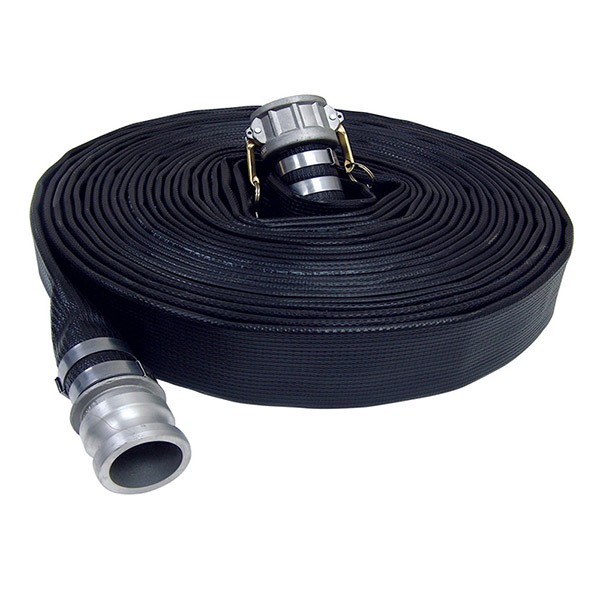
Following best practices helps an oil hose deliver its full service life and maintain safety margins throughout operation. These practices are particularly important when handling large volumes of oil over long distances with TPU layflat hose systems.
- Always verify chemical compatibility between the oil hose materials and the oil or fuel being transferred, including any additives or cleaners.
- Avoid twisting or kinking the oil hose during installation or operation, as internal torsion can damage reinforcement and weaken connections.
- Keep oil hose connections clear of extreme heat, sharp edges, and rotating parts, installing guards if necessary.
- Use dual clamps or properly engineered crimp ferrules on large‑diameter oil hose assemblies to increase safety in high‑flow, high‑load conditions.
- Implement a documented inspection schedule so that each oil hose connection is checked regularly for leaks, corrosion, wear, and mechanical damage.
These simple rules significantly reduce unplanned downtime and environmental incidents related to oil hose failures.
TPU layflat oil hose solutions provide a lightweight, rollable alternative to rigid pipes and heavy rubber hoses in many oil transfer projects. The extruded TPU tube and cover bonded to a strong textile reinforcement give the oil hose excellent abrasion resistance, flexibility, and durability.
Such layflat oil hose systems are used in refueling operations, depot loading, temporary oil distribution lines, and mobile emergency response. By combining long continuous runs of oil hose with quick camlock connections or compact manifolds, operators can build modular transfer networks that deploy and recover quickly.
For an engineering‑driven manufacturer like Sunmoon, TPU layflat oil hose designs can be tailored to specific pressures, temperatures, and connection configurations demanded by global customers. Matching hose construction, coupling type, and installation support allows each oil hose connection to serve reliably in different climates and project environments.
Regular inspection is the foundation of safe oil hose operation. Visual checks help detect early warning signs before an oil hose connection fails under full load.
- Inspect for wetness or staining near each oil hose coupling, which may indicate minor leaks or sweating.
- Look for bulges, flat spots, or reinforcement exposure along the oil hose close to the fittings, as these often precede rupture.
Proactive maintenance limits the risk of leaks and reduces overall lifecycle cost of oil hose systems. Rather than waiting for visible damage, operators can schedule replacements and upgrades.
- Replace worn clamps, cracked cam arms, deformed ferrules, or corroded flanges before they compromise the oil hose connection.
- Retire oil hose sections that have reached their recommended service life, especially in critical safety or environmental applications.
Human factors play a major role in how well an oil hose connection performs in real‑world conditions. Clear procedures and training help ensure that oil hose systems are assembled and operated in a consistent, controlled way.
- Provide technicians with step‑by‑step work instructions for cutting, assembling, routing, and testing each oil hose connection type used on site.
- Train staff to recognize common installation errors—such as twisting, under‑tightening, or ignoring bend radius limits—that shorten oil hose life.
An oil hose connects to pumps, tanks, engines, and manifolds through engineered fittings such as camlocks, threaded connectors, flanges, and hydraulic O‑ring fittings that create sealed, mechanically robust joints. In TPU layflat systems, camlock‑based assemblies with properly sized clamps or crimped tails provide fast, safe, and reusable oil hose connections for demanding transfer and refueling projects.
By carefully selecting an oil hose suitable for the fluid and operating conditions, following structured installation steps, routing and supporting the hose correctly, and implementing rigorous inspection routines, operators can maintain leak‑free connections and extend service life. For global users, engineering‑driven TPU layflat oil hose solutions make it possible to build flexible, rapidly deployable oil transfer networks without sacrificing reliability or safety.

To connect a layflat oil hose, first slide clamps over the hose, then fully insert the camlock tailpiece into the hose bore, position the clamps over the shank area, and tighten them evenly before closing the cam arms. This method creates a strong, quickly detachable oil hose connection that is well suited to field deployment and recovery.
High‑pressure hydraulic oil hose is usually paired with O‑ring‑based fittings—such as O‑ring face seal or similar hydraulic patterns—because they maintain tight sealing under pressure and vibration. These fittings rely on elastomeric O‑rings rather than thread deformation alone, giving a more reliable oil hose connection when torque conditions vary.
Oil hose clamps and threaded fittings should be tightened to the torque recommended by the component manufacturer rather than by feel. Under‑tightening can permit leaks or hose slippage, while over‑tightening may crush the oil hose or distort sealing faces and shorten service life.
A single oil hose cannot safely handle every type of oil, because compatibility depends on the base stock, additives, temperature range, and pressure. Selecting an oil hose that is specifically rated for the target fluid and conditions prevents swelling, cracking, blistering, or sudden failure.
Oil hose connections should be inspected at intervals defined by site risk assessments, often before major transfer operations and during scheduled maintenance windows. Each inspection should check for leakage, corrosion, cracked clamps, loose cam arms, and damage along the oil hose near the fittings.


