


Content Menu
● What an Oil Hose Actually Does
● Where Oil Hoses Are Used (And How That Affects Cleaning)
● Why Oil Hose Cleaning Matters
● Safety Rules Before Cleaning an Oil Hose
● Step‑by‑Step: How to Clean an Oil Hose (External and Internal)
>> External cleaning of Oil Hose
>> Internal cleaning of Oil Hose
● Choosing Cleaners and Solvents for Oil Hose
● Inspecting and Requalifying an Oil Hose After Cleaning
● When to Replace Instead of Cleaning an Oil Hose
● Designing a Preventive Cleaning and Maintenance Program
● Best Practices for Storing Oil Hose After Cleaning
● How TPU Layflat Oil Hose Changes the Cleaning Strategy
● FAQs About Cleaning an Oil Hose
>> 1. How often should an Oil Hose be cleaned?
>> 2. Can any solvent be used to clean an Oil Hose?
>> 3. Is it safe to use high‑pressure water to clean an Oil Hose?
>> 4. When should an Oil Hose be replaced instead of cleaned?
>> 5. How does a TPU layflat Oil Hose affect cleaning and maintenance?
Oil Hose assemblies in engines, hydraulic systems, and industrial plants carry flammable or contaminated fluids, so improper cleaning can cause leaks, failures, and safety incidents. This guide explains step by step how to clean an Oil Hose, what solvents and tools to use, how to build a preventive maintenance program, and how TPU layflat Oil Hose solutions can make cleaning easier in demanding applications.[2][3][1]
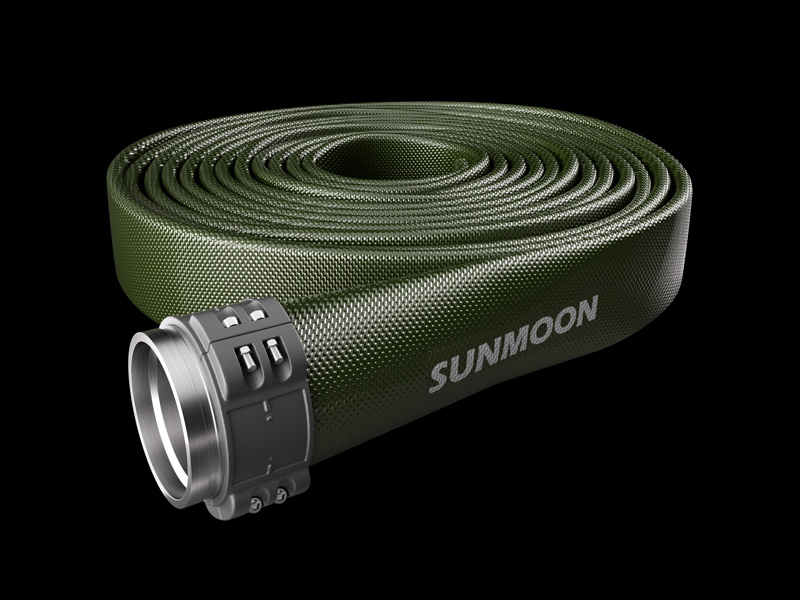
An Oil Hose is a flexible conduit that transfers lubricating oil, fuel oil, hydraulic oil, or process oil between components such as pumps, engines, gearboxes, tanks, and manifolds. The Oil Hose must handle specific pressure, temperature, and chemical conditions while resisting abrasion, kinking, and external contamination.[4][1]
- Common Oil Hose constructions include rubber, thermoplastic, metal‑braided and advanced TPU layflat designs for long‑distance transfer in oil and gas, mining, and industrial services.[1]
- A clean Oil Hose reduces pressure drop, protects valves and injectors from debris, and supports reliable, leak‑free operation under load.[3][1]
The way an Oil Hose is used determines how often and how aggressively it should be cleaned. Understanding the application helps maintenance teams choose cleaning methods that protect the Oil Hose while meeting cleanliness targets.[5][1][4]
- Engine Oil Hose: Carries lubrication oil between remote coolers, filters, and engine galleries, often exposed to high temperature and carbon‑rich deposits.[6][2]
- Hydraulic Oil Hose: Connects pumps, valves, and actuators under high pressure, with strict contamination limits to prevent valve sticking and wear.[3][4]
- Fuel and burner Oil Hose: Transfers diesel, heating oil, or light fuel oils, where residue can form varnish and gum over time.[7][1]
- Long‑distance transfer Oil Hose: TPU layflat Oil Hose lines for water‑based or light oil transfer in energy, mining, and industrial infrastructure, where draining and flushing are key.[1]
Residual oil, sludge, and particles cling to the inner wall of an Oil Hose and can break free later, damaging sensitive components or blocking small orifices. After failures or system modifications, dirty Oil Hoses can also introduce metallic debris, gasket fragments, or carbon deposits into a rebuilt engine or hydraulic system.[2][6][1]
- Clean Oil Hoses extend component life, reduce unplanned downtime, and improve safety by lowering the risk of hose rupture or fitting leaks.[1][3]
- In industries with strict cleanliness codes (hydraulics, aerospace, precision lubrication), Oil Hose cleaning is part of formal contamination control programs with documented test results.[4][5]
Cleaning an Oil Hose means handling oil residues, chemical solvents, and sometimes high‑pressure flushing equipment, so safety is critical. Proper planning protects technicians, avoids environmental violations, and prevents damage to the Oil Hose material.[8][3][1]
- Always depressurize and isolate the system, lock out power sources, and verify zero pressure before disconnecting any Oil Hose.[3][4]
- Wear appropriate PPE: oil‑resistant gloves, eye protection, suitable clothing, and respiratory protection when using volatile or aerosolized cleaners.[9][1]
- Provide spill containment and absorbents around the work area, and route drained oil and rinsate to suitable collection tanks or drums for treatment or disposal.[8][1]
Cleaning an Oil Hose involves two separate tasks: external cleaning of the cover and fittings, and internal cleaning of the flow path. In many cases both are necessary to restore performance and ensure safe reuse of the Oil Hose.[2][1]
Surface oil and grime on the outer cover can hide damage, accelerate rubber degradation, and make inspection difficult.[8][1]
1. Remove gross contamination
- Wipe the Oil Hose with absorbent pads to pick up excess oil before applying cleaners.[1][8]
- Collect saturated materials in approved containers for disposal according to local regulations.[8][1]
2. Apply a compatible degreaser
- Use a water‑soluble degreaser or safety solvent rated for oil removal that does not attack the Oil Hose cover or fittings.[10][9]
- For braided or textured hose covers, use a soft brush to work the cleaner into the weave without cutting or fraying the outer layer.[11][10]
3. Rinse and dry
- Rinse with clean water if using water‑soluble formulations, avoiding high‑pressure spray that could force water under the cover or into fittings.[12][8]
- Air‑dry the Oil Hose thoroughly and re‑inspect for cracks, blisters, exposed reinforcement, or damaged fittings before returning it to service.[4][1]
Internal cleaning is required when an Oil Hose is reused after a component failure, stored for long periods, or converted to a different oil grade.[6][2]
1. Check with the Oil Hose manufacturer
- Confirm which solvents are allowed or prohibited for the specific Oil Hose material and reinforcement, especially for high‑performance or certified assemblies.[2][8]
- Some Oil Hose specifications require approved flushing fluids and maximum exposure times to avoid swelling or embrittlement.[2][8]
2. Drain and capture residual oil
- Hang or position the Oil Hose so gravity helps drain as much oil as possible into a collection container.[1][8]
- Gently flex the Oil Hose along its length to dislodge trapped pockets, without exceeding its specified bend radius.[4][1]
3. Flush with a compatible solvent or cleaner
- Introduce a suitable parts‑cleaning solvent or water‑soluble oil remover that is approved for the Oil Hose and the type of oil being cleaned.[10][12]
- Cap the ends of the Oil Hose, gently agitate, then drain and repeat several cycles until the outflow is visually clean.[6][2]
4. Use mechanical or projectile‑based cleaning where appropriate
- In hydraulic and high‑cleanliness systems, foam or polymer projectiles can be fired through the Oil Hose with compressed air to sweep out particles and residue.[13][14]
- Select the correct projectile size for the Oil Hose inner diameter so it fits snugly enough to wipe the tube without getting stuck.[14][13]
5. Final rinse and air purge
- After solvent flushing, use a cleaner, lower‑viscosity flushing oil or filtered hydraulic fluid to remove solvent traces if required by your procedure.[4][2]
- Blow dry with low‑moisture compressed air or nitrogen, ensuring no liquid remains that could dilute or contaminate the in‑service oil.[13][6]
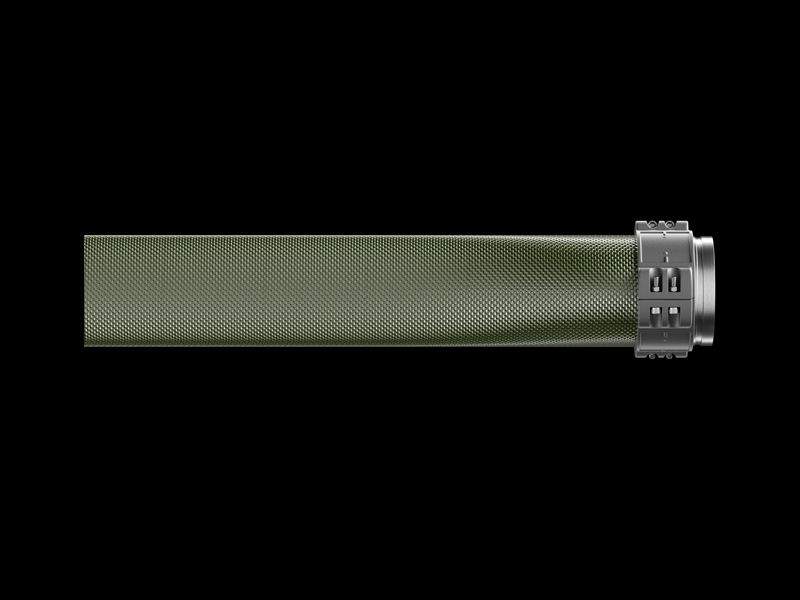
The wrong cleaning agent can permanently damage an Oil Hose, even if it quickly removes oil. Choosing the right product depends on the Oil Hose material, the oil type, environmental rules, and safety constraints.[15][8][2]
- Water‑soluble degreasers and dedicated oil‑removal solvents are widely used because they emulsify oil and rinse away with water, leaving minimal film.[12][10]
- Industrial safety solvents for oil removal are formulated to dissolve grease and oil without attacking metal surfaces and are often non‑flammable, but must still be checked for compatibility with the Oil Hose tube and cover.[9][10]
When selecting a cleaner for a specific Oil Hose fleet, many plants standardize on one or two products to simplify training, inventory, and waste handling. The cleaner should have clear instructions for dilution, contact time, and rinsing so Oil Hose cleaning remains repeatable and auditable across shifts.[15][10][8]
Cleaning is only worthwhile if the Oil Hose is structurally sound. A thorough inspection after cleaning ensures the Oil Hose can safely return to service without unexpected failure.[8][1][4]
- Visually examine the Oil Hose for cracks, bulges, exposed reinforcement, corrosion at fittings, or any sign of twisting and kinking.[1][4]
- For critical Oil Hose assemblies, many standards recommend periodic hydrostatic testing with water at rated working pressure to confirm integrity and check for leaks or cover blisters.[8][1]
Some organizations also specify internal cleanliness checks, such as flushing the Oil Hose into a white cloth or filter element and looking for dislodged particles. Where cleanliness classes are defined, the Oil Hose may be tested using particle counters or gravimetric methods as part of the requalification process.[5][4]
There are many situations where cleaning an Oil Hose is not enough and replacement is the only safe option. Attempting to reuse a compromised Oil Hose can lead to leaks, fire, or catastrophic system failure under pressure.[7][3][1]
- Replace any Oil Hose with exposed reinforcement, deep cuts, severe abrasion, hardened or blistered cover, or recurring leakage at crimp fittings.[7][1]
- When oil contamination includes metallic debris from a major mechanical failure, many maintenance programs specify replacing all Oil Hose assemblies rather than risk residual particles remaining inside.[6][2]
It is also good practice to replace an Oil Hose that has exceeded the manufacturer's recommended service life in high‑risk applications, even if it appears visually acceptable. In long‑distance temporary lines, such as TPU layflat Oil Hose arrays, planned replacement cycles can be aligned with project phases to avoid in‑service failures on critical work fronts.[5][1]
Instead of cleaning Oil Hose randomly, many plants and fleets schedule Oil Hose inspection, cleaning, and replacement using preventive maintenance plans. This approach improves uptime and makes budgeting for Oil Hose and solvent consumption more predictable.[5][4][1]
- Build a hose register with ID numbers, service conditions, installation date, and inspection history for each Oil Hose in critical circuits.[5][4]
- Define cleaning intervals, accepted cleaners, inspection checklists, and criteria for replacement versus reuse for each Oil Hose category.[1][8]
Preventive programs often link Oil Hose maintenance to other events such as oil sampling, filter changes, or scheduled shutdowns. For mobile fleets, checklists for Oil Hose inspection and cleaning can be integrated into pre‑shift or pre‑trip inspections to catch damage and contamination early.[3][5][4]
How an Oil Hose is stored after cleaning can either preserve the benefits of cleaning or quickly undo them. Proper storage protects both the inner tube and the outer cover from environmental damage and recontamination.[16][8][1]
- Store the clean Oil Hose in a cool, dry, dark area away from direct sunlight, ozone sources, and aggressive chemicals that can attack rubber or thermoplastic covers.[16][8]
- Support long Oil Hose lengths on suitable racks or coils with large diameters, avoiding tight bends, kinks, or heavy loads on a small portion of the hose.[16][4]
Cleaned Oil Hoses should have their ends capped or covered to prevent dust, insects, or moisture from entering the bore. For high‑cleanliness Oil Hose assemblies, sealed bags or dedicated cabinets can keep the inner surfaces clean until installation.[16][8][1]
Advanced TPU layflat Oil Hose offers distinct cleaning and handling advantages over some traditional multi‑layer hose constructions. For long‑distance oil or oil‑contaminated water transfer lines, the smooth, low‑energy TPU inner surface and flat‑lay profile make draining and flushing more efficient.[1]
- TPU layflat Oil Hose can be deployed and retrieved quickly, drained by gravity along the full length, and easily flushed with compatible cleaners or flushing oil.[1]
- Its flexible, collapsible structure lets maintenance teams flip, elevate, and section the Oil Hose more easily during cleaning, reducing trapped pockets and shortening downtime.[1]
As an engineering‑driven TPU layflat hose manufacturer, Sunmoon can help specify Oil Hose products and cleaning procedures that match your oil type, pressure, temperature, and site conditions, improving both cleanliness and service life. For large projects, Sunmoon's technical team can also support the design of deployment, draining, and flushing layouts that minimize solvent consumption and turnaround time while maintaining Oil Hose integrity.[1]
A clean Oil Hose is essential for safe, efficient operation of engines, hydraulic systems, and industrial oil transfer lines, and cleaning must be done with compatible solvents, controlled procedures, and proper inspection. By combining structured cleaning steps, preventive maintenance, good storage practice, and advanced TPU layflat Oil Hose technology from Sunmoon, operators can reduce downtime, protect equipment, and maintain clean, reliable oil circuits in demanding applications worldwide.[2][1]
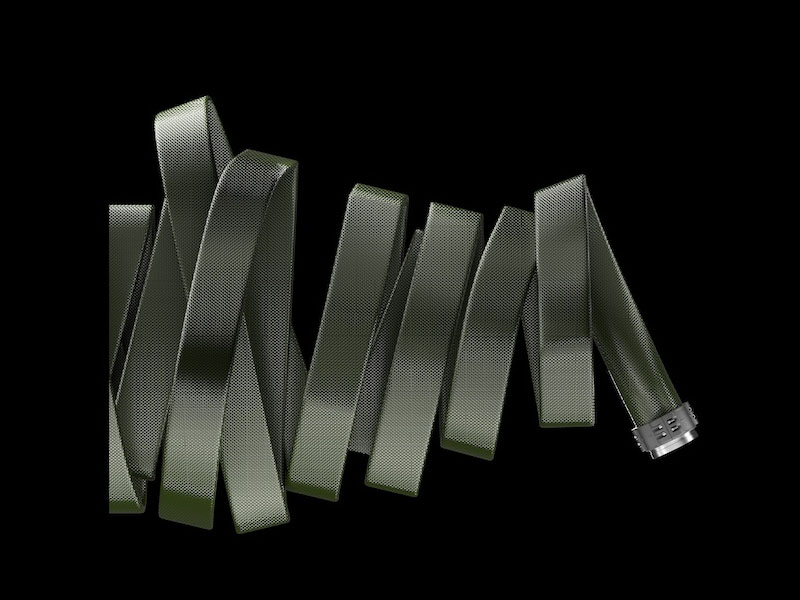
Cleaning frequency for an Oil Hose depends on operating hours, oil cleanliness targets, and environmental contamination levels rather than a fixed calendar interval. Many operators combine Oil Hose cleaning with scheduled shutdowns, oil changes, or component overhauls so the Oil Hose is flushed whenever major service work is performed.[5][4][1]
No, only solvents approved by the Oil Hose and system manufacturers should be used, because some aggressive chemicals can swell, crack, or weaken the hose tube or cover. Always check compatibility instructions and safety data sheets before applying a cleaner inside or outside the Oil Hose.[9][10][2][8]
High‑pressure water is useful for flushing some Oil Hose systems when the hose and fittings are rated for it, but excessive pressure can damage older or marginal hoses. For most applications, moderate pressure with suitable cleaners and good draining and air purging is enough to clean the Oil Hose without introducing new risks.[12][8][1]
If an Oil Hose shows cracks, bulges, exposed reinforcement, or persistent leakage, it must be replaced, because cleaning does not restore structural integrity. Oil Hoses exposed to severe contamination after catastrophic mechanical failures are often replaced as a precaution to avoid residual debris causing secondary damage.[7][6][2][1]
TPU layflat Oil Hose is easier to drain and flush because the hose can be laid flat over long distances, allowing gravity and low‑pressure flushing to work more effectively. Its smooth inner wall and optimized material design also help minimize residue buildup, reducing the time and solvent volume needed to keep an Oil Hose clean.[1]
[1](https://www.thehosemaster.co.uk/blogs/news/oil-fuel-hoses-essential-maintenance-and-safety-tips)
[2](https://www.speed-talk.com/forum/viewtopic.php?t=40493)
[3](https://www.gregorypoole.com/safety-and-maintenance-for-hydraulic-hoses/)
[4](https://www.macallister.com/hydraulic-maintenance-tips/)
[5](https://www.certags.com/workflow-management/preventive-hose-maintenance/)
[6](http://forums.pelicanparts.com/porsche-911-technical-forum/387415-best-way-clean-oil-lines-after-engine-blowup.html)
[7](https://hosemarket.com/et/maintenance-tips-for-oil-and-fuel-hoses/)
[8](https://lggindustrial.com/wp-content/uploads/2024/03/LGG_HoseUseMaintenance_V2_3262024.pdf)
[9](https://www.jetlube.com/product/clean-up-cleaner-safety-solvent-nsf-k1)
[10](https://www.titanlabs.net/oil-flo-safety-solvent-cleaner/)
[11](http://forums.sohc4.net/index.php?topic=46727.0)
[12](https://www.offshoreonly.com/forums/general-q/294630-flushing-oil-lines-what-use.html)
[13](https://www.youtube.com/watch?v=uLlSiL_LcHA)
[14](https://www.youtube.com/watch?v=I2HT1IAjngQ)
[15](https://www.safety-kleen.com/services/parts-washers/solvents-and-chemistries)
[16](https://www.perplexity.ai/search/10589a4f-440a-4a36-b630-02f20db03967)


