

Views: 222 Author: Loretta Publish Time: 2026-01-08 Origin: Site


Content Menu
● Core Keyword Focus For This Guide
● Safety Precautions Before Any Connection Work
● Step 1 – Gather Suitable Tools And Components
● Step 2 – Confirm The System Is Depressurized
● Step 3 – Measure Hose Length And Perform Clean Cuts
● Step 4 – Clean And Protect The Hose Ends
● Step 5 – Select Fittings That Match Hose And Ports
● Step 6 – Mark Insertion Depth And Orient Fittings
● Step 7 – Perform Correct Crimping Of Hose And Fittings
● Step 8 – Connect Hoses To Ports, Manifolds, Or Couplers
● Step 9 – Route And Secure Hoses With Proper Clamps
● Step 10 – Pressure Test And Inspect For Leakage
● Connection Tips For TPU Layflat Hose Assemblies
● When Replacement Is Better Than Reconnection
● Professional Engineering Support And Project‑Focused CTA
● FAQs About Connecting Hydraulic Hoses
>> FAQ 1 – How tight should hydraulic hose fittings be?
>> FAQ 2 – Can different hydraulic fitting standards be used together?
>> FAQ 3 – How can pressurized hydraulic hoses be connected more easily?
>> FAQ 4 – What is the correct bend radius for hydraulic hoses?
>> FAQ 5 – Can TPU layflat hoses be used in hydraulic systems?
Connecting hydraulic hoses correctly is critical for safety, reliability, and overall system efficiency in mobile and industrial equipment. A poor connection can lead to leaks, hose bursts, premature wear, and costly downtime that far exceed the cost of quality hoses and fittings.[1][2][3]
This guide explains how to connect hydraulic hoses step by step, how to avoid common installation mistakes, and how modern TPU layflat hose solutions can support long‑distance, high‑flow transfer in demanding projects.[4][5][1]
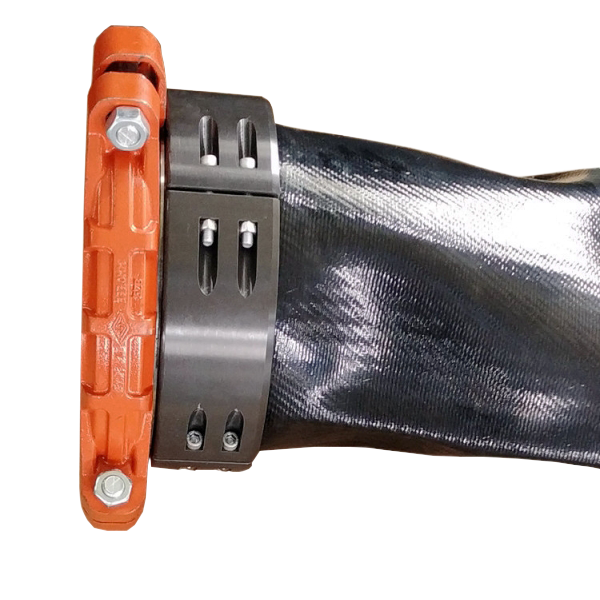
Hydraulic hose connection best practices are relevant for maintenance technicians, equipment owners, and engineers working with excavators, loaders, agricultural machinery, industrial power units, and fluid transfer systems. Correct connection methods are especially important when working with high‑pressure hydraulic circuits and long‑distance water transfer using TPU layflat hoses.[2][5][6][1][4]
- Mobile equipment: excavators, tractors, skid steers, harvesters, forklifts.[7][2]
- Industrial systems: presses, injection molding machines, power packs, test benches.[1][2]
- Long‑distance transfer: high‑pressure water, slurry, or chemicals via TPU layflat hose in mining, agriculture, or emergency pipelines.[6][8][4]
The primary keyword cluster for this guide is how to connect hydraulic hoses, supported by related terms such as hydraulic hose installation, hydraulic hose connection methods, and how to install hydraulic hose fittings. Additional long‑tail phrases include how to crimp hydraulic hose, how to connect hydraulic quick couplers, hydraulic hose routing best practices, TPU layflat hydraulic hose connection, and leak‑free hydraulic hose installation.[9][10][2][1]
Hydraulic systems often run at very high pressures, and a pinhole leak can inject fluid under the skin or cause serious eye injuries. Effective safety preparation is therefore the first essential step before touching any hydraulic hose or fitting.[3][1]
- Always depressurize the circuit and shut down the machine before disconnecting or connecting hoses.[7][1]
- Wear safety glasses, cut‑resistant gloves, and appropriate clothing to protect skin from high‑pressure leaks and sharp hose ends.[3][1]
On mobile equipment, cycling control levers with the engine off is a practical way to bleed residual pressure before opening the circuit.[11][7]
Starting with the correct tools and components reduces mistakes and rework and supports a more professional result. A typical hydraulic hose connection job requires a dedicated hose cutter, crimping machine (for permanent assemblies), matching fittings, and appropriate clamps or supports.[10][12][9]
Essential tools and materials include:[9][10][3]
- Hydraulic hose cutter for clean, perpendicular cuts
- Caliper or tape for accurate hose length and OD measurement
- Marking pen or chalk for insertion depth marks on the hose
- Crimping machine and dies matched to hose and fitting series
- Assorted fittings (straight, 45°, 90°, flanges, quick couplers)
- Clamps and supports for routing and strain relief
- Cleaning supplies (lint‑free rags, compatible solvent, caps/plugs)
For large‑volume water transfer using TPU layflat hose, additional equipment may include specialized couplings (e.g., Victaulic, camlock) and layflat hose deployment or retrieval systems.[8][4]
Before disconnecting or connecting hydraulic hoses, all trapped pressure should be released to avoid connection difficulties and safety risks. Pressurized hoses are harder to connect, may damage couplers, and can cause sudden hose movement or fluid injection accidents.[11][1][7]
Typical pressure‑relief steps:[3][7][11]
1. Shut down the power unit or engine and remove energy sources where possible.
2. Cycle the control levers in all directions several times to relieve trapped pressure.
3. Slowly loosen a fitting or test port with a rag over it, if permitted by procedures, to confirm pressure has dropped.
On attachments, operators sometimes temporarily connect the two attachment hoses together to equalize and relieve pressure before reconnecting to the machine.[13][7]
Correct hose length is essential because hoses that are too short will be overstressed and hoses that are too long can rub and wear prematurely. Accurate measurement also needs to account for the minimum bend radius and length change of the hose under pressure.[14][15][1]
Key points when measuring and cutting:[15][1][9]
- Respect the minimum bend radius specified for the hose; do not design bends tighter than the recommended value.
- Add modest extra length to accommodate hose length change under pressure (extension or contraction).
- Cut the hose square (perpendicular to the axis) using a dedicated cutter to avoid loose wires or jagged edges.
For TPU layflat hose, consider the deployed length, expected pressure expansion, and path around obstacles to avoid sharp edges, pinch points, or excessive drag.[4][8]
Contamination is one of the main causes of premature hydraulic component failure, so cleaning newly cut hose ends is a critical step. Dirt, rubber particles, and loose reinforcement can move into pumps and valves, generating wear and sticking problems.[9][3]
Best practices:[3][9]
- Wipe the hose bore and cover at each end with a clean lint‑free rag.
- Use a fluid‑compatible solvent to remove oil, dust, and small particles from hose ends and fittings.
- Immediately cap hose ends and fittings with protective plugs until assembly to minimize new contamination.
For TPU layflat hoses stored outdoors, keeping couplings capped and coils off the ground helps reduce contamination and moisture ingress.[6][4]
Choosing the right hydraulic hose fittings ensures a leak‑free, mechanically sound connection that matches system pressure, fluid, and environmental conditions. Fittings must be compatible with the hose construction, port types, and international standards used in the system.[12][10]
When selecting fittings, consider:[10][12][14]
- Hose size and construction (inner tube material, reinforcement type, cover)
- Connection style: threaded (NPT, BSP, JIC, ORFS), flange, quick‑connect, or barbed
- Pressure rating and temperature limit that meet or exceed system requirements
- Sealing method: O‑ring, metal‑to‑metal flare, bonded seal, or gasket
- Corrosion resistance and environmental exposure conditions
For TPU layflat hose assemblies, typical end options include Victaulic‑type grooved couplings, camlock fittings, manifolds, and custom flanged adapters for high‑pressure water and fluid transfer applications.[16][8][4]
Marking insertion depth on the hose is a simple but important step that confirms the fitting is fully seated after crimping. Incomplete insertion can reduce pull‑off resistance and increase the risk of leakage or fitting blow‑off under pressure.[10][9]
Key actions:[9][10]
- Use manufacturer data to determine the correct insertion depth for each fitting series.
- Mark the hose cover clearly at the target depth using chalk or permanent marker.
- Align fitting orientation (especially elbows) before crimping so the assembly fits naturally during installation.
For multi‑hose bundles or manifolds, pre‑position all angles relative to each other before crimping to avoid torsion and stress during final installation.[14][1]
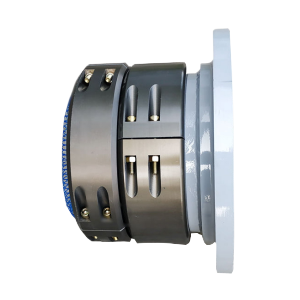
Proper crimping locks the fitting onto the hose reinforcement and produces a reliable hydraulic seal. Modern crimp machines use specific dies and settings for each hose‑and‑fitting combination, and mixing brands or using incorrect settings can create unsafe assemblies.[12][10][9]
Typical crimping procedure:[10][9]
1. Confirm the die set, crimp diameter, and machine setting match the hose type and fitting series.
2. Insert the hose until the insertion mark aligns with the fitting back, then place the assembly in the crimp head.
3. Activate the crimp cycle and measure the finished crimp diameter to verify it is within the specified tolerance.
For TPU layflat hose with external couplings, the “crimp” may involve mechanical clamping collars, swaged ferrules, or bolted clamps that must follow defined torque and compression values for secure holding.[8][4]
Once assemblies are complete, they can be installed into the hydraulic system. Careful connection technique helps prevent thread damage, side loading, and seal extrusion.[1][12]
Recommended habits:[12][14][1]
- Start threaded joints by hand to avoid cross‑threading, then use a torque wrench where feasible to reach the specified torque.
- Support the hose so its weight does not pull directly on the fitting or port.
- Use straight, 45°, 90°, and flange adapters to avoid forcing the hose into a tight bend at the connection.
For quick‑coupler connections, ensure both sides are clean, depressurized, and fully locked with the collar or sleeve engaged to avoid partial engagement and blow‑off.[17][7]
Even a perfectly crimped assembly can fail early if it is routed poorly, because abrasion, twisting, and excessive bending are common causes of hose damage. Good routing and clamping control hose movement, minimize wear, and reduce operator risk.[15][14][1]
Routing rules:[14][15][1]
- Avoid twisting the hose; a twisted hose often shows spiral cover markings and fails earlier.
- Respect the minimum bend radius and avoid sharp bends next to fittings.
- Keep hoses away from moving parts, hot surfaces, and pinch points with clamps, clips, or protective sleeves.
TPU layflat hoses should be routed over relatively smooth surfaces and protected or bridged where they cross roads or sharp edges so that the cover is less exposed to concentrated abrasion.[16][4][8]
After connecting hydraulic hoses, a controlled test is essential to confirm that joints, clamps, and hose sections perform properly before full‑load operation. This protects equipment, operators, and the environment from avoidable failures.[2][1][3]
Suggested sequence:[2][1][3]
1. Carry out a visual inspection at low pressure to check alignment, clamp positions, and absence of kinks.
2. Gradually raise pressure to operating level while observing all connections for sweating, drips, or jet leaks.
3. Shut down and re‑torque fittings if necessary, then repeat the test to confirm stability.
For TPU layflat hose pipelines, pressure testing is often done in defined sections, with documentation of working pressure, test pressure, and hold time to demonstrate integrity.[4][8]
Several recurring mistakes often lead to premature failures and safety incidents in hydraulic systems. Understanding these errors helps technicians and engineers design and install more reliable assemblies.[1][2][14]
Common problems include:[2][14][1]
- Using fittings or hoses with lower pressure ratings than the system
- Ignoring minimum bend radius and forcing tight bends next to fittings
- Mixing incompatible fitting standards or seal types
- Failing to clean hose ends and ports, increasing contamination levels
- Leaving hoses unsupported so they rub, vibrate, or whip during operation
On long TPU layflat lines, under‑estimating ground abrasion, vehicle crossings, or surge pressures can also cause early damage unless protection and surge control are included in the design.[8][16][4]
TPU layflat hose is designed to be flat when depressurized and round when in service, which makes it very attractive for long‑distance, high‑flow transfer but also requires thoughtful coupling and anchoring. Proper connection methods support both performance and service life in demanding applications.[5][6][4]
Practical tips:[5][16][4][8]
- Choose couplings designed specifically for TPU layflat construction, with suitable clamping and reinforcement engagement.
- Use strain relief and anchors near end connections to reduce pull‑off risk when the hose straightens under pressure.
- Plan deployment and retrieval routes that minimize dragging over sharp or highly abrasive surfaces.
Engineering‑driven TPU layflat hose suppliers can provide performance data, coupling recommendations, and application engineering support for mining, municipal, agricultural, and emergency pipeline projects.[6][4][8]
Not all issues can be solved by reconnecting existing hoses, and some damage patterns indicate that replacement is the safer choice. Reusing badly damaged hoses can lead to sudden failures and unexpected downtime.[1][2][3]
Hoses should be replaced when they show:[2][14][1]
- Cracked, blistered, or deeply abraded cover that exposes reinforcement
- Kinks at or near fittings or permanent flattening in bends
- Corroded fittings, damaged threads, or persistent leaks after correct tightening
For TPU layflat hose, sections with cuts, severe abrasion, bulges, or visible reinforcement damage should be removed from service rather than operated at high pressure.[16][4][8]
Hydraulic hose connection quality directly affects uptime, maintenance cost, and personnel safety, especially in large projects with many lines and high pressures. Working with an engineering‑driven TPU layflat hose manufacturer enables you to align hose selection, connection methods, and routing design with the technical demands of each project.[5][4][6][1][2]
If your team is planning high‑pressure water transfer, mining dewatering, agricultural irrigation, or emergency pipeline deployment, consider contacting a specialized TPU layflat hose partner to:
- Review your system pressure, flow, and routing requirements and recommend suitable hose types and couplings.
- Customize hose assemblies, manifolds, and accessories that simplify connection and reduce on‑site installation time.
- Establish clear inspection, testing, and replacement guidelines that support safer, more predictable long‑term operation.
A targeted consultation can turn your connection practices into a repeatable standard, reducing failures and helping global projects run more efficiently.
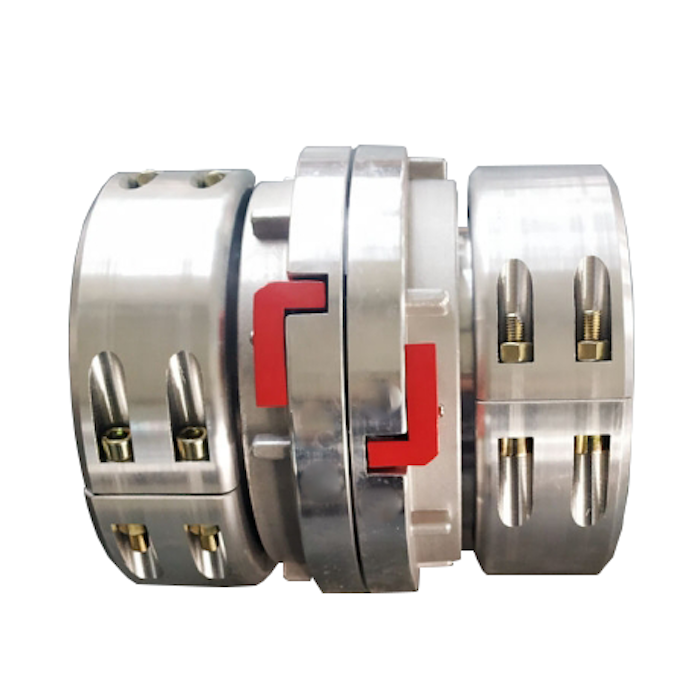
Hydraulic fittings should be tightened enough to achieve a reliable seal without over‑stressing threads or crushing seals, and most manufacturers publish recommended torque ranges by thread size and material. Over‑tightening can distort metal‑to‑metal and O‑ring seals, while under‑tightening often causes slow seepage or small leaks around the joint.[12][10][1]
Mixing thread standards such as NPT, BSPP, BSPT, JIC, and metric without proper adapters can cause cross‑threading, poor sealing, and unsafe connections. The safer practice is to identify the existing port standard and either use matching fittings or certified adapters that convert cleanly between standards.[10][12]
Hydraulic quick couplers are difficult to connect if one or both sides are still under pressure, so relieving pressure on both sides of the connection is essential. Practical methods include shutting down the machine, cycling control levers, and, where procedures allow, briefly loosening a fitting or test port while wearing proper PPE to release trapped pressure.[17][7][11]
Each hose type has a specified minimum bend radius that must not be exceeded to protect the reinforcement and maintain pressure rating and service life. If available space does not allow a bend at or above the recommended radius, elbows or adapters should be introduced so the hose can follow a more gentle path.[15][14][1]
TPU layflat hoses are typically optimized for high‑pressure water, slurry, and certain chemicals rather than for closed‑loop hydraulic oil circuits feeding cylinders and motors. They are well suited for long‑distance fluid transfer that supports hydraulic systems, while traditional wire‑reinforced rubber and thermoplastic hoses remain the main choice for the closed hydraulic circuit itself.[4][5][6][1][2]
[1](https://mac-hyd.com/2018/08/21/proper-hydraulic-hose-installation/)
[2](https://cylindersinc.com/blog/proper-hydraulic-hose-installation-and-routing)
[3](https://bejac.com/best-practice/bp-hydraulic-hose.html)
[4](https://www.sunhose.com/tpu-layflat-hose/)
[5](https://kingdaflex.com/what-is-tpu-hose/)
[6](https://www.eastophose.com/news_detail/18.html)
[7](https://www.orangetractortalks.com/forums/threads/trouble-with-connecting-hydraulic-hoses.9859/)
[8](https://www.austinhose.com/itemdetail/AH-16-TPU-660FT-M-A)
[9](https://blog.brennaninc.com/how-to-connect-hydraulic-fittings)
[10](https://ibtinc.com/ultimate-guide-hydraulic-hose-fittings/)
[11](https://www.reddit.com/r/tractors/comments/1471h5x/is_there_some_trick_to_using_this/)
[12](https://www.magisterhyd.com/faq/basics-of-hydraulic-hose-fittings/)
[13](https://www.youtube.com/watch?v=4u9XRsW9T28)
[14](https://www.crossco.com/resources/technical/hydraulic-hose-routing/)
[15](https://www.coastalhydraulics.net/technical-library/Gates%20Hose/HoseRoutingTips.pdf)
[16](https://www.orientflexhose.com/project/tpu-layflat-hose/)
[17](https://www.youtube.com/watch?v=FFuSpkXIza0)


