

Views: 222 Author: Loretta Publish Time: 2026-01-01 Origin: Site


Content Menu
● Before You Start: Safety, Tools, and Hose Types
>> Safety Checklist for Water Hose Repair
>> Essential Tools and Materials
>> Know Your Hose Material and Size
● Step 1: Identify Where Your Garden Hose Is Leaking
● Step 2: Measure the Hose and Select the Right Repair Kit
>> How to Measure Your Garden Hose
>> Matching Repair Hardware to Hose Type
● How to Fix a Leaking Water Hose by Leak Position
>> Fixing a Hose Leaking at the End
>> Fixing Leaks at the Male or Female Connector Foot
>> How to Fix a Hole in the Middle of a Garden Hose
>>> Method 1: Using a Clamp Coupler
>>> Method 2: Using Hose Clamps and a Copper Tube
>>> Method 3: Using a Compression Mender
● Other Common Water Hose Problems and Fixes
>> Damaged Hose End (Cracked or Broken Tip)
>> Constant Dripping at Fittings
>> Holes, Cuts, and Abrasions Along the Hose
>> How to Fix a Clogged Garden Hose
>> Kinks and Crimps Reducing Water Flow
● When to Repair and When to Replace a Water Hose
>> Signs That Replacement Is a Better Option
>> Benefits of Choosing a Higher-Grade Hose
● Pro Tips to Prevent Future Water Hose Leaks
● Restore Your Hose Performance Today
● FAQs: How to Fix and Maintain a Garden Hose
>> 1. How much does it cost to repair a water hose?
>> 2. Can you patch a hose with tape?
>> 3. What type of hose is best for water use?
>> 4. How do I stop my garden hose from kinking?
>> 5. When should I replace instead of repair a garden hose?
Is your garden hose leaking, dripping, or losing pressure at the worst possible time? A damaged water hose does not always need to be replaced; with a few basic tools and the right method, you can repair most leaks in minutes and extend the life of your hose.
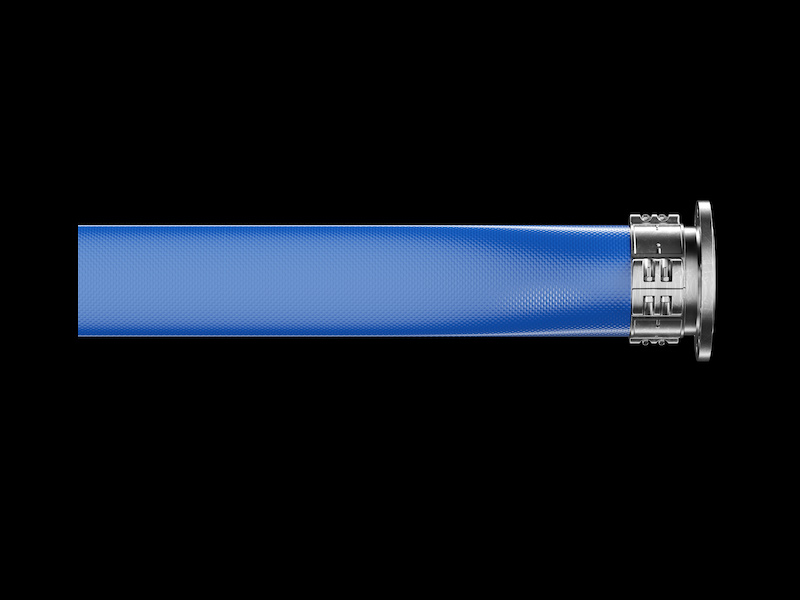
Preparing properly makes hose repair safer, faster, and more reliable. Simple checks and the right tools prevent new damage while you fix existing leaks.
- Turn off the water supply at the faucet before touching the hose.
- Release residual pressure by opening the spray nozzle and letting remaining water drain out.
- Wear gloves to protect your hands from sharp hose edges, metal clamps, or utility knives.
- Work on a flat, dry surface so the hose will not roll or slip while cutting or tightening fittings.
Gathering what you need in advance helps you complete the repair in one smooth operation.
Common tools:
- Philips-head screwdriver
- Flat-head screwdriver
- Pliers
- Utility knife or hose cutter
- Measuring tape
Typical repair materials by leak position:
Repair material | Best for this leak position |
Rubber washers | Leaking at the hose end or dripping at fittings |
Clench hose menders | Leaking at male or female connector foot |
Hose clamps | Leaks in the middle of the hose |
Clamp couplers | Middle-of-hose leaks with cut-out sections |
Compression mender | Middle-of-hose leaks where strong sealing is needed |
Understanding hose type and size helps you choose compatible repair parts and avoid new leaks after installation.
- Most residential garden hoses use inner diameters of 1/2 inch, 5/8 inch, or 3/4 inch.
- The outer diameter is typically about 1/8 larger than the inner diameter.
- A flexible tape measure can be used to estimate the outer diameter and match it to a standard size on repair kits.
Locating the exact leak position is the foundation of every successful water hose repair. Different leak locations require different methods and hardware.
- Lay the hose straight on the ground and slowly turn the water back on.
- Walk the full length of the hose and look for sprays, drips, or damp spots.
- Run your hand along the hose to feel for moisture where leaks are not visually obvious.
Typical leak positions include the hose end, the connector foot, and the middle of the hose, each of which can be fixed with specific techniques and parts.
Using correctly sized components prevents loose joints, blowouts, and new leaks after repair. Accurate measurement leads to a more durable result.
- Use a flexible tape to measure the outer diameter of the hose on an undamaged section.
- Match this measurement to standard inner diameter sizes (1/2, 5/8, or 3/4 inch) listed on repair kit packaging.
- Choose the closest standard size and make sure the fitting slides in snugly without crushing the hose wall.
Different hose materials respond differently to clamps, couplers, and compression fittings.
- Rubber and reinforced PVC hoses typically work well with clamp couplers, compression menders, and standard hose clamps.
- Flat or more specialized hoses require compatible couplers or compression fittings recommended for that structure and pressure rating.
- Avoid overtightening any clamp, as excessive force can cut into the hose and create additional leaks.
Once the leak location and hose size are confirmed, select the repair method that matches the position and severity of the damage.
Leaks at the hose end are usually caused by worn or missing rubber washers inside the female fitting. This is one of the quickest repairs.
Step-by-step: Repairing a leaking hose end
1. Disconnect the hose from the outdoor faucet and remove any spray nozzle or attachment.
2. Look inside the female hose fitting for the rubber washer seat.
3. Remove any cracked, flattened, or damaged washer with a small flat screwdriver or pick.
4. Insert a new rubber washer of the correct size, making sure it sits flat and centered.
5. Reattach the hose and slowly turn on the water to check for leaks.
If the metal or plastic fitting itself is split or crushed, replace the entire hose end using a repair kit with a new connector.
Connector-foot leaks appear where the hose body meets the base of the fitting and often indicate damage at that transition point.
How to repair a leaking connector with a clench hose mender
1. Remove the hose from the faucet and all attachments.
2. Use a sharp utility knife to cut off the damaged portion at the connector foot with a clean, straight cut.
3. Insert the narrow barbed section of the new connector or clench hose mender into the hose interior.
4. Bend or tighten the tangs or clamp system evenly around the hose to secure the connection.
5. Do not overtighten, as this can puncture or deform the hose wall.
6. Reconnect the hose and test it under normal water pressure.

Middle-of-hose leaks usually result from cuts, punctures, abrasion, or long-term exposure to pressure and sunlight. These sections can be removed and bridged.
There are three reliable methods for repairing middle-of-hose leaks.
This is a simple approach for replacing a short damaged segment.
1. Cut out the entire damaged portion of the hose, leaving clean, straight ends on both sides.
2. Loosen or unscrew the clamp coupler to expose the barbed center section.
3. Push one hose end fully onto one side of the barbed coupler.
4. Tighten the clamp on that side with a screwdriver until snug.
5. Repeat with the other hose end on the opposite side of the coupler and tighten that clamp.
6. Turn on the water and inspect for any seepage around the coupler.
This method creates a strong, long-lasting joint suitable for frequent, high-pressure use.
1. Cut out the damaged section of the hose.
2. Slide one hose clamp onto each of the remaining hose ends.
3. Insert the correct-size copper tube into the first hose end until it is properly seated.
4. Position the clamp over the hose area covering the copper tube and tighten it firmly with a screwdriver.
5. Repeat the process with the second hose end on the other side of the copper tube.
6. Tighten both clamps evenly to create a secure, leak-free seal, then test with water.
A compression mender offers a clean look and strong sealing without exposed screw clamps.
1. Remove the leaking portion of the hose with straight cuts.
2. Slide the compression nuts or caps onto each hose end if required by the mender design.
3. Insert the central body of the compression mender into one hose end and then into the other.
4. Tighten the compression nuts or caps first by hand, then with a wrench as needed, avoiding excessive force.
5. Run water through the hose and check carefully for leaks around both joints.
Not all hose problems are simple leaks; issues like damaged ends, clogs, and kinks can also reduce performance and cause frustration.
A cracked or broken tip causes erratic spray patterns and water wastage whenever the hose is in use.
Solution:
- Trim the damaged tip with a utility knife to expose a clean, round end.
- Install a new male or female hose fitting from a repair kit, following the same steps used for connector-foot repair.
- Tighten the clamp or tang system evenly and test the hose for leaks.
Ongoing drips around fittings usually come from worn rubber washers or poor thread sealing rather than from the hose body.
Solution:
- Remove the hose from the faucet and remove any attached nozzle.
- Inspect the washer inside the fitting and replace it if it is worn, cracked, or missing.
- Reassemble all components and hand-tighten firmly; avoid using pliers on plastic threads to prevent cracking.
Small holes and cuts can quickly grow under pressure and reduce the useful life of the hose if they are not handled promptly.
Solution:
- Disconnect the hose and cut out any badly torn or deeply abraded section.
- Restore the hose with one of the three middle-of-hose repair methods: clamp coupler, hose clamps with copper tube, or compression mender.
Clogs often appear as low flow, uneven spray, or no water coming through the nozzle despite normal pressure at the faucet.
Solution:
- Detach both ends and look through the hose to see whether the blockage is visible.
- Use a plumber's snake or a length of flexible wire to gently push out debris from inside the hose.
- Flush water through the hose from the opposite direction of normal flow to remove remaining particles.
- Check the spray nozzle and any filters or screens for mineral buildup and clean them as needed.
Kinks and crimps restrict flow, stress the hose material, and can eventually cause cracks at bend points.
Solution:
- Straighten the hose completely and run water through it while gently massaging kinked areas to help the material relax.
- Store the hose on a hose reel or wide-radius hanger to avoid tight coils and sharp bends.
- Choose kink-resistant hose designs, such as reinforced constructions, to reduce the chance of permanent deformation.
Deciding whether to repair or replace depends on the number of leaks, overall hose condition, and the demands of the application.
Replacement is usually more practical than repeated repair in the following situations.
- Multiple leaks appear along the length of the hose.
- The outer cover is brittle, badly cracked, or heavily sun-damaged.
- The hose kinks frequently even after careful storage and straightening.
- Connectors are corroded, cross-threaded, or repeatedly fail after being repaired.
Upgrading to a more robust hose design improves reliability and reduces the need for frequent repair work.
- Lightweight flexibility reduces strain during deployment and retrieval.
- Improved abrasion resistance limits damage from dragging over rough surfaces.
- Better kink resistance helps maintain consistent water flow and protects against stress points.
- Extended service life lowers long-term replacement and maintenance costs.
Good habits and correct storage can significantly extend the life of any hose, even in demanding environments.
- Avoid dragging the hose over sharp edges, metal corners, and rough concrete whenever possible.
- Do not leave a pressurized hose lying in direct sunlight for long periods; shut off the faucet after use.
- Drain water from the hose after use and store it in a cool, shaded place.
- Use a hose reel or wide-radius hanger instead of tight hooks or small nails.
- Select hoses made from reinforced materials with UV resistance and kink-reduction features to minimize future failures.
With the methods above, it is straightforward to fix a water hose at the end, at the connector foot, or in the middle, and to solve related issues such as clogs, kinks, and damaged fittings. Start by inspecting your current hose, choosing the repair technique that matches the leak position, and applying the step-by-step instructions to stop water loss and restore full flow. If the hose shows widespread damage or repeated failures even after careful repair, plan your next upgrade and select a higher-quality hose system that delivers stable, long-term performance for your garden, construction site, or industrial application.
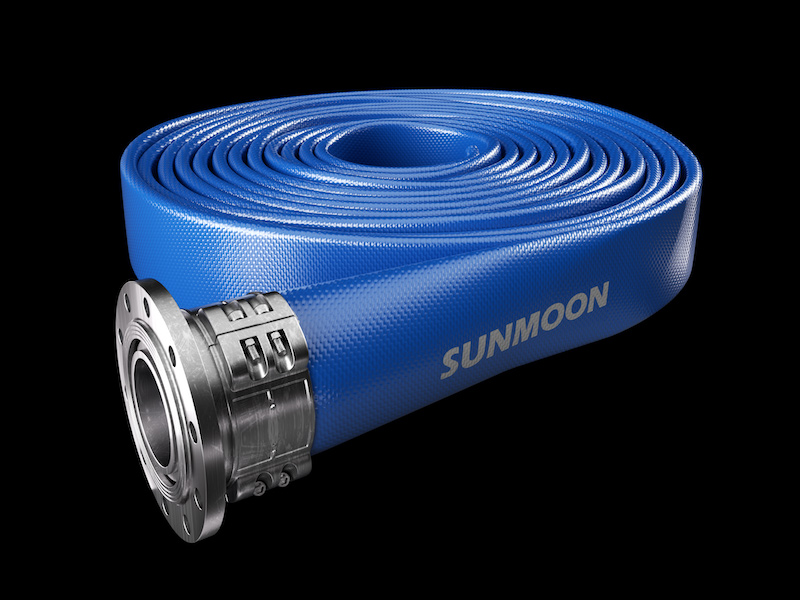
Repair costs are usually modest, because common hose repair materials such as clamps and mender kits often range from about 5 to 10 USD, and basic tools like screwdrivers and pliers add roughly 20 USD if purchased specifically for this task. For most users, repairing a garden hose is considerably more economical than purchasing a new hose of similar quality.
Yes, small leaks can be patched temporarily using electrical tape, duct tape, or dedicated hose repair tape, provided the hose is clean and completely dry before wrapping. Wrap the tape tightly with overlapping layers around the damaged area, but plan to follow up with a proper coupler or mender if a long-term fix is required.
Common materials for water hoses include rubber, vinyl, and reinforced PVC, each with its own balance of flexibility, durability, and cost. For heavier-duty use, reinforced constructions generally provide better abrasion resistance, kink performance, and overall service life when selected and installed correctly.
To reduce kinking, avoid tight coils, store the hose on a wide-radius reel or hanger, and do not drag it sharply around corners. Selecting a hose with kink-resistant construction also helps maintain a stable water path and reduces stress on the hose walls over time.
Replacing is usually the better option when multiple leaks appear, when the outer jacket is badly cracked, or when connectors fail repeatedly even after being serviced. In those situations, investing in a more durable hose often provides better long-term value than repeated repairs on a severely degraded product.


