

Views: 222 Author: Loretta Publish Time: 2026-01-08 Origin: Site


Content Menu
● Understanding Hydraulic Hose Pressure And Residual Pressure
● Why Relieving Pressure On Hydraulic Hoses Is Essential
● Typical Situations That Require Hose Depressurization
● Safe General Procedure Before Relieving Pressure
● Method 1: Using Built‑In Pressure Relief Devices
● Method 2: Cycling Control Valves To Bleed Residual Pressure
● Method 3: Carefully Loosening Hose Fittings As A Last Resort
● Additional Tools And Techniques For Couplers And Attachments
● How To Confirm That Pressure Has Been Fully Relieved
● Personal Protective Equipment And Safe Body Positioning
● Standards And Engineering Best Practices
● Typical Errors To Avoid When Releasing Hose Pressure
● Building A Safe Pressure‑Relief Routine For Your Site
● TPU Layflat Hoses And Safe Pressure Management
● Oriented Next Steps For Engineers, Maintenance Teams, And Buyers
● FAQs
>> FAQ 1: Does turning off the machine remove all hydraulic pressure?
>> FAQ 2: How can I tell if a hydraulic hose is still under pressure?
>> FAQ 3: Is it safe to crack a fitting to relieve pressure?
>> FAQ 4: What standards apply to hydraulic pressure relief?
>> FAQ 5: Why are special tools used on quick couplers?
Residual pressure in a hydraulic hose can cause sudden fluid release, serious injury, and unexpected equipment damage if it is not safely relieved before maintenance or disconnection. This guide explains how residual pressure forms, how to remove it using practical methods, and how to apply safety standards and best practices in workshops, plants, and mobile equipment.[1][2][3][4]
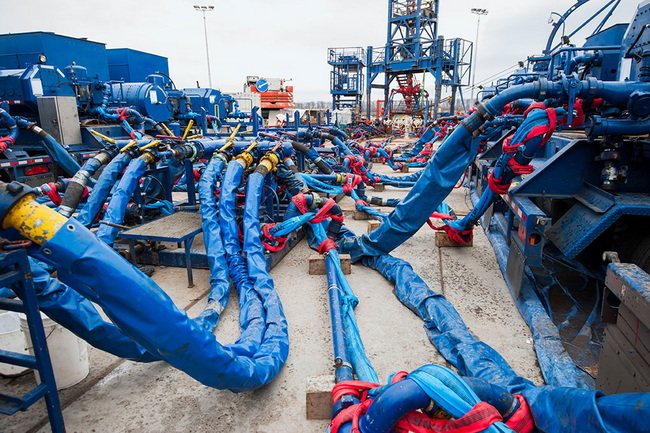
Hydraulic hoses carry pressurized fluid between pumps, valves, and actuators to transmit power throughout the system. Even after the pump stops and the machine is turned off, pressure can remain trapped in hoses, cylinders, and sub‑circuits; this is known as residual pressure.[2][3][5][1]
Residual pressure may be caused by check valves, closed control valves, thermal expansion of fluid, or the elasticity of hoses and seals that store energy. If this pressure is not removed before opening the circuit, it can result in fluid injection, hose whip, or sudden movement of components.[3][6][1][2]
Working on a pressurized hose exposes technicians to high‑energy hydraulic fluid that can penetrate skin, damage eyes, or cause burns and bruising. It also increases the chance of hose bursts, fitting blow‑offs, and damage to surrounding components or structures.[6][1][2]
From a reliability standpoint, leaving hoses and couplings under unnecessary pressure accelerates fatigue of reinforcement, seals, and threads, shortening service life. Safety standards for hydraulic fluid power systems emphasize that pressure must be controlled and safely relieved before maintenance or adjustment is performed.[4][7][1][2]
Any task that opens a hydraulic line or disturbs hose connections requires complete pressure relief in the affected section. Common examples include hose replacement, fitting changes, valve servicing, cylinder repair, and leak investigation.[5][2][3]
On mobile equipment, pressure must also be relieved before disconnecting or reconnecting quick couplers for implements or attachments. In industrial systems, depressurization is mandatory before isolating sections of pipework or hose manifolds for inspection, flushing, or modification.[8][9][2][5]
Before using any specific method, operators should put the hydraulic system into the safest possible state. This usually includes lowering suspended loads, retracting cylinders where practical, and using mechanical supports or locks so components cannot move unexpectedly.[2][3][5]
The power source should then be shut down and secured, for example by turning off the engine or motor, isolating electrical supply, and locking controls in the appropriate position according to site procedures. Only when the system is stable and the pump is fully stopped should operators proceed to relieve residual pressure in hoses.[3][5][2]
Many modern hydraulic systems include dedicated devices that provide a controlled path for fluid to return to the reservoir when pressure must be removed. These may be manual bleed valves, tank‑return valves, manifold bleed screws, or specific depressurization valves operated by levers or knobs.[4][3]
A typical sequence is to confirm the pump is stopped, place the main control in the recommended position, and then slowly open the designated valve so pressure can decay while being monitored on a gauge. Once the gauge reads near zero and no further fluid flow is observed, the relevant hoses can generally be considered depressurized for maintenance, subject to manufacturer instructions.[5][2][3]
Where no dedicated bleed valve is provided, residual pressure is often relieved by carefully cycling existing control valves with the power off. With the pump stopped, operators move directional controls through all positions, including neutral, extend, retract, and float or detent positions where applicable, to connect lines back to the reservoir.[10][11][3]
On mobile machines, cycling joysticks and pedals for auxiliary circuits several times helps equalize pressure on both sides of cylinders and within hoses, making attachments easier to connect or disconnect. The process should always be performed from a safe standing position, and pressure should be confirmed as reduced using gauges or diagnostic ports where available.[11][10][2][3]
If pressure remains trapped and cannot be relieved through built‑in valves or control cycling, technicians may need to bleed pressure directly at a connection. This is a last‑resort method because cracking a fitting under pressure can cause fluid spray or sudden hose movement.[12][1][6][3]
Best practice is to wear full personal protective equipment, stand to the side of the connection, shield the area with a cloth, and use appropriate tools to very gradually loosen the fitting until a controlled release of fluid is observed. The fitting can then be tightened, pressure allowed to decay, and the process repeated if necessary until no more pressure is present before fully disconnecting the hose.[12][2][3]
In some applications, dedicated devices are used to relieve pressure at quick couplers or hose ends without exposing operators directly to fluid jets. These tools often depress the internal poppet or ball while containing the released fluid, making reconnection easier and reducing the risk of spray.[9][13]
On agricultural and construction equipment, operators may also manage thermally induced pressure by keeping hoses out of direct sunlight where possible and allowing components to cool before attempting to relieve or reconnect lines. Such measures support, but do not replace, a proper depressurization procedure that follows equipment documentation.[13][14][2][3]
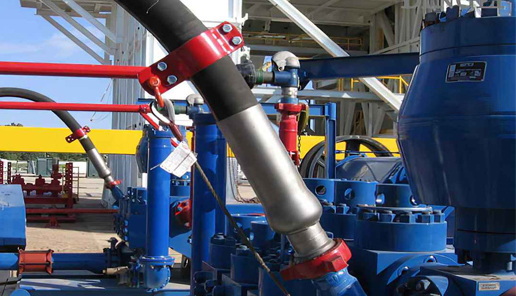
A hose that remains under pressure often feels unusually stiff or difficult to bend compared with an unpressurized section, but tactile feedback alone is not considered a reliable safety check. Visual signs such as slight swelling or tension at fittings may also indicate that internal energy is still present.[1][2][12]
The most dependable verification method uses pressure gauges or diagnostic test ports located at appropriate points in the hydraulic circuit. After pressure‑relief steps, technicians confirm that gauge readings are at or near zero and that no further fluid flow or movement is observed before loosening any hose connections.[2][3][12]
Guidance from hose and hydraulic safety experts recommends that technicians always wear eye or face protection, oil‑resistant gloves, and suitable protective clothing when working on hydraulic lines. This helps reduce the consequences of accidental sprays or small leaks during pressure‑relief operations.[6][1][2]
Technicians should avoid standing directly in front of hose ends or potential leak points and instead position themselves to the side, with hands and face kept away from expected spray paths. Using barriers, rags, or shields at fittings further reduces exposure to high‑velocity fluid if pressure has not been fully relieved.[1][3][6][2]
International hydraulic safety standards describe general rules for system design, control of pressure, and safe maintenance. These documents highlight the need for pressure‑limiting devices, system layouts that minimize trapped energy, and clear instructions for safe de‑energizing before work is performed.[7][15][4]
Maintenance guidelines recommend that pressure‑relief procedures be incorporated into lockout‑tagout or isolation practices for hydraulic machinery. Organizations that align their internal procedures with these standards typically achieve better safety performance and more consistent hose reliability across different sites and equipment types.[5][2]
One common mistake is assuming that switching the machine off automatically removes hydraulic pressure from all hoses. In practice, residual pressure frequently remains in isolated sections, especially when check valves or closed controls prevent fluid from returning to the reservoir.[3][2]
Other frequent errors include loosening fittings too quickly, standing in line with hose ends, using inadequate PPE, and bypassing written procedures in favor of unofficial shortcuts. Repeatedly cracking fittings under pressure can also damage sealing surfaces and threads, leading to chronic leakage problems and earlier hose replacement.[6][1][2]
A structured routine helps technicians release hydraulic hose pressure consistently and safely in everyday work. This usually combines manufacturer instructions for each machine with site‑specific isolation rules, PPE requirements, and housekeeping practices.[2][5]
Written work instructions, toolbox talks, and periodic training reinforce correct steps such as shutdown, application of pressure‑relief methods, verification of zero pressure, and careful disconnection. Regular inspections of hoses, fittings, gauges, and relief devices further support safe operation and early detection of potential issues.[1][2]
In applications that combine hydraulic power with long‑distance fluid transfer, TPU layflat hoses are often used to move water or other media under significant pressure. Their lightweight design, high abrasion resistance, and compact storage can simplify deployment and handling during pressure‑relief and maintenance tasks.[12][3]
When selecting TPU layflat hoses, engineers match working pressure, burst pressure, safety factor, and coupling design to system requirements and site standards. These hoses must still be fully depressurized before inspection or disconnection, using the same principles and safety precautions applied to conventional hydraulic hoses.[4][3][12][2]
Engineering and maintenance leaders can significantly reduce hydraulic risk by reviewing current pressure‑relief practices against equipment manuals and recognized safety standards, then closing any gaps with written procedures and staff training. This often includes standardizing shutdown and depressurization steps across similar machines, improving access to gauges, and ensuring dedicated relief valves or tools are available where needed.[4][5][2]
Procurement and project teams can integrate these safety expectations into specifications for hoses, couplings, and TPU layflat hose solutions, including clear requirements for pressure ratings, documentation, and support from engineering‑driven manufacturers. By combining robust hardware with disciplined pressure‑relief routines, organizations protect personnel, reduce unplanned downtime, and extend the service life of critical hydraulic hose systems.[3][12][1][2]
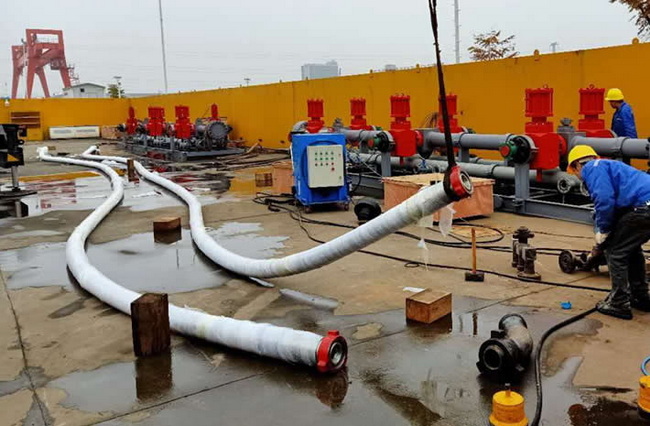
No. Turning off the machine and stopping the pump does not automatically remove residual pressure from hoses, cylinders, or isolated sections of the circuit. Dedicated pressure‑relief steps are still required before any hose or fitting is opened or disconnected.[5][2][3][4]
A hose that is still pressurized may feel stiff, tight, or difficult to bend compared with a similar unpressurized hose. The safest approach is to check installed gauges or use diagnostic test ports to confirm that line pressure is at or near zero before working on the hose.[12][2][3]
Cracking a fitting under pressure is hazardous and should only be considered after safer relief methods have been fully applied without success. If this method is absolutely necessary, it must be performed slowly with full PPE, side positioning, and shielding to minimize exposure to fluid release.[6][1][3][12]
Hydraulic safety standards describe general rules for controlling pressure, limiting surges, and safely maintaining hydraulic systems. These documents stress the need for pressure‑limiting devices, clear instructions for de‑energizing systems, and verification that pressure is relieved before maintenance begins.[15][7][4]
Quick couplers on implements and attachments can trap pressure, making them difficult to connect or disconnect and increasing the chance of fluid spray. Specialized tools let operators relieve pressure inside the coupler in a controlled way, improving safety and simplifying attachment changes.[8][9][13]
[1](https://www.manuli-hydraulics.com/hydraulic-hose-safety-protecting-yourself-and-your-equipment/)
[2](https://www.btpco.com/download/training/Troubleshooting/Troubleshooting.pdf)
[3](https://www.strongflex.com/how-to-relieve-pressure-on-hydraulic-hose/)
[4](https://www.pilz.com/en-US/support/law-standards-norms/iso-standards/en-iso-4413)
[5](https://www.hyspeco.com/blog/266/safety-considerations-when-working-with-hydraulic-pumps)
[6](https://www.parker.com/content/dam/Parker-com/Literature/Hose-Products-Division/Industrial-Hose-Safety-Guide.pdf)
[7](https://www.iso.org/standard/44781.html)
[8](https://www.youtube.com/watch?v=NlexcDhYAvc)
[9](https://jmattachments.com/how-to-release-hydraulic-pressure/)
[10](https://www.tractorbynet.com/forums/threads/relieving-hydraulic-pressure-best-method.62081/)
[11](https://www.facebook.com/groups/636337120536669/posts/1975292703307764/)
[12](https://gushanrubber.com/how-to-release-pressure-from-hydraulic-hose/)
[13](https://talk.newagtalk.com/forums/thread-view.asp?tid=1101651&mid=10116927)
[14](https://forums.yesterdaystractors.com/threads/hydraulics-hose-coupling-issue-pressure-on-ball.1667735/)
[15](https://standards.iteh.ai/catalog/standards/sist/c4445fce-bb05-4aac-8fde-f69e91a3b341/sist-en-iso-4413-2011)


