

Views: 222 Author: Loretta Publish Time: 2026-01-08 Origin: Site


Content Menu
● What Is Hydraulic Hose Spiral Wrap
● How Spiral Wrap Protects Hydraulic Hoses
● Key Benefits Of Using Hydraulic Hose Spiral Wrap
● Spiral Wrap Materials And Temperature Ranges
>> Common Materials Used For Spiral Wrap
>> Temperature And Chemical Considerations
● Spiral Wrap Vs Other Hose Protection Solutions
● Typical Applications For Hydraulic Hose Spiral Wrap
● How Hydraulic Hose Spiral Wrap Is Produced
● How To Choose The Right Hydraulic Hose Spiral Wrap
>> 1. Define Application And Risk Areas
>> 2. Measure Hose Outer Diameter And Bundle Size
>> 3. Select Material And Temperature Rating
>> 4. Consider Color‑Coding And Visibility
>> 5. Determine Required Length And Coverage
● Step‑By‑Step Installation Guide For Spiral Wrap
● Maintenance And Replacement Best Practices
● Expert Best Practices To Maximize Protection
● Where Spiral Wrap Fits In Modern Hose Systems
● Plan Your Hose Protection Upgrade
● FAQ About Hydraulic Hose Spiral Wrap
>> FAQ 1: How do I size hydraulic hose spiral wrap correctly
>> FAQ 2: Can spiral wrap be installed without disconnecting hoses
>> FAQ 3: How long does hydraulic hose spiral wrap last
>> FAQ 4: Does spiral wrap affect hose flexibility or bend radius
>> FAQ 5: Is spiral wrap enough protection in very harsh or high‑temperature environments
Hydraulic hose spiral wrap is a critical protective accessory that shields hydraulic hoses from abrasion, impact, UV, and crushing damage, while also helping to organize and identify hose bundles in demanding environments. When correctly selected, installed, and maintained, spiral wrap significantly extends hose life, improves safety, and reduces unplanned downtime in hydraulic systems.[1]

Hydraulic hose spiral wrap is a helical plastic sleeve that wraps around the outside of one or more hoses to protect them from external hazards without limiting flexibility. It is manufactured as a continuous spiral profile that can be opened, pushed over the hose, and allowed to spring back into place, forming a tight, protective coil.[2][3]
Common materials include high‑density polyethylene (HDPE), standard polyethylene (PE), and nylon (PA6), chosen for their abrasion resistance, flexibility, and chemical compatibility with typical hydraulic fluids. The wrap's geometry and material allow it to maintain a good bend radius and follow hose motion, which is essential in moving machinery such as excavators, cranes, and agricultural equipment.[4][1]
Hydraulic hoses fail prematurely when their outer cover is worn through, crushed, cut, or degraded by sunlight and chemicals, and spiral wrap acts as a sacrificial barrier that absorbs these attacks so the hose cover and reinforcement remain intact.[5]
Key protection mechanisms include:
- Abrasion resistance: The outer spiral surface takes the rubbing against frames, brackets, rock, or concrete, preventing direct contact with the hose cover.[1]
- Impact and crush protection: Heavy‑duty spiral wraps with beveled, flat edges help distribute impact loads and resist partial crushing of the hose bundle.[6]
- UV and environmental screening: Black PE and HDPE wraps are often UV stabilized to protect hose rubber from sunlight and weathering.[4]
- Contamination management: By limiting cover damage, spiral wrap helps reduce fluid leaks and contamination of surrounding components or surfaces.[5]
Using spiral wrap delivers benefits that directly support safety, uptime, and total cost of ownership.[7]
- Extended hose service life: Protecting the outer cover from abrasion and impact delays exposure of reinforcement and prevents early burst failures.[1]
- Reduced unplanned downtime: Fewer hose failures mean fewer emergency shutdowns, less cleanup, and fewer unscheduled maintenance interventions.[5]
- Improved operator safety: Protecting hoses helps reduce unexpected high‑pressure leaks or bursts near operators, especially on mobile machinery.[6]
- Better hose organization: Spiral wrap neatly bundles multiple hoses and cables, helping maintain clear routing and avoiding tangling or snagging.[3]
- Easier identification: Many spiral wraps are available in multiple colors, enabling color‑coding by function, circuit, or pressure level.[2]
- Environmentally friendly options: PE/HDPE wraps are often recyclable, and longer hose life means fewer hoses are scrapped overall.[8]
Choosing the right spiral wrap material is essential for reliable performance in the temperature and chemical environment of the hydraulic system.[8]
1- Polyethylene / HDPE
- General‑purpose, cost‑effective material widely used on hydraulic hose.[4]
- Typical service temperature for PE spiral wrap is roughly −60 °C to about 88–90 °C, depending on formulation.[8]
- HDPE spiral wrap products for hydraulics often specify ranges from about −40 °C to +130 °C or similar.[4]
2- Nylon (PA6)
- Higher temperature capability and improved abrasion resistance compared with standard PE.[9]
- Many PA6 spiral wraps are rated around −40 °C to +120 to +125 °C, suitable for more demanding under‑hood or industrial environments.[9]
3- Specialty polymers
- Materials such as PTFE or flame‑retardant PE are used where very high temperatures or special flame‑retardant requirements apply.[8]
- PTFE spiral wrap can operate up to around +260 °C but is more expensive and usually reserved for niche applications.[9]
When selecting material, engineers should confirm that the spiral wrap's temperature range covers both minimum ambient and maximum hose surface temperature in operation. It is also important to verify compatibility with hydraulic fluids used, such as mineral oil, water‑glycol, or specialty fluids, to avoid swelling or embrittlement of the wrap over time.[10][8]
Spiral wrap is one of several hose protection options, and understanding its strengths and limitations helps with accurate specification.[5]
Protection type Main purpose Key advantages Typical limitations
Spiral wrap Abrasion, impact, bundling Easy installation, good flexibility, low cost, color-coding options. Open spiral design can allow fine dust and sand to enter; not a thermal or fire barrier.
Wrap sleeves Heavy abrasion, containment High abrasion resistance, can help contain hose fragments in case of burst. Usually more expensive, may require disconnecting hoses to install.
Protective sleeves Local abrasion/heat Good localized protection at known contact points, neat appearance. Less convenient for long runs or large bundles.
Fire sleeves High heat, flame Silicone-coated fiberglass sleeves provide thermal and fire protection. Not designed primarily for mechanical abrasion and can be higher cost.
Spiral wrap is widely used where general abrasion protection and bundling are needed at reasonable cost, especially in construction, mining, agriculture, and industrial machinery.[1]
Hydraulic hose spiral wrap is applied wherever hoses move, rub, or risk impact in daily operation.[2]
Typical examples include:
- Construction and earth‑moving equipment, where boom and arm hoses frequently rub against steel structures and debris.[1]
- Agricultural machinery, which runs in dusty, abrasive environments and often carries bundles of hoses in exposed positions.[2]
- Industrial hydraulic power units and presses, where hoses pass through frames, cable trays, and clamps with possible abrasion points.[6]
- Material handling equipment and cranes, where hoses move repeatedly with booms, masts, and jibs.[1]
Spiral wrap is also widely used to protect and organize electrical cables and sensor wiring that run alongside hydraulic hoses.[3]
Hydraulic hose spiral wrap is typically produced by extruding a thermoplastic profile and then forming it into a helical shape.[8]
- Material selection and compounding: PE, HDPE, or PA6 pellets are selected based on target flexibility, abrasion resistance, UV stability, and temperature rating.[4]
- Extrusion: The polymer is melted and forced through a die that creates the desired profile cross‑section, usually with rounded edges for safer handling.[6]
- Helical forming: The hot profile passes through a forming system that imparts the desired pitch and internal diameter so it can spring over typical hose sizes.[8]
- Cooling and stabilizing: The new spiral is cooled under controlled conditions to lock in dimensions and elasticity.[8]
- Cutting and packaging: The wrap is cut into standard coil lengths and packaged so coil shape and edges are protected during storage and transport.[4]
Quality control usually includes dimensional checks and tests for surface quality, abrasion resistance, and sometimes impact resistance to verify performance.[6]
Correct selection of spiral wrap is essential for safe, efficient hose protection and long service life.[7]
Identify where hoses are most exposed to damage, such as contact with sharp edges, points of frequent flexing, and zones where hoses are dragged over abrasive surfaces. Focusing on these risk areas helps decide how much coverage and which protection level are required.[1][5]
Spiral wrap must match the outer diameter of the hose or bundle, not just the nominal hose size. Measure OD with a caliper or tape and compare values with the wrap manufacturer's ID recommendations to ensure a snug but not excessively tight fit. For bundles, use the effective bundle OD, not individual hose OD, to avoid a loose fit.[11][3]
For general hydraulic use, HDPE or PE spiral wrap is often sufficient and economical. In higher temperature or under‑hood environments, PA6 (nylon) can offer better long‑term performance, and extreme conditions may require specialty materials. Always confirm that the rated temperature range covers expected ambient and hose surface temperatures in service.[9][4][8]
Color choice can support safety and maintenance: black provides UV resistance and a neutral appearance, while yellow or red can highlight critical circuits or pinch‑point hazards. Multiple colors also enable functional color‑coding for different pressures, circuits, or system zones, which simplifies troubleshooting and service.[2][4]
For heavily exposed runs, full‑length coverage from fitting to fitting is recommended, while mild environments may need only local coverage at contact points. In dynamic applications, spiral wrap is often specified slightly longer than the hose (for example, 10–15% extra) to account for routing changes and motion.[11][7]
Correct installation ensures spiral wrap protects effectively without hindering hose movement or access.[7]
- Inspect the hose first, and remove from service any hose with deep cuts, bulges, or reinforcement exposure instead of simply covering it.[5]
- Clean the hose surface to remove oil and debris so the wrap seats properly and does not trap abrasive particles.[3]
- Measure and cut the required length of spiral wrap with a sharp cutter for square, clean ends.[11]
Start at one end of the hose, insert the hose into the first spiral coil, and then rotate the wrap around the hose, allowing it to open slightly and spring back into place. Work along the hose maintaining a consistent pitch so coverage remains even and the wrap cannot shift into open gaps.[7]
For longer runs or heavy‑duty wraps, installers often use simple tools that open the spiral and allow it to slide along the hose more easily. In workshop or OEM environments, drill‑mounted tools can speed up installing large quantities of spiral wrap.[12][7]
After wrapping, secure both ends using cable ties, tape, or heat‑shrink as appropriate to prevent the wrap from creeping under vibration. In high‑vibration applications, additional ties at intervals along the hose bundle can help maintain positioning.[13]
Spiral wrap should be included in regular visual inspections to ensure it continues to protect hoses effectively.[13]
Recommended practices include:
- Routine visual checks for cracks, deep wear, discoloration, or deformation during scheduled equipment inspections.[6]
- Cleaning in dusty environments so embedded abrasive particles do not accelerate hose wear beneath the wrap.[3]
- Planned replacement intervals, where many users see about 3–5 years of service life in typical industrial applications and adjust intervals for harsher conditions.[13]
If spiral wrap is severely damaged or if the hose beneath shows cuts or bulges, both components should be evaluated, and replacement considered to avoid unplanned failures.[5]
Experienced hydraulic engineers and maintenance teams frequently use several best practices with spiral wrap.[5]
- Apply a risk‑based approach, prioritizing wrap on hoses near operators, in high‑movement zones, or in locations where failure would have severe consequences.[1]
- Combine bundling and labeling, using spiral wrap to group related hoses while adding clear labels at hose ends for faster fault‑finding.[3]
- Avoid routing that forces hoses below their minimum bend radius or clamps bundles so tightly that wrap and hose are crushed.[6]
These practices help integrate spiral wrap into a robust overall hose management strategy instead of relying on wrap alone to compensate for routing or sizing problems.[5]
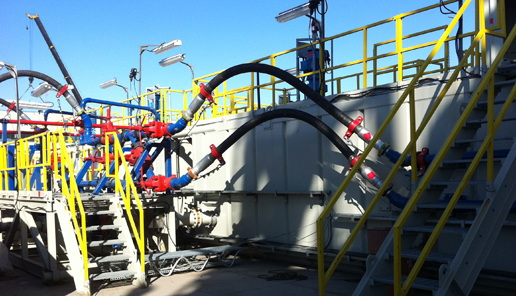
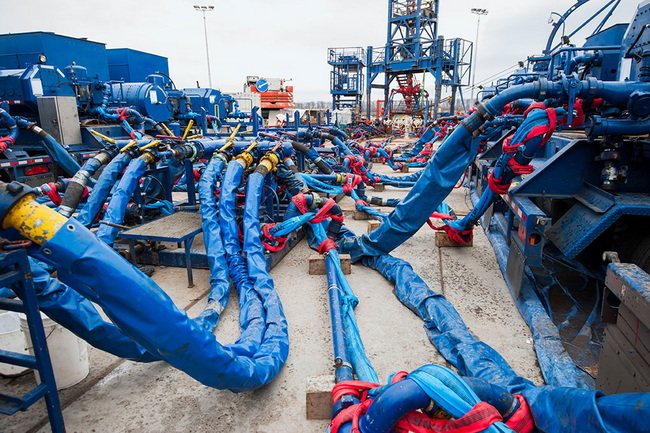
In many hydraulic and fluid‑transfer systems, long‑distance lines are handled by dedicated transfer hoses, while traditional rubber or thermoplastic hydraulic hoses manage local power transmission on equipment. Spiral wrap is especially useful wherever these hydraulic hoses run near metal structures, ground contact points, or other components that could damage hose covers.[1][5]
Engineering‑focused suppliers often recommend spiral wrap at known wear points and on mobile equipment umbilicals to protect hoses that connect to or work alongside other flexible conduits, contributing to longer service life and higher overall system reliability.[6]
Equipment running in abrasive, high‑movement, or outdoor environments benefits significantly from a planned hose protection strategy built around correctly specified spiral wrap. Maintenance teams and engineers can review existing hose runs, identify high‑risk areas, and standardize on spiral wrap materials, sizes, and color‑coding to improve safety, uptime, and service life.[1][5]
For new projects and retrofits, working directly with hose and component suppliers to define a consistent spiral wrap specification helps ensure that every critical hose run receives appropriate protection, simplifies spare‑parts management, and supports long‑term reliability targets across fleets and sites.[6]
Correct sizing is based on the outer diameter of the hose or bundle, not the nominal internal size. Measure OD and select spiral wrap with an inner diameter range recommended by the manufacturer to ensure a snug fit that can still be installed by hand or with simple tools.[11]
Most spiral wrap is designed so that it can be opened and twisted over hoses already installed on a machine, avoiding the need to break hydraulic connections. Installation tools can speed up this process, particularly for long hose runs or heavy‑duty wraps.[12][7]
Service life depends on environment and mechanical loading, but many users experience about 3–5 years of effective protection under typical industrial conditions. In very abrasive or impact‑intensive environments, more frequent inspection and earlier replacement of wrap may be required.[13][5]
When correctly sized and installed, spiral wrap preserves a good bend radius and flexibility for the protected hose or bundle. Using wraps that are too stiff, too tight, or applied over excessively large bundles can reduce flexibility and should be avoided in tight bend zones.[1][6]
In extremely abrasive, high‑temperature, or fire‑risk environments, spiral wrap alone may not be sufficient. Combining spiral wrap with additional protection such as heavy sleeves, fire sleeves, or redesigned routing is often necessary to achieve the desired safety and reliability level.[5][6]
[1](https://www.powermovingforward.com/spiral-guard/)
[2](https://www.essentracomponents.com/en-us/p/spiral-wrap-hose-protectors)
[3](https://www.cabletiesandmore.com/spiral-wrap-tubing-guide)
[4](https://www.caplugs.com/p/pigs-tail-spiral-wrap-ptpw)
[5](https://www.gosuburban.com/python/blog/hose-protection-spiral-guard-or-wrap-sleeve)
[6](https://www.parker.com/content/dam/Parker-com/Literature/Polyflex-Europe/Bulletins/4460/BUL_4460_Spiral-Guard_-Hose_Bulletin_UK.pdf)
[7](https://www.essentracomponents.com/en-us/news/solutions/general-protection/hydraulic-hose-spiral-wrap-explained)
[8](https://www.mmnewman.com/wp-content/uploads/2020/01/MM-newman-spiral-wrap-material-selection-guide-v9-with-margin.compressed.pdf)
[9](https://www.aircraftspruce.com/catalog/elpages/spiralwrap.php)
[10](https://kablekontrol.com/products/kable-kontrol-cyclone-hydraulic-hose-wrap-spiral-tubing)
[11](https://www.new-line.com/information/protective-hose-wrap-calculation-sheet)
[12](https://www.youtube.com/watch?v=vIRhMOnkvaI)
[13](https://www.strongflex.com/hydraulic-hose-spiral-wrap-101/)


