

Views: 222 Author: Sunmoon Publish Time: 2026-06-06 Origin: Site


Content Menu
● What Is Hydrolysis Resistance in TPU Hoses?
● Why Tropical Environments Accelerate TPU Degradation
● TPU Layflat Hose vs Conventional Hose Materials in the Tropics
● Inside Hydrolysis-Resistant TPU: Ether vs Ester, Additives, and Design
>> 1. Ether-based TPU for high humidity
>> 2. Stabilizers, UV packages, and antioxidants
>> 3. Hose structure and wall thickness
● Key Performance Metrics for Hydrolysis-Resistant TPU Hoses
● Real-World Tropical Applications for Hydrolysis-Resistant TPU Layflat Hoses
● How Sunmoon Engineers TPU Hoses for Tropical Hydrolysis Resistance
● Practical Selection Guide: Choosing TPU Hoses for Tropical Environments
● Expert Insight: Common Failure Modes in Tropics – And How TPU Addresses Them
● When Should You Avoid Lower-Hydrolysis-Resistance Hoses?
● How Sunmoon Supports Global Customers in Tropical Regions
● Call to Action: Specify Your Tropical TPU Hose Project
● FAQ: Hydrolysis-Resistant TPU Hoses in Tropical Environments
In tropical environments, hydrolysis resistance is the single most important factor determining whether a TPU hose delivers a full service life or fails prematurely. As a China-based TPU layflat hose manufacturer, Sunmoon has seen firsthand how high humidity, heat, and microbial growth can attack conventional hose materials and why engineered TPU formulations are becoming the preferred choice in oil transfer, dewatering, mining, and agricultural irrigation. [tpulayflatpipe]
From my experience working with industrial buyers and maintenance teams, the decision is rarely about "TPU vs non-TPU" but about which TPU hose can withstand aggressive tropical conditions without losing mechanical strength, flexibility, or color stability. This article evaluates hydrolysis resistance in TPU layflat hoses for tropical environments and explains how Sunmoon's customized hose solutions can reduce lifecycle costs and downtime. [gii]
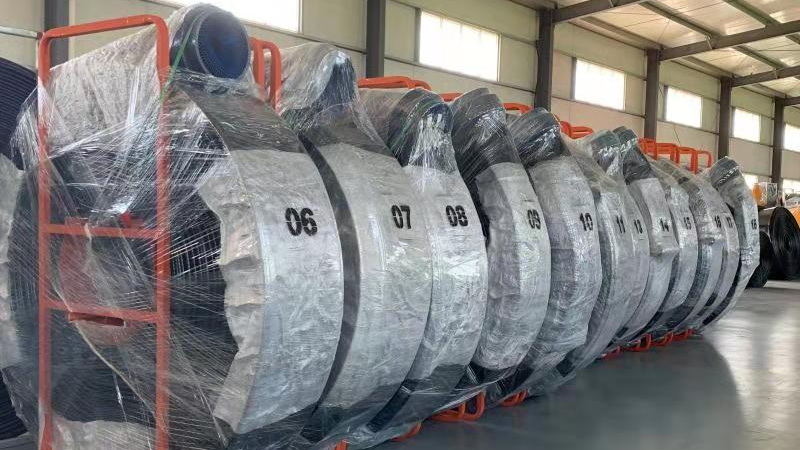
Hydrolysis is the chemical breakdown of polymer chains by water, often accelerated by high temperature, high humidity, and the presence of microorganisms or chemicals. In TPU hoses, poor hydrolysis resistance typically shows up as: [188hose]
- Softening or tackiness of the hose wall
- Loss of tensile strength and burst pressure
- Surface cracking, hazing, or discoloration
- Layer delamination in multi-layer layflat hose designs
Hydrolysis resistance, therefore, is the TPU's ability to resist this water-driven degradation over time under real service conditions. For layflat hoses deployed in tropical climates, this property is not "nice to have" – it is the core determinant of hose reliability and service life. [blog.csdn]
Tropical regions combine several stress factors:
- Ambient temperature often > 30°C
- Relative humidity frequently above 70–80%
- Intense UV exposure for outdoor hoses
- Frequent wet–dry cycles during rainy seasons
- Possible exposure to fertilizers, seawater, fuels, or process chemicals
Each of these factors can accelerate hydrolysis and other aging mechanisms. In field projects in Southeast Asia and South America, users commonly report that standard PU or PVC hoses lose flexibility, become sticky, or exhibit early micro-cracks after one or two rainy seasons if hydrolysis resistance is not designed into the compound. [ssrg66]
In contrast, ether-based TPU grades with optimized stabilizer packages are known to offer significantly better resistance to hydrolysis, microbial attack, and water absorption, which is why they are widely used in food-contact and fluid handling applications. [chanlehose]
Below is a high-level comparison of common hose materials in tropical service:
| Property in tropical use | TPU layflat hose | PVC layflat hose | Rubber/NBR hose |
|---|---|---|---|
| Hydrolysis resistance | High with ether-TPU and stabilizers (chanlehose) | Moderate, plasticizers can migrate (188hose) | Good, but depends on compound (188hose) |
| UV and weathering | Good with UV stabilizers (ssrg66) | Fair–poor without extra stabilizers (ssrg66) | Good but heavier and bulkier (188hose) |
| Weight and handling | Very light, flexible even at low temp (chanlehose) | Light, but stiffens over time (ssrg66) | Heavy, higher handling cost (188hose) |
| Chemical resistance | Broad against fuels, oils, many chemicals (ssrg66) | Limited against oils/hydrocarbons (188hose) | Good versus oils, weaker versus some chemicals (188hose) |
| Lifecycle cost in tropics | Lower due to extended lifespan (ssrg66) | Higher due to frequent replacement (ssrg66) | Higher due to material and handling cost (188hose) |
For tropical climates, TPU layflat hose offers a better balance of hydrolysis resistance, weight, and mechanical strength than PVC or traditional rubber hoses, especially for long-distance fluid transfer where hose length and handling frequency are high. [chanlehose]
From a polymer engineering perspective, the hydrolysis resistance of TPU hoses depends on three main levers:
1. Polymer backbone (ether-TPU vs ester-TPU)
2. Stabilizer and additive system
3. Hose structure and wall design
- Ether-based TPU grades show excellent resistance to hydrolysis and microbial attack, which makes them suitable for tubing in food, medical, and fluid handling applications. [188hose]
- Ester-based TPU can offer very high abrasion and oil resistance but generally exhibits lower hydrolysis resistance in hot, wet environments. [ssrg66]
For tropical layflat hoses, manufacturers like Sunmoon typically prioritize ether-based TPU formulations in the water-contact layers, especially for long-term deployment in agriculture, mining, or oil transfer near coastal areas. [tpulayflatpipe]
A second line of defense is the additive package:
- Hydrolysis stabilizers slow down chain scission from water attack. [188hose]
- UV stabilizers reduce photo-oxidative degradation in outdoor exposure. [ssrg66]
- Antioxidants protect against thermal oxidation during high-temperature service or storage. [188hose]
A well-formulated TPU hose compound combines these additives with optimized dosage to provide multi-factor resistance, which is critical in tropical regions where heat, humidity, and UV act simultaneously. [blog.csdn]
Hydrolysis not only depends on material chemistry but also on how the hose is built:
- Controlled wall thickness ensures even stress distribution and reduces micro-cracking risk. [chanlehose]
- Smooth inner surface lowers turbulence and reduces localized erosion or chemical attack. [chanlehose]
- Multi-layer structures can use different TPU blends at the inner and outer layers to balance hydrolysis resistance, abrasion resistance, and UV stability. [gii]
Sunmoon, for example, designs high-pressure TPU layflat hoses with tailored inner and outer TPU layers and reinforcement options to adapt to specific oil transfer, dewatering, or firefighting scenarios. [alibaba]
When evaluating TPU hoses for tropical environments, industrial buyers should focus on a small set of measurable properties:
- Hydrolysis aging test results (e.g., tensile strength retention after hot water or high humidity exposure)
- Burst pressure retention after accelerated aging
- Surface condition (no tackiness, cracking, or significant color change)
- Dimensional stability (limited shrinkage or deformation)
Although specific test methods vary by manufacturer, a practical rule of thumb from field cases is that a high-quality TPU layflat hose should retain most of its mechanical strength after extended exposure to warm water and humid storage conditions. In oil transfer and mining projects, this is directly linked to fewer failures, fewer leaks, and more predictable maintenance scheduling. [gii]
Based on market reports and industry analysis, global demand for TPU hoses and tubing is expected to grow steadily toward 2030, driven by applications in industrial fluid handling, construction, mining, and energy. Tropical and subtropical regions account for a large share of this demand due to rapid industrialization and infrastructure investment. [blog.csdn]
Typical tropical applications where hydrolysis-resistant TPU layflat hoses deliver tangible value include:
- Oil transfer and produced water handling in onshore and offshore fields [alibaba]
- Long-distance dewatering in open-pit mines or tunneling projects [gii]
- Agricultural irrigation and fertigation in Southeast Asia and Latin America [blog.csdn]
- Temporary firefighting lines and emergency flood control systems [alibaba]
In these projects, users report that TPU layflat hoses maintain flexibility, abrasion resistance, and burst strength better than conventional hoses when subjected to continuous sun, heavy rain, and high humidity. [ssrg66]
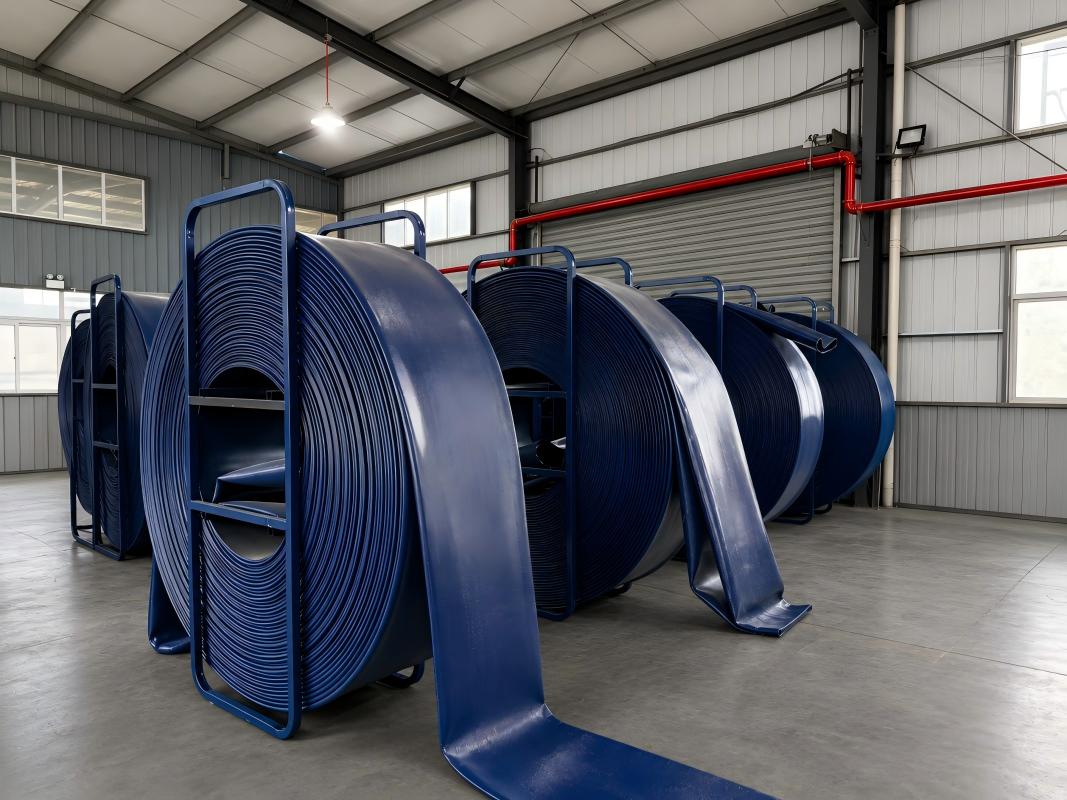
As a dedicated TPU layflat hose manufacturer, Sunmoon focuses on customized hose designs that match the climate, medium, and pressure conditions of each project. From an expert's perspective, there are several ways Sunmoon optimizes hydrolysis resistance for tropical environments: [tpulayflatpipe]
1. Material selection
- Prioritizing ether-based TPU for water-contact layers in high-humidity climates. [chanlehose]
- Using tailored TPU grades that balance hydrolysis resistance with abrasion and oil resistance. [gii]
2. Additive engineering
- Integrating hydrolysis stabilizers, UV stabilizers, and antioxidants into the compound recipe. [188hose]
- Adjusting additive levels based on expected exposure time and intensity (e.g., continuous sun vs shaded deployment). [blog.csdn]
3. Reinforcement and structure
- Designing the hose reinforcement (e.g., textile or jacket structure) to minimize stress concentrations under high internal pressure. [alibaba]
- Engineering outer layers to resist abrasion from rough terrain, which indirectly protects against moisture ingress and mechanical damage. [ssrg66]
4. Quality management and testing
- Following structured quality systems for material sourcing and production. [tpulayflatpipe]
- Running pressure, flexibility, and aging tests on sample batches to verify long-term stability. [blog.csdn]
For project owners and distributors in tropical countries, this allows Sunmoon to provide tailor-made TPU layflat hose solutions that align with specific climatic and operational conditions rather than a one-size-fits-all hose. [tpulayflatpipe]
From the perspective of a technical buyer or project engineer, here is a step-by-step approach to selecting hydrolysis-resistant TPU hoses for tropical use:
1. Define the medium and temperature
- Is the hose carrying fresh water, seawater, slurry, crude oil, refined fuel, or chemicals?
- What is the typical operating temperature range?
2. Classify the climate exposure
- Will the hose be permanently deployed outdoors under full sun?
- Will it be submerged or exposed to standing water?
3. Specify pressure and mechanical loads
- Maximum working pressure and safety factor.
- Expected tension or dragging during deployment and retrieval.
4. Request hydrolysis-related data
- Ask for tensile strength retention after hot water or humidity aging tests. [188hose]
- Review any field case studies in similar tropical conditions. [gii]
5. Consider customization options
- Customized wall thickness and reinforcement for long runs or high pressure. [alibaba]
- Color coding, branding, or special outer layer formulations for UV or abrasion. [ssrg66]
By following these steps and sharing project details with a manufacturer like Sunmoon, users can systematically select TPU layflat hoses that resist hydrolysis and deliver predictable performance in tropical climates. [tpulayflatpipe]
In tropical deployments, several recurring hose failure modes can often be tied to insufficient hydrolysis resistance or poor material choices:
- Inner wall becomes sticky or soft, leading to blistering or delamination under pressure. [188hose]
- Cracks appear at fold lines after repeated rolling and unrolling, especially with less flexible materials. [ssrg66]
- Outer cover chalks, fades, and micro-cracks due to intense UV exposure, ultimately allowing moisture ingress and structural weakening. [blog.csdn]
Engineered TPU hoses mitigate these issues by combining:
- High flexibility across a large temperature range. [chanlehose]
- Robust abrasion and cut resistance for rough ground or mining sites. [gii]
- Strong hydrolysis and microbial resistance when ether-based grades and stabilizers are used. [chanlehose]
This synergy makes TPU layflat hoses particularly attractive for tropical markets where operational risk and environmental variability are high. [gii]
There are scenarios in tropical regions where cutting cost on hydrolysis resistance is a significant risk:
- Long-term deployment in irrigation channels, water transfer pipelines, or mine dewatering where hoses stay wet for months. [blog.csdn]
- Coastal oil transfer or saltwater applications where both humidity and salinity accelerate material aging. [gii]
- Remote projects where hose failure leads to heavy downtime, logistics costs, or environmental penalties. [blog.csdn]
In these cases, selecting a hose with verified high hydrolysis resistance and predictable field performance is far more economical than using cheaper hoses that require frequent replacement. [ssrg66]
Sunmoon collaborates with global customers on engineering and supply for TPU layflat hoses used in oil transfer, dewatering, mining, and industrial water handling. For clients operating in tropical climates, Sunmoon typically provides: [alibaba]
- Application consulting to match TPU formulations and hose structures to climate and medium. [tpulayflatpipe]
- Sample and trial hose runs in targeted projects before full-scale deployment. [tpulayflatpipe]
- Customization services including diameter, pressure rating, color, and branding. [alibaba]
This combination of material expertise and flexible manufacturing allows Sunmoon to deliver hydrolysis-resistant TPU layflat hoses that maintain performance in tropical conditions while supporting international standards and project requirements. [alibaba]
If your project is located in a tropical or coastal region and you are facing hose failure due to heat, humidity, or chemical exposure, upgrading to hydrolysis-resistant TPU layflat hoses can significantly extend service life and reduce downtime. [ssrg66]
Share your operating medium, pressure range, climate exposure, and expected service life with Sunmoon's engineering team, and they can recommend a tailored TPU layflat hose solution with proven hydrolysis resistance for tropical environments. Reach out to discuss samples, technical data, or customized specifications for your next deployment. [tpulayflatpipe]

1. Why is hydrolysis resistance so important for TPU hoses in tropical climates?
Because high humidity, heat, and frequent wet–dry cycles accelerate polymer degradation, hoses with weak hydrolysis resistance lose strength, become tacky, or crack much faster in tropical environments. [188hose]
2. Are ether-based TPU hoses always better than ester-based TPU hoses in the tropics?
Ether-based TPU typically provides superior hydrolysis resistance and is preferred in high-humidity and water-contact applications, while ester-based TPU may be chosen when extreme abrasion or oil resistance is prioritized. [chanlehose]
3. How does Sunmoon customize TPU layflat hoses for tropical projects?
Sunmoon adjusts TPU formulations, additive packages, wall thickness, and reinforcement structures based on the climate, medium, and pressure requirements of each project to optimize hydrolysis resistance and overall durability. [alibaba]
4. What tests should I request from a TPU hose manufacturer for tropical deployment?
Request data on tensile strength and burst pressure retention after hot water or high humidity aging tests, as well as any long-term field references from similar tropical applications. [188hose]
5. Can TPU layflat hoses handle both tropical weather and aggressive media like fuels or seawater?
Yes, properly formulated TPU hoses offer a strong combination of hydrolysis resistance and chemical resistance, making them suitable for many fuel, oil, and seawater transfer applications in tropical environments. [gii]
1. Asoe Hose – TPU hose and new pipeline technology solutions. [https://www.asoehose.cn] [asoehose]
2. Chanle Hose – Properties of high-transparency TPU tubing (flexibility, hydrolysis resistance, temperature range). [https://www.chanlehose.com/cn/tpu-tubing/pu-tube.html] [chanlehose]
3. SSRG – High-quality TPU hoses and performance characteristics in outdoor environments. [https://www.ssrg66.com/articles/gpzrgz.html] [ssrg66]
4. CSDN – Market outlook and innovation trends for TPU hoses and tubing, including global market growth to 2030. [https://blog.csdn.net/2401_89472157/article/details/146506210] [blog.csdn]
5. Delos Industrial – Technical introduction to TPU hoses and their resistance to water and chemicals. [http://188hose.com/ask/897.html] [188hose]
6. Sunmoon – News and product information on TPU layflat hoses for oil transfer and industrial applications. [https://www.tpulayflatpipe.com/news/] [tpulayflatpipe]
7. Market report on TPU layflat hose for oil transfer, material types, and pressure grades. [https://www.gii.tw/report/ires1950273-tpu-layflat-hose-oil-transfer-market-by-material.html] [gii]
8. Sunmoon high-abrasion-resistance TPU layflat hose product listing. [https://www.alibaba.com/product-detail/SUNMOON-Reasonable-Design-High-Abrasion-Resistance_1600703371474.html] [alibaba]


