

Views: 222 Author: Loretta Publish Time: 2025-12-30 Origin: Site


Content Menu
● What Makes a Hose Truly “Potable Water” Safe?
● Why TPU Flexible Layflat Hose Works Well for Potable Water
● Main Benefits of Using a Flex‑able Potable Water Hose
● Risks of Using the Wrong Flexible Hose for Potable Water
● How to Choose the Right Flex‑able Potable Water Hose
● Best Practices for Using and Maintaining a Potable Water Hose
● When Flex‑able Potable Water Hose Is the Best Choice
● Design Considerations for Engineering‑Driven TPU Potable Water Hose Manufacturers
● Typical Problems in Potable Water Hose Systems and How to Avoid Them
● FAQ About Flex‑able Hoses for Potable Water
>> 1. Are all flexible hoses safe to use as a potable water hose?
>> 2. What certifications should a potable water hose have?
>> 3. Is TPU layflat hose suitable as a potable water hose?
>> 4. How should a potable water hose be cleaned and stored?
>> 5. Can potable water hose be used for other fluids?
Flexible hose can be very good for potable water as long as it is specifically engineered and certified as a potable water hose, using safe materials, compliant liners, and hygienic inner surfaces. When the hose uses high‑quality TPU or similar food‑grade compounds and meets standards such as NSF/ANSI 61 or equivalent regional regulations, it can deliver clean, safe drinking water in homes, construction sites, emergency supply, RVs, and industrial projects.[1][2][3]
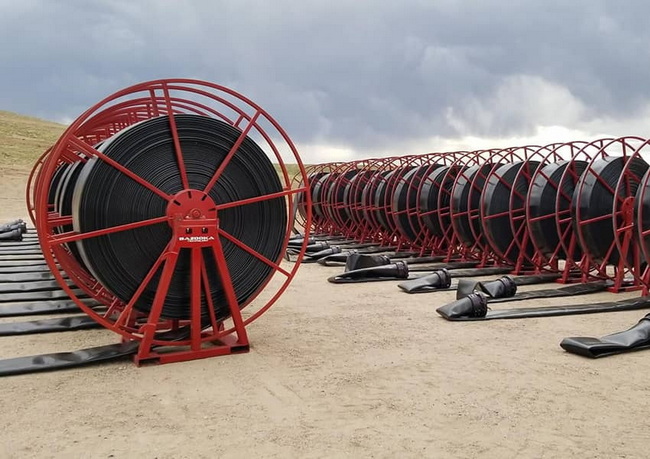
A hose is not automatically a potable water hose just because it can carry water; it must be designed so water stays clean, odorless, and non‑toxic.[4][5]
Key factors include:
1. Certified contact materials
- Polyether‑based TPU, high‑purity PVC, and certain rubber compounds can be formulated and certified for direct contact with potable water.[3][6][1]
- Materials should comply with regulations such as NSF/ANSI 61, national drinking‑water approvals (for example, Regulation 31 in the UK), or equivalent standards.[7][4]
2. Controlled taste, odor, and leachables
- A true potable water hose is tested so it does not impart plastic taste, discoloration, or smell to the water during normal service life.[6][4]
- Extraction testing verifies low migration of heavy metals, plasticizers, and other chemicals into the water.[5][4]
3. Temperature and pressure rating for drinking water systems
- Many potable water hoses are rated for a wide temperature window, often from well below freezing up to typical hot‑water temperatures, which supports versatile use.[3][7]
- Safe working pressures and suitable safety factors ensure structural integrity in residential, municipal, and industrial potable water hose applications.[4][3]
Thermoplastic polyurethane (TPU) layflat hose has become a preferred solution where a robust, long‑distance potable water hose is required in harsh environments.[2][8]
Key advantages:
1. Safe, certified inner liner
- Specific polyether‑based TPU grades are approved for potable water transfer and recognized as safe for conveying drinking water when formulated correctly.[8][1]
- In many designs, the TPU liner is extruded through a circular‑woven reinforcement so that the potable water hose has a homogeneous, smooth, and easy‑to‑clean inner surface.[8][3]
2. Durability in demanding environments
- TPU layflat hose offers excellent abrasion resistance, tear strength, and resistance to many chemicals, which suits construction, mining, municipal, and emergency water networks.[9][7]
- The outer cover resists ozone, UV, and weathering, helping the potable water hose maintain a sanitary barrier even under extended outdoor exposure.[7][3]
3. Flexibility, layflat design, and handling
- Despite its strength, TPU layflat potable water hose is lightweight and flexible, collapsing flat for easy storage and transport.[2][9]
- TPU maintains flexibility at low temperatures, which reduces the risk of cracking and makes the potable water hose practical in cold climates and seasonal installations.[1][3]
A properly specified flexible potable water hose connects rigid infrastructure with real‑world endpoints like tanks, taps, equipment, and mobile units.[10][3]
Key benefits:
1. Safe drinking water delivery
- Certified potable water hose is engineered to avoid unsafe contaminant migration, helping to keep water safe for human consumption when the system is correctly designed.[5][4][7]
- Many products are explicitly branded for drinking‑water‑safe service and are used in municipal bypass projects, emergency supply, and food‑service support systems.[11][12][3]
2. Versatile applications
- Typical uses include construction water supply, temporary municipal distribution, firefighting water supply lines, rural or agricultural potable water transfer, and camp infrastructure.[13][2][3]
- Flexible potable water hose is also important in RV parks, marinas, festivals, and mobile clinics where quick, hygienic connections are required.[12][6][4]
3. Operational efficiency
- Layflat potable water hose allows rapid roll‑out and retrieval, with long continuous runs that reduce the number of couplings compared to rigid pipe.[2][8]
- The smooth inner surface helps minimize friction loss, improving hydraulic efficiency and enabling smaller pumps or lower energy consumption for a given flow rate.[3][8]
Using a random flexible hose instead of a dedicated potable water hose can introduce serious health and reliability risks.[14][5]
Key risks:
1. Chemical leaching and taste issues
- Non‑certified garden or industrial hoses may leach plasticizers, solvents, or heavy metals, which can affect taste, odor, and safety of the water.[6][4]
- Some general‑purpose flexible hoses are explicitly labeled as non‑food‑grade and are not suitable for any potable water hose application.[15][6]
2. Microbial growth and Legionella risk
- Investigations into flexible connectors in building plumbing have highlighted that poorly selected or maintained hoses can increase Legionella risk, especially at warm temperatures with stagnant sections.[14]
- Hygienic design, suitable materials, and good system layout are therefore essential when incorporating any flexible potable water hose into permanent installations.[14]
3. Inadequate pressure or temperature capability
- A hose not designed as a potable water hose may soften, deform, or burst at the pressures and temperatures found in typical water systems.[16][7]
- Damage from over‑bending, kinking, or dragging the hose over sharp surfaces can cause leaks that allow external contamination into the water stream.[9][16]
Selecting the right flexible potable water hose means balancing safety, performance, and cost while matching real operating conditions.[5][3]
Key selection steps:
1. Confirm potable water certification
- Look for explicit statements such as “potable water hose”, “drinking water safe”, or identification of standards like NSF/ANSI 61 and 372.[4][7][3]
- In some markets there are additional approvals—such as Regulation 31 in the UK or specific national hygiene marks—that demonstrate suitability for contact with drinking water.[7][5]
2. Choose suitable material and construction
- TPU layflat potable water hose is ideal for long runs, high duty cycles, and outdoor or off‑road conditions, because it combines flexibility with high mechanical strength.[8][9][2]
- High‑purity PVC potable water hose or ether‑based TPU suction and discharge hose can be better for shorter runs, RV, marine, and industrial equipment connections.[17][6][4]
3. Match temperature, pressure, and environment
- Always check the manufacturer's specified working temperature range to ensure the potable water hose fits local climate and water system conditions.[3][7]
- Confirm working pressure and burst pressure, and select an appropriate inside diameter to maintain flow without excessive pressure drop.[7][8][3]
4. Consider couplings and integration
- Many potable water hoses are supplied as assemblies with couplings that match regional standards, such as GHT, camlocks, or specialized quick‑connect fittings.[11][6][7]
- For building services and plant rooms, stainless steel flexible connectors with suitable approvals are often used to link rigid pipework and fixtures without compromising potable water safety.[10]
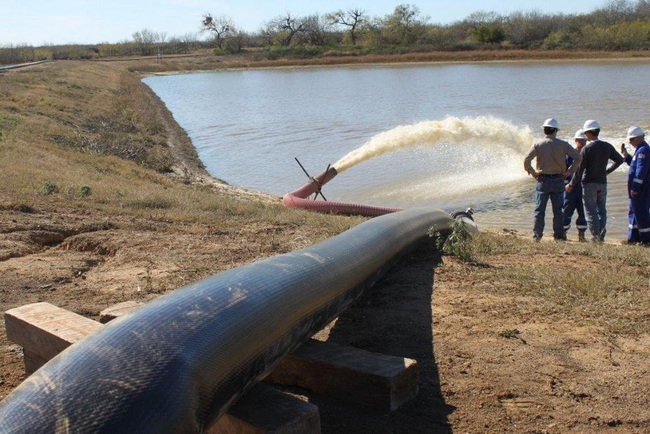
Even the best potable water hose requires proper use and maintenance to preserve water quality and extend service life.[16][2][8]
Recommended practices:
1. Respect pressure and temperature limits
- Always operate within the stated working pressure and temperature range for the potable water hose, allowing safety margin for surges.[16][3][7]
- Avoid rapid thermal shocks and pressure spikes, using valves and controls to bring systems up to pressure gradually when possible.[8][16]
2. Protect from mechanical abuse
- Avoid pulling the hose over sharp edges, dragging it across aggressive surfaces, or subjecting it to crushing forces from vehicles or heavy equipment.[9][16][7]
- When the potable water hose must cross traffic routes, use hose ramps or protective covers to prevent localized damage.[9][7]
3. Hygienic handling and storage
- Drain the potable water hose after use, especially in non‑continuous applications, to avoid stagnant water and biofilm growth.[6][2][14]
- Store it in a cool, shaded, and clean place, ideally off the ground and protected from direct sunlight to reduce UV aging.[2][6]
4. Inspection and replacement
- Regularly inspect the potable water hose for cuts, bulges, blistering, severe abrasion, discoloration of the liner, or changes in stiffness.[16][7]
- If water taste or odor changes significantly, investigate the hose and system, and replace the hose if degradation or contamination is suspected.[4][6][14]
5. Cleaning and sanitization
- Periodically flush the potable water hose with fresh water and, when appropriate, use approved sanitizing agents that are compatible with the hose material.[5][14]
- After disinfection, rinse thoroughly so that residual chemicals do not affect water taste or safety during the next period of use.[14][5]
Flexible potable water hose offers unique advantages over rigid pipe when mobility, speed, and adaptability are priorities.[11][2][3]
Typical “best fit” scenarios:
1. Temporary and emergency supply
- During pipeline repairs, upgrades, or contamination events, municipalities can deploy long layflat potable water hose lines to maintain supply to homes and critical services.[11][3][7]
- Disaster response teams and NGOs often rely on TPU layflat potable water hose for rapid deployment from mobile treatment units to community tapping points.[2][11]
2. Construction, mining, and industrial projects
- Large sites require distributed drinking water for workers and process use, and flexible potable water hose can be repositioned as the site evolves.[13][3][9]
- The abrasion and weather resistance of TPU layflat makes it suitable for running along tracks, trenches, or temporary supports in rugged environments.[3][7][9]
3. RV, marine, and event applications
- RV parks, camp sites, marinas, and events use compact, kink‑resistant potable water hose assemblies to connect vehicles or vessels to fixed taps.[12][6][4]
- High‑purity PVC or TPU constructions are commonly used here because they balance flexibility, low weight, and compliance with drinking water standards.[12][6][3]
Engineering‑driven manufacturers that focus on TPU layflat technology can optimize a potable water hose not only for compliance, but also for lifecycle value and customer‑specific performance.[8][9][2]
Important design aspects:
1. Material engineering and compounding
- Selecting the right polyether‑based TPU grade allows low‑temperature flexibility, hydrolysis resistance, and consistent mechanical strength over long service periods.[1][8]
- Additives are carefully controlled to meet potable water regulations, ensuring that the potable water hose maintains stable performance in different geographies and treatment chemistries.[5][7]
2. Reinforcement structure and layflat geometry
- A circular‑woven high‑tenacity reinforcement embedded in the TPU wall can deliver high tensile strength, high burst pressure, and excellent kink resistance.[3][8]
- Engineering the thickness profile and layflat width ensures that the potable water hose packs efficiently on reels or pallets while still achieving required flow rates once pressurized.[2][8]
3. Coupling systems and customization
- Factory‑attached couplings with correct gaskets and fittings help ensure leak‑free, hygienic joints across the entire potable water hose assembly.[7][11]
- OEM and project customers often require custom lengths, color coding, pressure ratings, or marking (such as “drinking water only”) to meet operational and regulatory requirements.[11][3]
4. Quality control and traceability
- Leading manufacturers implement batch traceability, hydrostatic testing, and routine material analysis to ensure every potable water hose meets design specifications.[16][7]
- Documentation of test results and certifications supports project approvals and audits, especially in municipal or large infrastructure applications.[5][7]
Even with a high‑quality potable water hose, system design errors and misuse can cause issues in the field.[14][16]
Common problems and mitigation:
1. Kinking and flow restriction
- Tight bends, improper routing, or heavy loads can kink the hose, restricting flow and stressing the wall.[9][16]
- Keeping bend radius above the minimum recommended value and using guides or supports helps maintain full bore in the potable water hose.[8][9]
2. Leakage at couplings
- Incorrect gasket selection, poor tightening, or damage during installation are frequent causes of leaks.[7][11]
- Using factory‑assembled potable water hose sets, following torque guidelines, and inspecting seals before use reduce this risk.[11][7]
3. Biofilm and discoloration
- Long periods of stagnation, warm conditions, or organic contamination can lead to biofilm formation, which may cause discoloration or odor.[14][5]
- Designing systems to encourage regular turnover, flushing dead legs, and scheduling periodic sanitization are effective countermeasures in potable water hose networks.[5][14]
A flex‑able hose is only truly suitable for drinking water when it is purpose‑designed and certified as a potable water hose using approved materials and hygienic constructions. TPU layflat and high‑purity thermoplastic potable water hose solutions combine safety, flexibility, durability, and hydraulic efficiency for applications ranging from temporary municipal bypass systems to RV, marine, construction, and emergency relief operations. By checking certifications, choosing an appropriate material and reinforcement design, and applying good installation, inspection, and cleaning practices, users can build potable water hose systems that reliably deliver clean, safe drinking water even in demanding environments.[1][4][16][2][3][7][8][14][5]
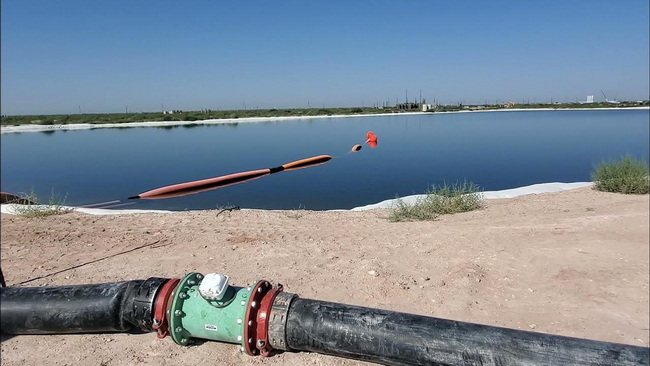
No, only hoses explicitly designed and certified as potable water hose are safe for drinking water, because they are tested to control leaching, taste, and microbial growth. General garden or industrial hoses may contain non‑food‑grade plasticizers or metals and should not be used where water is intended for human consumption.[15][6][4][7][5]
Important potable water hose certifications include NSF/ANSI 61 and 372 in North America, national drinking‑water approvals such as Regulation 31 in the UK, and sometimes FDA or EU food‑contact compliance for food‑related uses. Product markings like “drinking water safe” or “potable water hose” should be supported by these or equivalent recognized standards in the technical documentation.[17][12][4][3][7][11][5]
Yes, when the TPU formulation and construction are approved for drinking water, TPU layflat hose is a highly effective potable water hose for long‑distance transfer and temporary or semi‑permanent distribution. Polyether‑based TPU grades with appropriate certifications provide good chemical resistance, flexibility at low temperatures, and long service life in demanding potable water hose applications.[1][2][3][7][8]
A potable water hose should be flushed periodically with clean water and, when necessary, disinfected with compatible sanitizing agents to control biofilm and microbial growth. After use, it should be drained, allowed to dry as far as practical, and stored in a clean, shaded location to limit UV exposure and maintain the integrity of the potable water hose liner.[6][2][14][5]
Many potable water hose products can safely handle compatible food‑grade liquids or high‑purity process water because they are made from hygienic, non‑toxic materials. However, exposure to oils, fuels, aggressive chemicals, or abrasive slurries may damage the hose or affect its approvals, so chemical compatibility charts and manufacturer guidance should always be consulted before using a potable water hose with other media.[18][6][9][3][8]
[1](https://www.zyfireuae.com/What-is-a-TPU-lining-id44150436.html)
[2](https://www.asoehose.com/potaflow-tpu-drinking-water-layflat-hose/)
[3](https://www.teamarg.com/hose-tubing-accessories/food-beverage-hoses/potable-water-hoses)
[4](https://www.flextechhose.com/products/nsf-ansi-61-potable-water-hose)
[5](https://shipyardsupplyinc.com/safe-drinking-water-on-the-go-the-importance-of-potable-water-hoses-for-the-food-and-beverage-industry)
[6](https://brewhose.com/products/high-purity-pvc-potable-water-hose-assembly.html)
[7](https://parsch-uk.com/products/tpu-regulation-31-approved-potable-water-hose)
[8](https://www.midwesthose.com/wp-content/uploads/2020/07/TPU-Layflat-Hose-QA-v3.pdf)
[9](https://www.resilientcityexpo.com/disasters-resilience-news/exploring-pros-cons-tpu-supply-hose)
[10](https://www.metraflex.com/products/model-bbs/)
[11](https://www.teamarg.com/kuriyama-oroflex-ofaq-polyurethane-potable-water-discharge-hose/ofaq-300x200)
[12](https://swanhose.com/collections/drinking-water-safe-1)
[13](https://www.sunhose.com/6-layflat-hose/)
[14](https://www.waterhygienecentre.com/blog/flexi-hoses-legionella-risk)
[15](https://www.hosexpress.com/hoses/pvc-tubing/potable-water-and-food-grade.html)
[16](https://www.sinohose.com/precautions-when-using-a-tpu-layflat-hose.html)
[17](https://therubbercompany.com/hose-ducting/food-grade-hoses/translucent-etherbased-tpu-food-grade-hose/)
[18](https://www.hosecraftusa.com/application/Food_Hoses)


