

Views: 222 Author: Loretta Publish Time: 2025-12-30 Origin: Site


Content Menu
● What “Potable” Water Really Means
● Why Ordinary Garden Hoses Are Often Not Potable
● Lead, Plastics, and Chemical Concerns
● Bacteria, Stagnant Water, and Hygiene
● Potable Water Hose vs Regular Garden Hose
● When Is Garden Hose Water “Sometimes” Acceptable?
● Where Potable Water Hoses Are Commonly Used
● TPU Layflat Hose as a Potable Water Hose Solution
● Practical Safety Tips If You Must Drink from a Hose
● How to Choose a Safe Potable Water Hose
● FAQ
>> (1) Is garden hose water safe to drink?
>> (2) How can I tell if my hose is a potable water hose?
>> (3) Are TPU layflat hoses suitable for potable water?
>> (4) Does flushing a regular garden hose make the water potable?
>> (5) What is the best hose type for RV drinking water?
Most ordinary garden hoses are not designed for drinking water and often cannot be considered a safe potable water hose. For truly safe drinking water outdoors, a dedicated potable water hose made from certified materials is the right choice.[1][2]
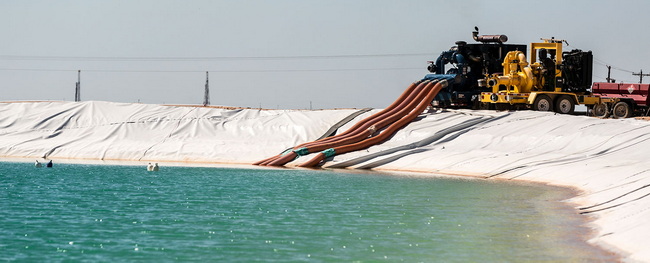
Potable water is water that is safe to drink and use for food preparation over a lifetime without adverse health effects. A potable water hose must deliver water without adding harmful chemicals, metals, or microbes to that water.[3]
- Health standards: Potable water equipment is typically tested so that it does not leach toxic substances into the water at levels that exceed regulations.[1][3]
- Certifications: Common benchmarks include NSF/ANSI 61 (materials leaching and toxicity) and NSF/ANSI 372 (low-lead requirements) for products in contact with drinking water.[4][1]
Most conventional garden hoses are engineered for watering plants and washing surfaces, not for sustained human consumption, so their design and materials reflect this. Their plastics, additives, fittings, and typical outdoor storage conditions create risks when used as a potable water hose.[5][3]
- Chemical leaching: Vinyl and PVC hoses can contain lead, phthalates, and other plasticizers that may migrate into standing or warm water, especially in the sun.[2][6][5]
- Microbiological risk: Hoses left outdoors often contain stagnant water with bacteria, algae, and insects, especially when exposed to heat and sunlight.[7][3]
Because of these issues, many safety organizations recommend that people avoid drinking directly from a standard garden hose except in emergencies.[2][1]
Research on consumer hoses has shown that many general-purpose products contain materials that can make hose water unsuitable for regular drinking. This is especially important for children, who are more sensitive to contaminants like lead.[5][2]
- Lead content: Older or low-cost hoses may include brass fittings or vinyl compounds with measurable lead that can leach into water, particularly when hot.[8][1]
- Plasticizers and additives: Flexible PVC hoses are often treated with phthalates and flame retardants; elevated levels of these chemicals have been measured in some brands.[6][5]
When water sits in a sun-heated hose, these chemicals dissolve more easily into the water, increasing potential exposure if the hose is used instead of a potable water hose.[3][2]
Even when the base material is relatively safe, hygiene problems remain a concern for hose water because of stagnation and environmental exposure.[7][3]
- Stagnation: Standing water inside a hose can harbor bacteria and parasites, particularly in warm weather or when the hose is stored in coils.[3]
- Outdoor contamination: Hoses lying on soil or pavement may pick up dirt, animal waste, and insects, which can be drawn into the hose interior when water is turned on.[7][3]
Because of these factors, it is best practice to treat a general garden hose as non-potable and to rely on a dedicated potable water hose for any drinking or food-contact use.[8][3]
A potable water hose is specifically designed and certified to deliver safe drinking water, while a standard garden hose is not built to those standards.[8][3]
| Aspect | Potable water hose | Regular garden hose |
| Intended use | Safe drinking & cooking water | Irrigation, cleaning, non‑food uses |
| Materials | Food‑grade polymers; low‑lead or lead‑free fittings | PVC or vinyl with plasticizers, often higher lead |
| Certifications | Often NSF/ANSI 61, NSF/ANSI 372 for potable water | Typically no potable‑water certification |
| Taste & odor | Designed to minimize taste, odor, and color changes | Frequently causes plastic or “hose” taste and odor |
| Typical applications | RVs, campsites, emergency drinking water, temporary potable lines | Lawns, gardens, car washing, equipment rinsing |
Because the potable water hose is built around food-grade materials and testing, it maintains the safety of treated municipal or filtered water much better than an ordinary hose.[9][8]
In practice, many people do occasionally drink from a hose, and short-term exposure is not always dangerous, but it is still not recommended as a routine habit.[2][7]
- Short, incidental use: Taking a quick sip during yard work is unlikely to cause serious harm for most healthy adults, especially if the hose is relatively new and the water is flushed.[2]
- Higher-risk groups: Children, pregnant people, and those with weakened immune systems are more vulnerable to contaminants and should avoid using a standard hose in place of a potable water hose.[1][2]
Even for incidental use, flushing the hose and avoiding hot, sun-heated water reduces some of the risk, but the safest option remains a certified drinking-water hose.[1][3]
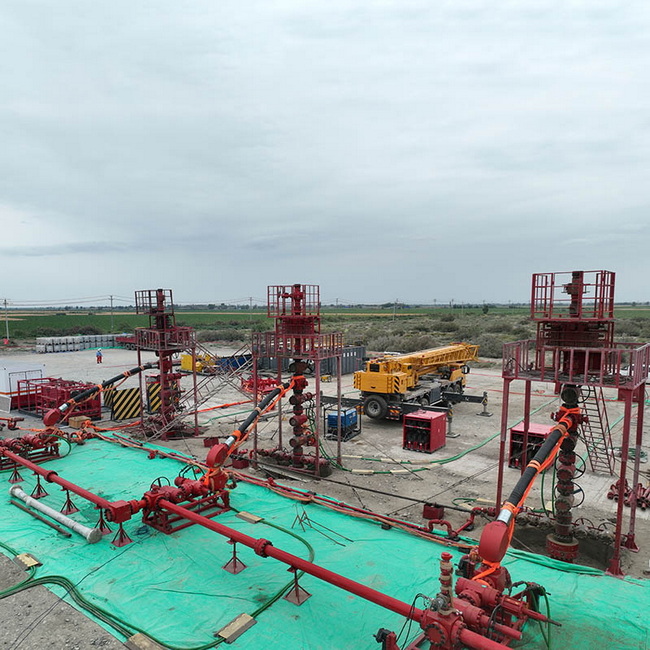
Potable water hoses are widely used wherever temporary or flexible drinking water connections are required and where safety standards must be met.[9][3]
- RVs and caravans: RV drinking-water hoses connect the vehicle's fresh-water tank to campground supply points without compromising water quality or taste.[11][12]
- Emergency and industrial use: Specialized layflat potable water hose can move large volumes of safe drinking water across rough ground for disaster relief, work camps, and municipal bypass projects.[4][9][3]
In these scenarios, hose design and certification are critical, which is why buyers insist on products specifically labeled and tested as potable water hose.[9][8]
Thermoplastic polyurethane (TPU) layflat hose is increasingly used as a rugged potable water hose solution in demanding environments such as construction, mining, and temporary municipal systems.[13][4][9]
- Material advantages: TPU layflat hose offers high tensile strength, excellent abrasion resistance, and a very smooth inner surface, giving low friction loss and long service life.[14][13][4]
- Potable water compatibility: Several TPU layflat potable water hose products are built with NSF 61-approved materials specifically for potable water transfer, making them suitable for drinking water when properly certified.[14][4][9]
For large-scale water transfer—such as temporary pipelines to serve camps, towns, or industrial sites—a certified TPU layflat potable water hose can combine safety, hydraulic efficiency, and rapid deployment better than traditional rubber or PVC hoses.[13][4][9]
When no dedicated potable water hose is available, some simple precautions reduce (but do not eliminate) risk from a regular garden hose.[3][1]
- Flush thoroughly: Run the water for several minutes until it is cold, clearing stagnant water that may contain higher levels of chemicals or microbes.[15][1][3]
- Avoid “first hot water”: Never drink water that has been sitting in a sun-heated hose, because elevated temperatures accelerate leaching and microbial growth.[2][3]
These measures improve the situation, but they still cannot transform a non-certified garden hose into a fully compliant potable water hose, particularly for frequent or long-term consumption.[5][3]
When selecting a potable water hose for home, RV, agricultural, or industrial use, focus on certifications, materials, pressure rating, and your application conditions.[8][9][1]
- Check certifications: Prefer hoses clearly labeled for drinking water use, ideally with NSF/ANSI 61 (materials safety) and NSF/ANSI 372 (low-lead) compliance or equivalent potable water approvals.[4][9][1]
- Match design to application: For high-pressure, long-distance transfer on rough terrain, look for TPU layflat potable water hose designs with robust reinforcement and long continuous lengths to reduce couplings and potential contamination points.[13][14][4][9]
A dedicated potable water hose provides a clear, marketable safety benefit to end users who need confidence in their outdoor water supply, whether they are campers, homeowners, or industrial operators.
Most traditional garden hoses are not intended to keep drinking water safe and should not be relied on as a primary potable water source. For reliable long-term safety, users should select a certified potable water hose—such as TPU layflat hoses built from NSF-approved materials—maintain them correctly, and avoid stagnant, sun-heated hose water whenever possible.[4][5][9][13][1][3][2]
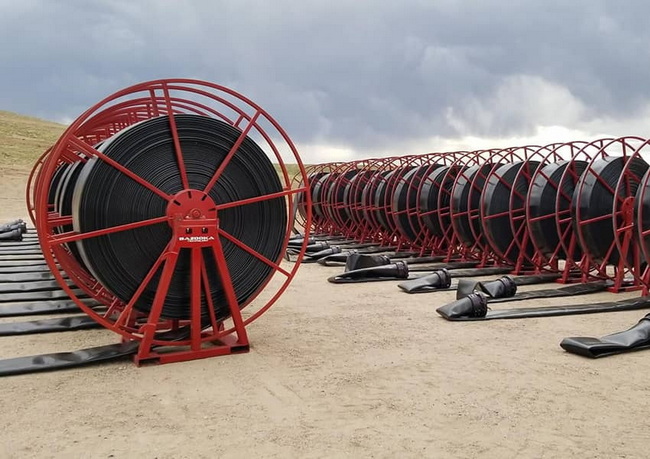
Garden hose water is usually not considered safe to drink because many hoses can leach lead and plasticizers and often contain stagnant, contaminated water, so they are not treated as potable water hose products.[5][1][2]
Check the product labeling and documentation for wording such as “drinking water safe” along with certifications like NSF/ANSI 61 or NSF/ANSI 372, which indicate potable water compliance.[1][4][8]
Yes, TPU layflat hoses manufactured with NSF 61-approved materials and marketed for drinking-water transfer can function as potable water hose systems in industrial, municipal, and emergency applications.[14][9][13][4]
Flushing helps clear stagnant water and reduces some contaminants, but it does not change the hose's materials or remove all chemical and microbial risks, so it cannot guarantee fully potable water.[3][5][1]
RV owners typically choose a dedicated potable water hose made from food-grade materials, clearly labeled for drinking water, to protect health and avoid plastic taste in their onboard water systems.[12][11][8]
[1](https://www.clevelandwater.com/who-we-are/news/why-you-shouldnt-drink-water-garden-hose-and-when-you-can)
[2](https://healthcare.utah.edu/healthfeed/2015/06/it-safe-drink-garden-hose)
[3](https://www.new-line.com/resources/safety-bulletin-garden-hose-water-vs-domestic-drinking-water)
[4](https://layflat.midwesthose.com/index.php/tpu-layflat/)
[5](https://toxicfreefuture.org/press-room/new-study-rates-best-and-worst-garden-hoses/)
[6](https://www.anourishingharvest.com/articles/garden-hoses)
[7](https://www.safetyandhealthmagazine.com/articles/25377-is-it-safe-to-drink-from-the-hose)
[8](https://www.etrailer.com/question-270817.html)
[9](https://www.hosecraftusa.com/model/UD1_Potable_Water_Layflat_Discharge_Hose)
[10](https://community.goodsam.com/discussions/traveltrailerforum-board/is-it-safe-to-use-normal-garden-hose-for-water/283105)
[11](https://www.youtube.com/watch?v=LtR2A9L0iwY)
[12](https://www.reddit.com/r/GoRVing/comments/pnrfft/does_a_water_hose_really_matter/)
[13](https://www.sunhose.com/tpu-layflat-hose/)
[14](https://www.new-line.com/hose/food-beverage-and-sanitary-hose/pvc-urethane-food-beverage-sanitary-hose/blue-tpu-layflat-nsf-potable-water-discharge-hose)
[15](https://swanhose.com/blogs/general-hoses/drinking-from-a-hose)


