

Views: 222 Author: Loretta Publish Time: 2025-12-29 Origin: Site


Content Menu
● Why Most Heater Hoses Are Not Oil Resistant
>> Primary Features of Oil Hoses
● Heater Hose vs. Oil Hose Differences
● How Oil Exposure Damages Heater Hose
● TPU Layflat Hose and Its Oil-Resistant Advantages
>> Key Benefits of TPU in Oil Transfer Systems
● When Heater Hose Might Handle Oil Briefly
● Risks of Using Heater Hose in Oil Systems
● Best Practices for Maintaining Oil Hoses
● FAQ About Heater Hose and Oil Hose
>> 1. Can I use heater hose as an oil hose?
>> 2. What happens if oil contacts my heater hose?
>> 3. What materials are most suitable for oil hoses?
>> 4. Can TPU layflat hoses handle oil applications?
>> 5. How can I identify an oil-rated hose?
Understanding whether a heater hose can withstand oil exposure is crucial in ensuring safe and efficient system operation. Although heater hoses and oil hoses may appear similar in design, their formulations, intended purposes, and performance under different chemical conditions are entirely different. Using the wrong hose type can lead to premature failure, leakage, and expensive equipment or engine damage.
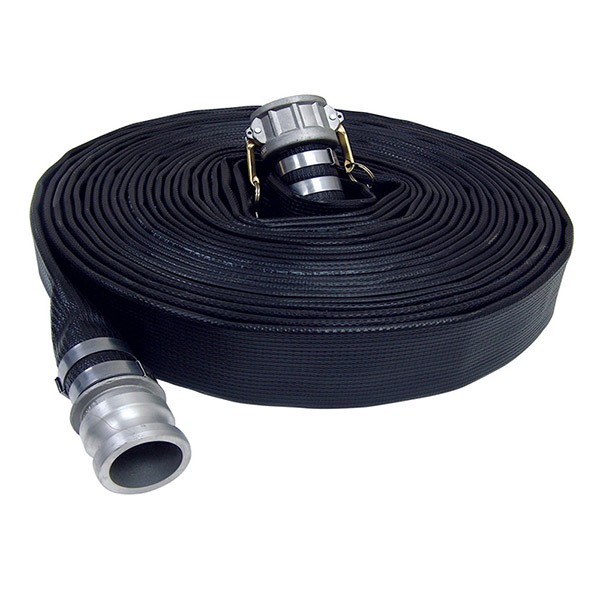
A heater hose is an essential component in vehicle cooling systems. It circulates hot coolant between the engine and the vehicle's heater core, helping regulate interior temperature. Most heater hoses are made from EPDM rubber (ethylene propylene diene monomer). This synthetic material is valued for its tolerance to high heat, ozone, and coolant additives but not for oil exposure.
Heater hoses usually have a spiral or braided reinforcement layer to withstand the system's pressure demands. They are found in various sizes and are built to last under consistent thermal cycling with coolant mixtures. However, EPDM rubber is not resistant to oil. When exposed to petroleum products, the material becomes soft, loses structural integrity, and begins to bulge, leading to ruptures.
The reason is simple: EPDM's chemical structure absorbs and breaks down in the presence of hydrocarbons found in oil. What makes EPDM perfect for water-glycol solutions also makes it vulnerable to any petroleum-derived fluid.
Standard heater hoses are formulated for coolant – not oil, not fuel, and not hydraulic fluids. When oil contacts EPDM, the rubber swells and separates from its reinforcement layers. Over time, this chemical attack can cause the hose to delaminate and collapse internally, restricting flow and leading to complete failure.
Field experience often shows that hoses used incorrectly in oil lines become gummy, discolored, or blistered. Even a small amount of oil contamination can start this degradation. That's why automotive and industrial experts strongly caution against replacing oil hose with leftover heater hose in a pinch. It might appear to work at first, but within weeks or months, failure is almost guaranteed.
There are a few exceptions—some manufacturers produce “oil-mist-resistant” coolant hoses designed to survive occasional oil exposure. These are not true oil hoses, however, and should not carry oil continuously.
An oil hose is a specially engineered component designed for safe oil transmission. Its construction features materials tested for resistance to petroleum oils, lubricants, and fuels. The inner tubing, reinforcement, and cover all play integral roles in ensuring performance under demanding conditions.
- Inner tube: Made from nitrile rubber (NBR), neoprene, or thermoplastic polyurethane (TPU), materials resistant to swelling and chemical breakdown when exposed to oil.
- Reinforcement: Contains textile braids or steel wire to maintain burst strength under high pressure.
- Outer cover: Designed to resist abrasion, ozone, oil mist, and environmental wear.
- Temperature range: Operates effectively across wide temperature ranges, often up to 150°C or beyond depending on material composition.
Because oil hoses are created to endure contact with oil, they remain flexible, safe, and stable over long periods, unlike a heater hose that deteriorates rapidly under the same conditions.
Understanding the engineering differences helps clarify why the two hoses should never be substituted. Heater hose is a coolant conduit, while oil hose is an energy-carrying hydraulic component designed to handle petroleum stress.
| Feature | Heater Hose (EPDM) | Oil Hose (NBR / TPU / Neoprene) |
| Primary fluid | Hot coolant (water-glycol mix) | Oil, lubricants, hydraulic fluids |
| Chemical resistance | High for coolant, poor for oil | High oil and fuel resistance |
| Pressure capability | Moderate | Moderate to high |
| Structural stability with oil | Degrades quickly | Maintains integrity long-term |
| Temperature range | Up to ~125°C | Up to ~150°C or higher |
| Suitable for continuous oil service | No | Yes |
A fundamental rule in fluid transfer: use a hose designed for the medium it carries. Oil hoses protect your systems from premature wear, while heater hoses are intended for closed coolant circuits only.
Oil molecules penetrate EPDM's surface, displacing fillers and changing its polymer structure. This process weakens molecular bonds, reducing tensile strength and elasticity. The hose swells from absorbed fluid and gradually loses pressure resistance. With every pressure pulse inside the line, cracks increase until the hose eventually fails.
In automotive systems, oil damage can have cascading consequences. Hot oil leaking onto engine parts may cause smoke, fire, or lingering odor. In industrial settings, hose rupture can lead to surface contamination or safety violations. Once degradation starts, it cannot be reversed—replacement is the only solution.
Oil hoses can be tailored for different industrial and automotive applications, using one or more of the following materials:
- Nitrile Rubber (NBR): Known for its excellent resistance to petroleum oils and fuels. Common in engine oil lines and hydraulic return lines.
- Neoprene: Provides superior flexibility with moderate oil resistance and great weathering performance.
- TPU (Thermoplastic Polyurethane): A modern material offering high abrasion resistance, strong mechanical strength, and outstanding oil compatibility.
- Fluoroelastomers (FKM): Used for higher temperature oil systems needing chemical and fuel vapor stability.
Such materials ensure the hose can maintain shape, seal integrity, and long-term elasticity under heavy oil exposure and elevated temperatures.
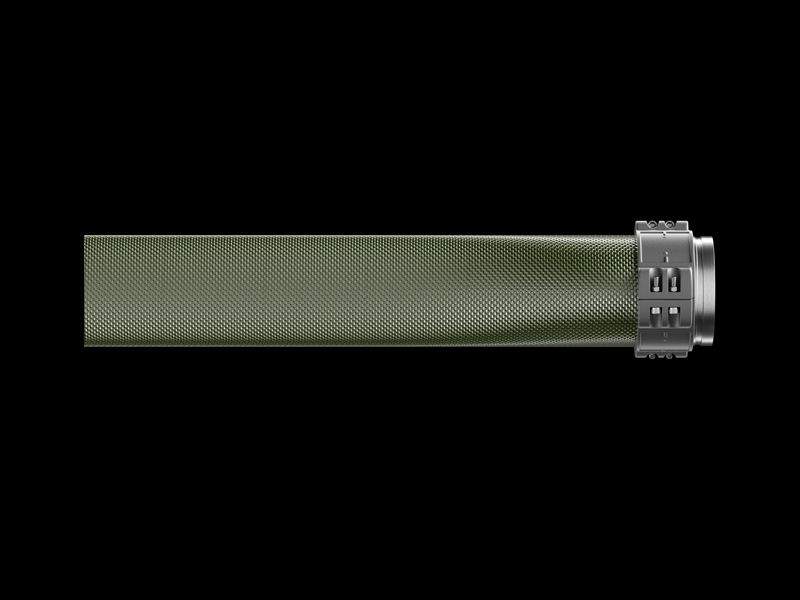
Thermoplastic polyurethane (TPU) is transforming how industries handle oil and fuel transfers. Unlike rubber hoses, TPU offers lightweight construction, exceptional toughness, and consistent wall thickness. Its intrinsic oil and hydrocarbon resistance makes it ideal for handling a wide range of lubricants and fuels safely.
- Resistant to oil and many common chemicals.
- Superior tensile strength and abrasion resistance, perfect for demanding work environments.
- Stable under ultraviolet light and extreme temperatures.
- Environmentally safer due to its recyclable nature.
- Longer lifespan reduces downtime and replacement costs.
These advantages make TPU layflat hoses a high-performing alternative for industrial hose systems that demand oil resistance and operational flexibility.
Some OEM coolant hoses labeled “oil resistant” can tolerate incidental oil mist or splash. However, this resistance only extends to external exposure or very short-term internal contact. Over time, even these enhanced hoses deteriorate when used as oil lines. They are best reserved for environments where coolant systems may occasionally encounter light oil vapor, not for transporting oil under pressure.
If your system continuously exposes the hose to petroleum fluids or lubricants, consulting a hose manufacturer or engineer for a true oil-resistant specification is always the safest option.
Replacing a proper oil hose with heater hose can lead to far-reaching issues:
- Mechanical failure: Internal swelling reduces strength, leading to bursting.
- Contamination: Oil leaks can pollute coolant, causing overheating and corrosion.
- Safety risks: Oil can ignite upon contact with hot engine components.
- Maintenance downtime: Failed hose replacements disrupt machinery or production lines.
- Financial impact: Repeated failures raise maintenance costs and liability risk.
Choosing a true oil hose from the outset is not merely an engineering preference—it is a matter of operational safety and sustainability.
Selecting the correct oil hose involves a combination of technical assessment and practical application. Here are important selection criteria:
1. Define the fluid type. Identify if the hose carries hydraulic oil, engine oil, or fuel.
2. Know your pressure range. Operating pressures and surge pressures determine reinforcement type.
3. Assess temperature range. High-heat systems require hoses rated for 150°C or more.
4. Evaluate environmental exposure. UV, ozone, or abrasion can shorten hose lifespan.
5. Verify standards and quality. Reliable manufacturers test hoses to international safety codes for oil resistance and burst strength.
Professional manufacturers or engineers can help customize hose diameters, construction layers, and reinforcement patterns for the exact oil transfer conditions you require.
Proper maintenance ensures longevity and safety of any oil hose installation:
- Routinely inspect for cracks, swelling, or softness.
- Replace hoses showing signs of oil saturation, even if leaks have not appeared.
- Avoid bending hoses beyond their minimum bend radius.
- Keep connections clean, secure, and appropriately clamped.
- Store spare hoses in cool, dry places away from direct sunlight and oil fumes.
Following these practices improves safety, reduces costs, and extends overall hose life expectancy.
Heater hoses are engineered exclusively for coolant systems; they are not oil resistant and deteriorate rapidly in contact with petroleum-based fluids. Using a heater hose in oil or fuel lines invites mechanical failure, contamination, and safety hazards. In contrast, oil hoses built with nitrile rubber, neoprene, or TPU deliver proven resistance, flexibility, and reliability under continuous exposure to oil.
TPU layflat hoses, in particular, represent the next generation of oil transfer technology, offering remarkable durability, chemical stability, and reduced maintenance requirements. Whether for automotive systems, industrial applications, or high-pressure oil transport, the right hose choice ensures consistent performance, safety, and long-term value.
If your business deals with oil, lubricants, or hydraulic systems, ensure your hose solutions are purpose-built for petroleum compatibility. Contact your technical supplier or manufacturer today to explore modern TPU layflat hose solutions that exceed international performance standards. Invest in proven oil hose technology to safeguard your operations, protect the environment, and extend equipment service life.
No. Standard heater hose is made from EPDM rubber designed for coolant and cannot handle oil. prolonged exposure causes swelling, softening, and structural breakdown.
Oil contamination quickly reacts with EPDM, causing it to deteriorate. Over time, the hose weakens and can rupture, leading to oil leaks or potential engine damage.
The best materials include nitrile rubber, neoprene, and TPU. These provide excellent resistance to petroleum-based products and remain flexible at both high and low temperatures.
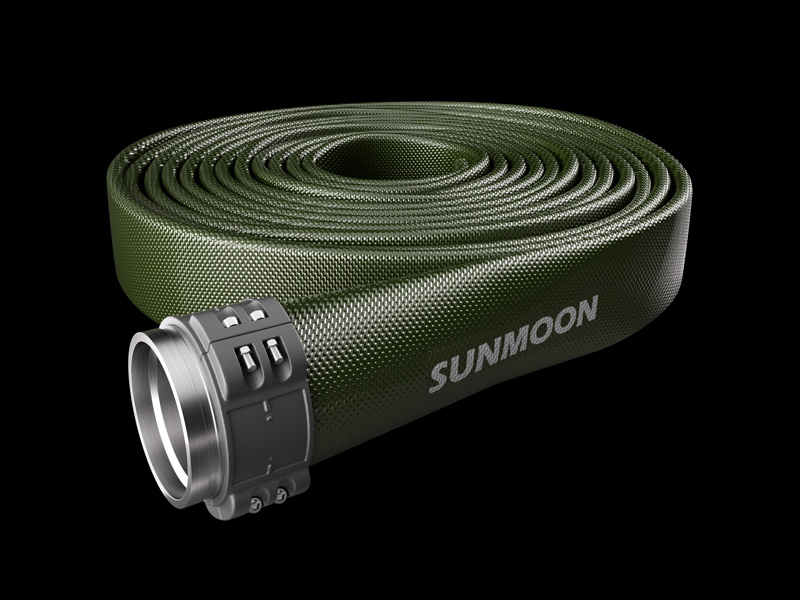
Yes, TPU layflat hoses are ideal for oil, fuel, and lubricants. They combine flexibility with robust oil resistance, serving well in industrial, agricultural, and firefighting applications.
Always check the labeling or product details. An oil hose will specify compatibility with engine oil or hydraulic fluids. If it only mentions coolant or water, it is not suitable for oil use.


