

Views: 222 Author: Loretta Publish Time: 2026-01-14 Origin: Site


Content Menu
● Core Technical Differences Between JIC and JIS
>> Flare Angle and Sealing Method
● JIC vs JIS: Side‑by‑Side Comparison
● Interchangeability and Adapter Use
● Application Scenarios and Selection Guidance
>> When JIC Fittings Are Usually Preferred
>> When JIS Fittings Are Usually Preferred
● Field Identification Checklist
● Typical Errors and Preventive Practices
● Action Call: Get Expert Support for Your Next Hose and Fitting Project
● FAQ
>> 1. Are JIC and JIS fittings compatible
>> 2. Which is better for high‑pressure systems, JIC or JIS
>> 3. How can I quickly identify whether a fitting is JIC or JIS
>> 4. Can a JIS‑based hydraulic system be converted to JIC
>> 5. Why are JIS fittings so common on Japanese and Korean equipment
Choosing between JIC fittings and JIS fittings directly affects system safety, leak prevention, maintenance costs, and global parts availability. This refined guide provides a clear, user‑friendly comparison so engineers, buyers, and maintenance teams can make accurate, confident decisions for hydraulic hose systems.[1][2][3]

JIC fittings are hydraulic flare fittings widely used in North American and global high‑pressure applications. They are defined by standards such as SAE J514 and MIL‑DTL‑18866, which specify dimensions, materials, and performance requirements.[2][4][1]
Key characteristics:[4][5][1]
- 37‑degree flare metal‑to‑metal sealing surface
- UN/UNF inch‑based threads matched to tube OD
- Three components: body, flare nut, and sleeve
- Common in fluid power, fuel, and high‑pressure systems
These features make JIC fittings suitable for equipment that demands robust sealing under high pressure and frequent assembly or maintenance.[1][2][4]
JIS fittings are designed according to Japanese Industrial Standards, commonly JIS B8363 for hydraulic systems. They are widely used on Japanese and Korean machinery and in factories built around metric specifications.[6][3][1]
Key characteristics:[3][6][1]
- 30‑degree flare seating surface on many hose and tube connectors
- BSPP/BSPT or metric threads, depending on fitting type
- Optimized for metric hydraulic systems and JIS ports
- Common in construction machinery, machine tools, and industrial automation
These fittings help ensure reliable sealing and easy replacement on equipment manufactured to JIS standards.[6][3][1]
Understanding the structural and standard differences is essential to avoid leaks and mis‑matched components.[2][1][6]
- JIC fittings use a 37‑degree flare seating surface that allows strong metal‑to‑metal sealing under high pressure.[4][1][2]
- JIS fittings typically use a 30‑degree flare, providing reliable sealing for moderate to high‑pressure applications in JIS‑based systems.[7][3][6]
The difference in flare angle means the sealing surfaces do not match, even if threads appear similar.[1][2]
- JIC fittings use UN/UNF inch‑based threads aligned with SAE fluid power standards.[2][4][1]
- JIS fittings use BSPP/BSPT or metric threads according to Japanese standards such as JIS B8363.[8][3][6][1]
Because thread type and pitch differ, mixing the two standards risks cross‑threading and reduced sealing performance.[9][1][2]
The table below summarizes the most important engineering and practical differences.[3][6][4][1][2]
Aspect | JIC Fittings | JIS Fittings |
Standards | SAE J514, MIL-DTL-18866. | JIS B8363 and related JIS hydraulic standards. |
Flare angle | 37-degree flare metal-to-metal seat. | 30-degree flare on many hose and tube ends. |
Thread type | UN/UNF inch-based threads. | BSPP/BSPT or metric threads by series. |
Typical region | North America and global SAE-based systems. | Japan, Korea, and JIS-based industrial markets. |
Pressure range | Suited to high-pressure systems, often up to very high ratings in suitable sizes. | Moderate to high-pressure duties, typically lower than top JIC ratings. |
Applications | Fluid power, mobile hydraulics, fuel systems, test points. | Construction equipment, machine tools, factory hydraulics. |
Measurement | Dash sizes related to tube OD and threads per inch. | Metric or BSP size markings, often in millimeters. |
Interchangeability | Not directly interchangeable with JIS due to angle and thread differences. | Also not directly interchangeable; adapters are required. |
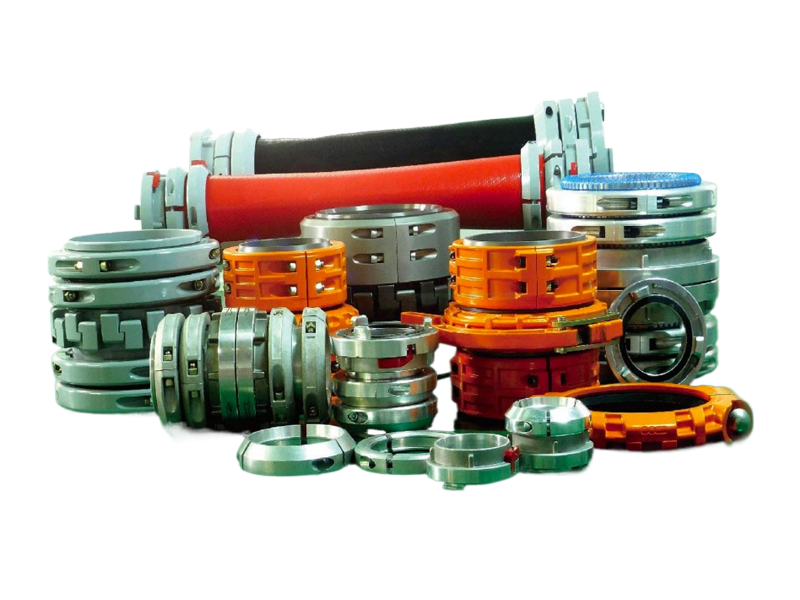
JIC and JIS fittings are not directly interchangeable, because both the flare angle and thread forms differ. Any attempt to connect them directly can lead to poor seating, thread damage, and premature leakage or failure.[10][9][1][2]
When both standards exist in one system, purpose‑designed adapters are required:[9][1][2]
- Adapters must match 37‑degree to 30‑degree seating geometry
- Thread ends must correctly transition UN/UNF to BSPP/BSPT or metric
- Pressure ratings of adapters must be validated for the system
Using proper adapters preserves both sealing integrity and compliance with relevant standards.[3][1][2]
Choosing the right standard depends on equipment origin, pressure level, and long‑term maintenance strategy.[1][2][3]
JIC fittings are commonly selected when:[5][4][2][1]
- Systems operate at very high pressure in mobile or industrial hydraulics
- Equipment and components follow SAE or North American design practice
- Global availability of replacement fittings is important
- Diagnostic ports and test connections are needed in fluid power circuits
This makes them practical for agricultural machines, mining equipment, and many industrial power units.[5][4][2]
JIS fittings are typically preferred when:[6][2][3][1]
- Maintaining Japanese or Korean construction and industrial equipment
- Plants follow metric‑based hydraulic standards
- OEM machines are supplied with JIS ports and documentation
- Operators want consistent metric threads across equipment and spares
They are standard choices for excavators, loaders, and factory lines produced in Japan or Korea.[3][1]
Accurate identification prevents ordering the wrong parts and avoids unplanned downtime.[11][1][3]
Quick identification steps:[11][1][3]
- Measure the flare angle with a seat gauge or comparator
- Check thread type and pitch with a thread gauge
- Note the equipment origin and documentation language
- Compare measurements to JIC and JIS charts from your supplier
Clear bin labeling and marked storage locations further reduce mixing between standards in maintenance workshops.[1][3]
Mixing standards can create subtle and costly failures in hydraulic systems.[9][2][1]
Common errors include:[2][9][1]
- Assuming similar‑looking fittings are interchangeable
- Forcing UNF threads into BSPP or metric ports
- Combining 37‑degree and 30‑degree seats in one joint
- Re‑using damaged flared tube ends or deformed nuts
Recommended preventive measures:[2][3][1]
- Verify seat angle and thread before assembly
- Use rated adapters rather than forcing mismatched connections
- Replace worn flare nuts, sleeves, and flared tube ends
- Separate JIC and JIS parts in storage and label them clearly
Selecting the correct fitting standard is essential to avoid leaks, rework, and costly downtime in hydraulic systems. For projects that also require durable TPU lay‑flat hose assemblies tailored to JIC or JIS interfaces, it is important to work with an engineering‑driven manufacturer that understands both standards and real‑world operating conditions.[3][2][1]
Discuss your system pressure, regional standards, and equipment mix with a specialist team that can recommend the right fittings, design compatible hose assemblies, and provide reliable global delivery. Use the contact form or request a quote to get a customized solution for your next hydraulic project.
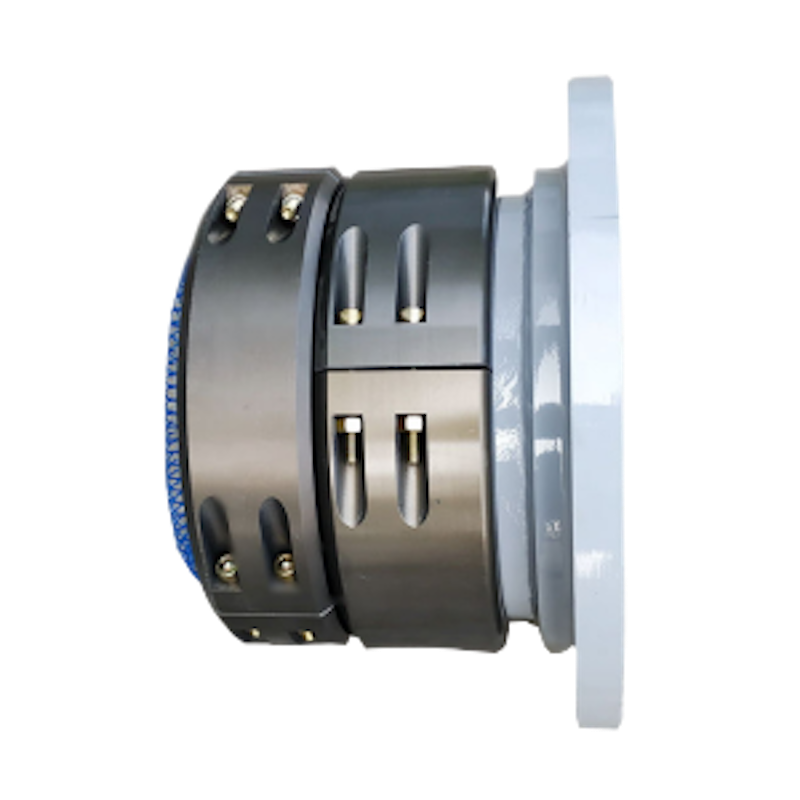
No, JIC and JIS fittings are not directly compatible, because their flare angles, thread types, and thread pitches are different and require adapters for safe connection.[9][2][1]
JIC fittings are generally favored in very high‑pressure applications, thanks to their 37‑degree flare design and high pressure ratings in many sizes and materials.[4][2][1]
Check the flare angle with a gauge and measure the thread type; 37‑degree flare with UNF threads points to JIC, while 30‑degree flare with BSPP, BSPT, or metric threads points to JIS.[8][6][3][1]
Conversion is possible using correctly rated JIS–JIC adapters and compatible hoses, but pressure ratings, sealing geometry, and standard compliance must all be reviewed before changes.[2][3][1]
They are widely used because Japanese Industrial Standards govern the design of many hydraulic components and machines produced in Japan and Korea, and these standards specify JIS‑type fittings.[6][3][1]
[1](https://hydraxio.com/jis-and-jic-fittings/)
[2](https://cntopa.com/understanding-jis-vs-jic-fittings-your-ultimate-guide.html)
[3](https://cntopa.com/jis-hydraulic-fittings-the-comprehensive-guide.html)
[4](https://en.wikipedia.org/wiki/JIC_fitting)
[5](https://www.rfshydraulics.com/jic-fittings.html)
[6](https://www.jiayuanfitting.com/info/jis-vs-jic-fitting-standards-38546224.html)
[7](https://www.qchydraulics.com/jis-vs-jic-fitting-standards.html)
[8](https://www.ryco-hydraulics.com/jis-threads/)
[9](https://www.chibin.com/en/faq/FAQ6.html)
[10](https://www.njadapter.com/what-is-the-difference-between-jic-and-jis.html)
[11](https://www.youtube.com/watch?v=51MHAU81B38)
[12](https://www.titanfittings.com/articles/ultimate-guide-to-hydraulic-fittings)
[13](https://www.strongflex.net/how-to-choose-the-right-fitting-for-hydraulic-rubber-hose/)
[14](https://www.strongflex.com/types-of-flexible-hose-materials/)
[15](https://www.strongflex.net/a-guide-to-identify-hydraulic-hose-fittings/)
[16](https://www.malonespecialtyinc.com/jic-jis-fittings/)
[17](https://www.linkedin.com/pulse/jis-vs-jic-hydraulic-fittings-how-choose-best-solution-your-7ahec)
[18](https://www.strongflex.com/project/jis-fittings/)
[19](https://www.mrhydraulic.com/blogs/news/jic-vs-an-fittings-understanding-the-difference)
[20](https://www.zkhthydraulics.com/news/jic-vs-jis-vs-din-hydraulic-fittings.html)
[21](https://hydraxio.com/jis-vs-bsp-fittings-standards/)


