

Views: 222 Author: Loretta Publish Time: 2025-12-28 Origin: Site


Content Menu
● Core Safety and Design Considerations
● Common Types of Natural Gas Hoses
>> Black Metal Natural Gas Line
>> CSST (Corrugated Stainless Steel Tubing)
>> Copper Pipe
>> Polyethylene (PE) Natural Gas Pipe
● Can Hydraulic Hose Be Used for Natural Gas
● Comparative Overview of Natural Gas Hose Types
● Modern Thermoplastic and TPU Hose Innovations
>> Thermoplastic Gas Hose Standards
>> Advantages of TPU Layflat Hose
● How to Select the Right Natural Gas Hose
● Conclusion and Call to Action
● Frequently Asked Questions (FAQ)
>> 1. What is the safest type of hose for natural gas?
>> 2. Can PVC pipe be used for natural gas?
>> 3. Is copper pipe allowed for natural gas lines?
>> 4. Are thermoplastic or TPU hoses safe for natural gas?
>> 5. How often should natural gas hoses be inspected?
When designing or upgrading a natural gas system, selecting the right natural gas hose is critical for ensuring safety, efficiency, and compliance with local codes. The best choice depends on factors such as pressure ratings, installation environment, and regulatory standards.

A natural gas hose is a flexible or rigid conduit engineered to transport gas safely from a supply line to an appliance or equipment. It must be able to withstand gas pressure, resist leaks, and perform in various temperature and weather conditions.
Key performance features include:
- Gas-tight construction to prevent leaks and gas permeation.
- Mechanical durability to endure long-term stress, vibration, and handling.
- Temperature and environmental resistance for outdoor or industrial use.
- Compliance with standards like ANSI, CSA, and ISO.
Natural gas is extremely flammable, so hoses must be rated for gas service and built to withstand pressure and temperature changes. Compliance with ANSI, CSA, and ISO certifications ensures proper safety performance and reliability. Periodic inspections and leak tests are also necessary to prevent failures and ensure ongoing safety.
Installation environments vary widely. Extreme heat, cold, or UV exposure can compromise hose materials. Indoor applications require compact and flexible hoses, while outdoor and underground installations demand materials resistant to weathering and sunlight.
Selecting the right material ensures longevity and prevents gas contamination. Metals such as black steel, copper, and stainless steel provide excellent strength but may differ in corrosion resistance. Plastics and thermoplastics, including PE or specialized elastomers, offer lighter and more flexible alternatives when correctly rated for gas use.
Each hose material has specific advantages and disadvantages. Choosing the correct type depends on system design, environment, and intended lifetime.
Pros:
- Affordable and lightweight.
- Easy to cut, join, and install for simple low-pressure systems.
Cons:
- Not ideal for high-pressure or outdoor systems.
- Degrades under UV exposure.
- Often restricted or prohibited for natural gas lines by local codes.
Pros:
- Strong, durable, and perfect for high-pressure systems.
- Widely accepted and trusted in residential and industrial setups.
- Performs well at high temperatures.
Cons:
- Heavy and difficult to install in tight spaces.
- Requires anti-corrosion coatings.
- Not suitable for DIY installations.
Pros:
- Highly flexible, ideal for complex installations.
- Lightweight and easy to route through tight areas.
- Corrosion-resistant and long-lasting.
Cons:
- Must be grounded properly to avoid lightning risks.
- Higher initial cost than black steel.
- Requires trained technicians for safe installation.
Pros:
- Excellent corrosion resistance and smooth internal surface.
- Ideal for tight indoor spaces.
- Long service life when installed correctly.
Cons:
- May corrode when exposed to certain additives in natural gas.
- Code restrictions apply in many areas.
- Costlier than PVC or steel options.
Pros:
- Flexible, corrosion-proof, and suited for buried systems.
- Excellent resistance to moisture and soil chemicals.
- Long, seamless runs with welded joints for leak resistance.
Cons:
- Not intended for indoor use.
- Requires special fusion tools and trained installers.
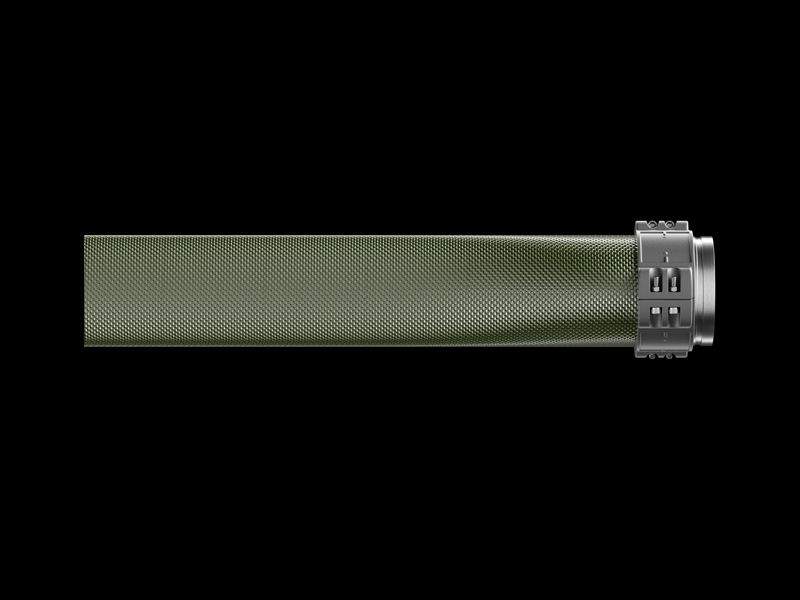
The short answer is no. Hydraulic hoses are not certified for gas use. They are designed for liquids such as oil and water, and lack the gas resistance and permeation control needed for natural gas. Using them may cause leaks, contamination, or explosions. Always use hoses specifically rated and certified for natural gas applications.
Hose Type | Typical Application | Strengths | Limitations |
Black Steel / Iron | Indoor and industrial permanent lines | High strength and temperature tolerance | Heavy and requires coating |
CSST | Flexible indoor gas distribution | Easy to install, fewer joints | Requires bonding and grounding |
Copper | Indoor use where allowed | Smooth flow, corrosion-resistant | Not permitted everywhere |
PVC | Limited low-pressure indoor use | Low cost, lightweight | Restricted for natural gas |
PE (Polyethylene) | Underground networks | Flexible, corrosion-proof | Not used indoors |
Recent advances in thermoplastic gas hose engineering—including TPE and TPU—have created lighter, more flexible options for industrial and emergency applications. Certified hoses must meet CSA and ISO performance requirements for burst pressure, temperature range, and low gas permeability.
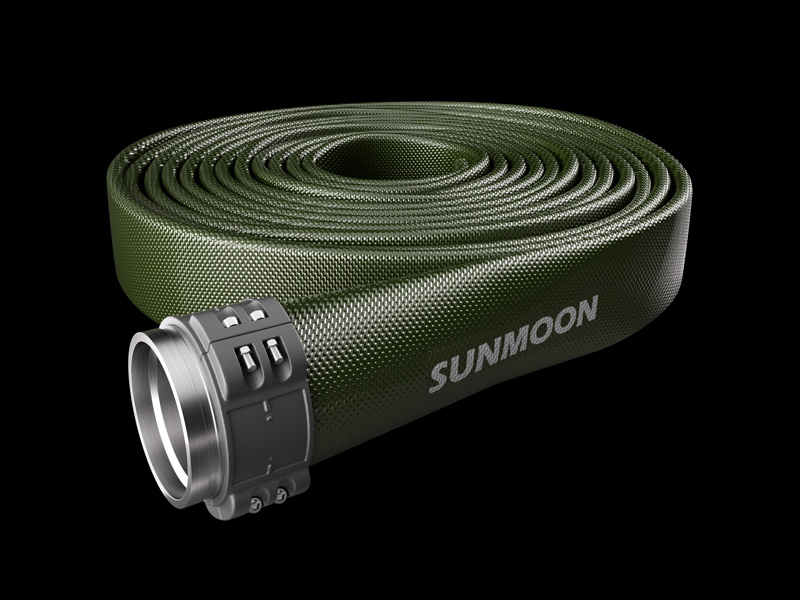
Thermoplastic polyurethane (TPU) layflat hoses deliver outstanding durability and flexibility. When engineered and certified for gas service, TPU hoses can:
- Endure high pressures with minimal expansion.
- Maintain flexibility from sub-zero to extreme heat conditions.
- Resist abrasion, oil, and weathering.
They are especially suitable for temporary gas distribution, outdoor industrial connections, and rapid deployment setups. However, always verify the product's certification for gas compatibility before installation.
Follow this step-by-step approach to ensure proper selection:
1. Identify the Application
Determine whether the system is residential, commercial, or industrial. Note gas type, operating pressure, and environmental factors.
2. Check Codes and Standards
Verify which hose types are approved for your area under ANSI, CSA, or ISO codes.
3. Match Material to Environment
- Underground: PE/HDPE.
- Indoor: black steel, CSST, or approved copper.
- Temporary or mobile: rated thermoplastic or stainless-steel gas hose.
4. Review Technical Ratings
Ensure working pressure and temperature range exceed your system's requirements.
5. Inspect and Maintain
Schedule regular inspection for leaks, corrosion, and mechanical wear. Replace damaged components immediately.
Choosing the correct natural gas hose is essential for ensuring long-term safety and performance. Whether installing a residential system or developing an industrial line, material selection, compliance, and maintenance determine the quality of your setup.
If you are seeking advanced, certified TPU layflat or thermoplastic hose solutions engineered for challenging gas or industrial environments, contact Sunmoon's engineering team today. Our experts will help you assess your requirements and design a customized hose solution that delivers reliability, safety, and superior performance.
The safest option is a hose specifically rated and certified for natural gas, such as black steel, CSST, PE gas pipe, or an approved thermoplastic gas hose.
PVC is not recommended or permitted in most regions due to its temperature and impact limitations. Always confirm your local code requirements.
Some areas allow copper gas lines, while others do not. Certain additives in gas can corrode copper, so approval from local authorities is essential.
Yes, only if certified for gas use. TPU or other thermoplastic hoses must meet gas service standards for pressure, temperature, and permeation resistance.
Inspect hoses regularly for cracking, corrosion, or leaks, and replace any damaged section immediately or at the manufacturer's recommended interval.


