

Views: 222 Author: Loretta Publish Time: 2026-01-09 Origin: Site


Content Menu
● What Is an Oxy-acetylene Hose
● Why Oxy-acetylene Hoses Matter
● Key Properties of Oxygen and Acetylene Hoses
● Color Coding for Oxygen and Acetylene Hoses
● Structure of an Oxy-acetylene Welding Hose
>> Inner Tube
● Typical Specifications and Sizes
● Main Applications of Oxy-acetylene Hoses
>> Heating, Bending and Cleaning
● How to Choose the Right Gas Welding Hose
>> Step 1: Define Application and Duty Level
>> Step 2: Match Hose Grade to Fuel Gas
>> Step 3: Size, Length and Connection Compatibility
>> Step 4: Safety, Durability and Handling
>> Step 5: Cost, Service Life and Total Efficiency
● Safe Use and Maintenance Practices
● Get Engineering Support for Your Gas Welding Hose Setup
● FAQs About Oxy-acetylene and Gas Welding Hoses
>> 1. Which type of hose is used for acetylene gas
>> 2. What is the difference between acetylene and oxy-acetylene
>> 3. What is the maximum pressure for an acetylene hose
>> 4. What is the standard color for acetylene and oxygen hoses
>> 5. Can the same hose be used for acetylene and propane
Gas welding and cutting impose high thermal and mechanical stress on equipment, so the hose system connecting the cylinders to the torch must remain flexible, leak-free, and robust throughout its service life. Many hose failures and flame irregularities trace back to incorrect hose selection, poor storage, or using the wrong grade for a given fuel gas, all of which are avoidable with a systematic selection and maintenance approach.[3][4][5][1]

An oxy-acetylene hose is a paired flexible hose assembly that transports oxygen and acetylene separately from high-pressure cylinders or manifolds to an oxy‑fuel torch. One hose carries oxygen, the other carries acetylene, and both must be compatible with their respective gases, pressure ratings, and the environmental conditions around the work site.[6][1][3]
In typical setups, each hose connects to its own regulator outlet at the cylinder side and to dedicated torch inlets at the tool side, often through quick couplings, check valves, and flashback arrestors that enhance safety.[7][1][6]
The oxy‑acetylene flame can reach temperatures of roughly 3,200°C (5,800°F), so any weakness in the gas delivery system can quickly become a serious safety hazard. A hose that kinks, leaks, or degrades internally can cause unstable flame, pressure fluctuations, or, in the worst case, ignite fuel gas outside the torch, creating fire and explosion risks.[5][8][1][3]
Reliable hoses also contribute to consistent productivity, because operators can maintain the same flame characteristics across different jobs, reducing rework and downtime linked to gas supply issues.[2][9]
Oxy-acetylene twin hoses are designed to be flexible and durable, allowing welders to maneuver around workpieces, fixtures, and stands without stressing the connections or kinking the hose wall. The materials used for tube and cover are chosen to withstand repeated bending, moderate mechanical abrasion, and contact with typical workshop contaminants.[10][1][2]
Standard products often operate across a temperature range of approximately -25°C to +70°C (-13°F to +158°F), which covers most indoor and outdoor fabrication conditions. Many designs are nonconductive and feature flame-resistant, anti-aging compounds so the rubber maintains elasticity and surface integrity when exposed to UV, ozone, and occasional sparks.[8][1][2][5]
Choosing the correct hose grade is essential because different fuel gases place different chemical and thermal loads on the hose materials. Industry practice distinguishes mainly between Grade R, Grade RM, and Grade T welding hoses, each optimized for particular gas combinations and levels of oil and flame resistance.[11][5][8][10]
Grade R hoses are designed specifically for oxygen and acetylene service and are widely used in general-purpose welding and cutting operations. They are not oil resistant and are not intended for alternate fuel gases such as propane or propylene, because those fuels can attack the tube from the inside and cause early cracking or leakage.[1][2][5][10]
Grade RM retains acetylene-only compatibility but introduces an oil- and flame-resistant cover, providing better protection against external contamination or spatter while the inner tube remains similar to Grade R. This configuration can be suitable where hoses are exposed to oils on the floor or equipment but users still rely solely on acetylene as the fuel gas.[7][8][10]
Grade T hoses are engineered for all common fuel gases, including acetylene, propane, propylene, natural gas, and various fuel gas blends. Both the tube and the cover are oil- and flame-resistant, often self-extinguishing, and verified to handle the higher permeation and temperature demands of mixed or alternate fuels.[8][10][11][7]
Workshops and field crews that may switch between acetylene and propane or that support customers using different fuel gases typically prefer Grade T because it reduces the risk of hose incompatibility over the life of the system.[9][10]
Color coding helps operators rapidly identify the gas flowing through each hose, reducing connection errors during installation and daily use. The acetylene hose is almost universally red, while the oxygen hose is usually blue or green, a convention reflected in ISO 3821 and widely used welding safety guidelines.[12][13][6][1]
Maintaining correct color usage across the entire system, including replacement sections and extensions, supports safer training, easier troubleshooting, and faster emergency response if a leak or damage is discovered.[14][6]
Most oxy-acetylene hoses use a multi-layer structure consisting of an inner tube, reinforcement, and outer cover, each with specific functions. Together these layers provide gas compatibility, pressure resistance, mechanical strength, and environmental protection while keeping overall weight and stiffness under control.[2][5][1]
The inner tube is typically made from SBR (Styrene-Butadiene Rubber) or similar synthetic rubber chosen for its balance of gas compatibility, flexibility, and cost. It forms the primary gas path and must resist swelling, hardening, and micro-cracking caused by oxygen, acetylene, and trace contaminants over time.[5][6][1][7]
A smooth, clean inner tube also supports stable gas flow, helping the operator maintain consistent flame characteristics even at long hose lengths or when torch demand changes.[1][2]
Around the inner tube sits a high-tensile synthetic cord reinforcement, often polyester, sometimes arranged helically or braided to control expansion under pressure and protect against kinking. This layer defines the working and burst pressure capabilities of the hose and ensures it retains its round cross-section when bent around fixtures or pulled across the floor.[2][5][1]
Heavy-duty designs may incorporate metal wire reinforcement to provide additional resistance to pressure or to control hose expansion in specialized applications.[5][2]
The outer cover, commonly made from SBR or EPDM rubber compounds, provides abrasion, weather, and ozone resistance while preserving flexibility and grip. Many welding hoses use a wrapped or ribbed surface that improves handling with gloves, reduces surface tack on floors, and offers better protection against scuffs and minor cuts.[10][1][2]
This cover is often formulated with flame-resistant additives so that incidental contact with hot metal or sparks does not cause sustained burning or rapid degradation.[7][8]
Gas welding hoses are available in several standard internal diameters and lengths to match the required gas flow and working distance. Common IDs range from about 4.8 mm to 9.5 mm (3/16 in to 3/8 in), with corresponding outer diameters around 11.5 mm to 17 mm depending on the reinforcement system.[1][2]
Commonly used hoses operate at working pressures near 20 bar (≈ 290 psi) with burst pressures around 60 bar (≈ 870 psi), providing a typical safety factor of roughly 3:1. Connection types often follow A, B, or C designations, with B-size fittings widely used in general torch equipment and adapters available to bridge between sizes when necessary.[2][7][1]
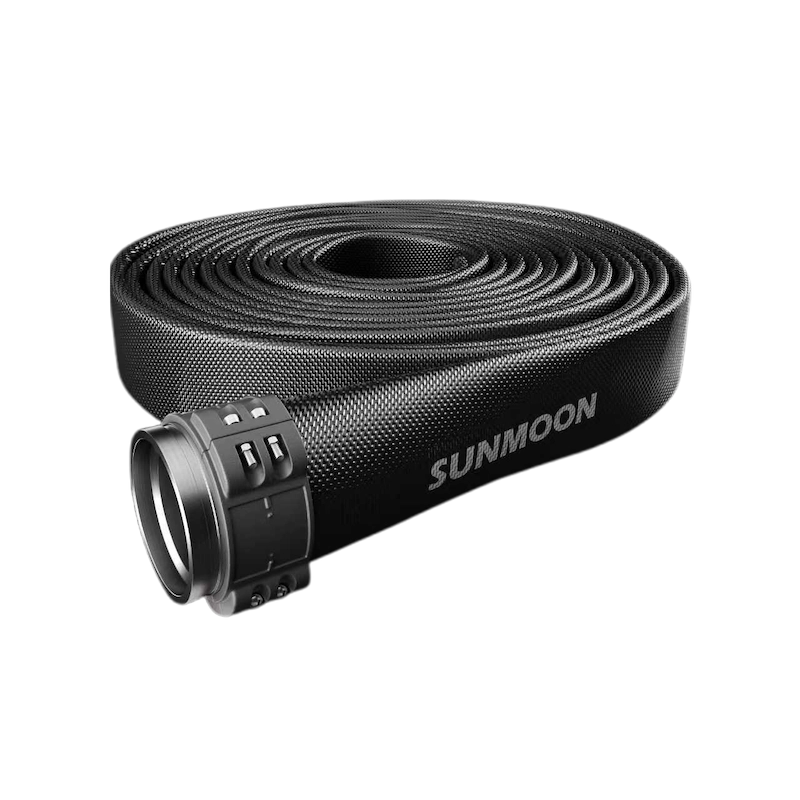
Oxy-acetylene hose assemblies support a broad range of metalworking tasks in manufacturing, construction, and maintenance. Key applications include welding, cutting, resurfacing, and controlled heating of ferrous and nonferrous metals in workshops, fabrication yards, shipyards, and on-site repair jobs.[3][1][2]
Because different processes demand different gas flows and flame characteristics, hose selection must take into account both the torch size and the duty cycle in each application area.[4][9]
In welding, oxy-acetylene hoses supply the gases that create a neutral, oxidizing, or carburizing flame, enabling operators to join metals using filler rod or fusion methods. During cutting operations, the same hoses supply the oxygen and acetylene needed to heat steel to its ignition point and then support continued oxidation to separate the material.[3][1]
These operations are highly sensitive to flow restrictions, leaks, and pressure fluctuations, making hose condition and quality a key factor in cut quality and weld consistency.[8][2]
Oxy-acetylene hoses are also used for localized heating and flame straightening, where the flame is intentionally kept below the melting point of the base material. By controlling heat input, operators can bend, align, or stress-relieve components without causing full melting or structural damage.[3][1]
Flame cleaning uses a controlled flame to remove scale, paint, and contaminants from surfaces prior to other operations, again relying on stable gas delivery through the hose system.[1][2][3]
A structured selection process helps match hose performance to the exact requirements of each welding or cutting project. Considering application, fuel gas, size, safety features, and lifecycle cost ensures both safety and economic performance over time.[4][9][2][1]
Begin by clarifying the type of work and duty cycle: light repair welding, production cutting, heavy maintenance, or multi-process operations that mix cutting, brazing, and heating. Higher duty operations and thicker materials usually require higher gas flows, which favor larger ID hoses and more robust reinforcement.[4][2][3][1]
Also consider the environment: indoor shop, outdoor field work, or high-clutter areas where the hose is dragged across rough surfaces or exposed to vehicles and equipment.[9][4]
Select Grade R, RM, or T according to current and future fuel gas plans. If acetylene is the only fuel gas and conditions are clean, Grade R or RM may be suitable; if propane, propylene, or other alternate fuels are used now or anticipated, Grade T is the safer and more durable choice.[11][10][5][8]
Using the wrong grade with oily alternate fuels can lead to internal degradation, tube cracking, and gas leaks that may appear unexpectedly long after installation.[5][8]
Choose hose ID and length to balance flexibility, pressure drop, and required gas flow. Long runs for field work may need a larger ID or higher regulator setting to maintain a stable flame, while very short hoses near manifold systems can often use smaller sizes without performance loss.[9][4][2][1]
Check regulator and torch connections (A, B, or C) and prepare any required adapters so that no improvised or unsafe fittings are used during installation.[7][2][1]
Evaluate hose cover resistance to abrasion, cuts, UV, and hot slag, especially if the hose will be dragged across metal surfaces or concrete floors. Look for recommended accessories such as strain reliefs, hose reels, and quick couplings that reduce mechanical stress at the ends and improve day-to-day handling.[6][10][8][1]
Incorporate flashback arrestors, check valves, and clear visual inspection routines into the system design so that operators can quickly isolate damage and avoid continued operation with compromised hoses.[6][7]
Compare hose options not only on initial purchase price but also on expected service life, replacement frequency, and risk reduction. Higher-grade hoses and accessories often reduce unplanned downtime, service calls, and accident potential, which can significantly outweigh their extra upfront cost in professional environments.[4][8][9][5]
In multi-shift or high-utilization operations, planning preventive replacement intervals based on operating hours and inspection findings can further stabilize costs and safety performance.[2][5]
Daily habits in handling and storing gas welding hoses influence both operator safety and the functional life of the hose assembly. Hoses should be routed to minimize tripping hazards, kept away from sharp edges, and protected from crushed or kinked sections caused by vehicles or heavy equipment.[6][4][1]
Routine inspection helps identify cuts, abrasions, blisters, soft spots, or burn marks early so that damaged sections can be removed from service and replaced. Hoses should be stored coiled without tight bends in cool, dry, shaded areas away from oils, solvents, and strong oxidizers to slow aging of the rubber compounds.[8][5][6]
For professional users, the difference between a generic hose and an engineered gas welding hose solution shows up in safety statistics, overtime costs, and project reliability. If your team is planning to upgrade oxy-acetylene equipment, standardize hose specifications across sites, or integrate modern TPU layflat hose into long-distance supply lines, now is the right moment to engage a specialized hose manufacturer that offers application engineering, custom configurations, and global support.[4][8][9][2]
Reach out to the technical team with your current oxy-fuel setup, typical materials, hose lengths, and fuel gases, and request a tailored recommendation for hose grade, size, and accessories. By collaborating early on specification and design, you can reduce safety risks, extend hose life, and improve productivity across your welding and cutting operations.[4][9]
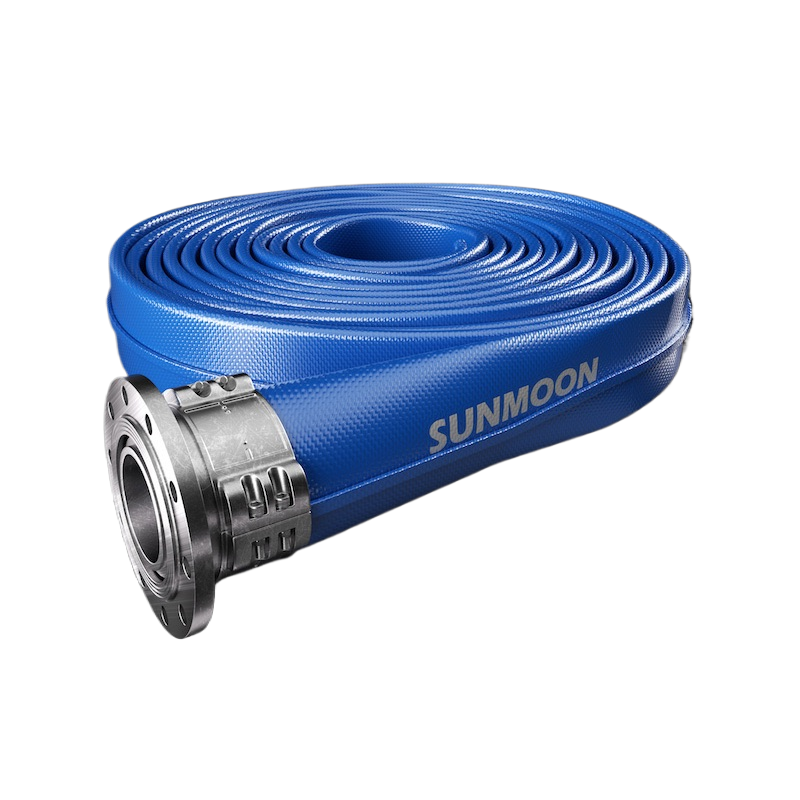
A dedicated fuel gas hose is used for acetylene, typically red and rated for appropriate working and burst pressures in oxy‑acetylene systems. In twin hose assemblies, one red hose carries acetylene while the matching blue or green hose carries oxygen, with fittings and accessories configured for each gas line.[15][6][1]
Acetylene by itself is a high-energy fuel gas that can burn with air but at a lower flame temperature than when combined with oxygen. Oxy-acetylene systems deliver pure oxygen and acetylene through separate hoses to the torch, where they mix to produce a much hotter flame suitable for efficient welding, cutting, and heating of steel.[3][1]
Many standard oxy-acetylene hoses are designed with a working pressure of about 20 bar (≈ 290 psi) and a burst pressure around 60 bar (≈ 870 psi), yielding a typical safety factor of roughly three. Always follow the specific ratings on the hose and the manufacturer's datasheet, and ensure regulators and accessories are set up so that the system never exceeds rated working pressure.[7][1][4]
The acetylene hose is conventionally red, a widely adopted standard for fuel gas in oxy‑fuel systems. Oxygen hoses are typically blue or green, making it easy to distinguish them by sight during setup, operation, and inspection.[13][12][14][15][1]
Standard Grade R hoses are intended for acetylene and oxygen only and are not recommended for propane, propylene, or natural gas because alternate fuels can attack non‑oil‑resistant rubber tubes. Grade T hoses are formulated for all common fuel gases, with oil- and flame-resistant tube and cover, making them the appropriate choice when propane or other alternate fuels are used or planned.[10][11][5][8][7]
[1](https://rentonehose.com/blog/oxy-acetylene-hose-find-the-best-gas-welding-hose-for-your-project)
[2](https://meritusgas.com/types-of-welding-hoses/)
[3](https://www.sealey.co.uk/OxyacetyleneWelding-buying-guide)
[4](https://rexarc.com/blog/hose-selection-101-tips-to-select-a-right-hose-for-a-gas-facility/)
[5](https://hydraulichose.cn/a-comprehensive-guide-on-choosing-rubber-welding-hose/)
[6](https://www.strongflex.com/oxygen-hose-and-acetylene-hose-usage-guide/)
[7](https://www.crossco.com/wp-content/uploads/2019/08/Selecting-A-Welding-Hose.pdf)
[8](https://ronsonstorch.com/why-you-should-care-about-your-welding-hose/)
[9](https://smartbuy.alibaba.com/buyingguides/welding-hose)
[10](https://gushanrubber.com/twin-welding-hose-grades/)
[11](https://www.atlweldingsupply.com/blogs/news/differences-between-grades-of-twin-welding-hose)
[12](https://gushanrubber.com/what-color-are-oxygen-hoses/)
[13](https://kingdaflex.com/when-welding-what-color-is-the-oxygen-hose/)
[14](https://industriesdays.com/welding/when-welding-what-color-is-the-oxygen-hose/)
[15](https://gushanrubber.com/what-is-acetylene-hose/)


