

Views: 222 Author: Loretta Publish Time: 2026-01-16 Origin: Site


Content Menu
>> Acetylene Hose Construction
● Key Differences Between Oxygen Hose and Acetylene Hose
>> Technical Comparison of Oxygen and Acetylene Hoses
● Why Oxygen and Acetylene Hoses Must Not Be Mixed
● Safe Use Guidelines for Welding Hoses
>> Pre Use Inspection and Cleaning
>> Keep Away From Heat and Fire
>> Tight Connections and Leak Prevention
● How to Select the Right Oxygen and Acetylene Hoses
● Step by Step Checklist for Daily Hose Safety
● When to Replace Oxygen and Acetylene Hoses
● Why Work With an Engineering Driven Hose Manufacturer
● Practical Use Cases in Metal Processing
● Take Action to Upgrade Your Welding Gas Hose System
● Frequently Asked Questions (FAQ)
>> 1. Can an oxygen hose be used for acetylene if the pressure is low
>> 2. Why are acetylene hoses usually red
>> 3. How often should welding hoses be replaced
>> 4. Is it safe to repair a damaged welding hose with tape
>> 5. Can welding hoses be used outdoors year round
In gas welding and cutting, choosing the right oxygen hose and acetylene hose is critical for safety, performance, and compliance. This guide explains structure, differences, selection, and best practices so that engineers, safety managers, and purchasing teams can make confident decisions.
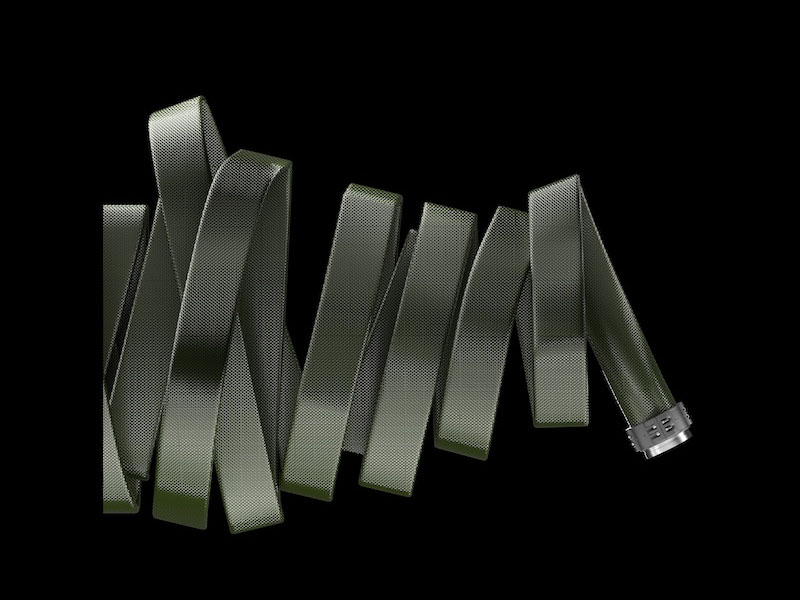
Welding gas hoses are flexible hoses designed to transport pressurized gases such as oxygen and acetylene from cylinders or gas systems to welding or cutting torches. They are key connecting components that ensure stable, controlled gas flow in industrial operations.
Key characteristics include:
- High pressure resistance for safe gas delivery.
- Corrosion resistance against gases and environmental exposure.
- Wear resistance and good flexibility for frequent movement and bending.
These hoses usually consist of three basic layers.
- Inner tube: In direct contact with the gas.
- Reinforcement layer: Fiber or synthetic plies to withstand pressure.
- Outer cover: Protective layer against abrasion, heat, and environment.
According to the gas they carry, welding hoses are mainly divided into oxygen hoses and acetylene hoses.
An oxygen hose is a rubber hose dedicated to transporting oxygen from the cylinder or central gas system to the welding or cutting torch. It is widely used in gas welding, gas cutting, and industrial heating and oxidation processes.
Standard oxygen hoses are usually built as follows.
- Tube: Black, smooth synthetic rubber.
- Reinforcement: High strength synthetic plies for pressure resistance.
- Cover: Blue, green, or red smooth synthetic rubber, often color coded for oxygen service.
Oxygen hoses use oxidation resistant materials and are designed to provide:
- Excellent pressure resistance, with typical working pressure around 2 MPa depending on standard and design.
- Good flexibility to route around equipment without kinking.
An acetylene hose is a rubber hose used to transport acetylene, a flammable fuel gas commonly paired with oxygen in welding and cutting. It is widely used in metal processing, cutting, welding, and brazing.
Standard acetylene hoses typically feature the following structure.
- Tube: Black, smooth synthetic rubber.
- Reinforcement: High strength synthetic plies.
- Cover: Usually red synthetic rubber as a visual warning for flammable fuel gas.
Because acetylene is corrosive, high pressure acetylene hoses use corrosion resistant materials to improve service life and reliability. They are also designed with good low temperature resistance, maintaining flexibility and durability in cold environments to ensure smooth gas delivery.
Oxygen and acetylene hoses differ in color, material, pressure rating, and application. Understanding these differences helps prevent misuse and improves overall safety.
Parameter | Oxygen Hose | Acetylene Hose |
Main gas | Oxygen (oxidizing gas) | Acetylene (flammable fuel gas) |
Typical color | Blue, green, or black | Red |
Tube material | Oxidation resistant synthetic rubber | Corrosion resistant rubber adapted to acetylene |
Reinforcement | High strength synthetic plies | High strength synthetic plies |
Outer cover feature | Flame retardant, high pressure resistant | Enhanced protective performance vs oxygen hose |
Typical use | Cutting, heating, oxidation | Cutting, welding, fuel gas supply |
Working pressure | Relatively high, usually around 2 MPa | Lower, typically around 1.0 MPa |
These distinctions explain why using the wrong hose for a given gas is unsafe and not permitted in professional welding environments.
Using an acetylene hose for oxygen, or an oxygen hose for acetylene, introduces serious risk and violates established safety practices. Proper separation of gases and hoses is a basic requirement in industrial welding.
Main reasons include:
- Different materials and resistance: Materials engineered for acetylene are not optimized for pure oxygen, and vice versa, which can lead to degradation or unsafe reactions.
- Pressure rating mismatch: Oxygen hoses are built for higher working pressure than acetylene hoses, so reversing them can cause hose failure or leakage.
- Color coding and identification: Red fuel hoses and blue or green oxygen hoses support quick visual checking and prevent connection errors on busy worksites.
For these reasons, oxygen and acetylene hoses must be clearly distinguished and never interchanged.
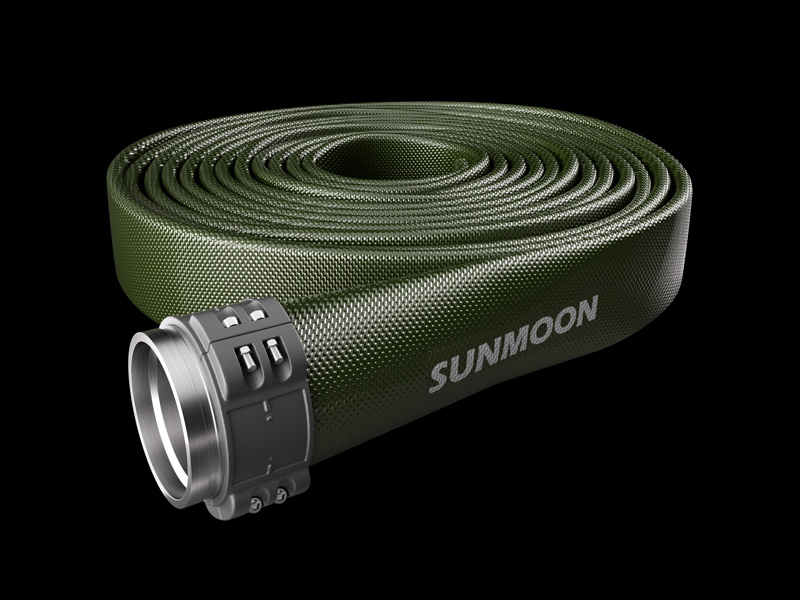
Correct operating procedures are essential to reduce leakage, fire, and explosion risk when handling oxygen and acetylene hoses. The following guidelines can be integrated into daily operating standards.
Before connecting hoses:
- Make sure hoses are free from water, oil, and obvious contamination.
- Blow through oxygen and acetylene hoses with appropriate gas to remove internal debris.
- Never use oxygen to blow out blockages in an acetylene hose to avoid forming explosive mixtures.
During operation:
- Prevent hoses from being squeezed, crushed, or dragged across sharp edges.
- Avoid tight bends and folds that may damage the reinforcement layer and restrict gas flow.
To maintain hose integrity:
- Keep hoses away from direct sunlight, high temperatures, open flames, and metal splashes.
- Prevent hoses from contacting hot workpieces or welding slag that could burn the outer cover.
When hoses are not in use:
- Store hoses in a dry, ventilated place away from sunlight, high temperature baking, rain, and snow.
- Prevent contact with acids, oils, gases, and organic solvents that can attack rubber compounds.
If a hose catches fire:
- For an acetylene hose: Extinguish the fire first, then stop the gas supply.
- For an oxygen hose: Stop the gas supply first, then extinguish the fire.
This sequence helps reduce the risk of backfire or explosion in different gas environments.
For safe daily operation:
- Ensure hose joints and clamps are properly tightened before opening gas valves.
- After finishing work, close gas valves to prevent leakage through hoses or fittings.
A structured selection process improves long term reliability and safety for welding systems. Thoughtful selection goes beyond simple purchase cost.
Key points for selection include:
- Gas type and application: Confirm whether the application is mainly welding, cutting, heating, or a combination.
- Required working pressure: Select hoses whose rated pressure clearly meets or exceeds actual operating pressure for oxygen and acetylene lines.
- Environment and temperature: For outdoor sites or low temperature conditions, prioritize hoses with verified low temperature flexibility and weather resistance, especially for acetylene lines.
- Color coding and standards: Use blue, green, or black hoses for oxygen and red for acetylene in line with common industrial practice to minimize confusion.
For OEMs and system integrators, working with an engineering focused hose manufacturer helps align hose structure with specific site requirements and standards.
A clear checklist supports operators in maintaining safe conditions around welding hoses throughout each shift.
1. Visual inspection before shift
- Check for cracks, bulges, burns, or exposed reinforcement on hoses.
- Verify that connectors, clamps, and couplings are tight and not damaged.
2. Verify identification
- Confirm red hoses are connected only to acetylene or fuel outlets.
- Confirm blue, green, or black hoses are connected only to oxygen outlets.
3. Check routing
- Avoid routing hoses across walkways where possible, or protect them with covers.
- Keep hoses away from sparks, hot slag, and sharp edges that can cut or burn the cover.
4. Leak and pressure check
- Open cylinder valves slowly while monitoring for abnormal noise or vibration.
- Use appropriate leak detection fluid around joints; do not use open flames for tests.
5. End of shift shutdown
- Close cylinder or gas system valves as required by site procedure.
- Release pressure if mandated by internal safety rules.
- Coil hoses neatly and store them in a dry, shaded location.
Timely hose replacement is vital for maintaining a safe welding and cutting environment. Reasonable replacement intervals depend on usage intensity and conditions.
Situations that indicate replacement is necessary include:
- Visible cracks, burns, hardening, or discoloration on the outer cover.
- Hose contamination by oil, chemicals, or solvents that cannot be removed safely.
- Failed pressure tests or leak tests that show micro leaks in the hose body or permanent fittings.
- Evidence of severe mechanical damage, crushing, or repeated sharp bending.
Clear internal criteria and maintenance records support compliance with safety audits and reduce unplanned downtime.
Cooperation with an engineering driven hose manufacturer supports safer, more efficient welding systems in demanding environments.
Key advantages include:
- Application based design: Hose structure, inner tube compound, reinforcement design, and cover formulation can be matched to actual pressure, temperature, and motion conditions.
- Improved durability in heavy duty industrial environments, reducing replacement frequency and production interruptions.
- Flexible supply options including customized lengths, fittings, and packaging adapted to regional standards.
Experienced technical support also assists in upgrading from traditional hose designs to more advanced solutions that simplify handling and storage.
Oxygen and acetylene hoses are used across a wide range of metal processing and fabrication scenarios. Proper selection and maintenance directly influence efficiency and safety.
Typical use cases include:
- Shipbuilding and heavy fabrication: Long hose runs from central gas systems to field welding stations on large structures.
- Steel structure and construction sites: Frequent relocation of torches and hoses around scaffolding and frameworks.
- Automotive and machinery repair: Compact welding setups with short hoses in workshops and mobile service units.
In each case, stable gas supply, easy handling, and clear identification are key factors in daily operations.
A well designed welding hose system improves safety, efficiency, and operating comfort for every welding and cutting project. Review your current oxygen and acetylene hoses now, check their condition and specifications against your actual working environment, and plan necessary improvements. For projects that demand reliable performance, strict safety control, and customized configurations, contact the Sunmoon team to discuss your requirements, request technical assistance, and explore tailored oxygen and acetylene hose solutions that match your standards and long term production goals.
No. Oxygen and acetylene hoses use different material designs and color codes, and mixing them creates serious safety risks and identification errors even at lower pressures.
Red provides a clear visual warning that the hose carries a flammable fuel gas and helps operators distinguish it quickly from oxygen hoses during setup and maintenance.
There is no single fixed period for all sites. Replacement should be based on regular inspection results, visible damage, leak test outcomes, and internal safety policies that reflect actual usage conditions.
No. Surface tape can hide damage but does not restore pressure integrity or fire resistance. Damaged hoses should be removed from service and replaced rather than patched for oxygen or acetylene use.
Yes, provided that the hoses are specified for the site's temperature range and stored correctly. Low temperature resistant acetylene hoses and weather resistant covers help maintain flexibility and safety outdoors.


