

Views: 243 Author: Sunmoon Publish Time: 2026-06-22 Origin: Site


Content Menu
● What Double Layer PVC Layflat Hoses Really Are
● Why Pump Stations Need Flexible Vibration Dampening
● How Double Layer Layflat Hoses Damp Vibration
● Where Double Layer PVC Layflat Hoses Fit in Pump Stations
● Real‑World Perspective: What Operators Actually Care About
● Double Layer PVC vs Single Layer PVC at Pump Outlets
● How to Specify the Right Double Layer Hose for Your Pump Station
● Installation Best Practices for Vibration Dampening
● When to Choose Double Layer PVC vs TPU or NBR Layflat
● Customization Options That Improve Performance and UX
● What Customers Say in the Field
● How Sunmoon Supports Global Pump Station Projects
● Clear Next Steps: From Concept to Reliable Connection
● FAQ
When you design or upgrade a pump station today, choosing the right flexible connection can make the difference between a smooth-running system and a constant maintenance headache. As a hose manufacturer and on‑site commissioning engineer, I have seen how double layer PVC layflat hoses dramatically improve vibration dampening, leak prevention, and service life in real pump station projects worldwide. [sunmoonhose]
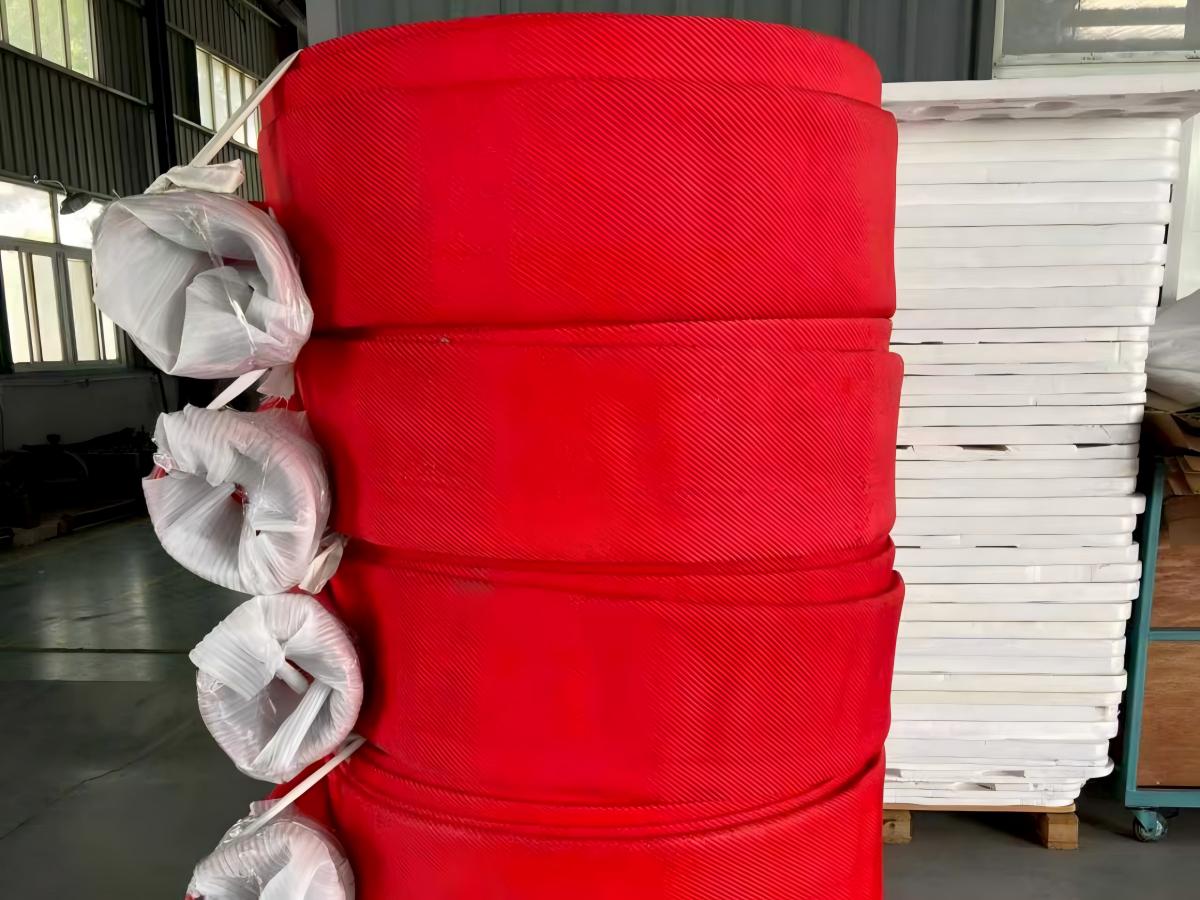
Double layer PVC layflat hose is a flexible, collapsible hose made from two bonded layers of PVC, typically with textile reinforcement, designed for water and general fluid transfer under moderate pressure. Compared with standard single‑layer PVC hoses, the dual‑layer structure delivers higher burst strength, better abrasion resistance, and more robust protection against pinholes and surface damage. [ly-plastic]
In practical pump station applications, this means:
- Higher safety margin under pressure spikes
- Better fatigue resistance at the pump outlet
- Longer lifetime under frequent handling, dragging, and coiling
From Sunmoon's production perspective, we engineer double layer PVC hoses to fill the gap between lightweight garden‑type hoses and high‑end TPU or NBR layflat solutions, giving operators a cost‑effective option for municipal, agricultural, and light‑industrial pump stations. [sunmoonhose]
In any pump station—whether for irrigation, construction dewatering, wastewater bypass, or emergency flood control—pumps generate continuous mechanical vibration and pressure pulsation. If this movement is transmitted directly into rigid pipe, you often see issues such as: [sunmoonhose]
- Cracked welds and flanges near the pump outlet
- Premature gasket wear and loosening bolts
- Noise complaints and structural resonance in enclosed pump rooms
A short length of flexible hose between pump and manifold acts as a vibration isolator, absorbing movement before it propagates into the pipeline. In my field work, simply adding a flexible layflat section has stopped recurring flange leaks that contractors had been "chasing" for months with gasket changes and re‑torquing.
Double layer PVC layflat hoses damp vibration through a combination of geometry and material behavior. [ly-plastic]
Key mechanisms include:
- Wall flexibility: The flattened profile and textile reinforcement allow controlled flexing under dynamic load instead of transmitting sharp pulses into rigid pipe.
- Energy dissipation: Micro‑movement between inner and outer PVC layers and the reinforcement helps convert vibration energy into harmless heat.
- Bend radius: A relatively tight bend radius allows the hose to be installed in a gentle loop, creating a "spring" section that absorbs displacement from misalignment or pump movement.
Compared with solid rubber or metal expansion joints, a well‑sized layflat hose offers:
- Larger movement accommodation in all directions
- Easier visual inspection (you immediately see kinks, abrasion, or damage)
- Simpler replacement using camlock, Bauer, or threaded fittings
In applications where pumps start and stop frequently or operate on variable speed drives, the dynamic load on the connection can be significant. Here a double layer layflat hose provides a forgiving buffer that protects both pump and downstream piping from these transients. [sunmoonhose]
From an engineering point of view, double layer PVC layflat hoses are most suitable as flexible connectors in:
- Agricultural irrigation pump stations (canals, rivers, reservoirs)
- Temporary construction and mining dewatering setups
- Municipal drainage and flood relief systems
- Bypass pump stations during pipeline or sewer maintenance
They are typically used in:
- Suction lines where low to medium vacuum is present and proper reinforcement is selected
- Discharge lines on the low to medium pressure side, especially for temporary runs
At Sunmoon, we often see customers standardize double layer PVC hoses for pump sizes in the 2–6 inch range, where required working pressure and abrasion demand do not yet justify higher‑cost TPU or NBR solutions. [sunmoonhose]
When I visit sites or talk with technicians, their priorities are rarely the "perfect" engineering specification. They are usually focused on:
- "Will this hose stop my flange from leaking every week?"
- "Can my team deploy and pack this quickly with minimal training?"
- "If a truck drives over it once, will it fail?"
End users who switched from rigid pipe or single‑layer PVC hoses to double layer PVC layflat often report:
- Noticeably fewer vibration‑related leaks at pump connections
- Less time spent re‑aligning pumps or tightening bolts
- Easier night‑shift operation because hoses are lighter and more forgiving to handle
These experiences echo what we see in factory tests: a properly engineered double layer PVC layflat hose raises reliability without adding complexity. [sunmoonhose]
Below is a concise comparison based on typical pump station use cases.
| Aspect | Double layer PVC layflat | Single layer PVC layflat |
|---|---|---|
| Structure | Two bonded PVC layers, often reinforced (ly-plastic) | Single PVC layer, basic reinforcement |
| Vibration dampening | Higher, due to added stiffness and energy absorption (ly-plastic) | Moderate; more prone to deformation |
| Abrasion resistance | Better outer layer protection in dragging and contact zones (ly-plastic) | Lower; surface damage shows more quickly |
| Burst pressure | Typically higher for same nominal size (ly-plastic) | Lower safety margin |
| Service life at pump outlet | Longer in most field installations (sunmoonhose) | Shorter, especially under frequent starts/stops |
| Cost | Higher but still economical vs TPU or NBR (sunmoonhose) | Lower initial cost |
From a lifecycle cost perspective, most pump operators find that the slightly higher investment in double layer PVC is offset by fewer emergency replacements and reduced downtime. [ly-plastic]
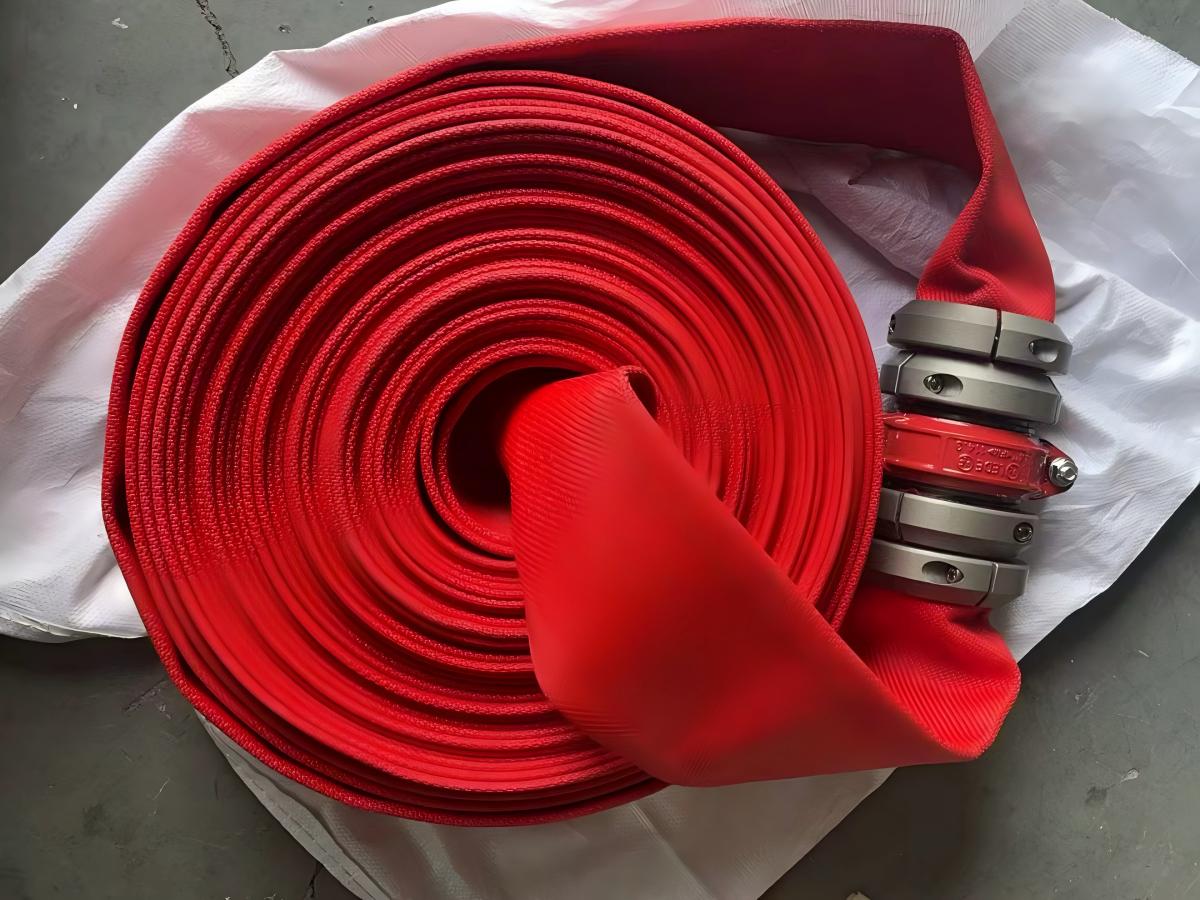
From an engineering and procurement standpoint, selecting the correct hose is the single most important step to ensure real vibration dampening and long service life.
Key parameters to define:
1. Working pressure and safety factor
- Determine maximum operating pressure plus transient spikes.
- Choose a hose rated with sufficient safety margin (commonly 2.5–4x).
2. Inner diameter and flow rate
- Match hose ID to pump nozzle and target flow.
- Avoid undersizing, which increases velocity, friction loss, and vibration intensity.
3. Temperature and media compatibility
- Confirm that PVC is compatible with your fluid and temperature range.
- For higher temperature or aggressive chemicals, TPU or NBR may be more appropriate. [sunmoonhose]
4. Connection and fittings
- Decide on camlocks, Bauer couplings, threaded adaptors, or flanged ends.
- Ensure a secure, leak‑free transition with proper banding or crimping.
5. Installation geometry
- Plan a gentle loop or "U" bend at the pump outlet instead of a straight, tensioned line.
- Avoid sharp bends below the stated minimum bend radius.
When these factors are correctly defined, the double layer PVC layflat hose becomes a predictable, engineered component of the system rather than a weak link. [ly-plastic]
From field commissioning work, I recommend a simple but effective procedure when installing double layer PVC hoses at pump stations.
Step‑by‑step checklist:
1. Inspect before installation
- Check for visible cuts, kinks, or layer separation.
- Verify label data: diameter, working pressure, and temperature range.
2. Align the pump and header
- Do not use the hose to "pull" misaligned equipment into position.
- Aim for neutral alignment before connecting.
3. Create a controlled loop
- Leave enough slack to form a smooth loop or "S" shape.
- This loop is critical for absorbing vibration and thermal expansion.
4. Secure the hose, not just the fittings
- Use hose saddles or supports to prevent excessive sagging.
- Avoid sharp edges, corners, or hot surfaces along the contact path.
5. Torque clamps or bands evenly
- Use recommended torque values and recheck after initial pressurization.
- Ensure fittings are fully seated and concentric.
6. Test under real operating conditions
- Bring the pump up to normal working pressure and speed.
- Check for vibration, rubbing points, or abnormal noises.
Following this procedure, many operators have been able to convert an unreliable connection into a stable, low‑maintenance element of the pump station.
Sunmoon manufactures several hose families—PVC, TPU, NBR—each suited to different environments. For pump station vibration control, the decision often comes down to operating severity and budget. [sunmoonhose]
Double layer PVC layflat is ideal when:
- Working pressure is low to medium
- Fluid is mainly clean water or light slurry
- Abrasion and temperature demands are moderate
- Budget and quick deployment are critical
TPU or NBR layflat may be a better fit when:
- High pressure or very long runs are involved (e.g., mining, fracking, deep‑well dewatering) [sunmoonhose]
- Fluids contain oil, fuel, or aggressive chemicals
- Extreme abrasion, frequent dragging, or harsh climates are expected
As a rule of thumb, many pump station projects use double layer PVC at the pump connection and early pipeline sections, then switch to TPU or NBR for long‑distance transfer lines when operating conditions become more demanding. [sunmoonhose]
One of the advantages of working with a specialized layflat hose manufacturer is customization. In practice, this is not just a "nice‑to‑have"—it directly impacts safety, operability, and inspection efficiency. [sunmoonhose]
Typical customization options include:
- Color coding by application or pressure rating
Helps operators and new staff instantly identify the correct hose.
- Custom lengths and roll sizes
Minimizes joints and couplings, reducing potential leak points.
- Markings and branding
Clear print lines with size, pressure, and production batch aid maintenance and replacement planning.
- Factory‑attached couplings and end fittings
Eliminates variability in field assembly and improves long‑term sealing.
For global customers running multi‑site operations, standardizing on a customized, color‑coded hose solution dramatically improves user experience and reduces training time.
Although every project is unique, some recurring themes appear in customer feedback for double layer layflat hose used at pump stations. [sunmoonhose]
Typical comments include:
- Noticeably quieter pump rooms after replacing rigid spools with flexible layflat sections
- Fewer unscheduled shutdowns due to leaks at the pump outlet
- Reduced physical strain on operators because hoses are lighter and easier to reposition than rigid pipe
- Simpler storage and transport, especially for seasonal or emergency pump sets
This alignment between factory design intent and real‑world feedback is critical from an E‑E‑A‑T perspective: it shows that the product is not only theoretically sound but also validated by practitioner experience. [sunmoonhose]
Founded in 2011, Sunmoon has grown as an engineering‑driven manufacturer focused on layflat hose technologies, including PVC, TPU, NBR, and double layer constructions. Our production lines, material selection, and testing protocols are designed to meet the reliability requirements of demanding applications such as mining dewatering, emergency flood relief, and oil and gas transfer. [sunmoonhose]
For pump station customers, we typically provide:
- Application engineering support (sizing, material selection, connection design)
- OEM/ODM customization for system integrators and pump manufacturers
- Batch traceability and quality documentation in line with international expectations
This support helps project owners and EPC contractors confidently integrate double layer PVC layflat hoses into their pump station designs while meeting safety and compliance standards.
If you are responsible for specifying or maintaining pump station connections, using double layer PVC layflat hose as a vibration‑dampening element can significantly improve reliability, safety, and user experience. The most effective next step is to review your critical pump outlets and identify locations where rigid pipe has historically caused leaks, cracking, or alignment issues, then evaluate whether a tailored layflat solution can eliminate those pain points.
To move from concept to implementation, gather your basic operating parameters (pressure, diameter, media, temperature, and installation layout) and share them with a specialized layflat hose manufacturer like Sunmoon. Our engineering team can recommend a double layer PVC configuration—or an alternative TPU or NBR hose—optimized for your pump station so you can reduce vibration‑related failures and extend system life with confidence. [sunmoonhose]
1. Can double layer PVC layflat hoses replace all rigid pipe at a pump station?
No. They are best used as flexible connectors and temporary lines, not as a complete replacement for structural pipework. Rigid pipe is still needed for long, fixed runs and structural support in most stations.
2. How long does a double layer PVC hose typically last in a pump station?
Service life depends on pressure, temperature, abrasion, and handling practices. Under moderate conditions and proper installation, it often significantly outlasts single‑layer PVC hoses used in similar positions.
3. Are double layer PVC hoses suitable for oily or chemical media?
PVC can handle some mild chemicals but is not ideal for prolonged exposure to oils, fuels, or aggressive chemicals. For those cases, a TPU or NBR layflat hose is usually recommended.
4. Can I install a double layer PVC hose vertically?
Yes, but you must support its weight and any column of fluid to avoid overstressing the hose and fittings. Additional clamps or saddles are often used for vertical or inclined sections.
5. How do I know if my hose is providing enough vibration dampening?
Compare vibration levels and leak incidents before and after installation. If flange issues and noise decrease significantly while the hose shows no abnormal wear, it is fulfilling its role as a vibration‑dampening connector.
1. Sunmoon Hose Manufacturing – Company profile and product range. https://www.sunmoonhose.com
2. PVC Lay Flat Hose (Double Layer) – Product and performance description. https://www.ly-plastic.com/PVC-Lay-Flat-Hose-Double-Layer.html


