

Views: 222 Author: Sunmoon Publish Time: 2026-06-24 Origin: Site


Content Menu
● TPU vs PVC Layflat Hoses in Quarry Dewatering: Why It Matters
● Understanding TPU Layflat Hose Performance in Hard Rock Quarries
● PVC Layflat Hose: Where It Still Fits in Quarry Operations
● Key Technical Differences: TPU vs PVC Layflat Hose
>> Performance Comparison for Quarry Dewatering
● Expert Case Insight: Dewatering in Hard Rock Mines and Quarries
● Industry-Backed Pros and Cons for Hard Rock Dewatering
>> When TPU Layflat Hose Is the Better Choice
>> Where PVC Layflat Hose Still Makes Sense
● Practical Selection Framework for Quarry Teams
>> 1. Define Your Operating Envelope
>> 2. Match Hose Type to Risk Level
>> 3. Consider Couplings, Deployment, and Handling
● Customization Options: Tailoring TPU and PVC Hoses to Your Quarry
● Real-World Feedback: What Quarry Users Actually Say
● Environmental and Safety Considerations in Quarry Dewatering
● Cost-of-Downtime Thinking – Not Just Hose Price
● How to Work with a Specialized Manufacturer Like Sunmoon
● Actionable Takeaways for Quarry Decision-Makers
● FAQ
Quarry dewatering in hard rock environments pushes layflat hoses to their limits, and the choice between TPU layflat hose and PVC layflat hose can make or break uptime, safety, and total project cost. As a manufacturer deeply involved in global mining and construction projects, Sunmoon has seen TPU and PVC perform very differently in real quarries, especially under high pressure, long runs, and abrasive conditions. [sunmoonhose]
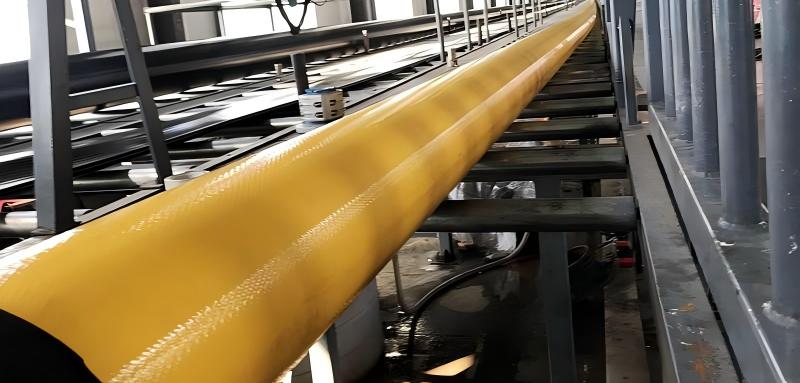
Hard rock quarrying is a brutal test bench for any hose system. Water carrying fines, sand, and slurry must be moved quickly over long distances, often across sharp rock, high elevation differences, and constantly shifting equipment layouts. [hjhose.en.made-in-china]
In this context, TPU layflat hoses are engineered for high-pressure, high-abrasion environments, while PVC layflat hoses typically serve lighter-duty, lower-pressure dewatering or temporary bypass jobs. Knowing where each shines is essential if you want to maximize pump efficiency, avoid catastrophic bursts, and keep your dewatering operation compliant with safety standards. [china-layflat-hose]
From an engineering standpoint, TPU (thermoplastic polyurethane) layflat hoses are built for demanding applications like mine and quarry dewatering, long-distance fluid transfer, and emergency pumping. Sunmoon's through-the-weave technology embeds a high-tensile reinforcement layer into the hose wall, significantly improving pressure stability and resistance to kinking and elongation under load. [china-layflat-hose]
On site, quarry teams consistently highlight three points about TPU hoses:
- High abrasion resistance when dragged over crushed stone and blasted rock.
- Stable working pressure over long runs with fewer leaks at couplings.
- Longer service life compared to standard PVC in 24/7 dewatering.
These real-world observations align with lab testing that shows TPU maintaining its mechanical properties under repeated pressurization, UV exposure, and contact with hydrocarbons far better than conventional PVC compounds. [sunmoonhose]
PVC layflat hoses remain widely used in construction and light-duty quarry applications because they are relatively economical, easy to handle, and suitable for low to medium pressure temporary setups. Many quarry operators deploy PVC layflat hoses for: [fenghehose.en.made-in-china]
- Short-term bypass lines during maintenance shutdowns.
- Low-head pump discharge with clean or slightly muddy water.
- Non-critical transfer where occasional replacement is acceptable.
However, users frequently report issues when PVC hoses are pushed beyond their design envelope, such as cracking in cold weather, kinks that never fully recover, and outer cover wear when dragged repeatedly over sharp aggregate. In hard rock dewatering with abrasive water and long duty cycles, these weaknesses quickly translate into downtime and hidden costs. [china-layflat-hose]
Below is a practical, field-oriented comparison for quarry and hard rock environments.
| Aspect | TPU Layflat Hose | PVC Layflat Hose |
|---|---|---|
| Abrasion resistance on rock | High – designed for rough, sharp surfaces and long drag runs (sunmoonhose) | Moderate to low – outer cover wears faster on sharp aggregate (china-layflat-hose) |
| Working pressure capability | Typically higher, stable at elevated pressures over long distances (sunmoonhose) | Lower to medium; pressure derating more sensitive to temperature and aging (china-layflat-hose) |
| Flexibility in cold/hot climates | Remains flexible in a wide temperature range with less cracking (sunmoonhose) | More prone to stiffening in cold and softening in heat (china-layflat-hose) |
| Resistance to chemicals/oil | Good resistance to fuels, oils, and many chemicals depending on formulation (sunmoonhose) | Limited chemical and oil resistance; swelling and embrittlement can occur (china-layflat-hose) |
| Service life in 24/7 operation | Long service life with proper handling; suited for permanent and semi-permanent lines (sunmoonhose) | Shorter life under continuous heavy-duty use; better for intermittent operation (china-layflat-hose) |
| Weight vs durability | Lightweight yet robust; good balance for long pulls and retrieval (sunmoonhose) | Generally lightweight but less durable in severe mechanical abuse (china-layflat-hose) |
| Total cost in hard rock quarries | Higher initial cost but lower lifecycle cost when downtime is factored (sunmoonhose) | Lower upfront price but more frequent replacements and repairs (china-layflat-hose) |
For quarry and mine dewatering in hard rock, the cost per cubic meter pumped over hose lifetime is often significantly lower with TPU than with PVC, even if unit price is higher at purchase. [hjhose.en.made-in-china]
Sunmoon has supported multiple mining and quarrying clients where conventional hoses failed under emergency or high-load conditions. In one documented mining case, switching to high-pressure TPU layflat hoses allowed the operator to deploy long runs rapidly, maintain stable flow under high static head, and reduce leak points compared to rigid pipe systems. [sunmoonhose]
In a hard rock scenario, typical gains when moving from lower-grade hose to TPU include:
- Faster emergency response because long continuous lengths are easier to lay out with fewer joints. [sunmoonhose]
- Higher reliability when pumps must run non-stop to prevent flooding in pits or underground drifts. [hjhose.en.made-in-china]
- Simplified logistics with reels and rapid deployment systems, particularly on sites with frequent blasting or bench changes. [sunmoonhose]
These improvements are not just theoretical. They directly feed into worker safety, compliance with environmental water control requirements, and the ability to keep crushers, conveyors, and haul roads operational after heavy rainfall.

Operators and site engineers tend to favor TPU layflat hose when:
- The dewatering line runs over sharp rock, bench edges, or haul roads.
- Pumps must work at high pressure or over long elevation changes.
- The water is laden with solids, slurry, or abrasive fines.
- The line is semi-permanent, with months of continuous service expected.
In these conditions, TPU's through-the-weave construction, abrasion-resistant cover, and strong adhesion between layers deliver tangible performance advantages. [china-layflat-hose]
PVC layflat hose remains a logical choice when:
- The application is short term and budget-sensitive.
- Water is relatively clean and non-abrasive.
- The hose is not dragged repeatedly over rough surfaces.
- Lower pressures are sufficient and replacement intervals are acceptable.
For light-duty bypass or temporary pump tests in a quarry, PVC may deliver the lowest cost per project if conditions are controlled and mechanical damage risk is low. [fenghehose.en.made-in-china]
From a user-experience and decision-making angle, engineers and supervisors benefit from a clear, step-by-step approach when choosing between TPU and PVC for dewatering.
Before selecting a hose, document the following:
1. Maximum working pressure and expected surge pressure.
2. Total line length, including vertical lift and number of bends.
3. Medium characteristics – clean water, fines, or slurry.
4. Surface conditions along the run – rock, gravel, road crossings.
5. Expected service duration – emergency, seasonal, or permanent.
This simple checklist prevents under-specification and ensures the hose type matches the real risk profile on site. [hjhose.en.made-in-china]
- For high risk of abrasion, long service, and high pressure, prioritize TPU layflat hose as the default choice.
- For controlled, short-term, low-pressure jobs with minimal mechanical abuse, PVC layflat hose can be sufficient.
Quarry managers who map hose selection to risk rather than initial cost typically see fewer unplanned shutdowns and emergency replacements.
Hose performance is heavily influenced by couplings and handling practices. Sunmoon provides layflat hoses compatible with common coupling systems (including quick couplings used in dewatering) and supports customization for different quarry standards. Best practice includes: [sunmoonhose]
- Specifying coupling materials compatible with water chemistry and environment.
- Using reels or deployment frames for long TPU runs to reduce twisting and abrasion.
- Training crews on dragging techniques and proper storage to extend hose life.
One of Sunmoon's strengths as a specialized layflat hose manufacturer is the ability to provide customized solutions rather than off-the-shelf compromises. For both TPU and PVC layflat hoses, customization can include: [sunmoonhose]
- Diameter and wall thickness adjustments to match pump curves and pressure.
- Working pressure ratings optimized for your dewatering system design.
- Color coding to distinguish dewatering lines from process water or fuel lines.
- Length per roll tailored to your deployment equipment and site layout.
For high-stakes hard rock dewatering projects, adding engineering support to simulate pressure drops, surge events, and abrasion hotspots is often worth more than the marginal cost of a higher grade hose. [hjhose.en.made-in-china]
Feedback from quarry and mining users typically clusters around several themes:
- Teams appreciate that TPU hoses stay stable under pressure without "breathing" or ballooning as much as lighter PVC hoses. [hjhose.en.made-in-china]
- Maintenance managers notice fewer unscheduled interventions to patch leaks or replace sections when TPU is used on critical lines. [sunmoonhose]
- Operators value faster deployment and retrieval, especially when hoses must be relocated frequently due to advancing faces or changing pit geometry. [sunmoonhose]
At the same time, many buyers still keep PVC layflat hoses in their fleet because they are cost-effective for non-critical, short-duration tasks, and they can be easily replaced when damaged. Balancing both types within a single site strategy offers flexible budgeting and better risk management. [china-layflat-hose]
Modern quarry operations must meet stricter environmental and safety regulations, especially around water management and spill control. Hoses that burst or leak in hard rock pits can cause slope instability, haul road damage, and unplanned discharge into surrounding terrain. [hjhose.en.made-in-china]
TPU layflat hoses, with fewer joints and high integrity over long lengths, help reduce the likelihood of leaks and unplanned releases. When combined with proper pump monitoring and backup power, they form part of a more robust environmental risk mitigation strategy in quarry dewatering. PVC hoses can be used safely when correctly specified and frequently inspected, but the margin for error is smaller in harsh mechanical conditions. [hjhose.en.made-in-china]
In hard rock environments, the cost of stopping a crusher or shutting down a pit dwarfs the unit cost difference between TPU and PVC hose. When a hose fails, operators may lose production time, incur overtime, and risk non-compliance with site water plans. [hjhose.en.made-in-china]
By viewing hoses as critical infrastructure instead of consumables, many quarry operators have shifted to TPU for main dewatering lines and use PVC only where the risk is low and access for replacement is easy. This layered strategy optimizes for both resilience and budget.
Choosing the right hose is easier when you partner with a manufacturer that understands mining and quarrying from the inside. Founded in 2011, Sunmoon focuses specifically on engineering-grade TPU layflat hoses and related solutions, with automated production lines and strict quality control. [sunmoonhose]
International quarry and mining customers often expect:
- Transparent technical communication during specification and sampling.
- Documentation and certifications to satisfy internal and regulatory requirements.
- Reliable lead times and logistics support for large-volume orders.
Sunmoon's case work in mining dewatering and high-pressure, large-diameter TPU projects shows how co-engineering with site teams can overcome skepticism and drive repeat orders once the hoses are proven on the ground. [sunmoonhose]
If you are planning a new quarry dewatering system or upgrading from rigid pipe or low-grade hose, engaging early with a specialized supplier allows you to lock in better performance and customization before equipment is mobilized.
For quarry managers, engineers, and procurement teams, the decision between TPU and PVC layflat hose should be driven by risk, duty cycle, and lifecycle cost, not just unit price. In most hard rock dewatering cases, TPU layflat hose will be the most robust and economical choice over the full project duration. [hjhose.en.made-in-china]
If you need engineering guidance, customized hose specifications, or support comparing options for your specific quarry, you can collaborate with Sunmoon's technical team to design a fit-for-purpose TPU or PVC layflat hose solution aligned with your dewatering strategy and budget. Taking that step before the next rainy season or expansion phase can dramatically reduce preventable downtime and maintenance stress. [sunmoonhose]

1. Is TPU layflat hose always better than PVC for quarry dewatering?
No. TPU is better for high-pressure, high-abrasion, long-term dewatering, especially in hard rock environments, but PVC can still be suitable for short-term, low-risk, and budget-sensitive applications. [fenghehose.en.made-in-china]
2. How do I know if my dewatering duty is "high risk"?
If your line runs over sharp rock, long distances, or high vertical lifts, and your pumps run for long hours or continuously, your duty is likely high risk and better suited to TPU. [hjhose.en.made-in-china]
3. Can TPU layflat hoses replace rigid pipe in quarries?
In many cases, yes. TPU layflat hoses can replace or supplement rigid pipelines by offering faster deployment, fewer joints, and high-pressure capability, particularly for temporary or semi-permanent lines. [hjhose.en.made-in-china]
4. What customization options are available for TPU and PVC hoses?
You can customize diameter, wall thickness, pressure rating, color, and length per roll, as well as choose coupling systems that match your pumps and site standards. [sunmoonhose]
5. How should quarry teams maintain layflat hoses for longer life?
Avoid dragging hoses across sharp edges when possible, use reels or deployment frames, protect hoses at road crossings, and perform regular inspections for wear, cuts, and coupling issues. [hjhose.en.made-in-china]
1. Sunmoon Hose Manufacturing – "Your Reliable Customized Layflat Hose Manufacturer in China." Available at: [https://www.sunmoonhose.com] [sunmoonhose]
2. Sunmoon Hose Manufacturing – Case shares on mining dewatering and high-pressure TPU hose projects. Available via case section at: [https://www.sunmoonhose.com] [sunmoonhose]
3. China-Layflat-Hose – "TPU Layflat Hose product information." Available at: [https://china-layflat-hose.com/products/tpu-layflat-hose.html] [china-layflat-hose]
4. China-Layflat-Hose – "TPU Layflat Hose and Nitrile Rubber Flat Hose overview." Available at: [https://china-layflat-hose.com/index.html] [china-layflat-hose]
5. Hebei Hongjiang Rubber & Plastic Technology – "TPU Abrasion-Resistant Mining Drainage Hose – High-Efficiency Drainage Solution for Extreme Environments." Available via Made-in-China listing. [hjhose.en.made-in-china]
6. Fenghe Hose – "TPU Layflat Discharge Flexible Reinforced Hose Pipe" product listing, Made-in-China. [fenghehose.en.made-in-china]


