

Views: 222 Author: Sunmoon Publish Time: 2026-06-09 Origin: Site


Content Menu
● What Is Tensile Strength in Layflat Hoses?
● Material Science Basics – TPU vs. PVC
>> Engineered TPU Layflat Hose
>> Commercial Grade PVC Flat Hose
● Tensile Strength Comparison – TPU vs. PVC in Real Use
>> How Tensile Strength Translates to Performance
● Application Scenarios Where Tensile Strength Matters Most
>> High‑Pressure Water Transfer and Dewatering
● Expert Insight – How Manufacturers Engineer Higher Tensile Strength in TPU Layflat Hose
>> 1) Optimizing Reinforcement Design
>> 2) TPU Compounding and Bonding
● Case‑Style Scenario – When Upgrading to TPU Pays Off
● Practical Buying Guide – How to Evaluate Tensile Strength Before You Order
>> Step 1 – Check Working and Burst Pressure Ratings
>> Step 2 – Ask About Tensile and Elongation Data
>> Step 3 – Evaluate Application Fit with a Technical Consultation
● Why Global Buyers Choose Engineered TPU Layflat Hose from Chinese Manufacturers
>> Competitive Advantage of Chinese TPU Hose Production
>> Customization Opportunities for Higher Tensile Performance
● When to Choose TPU vs. PVC Flat Hose
● Call to Action – Work with Sunmoon for Engineered TPU Layflat Hose Solutions
● FAQs
As a content strategist working with Chinese hose manufacturers like Sunmoon, I have seen the same pattern in project after project: when clients upgrade from commercial PVC flat hose to engineered TPU layflat hose, tensile strength becomes the turning point for fewer failures, longer service life, and lower lifecycle cost. In this article, I will compare engineered TPU layflat hose and commercial grade PVC flat hose from a practical, engineering-focused perspective, and show where TPU delivers measurable strength advantages for high‑pressure, high‑duty applications. [papagenogroup]
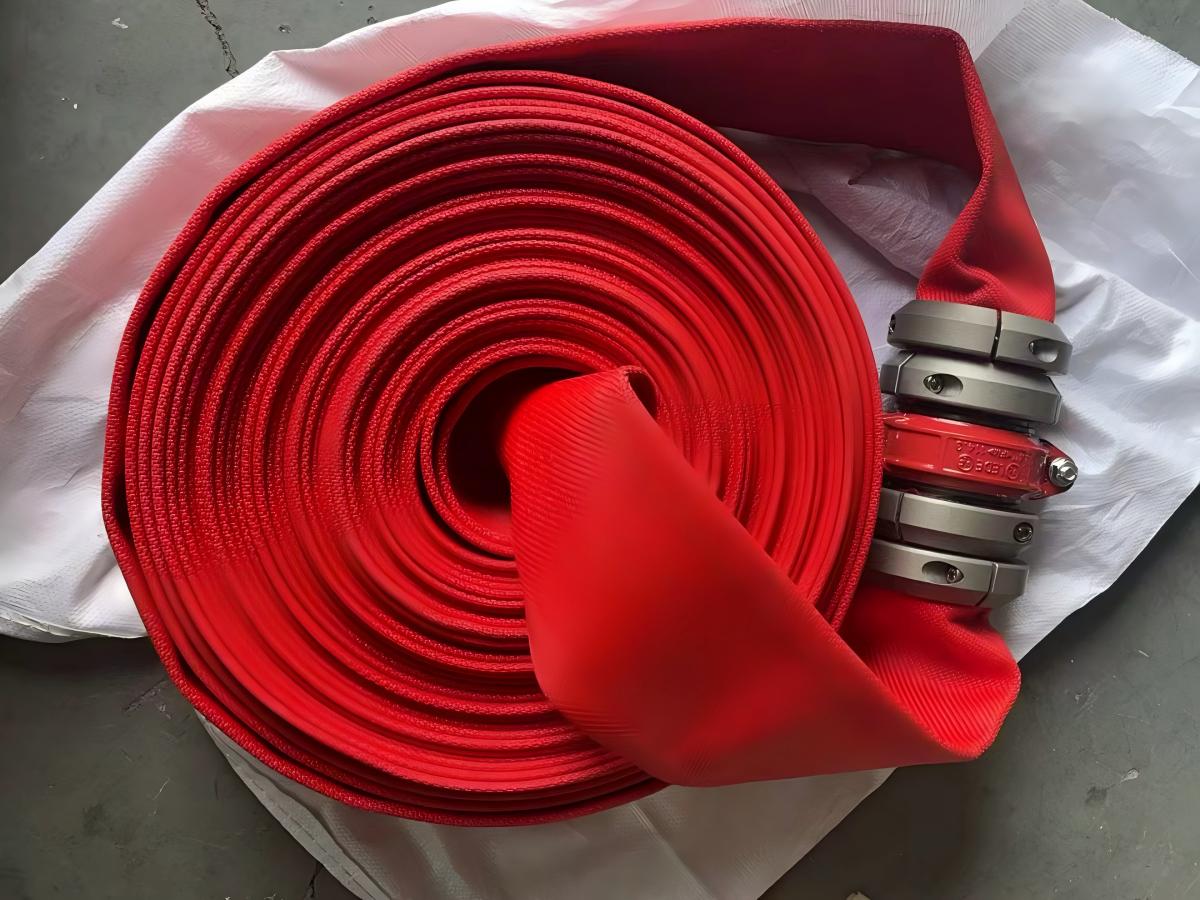
Tensile strength is the maximum stress a hose material can withstand while being stretched before it breaks. In layflat hoses, tensile strength is driven by the polymer (TPU or PVC) plus the internal textile reinforcement, typically polyester or high‑tenacity yarn. [sunhose]
For flat hoses, tensile strength affects:
- Burst pressure under steady or pulsing pressure loads
- Resistance to stretching, elongation, and creep under constant tension
- Ability to survive dragging, towing, and repeated deployment/retrieval
- Safety margin when hoses are used near their maximum working pressure
In practice, higher tensile strength allows lighter wall thickness at the same pressure rating, or higher pressure ratings at similar weight, especially in engineered TPU layflat hoses. [sunhose]
Thermoplastic polyurethane (TPU) is an elastomer with a segmented block structure that combines hard and soft segments, giving it a unique balance of high tensile strength, abrasion resistance, and flexibility. TPU layflat hose typically uses a high‑tenacity circular woven jacket encapsulated in TPU, forming a single bonded structure with excellent adhesion between cover, lining, and textile reinforcement. [eastophose]
Key tensile-related advantages of TPU:
- High ultimate tensile strength compared with common PVC compounds
- Superior abrasion resistance, which protects the reinforcement and maintains strength over time
- Better low‑temperature flexibility, reducing cracking that can initiate tensile failure
- Excellent resistance to fuels, oils, and many chemicals, which protects the polymer matrix from environmental stress cracking [sunhose]
Commercial grade PVC flat hose is typically made from polyvinyl chloride mixed with plasticizers and fillers to lower cost and improve flexibility. The reinforcement is usually a polyester or PVC‑impregnated fabric layer, but adhesion between PVC and textile can be lower than in engineered TPU constructions. [papagenogroup]
Tensile‑related characteristics of commercial PVC:
- Lower intrinsic tensile strength and elongation at break than engineered TPU elastomers
- Plasticizer migration over time, which can lead to embrittlement and micro‑cracking under tension
- Reduced performance at low temperatures, where PVC becomes stiff and more prone to cracking under stress [sunhose]
For price‑sensitive, short‑term projects, PVC flat hose is widely used, but its tensile strength retention under aggressive conditions is limited compared with TPU. [papagenogroup]
From an engineering and field‑use perspective, tensile strength differences show up in:
- Working pressure and burst pressure
- Maximum safe drag length when hoses are pulled across ground
- Resistance to kinking, folding fatigue, and delamination
- Service life under repetitive pressurization and mechanical stress [eastophose]
Industry guides and manufacturer data consistently describe TPU layflat hose as more durable and better suited for high‑pressure and high‑duty cycles than PVC alternatives. In contrast, PVC flat hoses are often positioned for light‑duty irrigation, temporary water transfer, or low‑pressure discharge where tensile demands are moderate. [sunhose]
Below is a qualitative comparison focusing on tensile-related performance for engineered TPU layflat hose versus commercial grade PVC flat hose, based on typical industry positioning and product descriptions. [eastophose]
| Feature | Engineered TPU Layflat Hose (sunhose) | Commercial Grade PVC Flat Hose (sunhose) |
|---|---|---|
| Base polymer tensile strength | High, engineered elastomer | Moderate, commodity PVC with plasticizers |
| Tensile strength retention over time | Good under heat, chemicals, abrasion | Decreases with plasticizer migration and aging |
| Burst pressure potential | High, suitable for demanding high‑pressure service | Lower, usually for low to medium pressure |
| Elongation and recovery | Good elasticity and recovery under load | More permanent deformation under repeated stress |
| Tensile performance in cold climate | Remains flexible, lower risk of cracking | Stiffens and may crack under tensile load |
| Resistance to tear propagation | Strong, especially with bonded woven reinforcement | More prone to tearing once damaged |
In mine dewatering, municipal bypass pumping, and high‑lift water transfer, hoses can see high continuous pressure plus dynamic surges. Engineered TPU layflat hose can be designed with higher reinforcement density and TPU compounds that maintain tensile strength at elevated pressures, which is why it is often recommended for demanding pumping applications. [sunhose]
Commercial grade PVC flat hose, by contrast, is generally limited to lower pressure ratings and shorter duty cycles in these environments, especially when hoses are dragged across surfaces or wound/unwound frequently. [papagenogroup]
For large‑scale irrigation and fertigation lines, tensile strength determines how far a hose can be dragged full of water, how well it tolerates tractor crossings, and how many deployment cycles it can survive. TPU layflat hose offers better tensile performance and abrasion resistance, which translates into longer life in center pivot or long‑run irrigation systems. [youtube]
PVC flat hose still has a strong role in price‑sensitive agricultural projects, but farmers usually accept a shorter service life and more frequent replacement when using commercial grade PVC products. [sunhose]
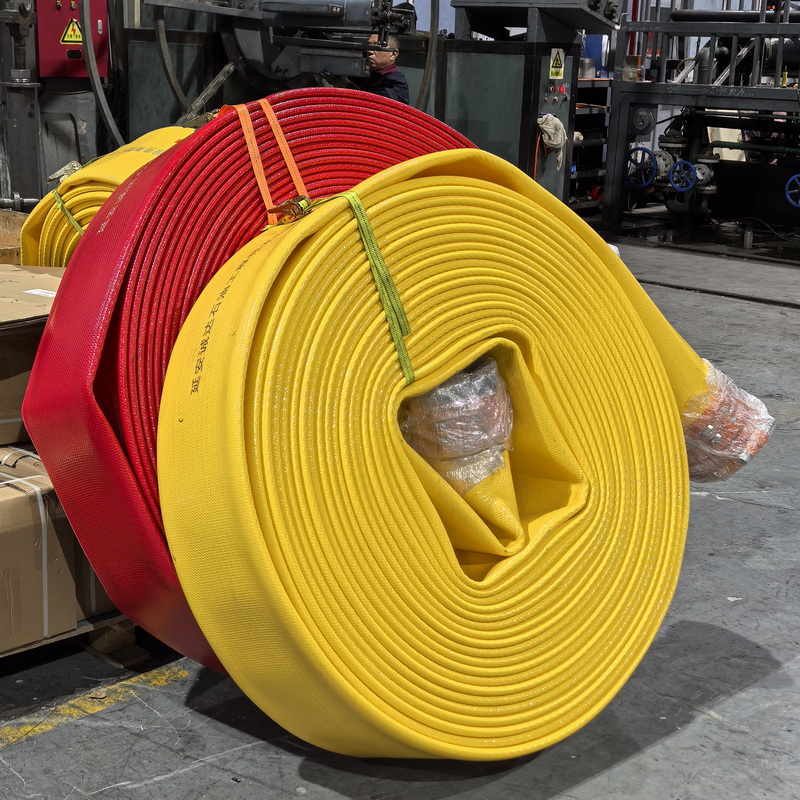
From the perspective of a Chinese manufacturer like Sunmoon, tensile strength is not only about the polymer; it is about system design.
Manufacturers can increase tensile strength by changing:
- Yarn type – using high‑tenacity polyester or other engineered fibers
- Weave density – tighter, circular woven jackets distribute load more evenly
- Reinforcement angle – balancing longitudinal and circumferential strength for pressure and drag [hoseassemblytips]
Engineered TPU layflat hoses typically use reinforcement architectures closer to fire hose or oil & gas hose designs, which are optimized for high tensile loads and controlled elongation. [sunhose]
By adjusting TPU hardness, additives, and processing parameters, manufacturers can fine‑tune tensile properties and tear resistance. Strong bonding between the TPU inner/outer layers and the textile reinforcement is critical; good bonding ensures that tensile loads are shared by both the polymer and the yarns, instead of concentrating stress and causing delamination. [eastophose]
Commercial grade PVC flat hoses, designed primarily to reduce cost, often use simpler compounds and lower bonding strength, which can limit ultimate tensile performance and fatigue resistance. [papagenogroup]
Consider a contractor running a 24/7 bypass pumping project where hoses must carry high‑pressure water across rough ground for three to six months. In this scenario, commercial PVC flat hoses may suffer from stretching, localized cracking, and occasional ruptures when subjected to combined pressure and mechanical tension. [sunhose]
Switching to engineered TPU layflat hose with a higher tensile design reduces:
- Number of hose failures and emergency shutdowns
- Unplanned downtime and repair costs
- Labor needed for inspection and replacement
Although the purchase price of TPU hose is higher, the total cost of ownership can be lower when tensile strength is fully utilized in demanding service. [sunhose]
- Use working pressure as the primary indicator, not only burst pressure.
- Look for TPU layflat hose with safety factors suitable for your industry (often 3:1 or 4:1 between working and burst pressure). [sunhose]
- For PVC flat hoses, confirm that the working pressure is acceptable at your maximum operating temperature; PVC loses strength faster with temperature rise. [papagenogroup]
Not all suppliers publish tensile strength values, but serious manufacturers should be able to provide:
- Tensile strength of the hose wall or composite
- Elongation at break
- Tear resistance and adhesion tests between cover, reinforcement, and lining [sunhose]
When comparing engineered TPU layflat hose and commercial grade PVC flat hose, look for TPU products that demonstrate higher retained tensile strength after accelerated aging or abrasion testing. [eastophose]
For critical projects, working with an experienced manufacturer like Sunmoon allows you to match hose design to application:
- Select TPU compounds suitable for the fluid (water, brine, slurry, fuel, chemicals)
- Adjust reinforcement density for higher tensile loads or longer drag distances
- Customize lengths, colors, and coupling systems to your field workflow [eastophose]
Market research indicates that the TPU layflat hose market is growing rapidly worldwide, driven by demand in mining, oil & gas, agriculture, and municipal infrastructure. Chinese manufacturers have invested heavily in TPU processing lines, circular looms, and testing equipment, enabling them to offer engineered TPU layflat hoses with competitive pricing and strong mechanical performance. [marketresearch]
Companies like Sunmoon specialize in TPU layflat and other flat hoses, providing customized solutions to global customers that integrate material selection, reinforcement design, and application‑specific engineering. This combination of scale, customization, and technical capability makes Chinese TPU hose suppliers an attractive choice for buyers who need higher tensile performance but still care about cost efficiency. [linkedin]
With a custom TPU layflat hose program, you can:
- Specify working pressure and safety factor by application
- Tailor hose wall thickness and reinforcement angle to meet tensile and drag requirements
- Choose special TPU grades for improved low‑temperature, chemical, or UV resistance
- Add color stripes or branding to support hose identification and on‑site management [sunhose]
This is where engineered TPU clearly outperforms commercial grade PVC: you are not just buying a commodity; you are designing a hose system optimized for your tensile and pressure demands. [papagenogroup]
From a user perspective, you can simplify the decision as follows:
- Choose engineered TPU layflat hose when you need high tensile strength, high working pressure, long drag distances, frequent deployment, or harsh environments. [eastophose]
- Choose commercial grade PVC flat hose when you need a low‑cost, short‑term solution for low‑pressure water transfer with limited mechanical stress. [sunhose]
If you are unsure, treat tensile strength and working pressure as your primary decision filters, not only upfront price.
If your current commercial grade PVC flat hose is approaching its limits in tensile strength, pressure, or service life, upgrading to engineered TPU layflat hose can significantly improve reliability and reduce total costs. As a specialized Chinese manufacturer, Sunmoon can help you analyze your application, define tensile and pressure requirements, and design a customized TPU layflat hose that fits your project, budget, and long‑term operating plan. [sunhose]
You can prepare your inquiry by listing:
- Fluid type and temperature
- Required working pressure and safety margin
- Hose length, drag distance, and deployment method
- Expected service life and environmental conditions
Then share these details with Sunmoon's technical team to receive a tailored TPU layflat hose proposal.
Q1: Is engineered TPU layflat hose always stronger than commercial grade PVC flat hose?
In practical industrial applications, engineered TPU layflat hose generally offers higher tensile strength, better strength retention, and higher working pressure capability than commercial grade PVC flat hose, assuming both are correctly specified and manufactured. [papagenogroup]
Q2: Does higher tensile strength mean the hose will never fail?
No. Higher tensile strength increases the safety margin, but hoses can still fail due to overpressure, incorrect couplings, severe abrasion, chemical attack, or improper installation. Proper design and maintenance are still essential. [hoseassemblytips]
Q3: Can PVC flat hose be used in high‑pressure mining or oil & gas applications?
Commercial grade PVC flat hose is typically not recommended for high‑pressure, critical services such as deep mine dewatering or oil & gas water transfer where tensile and fatigue loads are high. Engineered TPU layflat hose is the more appropriate choice for those environments. [sunhose]
Q4: How do I compare tensile performance between different TPU layflat hoses?
Request working and burst pressure ratings, tensile strength, elongation at break, and any available aging or abrasion test results. Compare these data points alongside reinforcement design details and field references for your application. [eastophose]
Q5: Why are TPU layflat hoses more expensive than PVC flat hoses?
TPU resins, advanced reinforcement designs, and higher‑precision manufacturing processes all add cost, but they deliver higher tensile strength, better durability, and longer service life, which can reduce total cost of ownership over the hose's lifetime. [marketresearch]
1. Sunhose. "Layflat Hoses Decoded: Why PVC, Rubber and TPU Cater to Different Needs." Available at: [https://www.sunhose.com/blog/layflat-hoses-decoded-why-pvc-rubber-and-tpu-cater-to-different-needs/] [sunhose]
2. Papageno Group. "Differences between PVC Layflat Hose and TPU Layflat Hose." Available at: [https://www.papagenogroup.com/news/Differences-between-PVC-Layflat-Hose-and-TPU-Layflat-Hose-173.html] [papagenogroup]
3. Sunhose. "TPU Hose Guide: Benefits, Applications & Selection Tips." Available at: [https://www.sunhose.com/blog/tpu-hose/] [sunhose]
4. Eastop Hose. "TPU Layflat Hose." Available at: [https://www.eastophose.com/news_detail/18.html] [eastophose]
5. APO Research. "Global TPU Layflat Hose Market Analysis and Forecast." Available at: [https://www.marketresearch.com/APO-Research-Inc-v4273/Global-TPU-Layflat-Hose-Forecast-38899630/] [marketresearch]
6. LinkedIn. "Europe TPU Layflat Hose Market Overview | Emerging Trends." Available at: [https://www.linkedin.com/pulse/europe-tpu-layflat-hose-market-overview-emerging-trends-xqqtf] [linkedin]
7. Hose Assembly Tips. "10 Tips for Easy Hydraulic Hose Design and Maintenance." Available at: [https://www.hoseassemblytips.com/10-tips-for-easy-hydraulic-hose-design-and-maintenance/] [hoseassemblytips]
8. Drip Depot (YouTube). "How to Install Layflat Fittings (Complete Guide)." Available at: [https://www.youtube.com/watch?v=FFzw040Jb3s] [youtube]


