

Views: 222 Author: Loretta Publish Time: 2026-01-06 Origin: Site


Content Menu
● Why Correct Clamp Selection Matters
● Overview of Main Clamp Families
● Key Structural Features of Common Hose Clamps
● Comparison of Major Clamp Types
● Band Design and Clamping Behavior
● Torque Characteristics and Adjustment Range
● Performance Under Pressure and Vibration
● Material Selection and Corrosion Resistance
● Selection Guidelines for Different Applications
● Best Practices for Clamp Installation
● Inspection and Maintenance Considerations
● Practical Sourcing and Specification Tips
● FAQ: Hose Clamp Selection and Use
>> 1. How important is clamp sizing accuracy?
>> 2. What are common signs of incorrect installation?
>> 3. How often should clamps be inspected?
>> 4. When is all stainless steel construction necessary?
>> 5. What role does hose material play in clamp choice?
Hose clamps are mechanical fastening devices used to secure hoses over fittings such as nipples, barbs or pipes, ensuring a tight seal that prevents fluid or gas leakage in a wide range of systems. They are widely used in automotive, industrial, household plumbing and HVAC applications where reliability, vibration resistance and repeatable performance are critical for safe operation.[1][2]
Key roles of hose clamps include maintaining sealing integrity under pressure, supporting hoses against vibration and movement and enabling convenient disassembly for inspection or maintenance when required. Selecting a clamp that matches the hose material, operating pressure and environment helps reduce premature failures and improves long term system stability.[2][3][1]
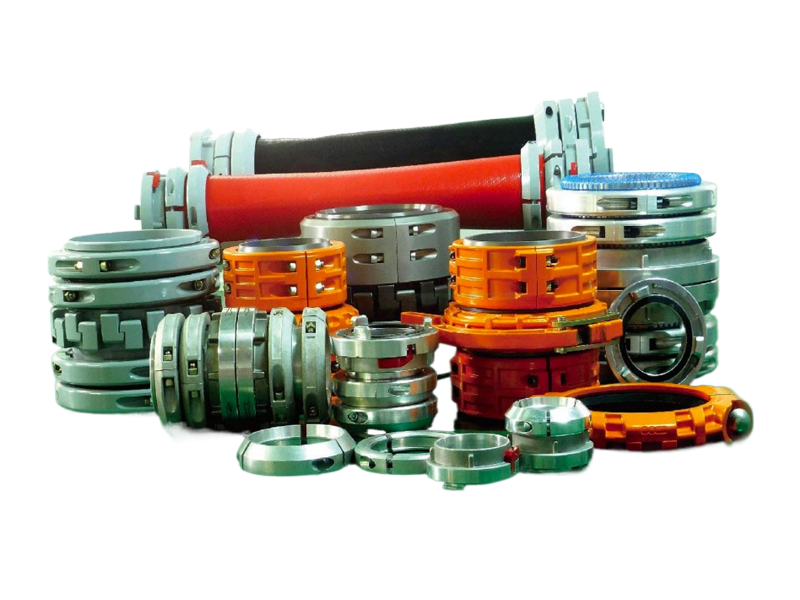
Using a clamp that is poorly matched to hose size, wall thickness or working pressure can cause micro leaks, hose damage or connection failure during service. In systems subject to temperature cycling or vibration, inadequate clamping force or unsuitable band geometry can lead to loosening or hose extrusion over time.[4][1]
Important selection considerations include operating pressure range, medium type, exposure to corrosive environments and expected vibration level. Aligning clamp design with these factors improves safety margins and reduces maintenance costs by minimizing the risk of re tightening, replacement or unplanned downtime.[3][1][4]
Different clamp families are distinguished by their band design, locking mechanism and typical bandwidth, which directly influence clamping force distribution and sealing behavior. The most commonly used families in many markets include adjustable worm drive types, non perforated high pressure bands and precision clips for applications requiring controlled tightening.[5][6][1][4]
Across these families, clamps can be produced in stainless steel, galvanized steel, carbon steel or other alloys, and may be available with smooth inner liners or specific surface features to protect delicate hose materials. Understanding how these structural differences affect performance helps engineers, buyers and maintenance technicians choose the most suitable design for each project.[7][1][4]
Typical adjustable clamps use a band with a threaded or perforated profile that engages with a screw, bolt or ear mechanism to generate radial compression around the hose. The shape of the band edge, the presence or absence of perforations and the pitch of the thread all influence how pressure is distributed along the circumference.[8][9][3][5]
Some designs use through holes in the band for screw engagement, while others rely on embossed threads or smooth bands with separate tensioning hardware. Smooth or lined interiors help avoid cutting into soft hoses, whereas more aggressive profiles may be suitable for thicker or reinforced hose walls under moderate to high loads.[6][1]
The following table summarizes several important aspects of three widely used clamp families, focusing on band appearance, material choices, locking principle, typical bandwidths and general performance characteristics.[1][5]
Aspect | American type | German type | British type |
Band appearance | Perforated band with through holes that mesh with a worm screw profile. | Non perforated band with embossed outer profile and smooth inner contact surface. | Band often smooth or with specific patterns, in many cases without functional perforations in the sealing zone. |
Typical material | Stainless steel or galvanized carbon steel for general purpose use. | High grade stainless steel with emphasis on corrosion resistance and surface smoothness. | Carbon steel or stainless steel, frequently with protective coatings for durability. |
Locking mechanism | Worm drive screw rotating in a housing around the band circumference. | Reinforced worm drive or ear style locking for strong, consistent tension. | Worm gear or bolt and nut construction providing precise torque control. |
Typical band width | Commonly 8 mm, 10 mm, 12.7 mm, 14.2 mm or 15.8 mm depending on size. | Frequently around 9 mm and 12 mm for many configurations. | Often about 9.7 mm and 11.7 mm for popular models. |
General performance | Versatile and economical for low to medium pressure applications. | Strong sealing performance in higher pressure or high vibration conditions. | Balanced performance with emphasis on controlled tightening and repeatability. |
Band design strongly influences how clamping force is transferred from the screw or bolt to the hose circumference. Perforated bands generate discrete contact points that can be adequate for robust hoses but may be less ideal for very soft materials under high torque.[9][3][1]
In contrast, bands with embossed threads or smooth, non perforated surfaces provide more continuous support and reduce the risk of the hose being pushed into slots under pressure or temperature cycling. This continuous contact improves sealing in demanding applications and may extend hose service life by lowering local stress concentrations.[4][6][1]
Different clamp families use different hex sizes, screw pitches and housing designs, which result in distinct torque capabilities. Smaller hex drives can achieve high clamping force when combined with strong housings and non perforated bands, while larger screws may be used on wider, heavy duty bands for large diameter hoses.[9][15][1][4]
Adjustment ranges are specified as minimum and maximum diameters for each clamp size and must be matched to the hose outer diameter on the fitting. Operating too close to the extremes of this range can reduce mechanical stability, so choosing a size that centers the working diameter range is generally beneficial.[1][4][5]
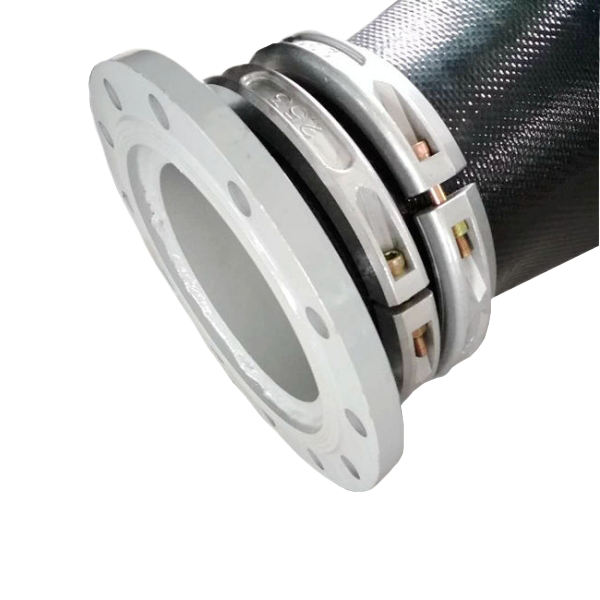
Performance in real working conditions depends on internal pressure, thermal cycling and vibration. Designs using non perforated bands and reinforced locking mechanisms typically maintain sealing force more effectively when exposed to fluctuating loads and temperature changes.[12][1]
Perforated band designs can perform reliably in low to medium pressure systems when correctly sized and torqued, but may require periodic inspection in severe vibration environments to confirm that the connection remains tight. In all cases, appropriate material selection and regular checks help ensure stable sealing performance over the service life of the hose assembly.[2][8][1]
Clamp materials are chosen based on medium compatibility and environmental exposure. Common stainless steel grades such as 304 and 316 provide strong resistance to corrosion in many industrial and marine environments, while galvanized carbon steel offers an economical option for less aggressive conditions.[7][1]
Fastener hardness and coating quality also affect durability, especially in outdoor installations or systems exposed to road salts, chemicals or high humidity. For long term reliability in such conditions, it is often advisable to specify all stainless steel construction, including band, screw and housing.[11][7][1]
Practical selection is guided by pressure, medium, hose construction and environment. Low pressure water and air lines can often use economical adjustable clamps with standard stainless or galvanized bands, provided the hose is sufficiently robust.[4][8][1]
For higher pressure, high vibration or high temperature applications, clamps with non perforated bands or enhanced locking systems are generally preferred to maintain sealing force and protect hose materials. In systems transporting corrosive fluids or operating in harsh outdoor conditions, higher grade stainless steel versions may be justified to reduce corrosion related failures.[12][7][1]
Correct installation is essential for achieving consistent sealing and safe operation. Before installation, the hose end and fitting should be clean, undamaged and free of oils or debris that could interfere with friction and sealing.[2][8]
The clamp should be positioned behind any bead or raised feature on the fitting, with the band perpendicular to the hose axis to avoid uneven loading. Tightening should be performed gradually and evenly, using a suitable driver and, where available, following the torque guideline provided for the clamp design and size.[2][8]
After installation, systems should be tested under working conditions and checked for leaks, hose movement or signs of extrusion. In applications subject to significant temperature cycling or vibration, it is good practice to re inspect clamps after initial running and periodically during scheduled maintenance.[3][2]
Visual indicators of potential issues include hose ovalization, band imprinting that appears excessively deep, or trace fluid residues near the connection. Addressing these issues early by adjusting torque, resizing clamps or upgrading clamp type can prevent more serious failures and unplanned system downtime.[8][1][2]
When sourcing clamps for international projects, clear and consistent technical specification language reduces the risk of misunderstandings in procurement. Including band width, material grade, diameter range and locking principle in purchase documents helps suppliers propose suitable models that align with project requirements.[16][11][1][4]
For more demanding systems, it is often worthwhile to request product test data and information on conformity with relevant standards, as well as technical support on materials and clamp sizing. Establishing standard clamp families for specific product lines also simplifies inventory, training and quality control across multiple projects and regions.[17][1][4]
To improve reliability and performance across your hose systems, now is an ideal time to review clamp specifications, installation practices and maintenance routines in a structured way. Audit current projects for mismatched materials, over wide adjustment ranges or inappropriate band designs, then standardize on clearly defined clamp families and documented installation procedures to reduce leakage risk, warranty claims and service costs.[1][2][4] Contact us to get more information!
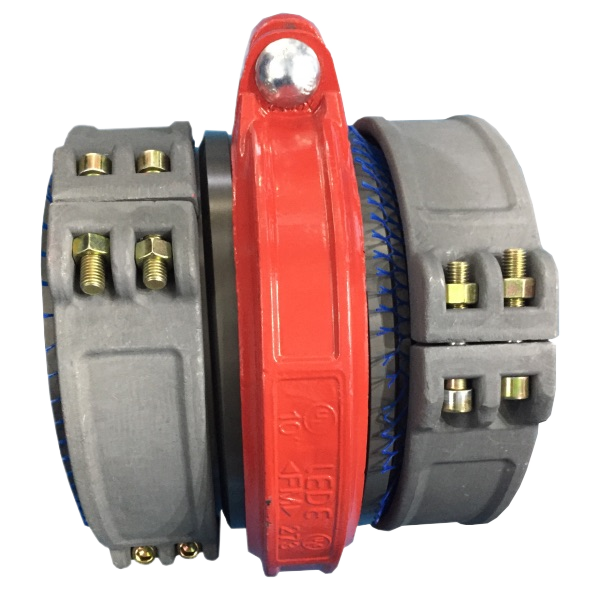
Accurate sizing ensures that the clamp operates within the optimal part of its adjustment range, providing sufficient clamping force without requiring excessive torque. Oversized or undersized clamps are more likely to loosen, distort or damage hoses during service.[5][4][1]
Typical signs include visible hose distortion, uneven band contact, fluid residue around the joint or hoses that can be rotated by hand after tightening. These indicators suggest that band size, position, torque or clamp family should be reviewed and corrected.[2][8][1]
Inspection intervals depend on pressure level, vibration, temperature cycling and criticality of the system, but many industrial and automotive applications benefit from checks during routine service or scheduled maintenance. High demand systems or harsh environments may require more frequent inspections to detect loosening or corrosion early.[3][1][2]
All stainless steel construction is strongly recommended in corrosive environments such as marine applications, chemical processing facilities or regions where de icing salts are used extensively. In such conditions, mixed materials or low grade coatings may corrode quickly and compromise clamp integrity.[11][7][1]
Hose material determines how easily the wall can be compressed, whether it is susceptible to cutting and how it responds to temperature and pressure changes. Softer or thinner wall hoses generally benefit from smoother or non perforated band designs and careful control of tightening torque.[6][1]
[1](https://www.sunhose.com/differences-between-american-german-and-british-clamps/)
[2](https://hcl-clamping.com/blogs/news/hose-clamps-usa-user-guide)
[3](https://www.hzclamp.com/news/en/News-20230915-022027.html)
[4](https://www.theonehoseclamp.com/news/germanamericanbritish-type-hose-clamp/)
[5](https://www.strongflex.com/difference-between-american-german-and-british-hose-clamps/)
[6](https://www.yuedingexhaust.com/The-difference-between-German-American-and-British-hose-clamp-id45263057.html)
[7](https://www.sunhose.com/american-type-of-hose-clamps/)
[8](https://btektech.com/all-you-should-know-about-american-type-hose-clamps/)
[9](https://www.theonehoseclamp.com/news/the-difference-between-german-type-hose-clamp-and-american-type-hose-clamp/)
[10](https://www.glorexclamp.com/news/comparing-different-types-of-100mm-pipe-clamps-which-one-is-best-for-you/)
[11](https://www.frandchina.com/introduction-of-british-german-and-american-hose-clamp)
[12](https://www.udclamp.com/the-difference-between-german-hose-clamps-and-american-hose-clamps/)
[13](https://www.papagenogroup.com/news/What-Are-the-Differences-Between-German-Style-and-British-Style-Hose-Clamps-3F-186.html)
[14](https://www.puxingclamp.com/news/definition-and-characteristics-of-american-hose-clamps.html)
[15](https://www.puxingclamp.com/news/the-difference-between-a-german-style-hose-clamp-and-an-american-style-hose-clamp.html)
[16](https://www.papagenogroup.com/Blog_D/An_Article_to_Help_You_Choose_the_Right_Hose_Clamp_British-_German-_or_American-.html)
[17](https://www.hwlok.com/en/product/AHC-1-1-4.html)


