

Views: 222 Author: Loretta Publish Time: 2025-12-27 Origin: Site


Content Menu
● Understanding Hydraulic Crimp Fittings
>> Main Components of Crimp Fittings
● Types of Hydraulic Crimp Fittings
● Thread Standards for Hydraulic Fittings
● Pressure Classifications of Crimp Fittings
● Advantages of Hydraulic Crimp Fittings
● Applications in Industrial and Heavy-Duty Systems
● Understanding Reusable Hydraulic Fittings
● Main Benefits of Reusable Fittings
● Crimp vs Reusable Fittings: Key Differences
● Step-by-Step Installation of Crimp Fittings
● Common Failures and Prevention Tips
● Real-World Case Applications
● Selecting the Right Fittings for TPU Layflat Hoses
● Expert Tips for Long-Term Reliability
● Conclusion and Call-to-Action
● FAQs
>> 1. What is the main difference between crimp and reusable hydraulic fittings?
>> 2. Can reusable fittings handle high-pressure TPU layflat hoses?
>> 3. How do SAE and ISO standards affect fitting compatibility?
>> 4. What causes most hydraulic fitting failures?
>> 5. Are TPU layflat hoses suitable for crimp fittings?
Sunmoon, a global leader in the engineering-driven production of TPU layflat hoses, provides high-performance fluid transfer solutions across multiple industries. This in-depth guide explores hydraulic crimp fittings and reusable hydraulic fittings, helping professionals choose the right connection system for reliability, maintenance efficiency, and cost-effectiveness.
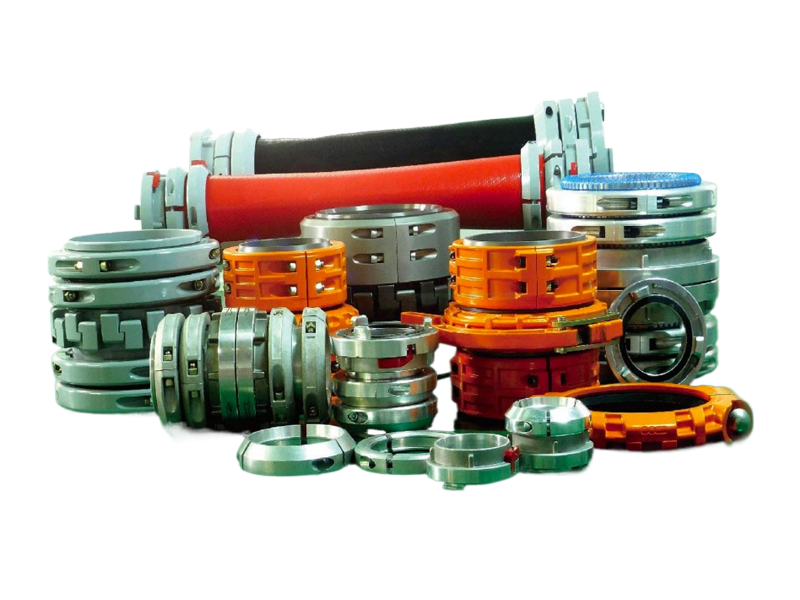
Hydraulic crimp fittings, also known as permanent fittings, are designed for secure, long-lasting hose connections. These fittings are installed using a crimping machine that compresses the metal sleeve, firmly locking the fitting onto the hose to prevent leaks or detachment under pressure.
- Connector body: Made from steel, aluminum, or stainless steel, typically zinc-plated for corrosion resistance.
- Seals: O-rings or PTFE gaskets ensure leak-proof performance.
- Ferrules: Skive (requires stripping hose cover) or non-skive (no stripping needed) types determine crimp style and strength.
Crimp fittings come in a range of configurations, each serving distinct applications:
- Straight fittings for direct linear connections.
- Elbow fittings (45°, 90°, or 180°) to change hose direction efficiently.
- Tee fittings for triple-line branching systems.
- Cross fittings for four-hose intersections.
- Flange fittings for larger-diameter hydraulic systems requiring robust sealing.
The following table compares common thread types and their applications:
Thread Type | Standard | Thread Form | Sealing Method | Applications / Regions |
JIC (37° Flare) | UNF | 60° Thread | 37° Metal Flare | North America, agriculture & construction |
BSPP | ISO 228 | 55° Parallel | O-ring or bonded washer | Europe & Asia, low-medium pressure |
BSPT | ISO 7 | 55° Tapered | Thread interference | UK & Asia, general fluids |
NPT | ANSI B1.20.1 | 60° Tapered | PTFE tape/sealant | North America, high-pressure |
Metric Parallel | DIN 3852 | Parallel Thread | O-ring or washer | European industrial systems |
ORFS | SAE J1453 | UNF Straight | O-ring face seal | High-pressure, vibration-resistant |
JIS 60° Cone | JIS | Metric + 60° cone | Metal cone seal | Asian equipment (Japan) |
- Low pressure: Up to 25 MPa
- Medium pressure: 25–50 MPa
- High pressure: Over 50 MPa, ideal for heavy machinery and industrial plants
- Exceptional reliability due to permanent, leak-free sealing.
- High pressure resistance, making them suitable for demanding hydraulic environments.
- Professional installation requirement, ensuring precise assembly through a hydraulic crimper.
- Non-removability, which enhances stability but restricts reuse.
Crimp fittings are widely applied with TPU layflat hoses across multiple sectors:
- Engineering machinery (excavators, cranes, loaders)
- Agricultural equipment (tractors, harvesters)
- Marine systems (winches, steering hydraulics)
- Mining, oil, and gas high-pressure systems
- Industrial automation and energy equipment
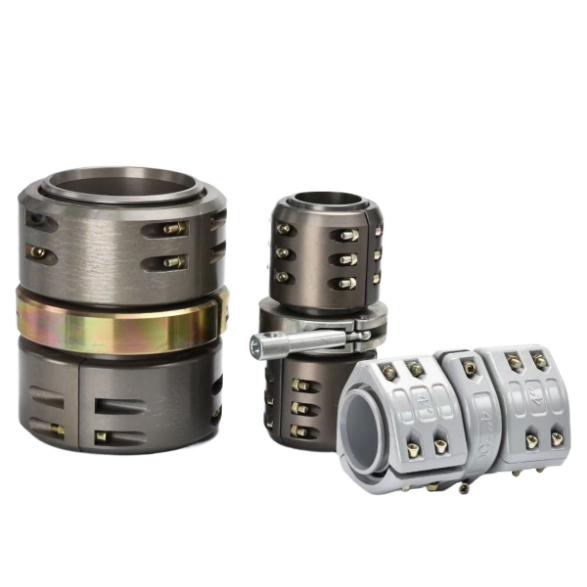
Reusable fittings (also known as field-attachable fittings) are designed for convenient installation without a crimping tool. They are detachable and allow on-site hose replacement, making them ideal for mobile or maintenance-intensive equipment.
- Threaded fittings: For medium to high-pressure systems.
- Push-on fittings: Simple design for low-pressure uses.
- Quick-connect couplings: Enable rapid, leak-free disconnection and reconnection.
- Ease of on-site operation, with no need for specialized tools.
- Reduced downtime and cost efficiency during maintenance.
- Adaptability, allowing different types of connections tailored to specific pressure levels.
Feature | Crimp Fittings | Reusable Fittings |
Removability | Non-removable, single-use | Reusable multiple times |
Tools Required | Hydraulic crimping machine | Simple hand tools |
Pressure Range | High (hundreds to thousands of bar) | Low to medium (up to 250 bar) |
Maintenance | Entire assembly replacement needed | Quick field repairs possible |
Overall Cost | Lower unit cost; higher reassembly labor | Higher unit cost; long-term savings |
1. Cut the hose cleanly using a precision cutter.
2. Mark the insertion depth to ensure full engagement.
3. Clean the hose interior to remove residue.
4. Insert the nipple and position the ferrule correctly.
5. Select correct die size per manufacturer's specifications.
6. Crimp the fitting evenly until the ferrule bottoms out.
7. Inspect and pressure test to confirm leak-free sealing.
Frequent problems and prevention strategies include:
- Abrasion: Use protective sleeves; maintain proper bend radius.
- Overheating: Avoid hose routing near heat sources.
- Incorrect crimping: Always follow manufacturer dimensions.
- Compatibility errors: Match hose and fitting standards (SAE, ISO).
Adhering to updated standards like SAE J1273:2021 minimizes assembly risks and ensures peak performance.
A logistics company solved frequent forklift hose leaks by upgrading to TPU layflat hoses with ORFS crimp fittings. The result: reduced downtime and enhanced pressure stability. In another case, a mining contractor adopted reusable fittings, reducing field maintenance time by 70%.
- The hydraulic hose fittings market is projected to reach USD 8.2 billion by 2033, growing at a steady CAGR of 4.5%.
- Crimp fittings dominate high-pressure industrial markets, while reusable fittings are gaining momentum in maintenance-driven sectors.
- Innovations include lightweight alloys, TPU compatibility enhancements, and smart sensor monitoring systems for predictive maintenance.
Choosing correctly requires evaluating:
- Media compatibility (oil, synthetic fluids, etc.)
- Pressure and temperature limits
- Environmental exposure
- Hose size and type
- Applicable standards (SAE, ISO, DIN)
Crimp fittings are ideal for high-pressure, permanent setups. Reusable fittings offer flexibility for fieldwork. Sunmoon provides customized connection solutions to meet global performance needs.
- Conduct seasonal performance audits under ISO 18752.
- Always use manufacturer-specified dies and ferrules.
- Maintain training programs to reduce human error during crimping.
- Partner with certified suppliers to ensure assembly quality.
Crimp and reusable fittings both serve critical hydraulic roles, and selecting between them depends on operating pressure, maintenance needs, and flexibility requirements. When paired with Sunmoon's advanced TPU layflat hoses, these fittings deliver outstanding durability, safety, and performance across industries.
Enhance your hydraulic efficiency today.
Contact Sunmoon for custom-engineered TPU layflat hose assemblies and expert consultation. Our specialists design optimized, globally reliable hose systems tailored to your specific industrial needs.
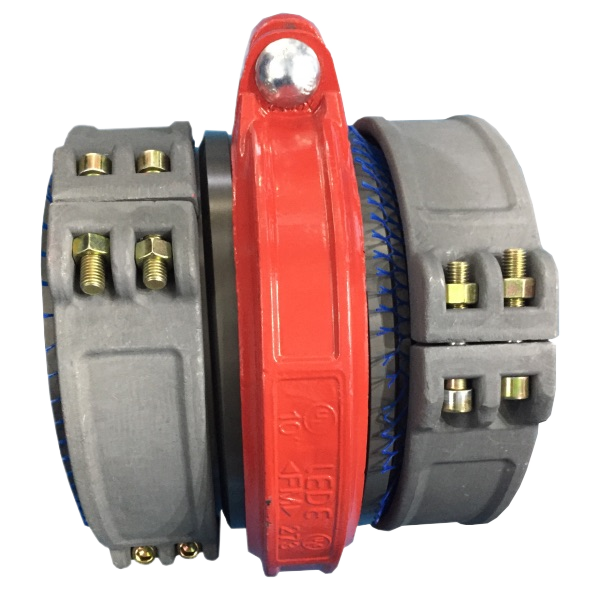
Crimp fittings are permanent connections requiring special tools, while reusable fittings can be removed and reinstalled multiple times in the field.
Reusable fittings are generally safe for low- to medium-pressure systems (below 250 bar). For higher pressures, crimp fittings are recommended.
SAE standards dominate in North America, while ISO is accepted globally. Matching the correct standard ensures safe and leak-free operations.
Improper crimping, abrasion, and excessive heat exposure are the leading causes. Always inspect assemblies and adhere to manufacturer guidelines.
Yes. TPU layflat hoses are lightweight, robust, and perform exceptionally well with crimp fittings in high-pressure and mobile hydraulic systems.


