

Views: 222 Author: Loretta Publish Time: 2026-01-16 Origin: Site


Content Menu
● What Makes Dewatering Hoses Essential
● From Traditional Hoses to Modern TPU Layflat
● Dewatering Challenges in Russian Conditions
● Typical Dewatering Hose Applications in Russia
● Sunmoon: Engineering‑Driven TPU Dewatering Hose Specialist
● How Dewatering Hose Manufacturers and Suppliers Add Value
● Key Performance Advantages of TPU Layflat Dewatering Hoses
● Technical Criteria for Selecting Dewatering Hose
● Practical Considerations for Russian Projects
● The Strategic Role of Sunmoon in the Russian Market
● FAQ – Dewatering Hoses and Suppliers in Russia
>> 1) What are the main advantages of TPU layflat dewatering hoses for Russian projects?
>> 2) How can Dewatering Hose Manufacturers and Suppliers help reduce project downtime?
>> 3) Why are large‑diameter TPU hoses important for high‑volume dewatering?
>> 5) How does Sunmoon differentiate itself among Dewatering Hose Manufacturers and Suppliers?
Russia's expanding mining, infrastructure, oil & gas and municipal sectors are placing increasing demands on high‑performance dewatering systems that can operate reliably in harsh environments. Dewatering Hose Manufacturers and Suppliers that specialize in advanced TPU layflat hose technology now play a central role in helping Russian operators move water and slurry safely, efficiently and cost‑effectively.

Dewatering hoses are flexible conduits used to move water, slurry or contaminated liquids away from working areas, helping keep operations safe and productive. They connect mobile or fixed pumps to discharge points at a suitable distance, allowing project teams to manage groundwater, stormwater and process water in real time.
In Russia, dewatering hoses are found on open‑pit coal and metal mines, underground mines, pipeline and road construction sites, metro and tunnel projects, municipal drainage systems, emergency flood‑response operations and remote oil & gas developments. Across these environments, hoses must withstand abrasion from solids, variable temperatures, rough handling and long deployment periods without failure.
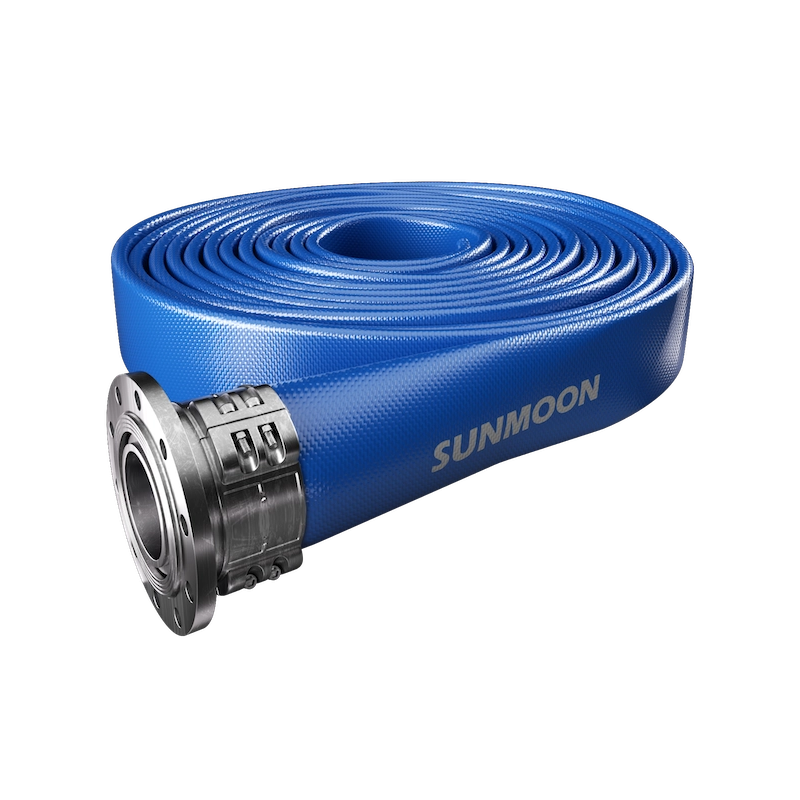
For many years, rubber, PVC and rigid plastic pipes formed the backbone of dewatering installations. While these products still have a place, modern TPU layflat hoses are increasingly preferred by Dewatering Hose Manufacturers and Suppliers that target demanding projects. TPU layflat hoses are constructed using a thermoplastic polyurethane lining and cover, reinforced with a circular‑woven high‑tenacity polyester jacket.
A key manufacturing feature is the “extrusion through‑the‑weave” process, where TPU is extruded through the textile reinforcement so that the inner and outer layers are bonded tightly around the fabric. This technique helps prevent delamination, improves burst strength and ensures that the hose stays flexible and robust even under repeated pressure cycles. Compared with many conventional hoses, advanced TPU layflat dewatering hoses offer higher abrasion resistance, great flexibility, lower weight, and a longer usable life.
Russia's geography and climate create a unique set of requirements for Dewatering Hose Manufacturers and Suppliers. Projects operate in regions ranging from Arctic and sub‑Arctic zones to temperate and coastal areas, often with extreme seasonal variations and difficult access. Dewatering hose systems must deal with:
- Very low winter temperatures that can approach or exceed the lower limits of many polymers
- Abrasive and sometimes chemically aggressive slurries in mines and industrial areas
- Long transport distances and rough terrain between pump locations and discharge points
- Limited windows for construction and maintenance in remote or weather‑restricted locations
TPU layflat dewatering hoses, particularly those designed for mining applications, can operate across wide temperature ranges and withstand rugged conditions, making them a strong fit for Russian field realities. When Dewatering Hose Manufacturers and Suppliers design hoses for these conditions, they typically focus on thick outer covers, high‑tenacity reinforcement, and resistance to ultraviolet radiation, hydrolysis and fungus so that hoses remain reliable even under prolonged deployment.
Because dewatering needs vary widely, Dewatering Hose Manufacturers and Suppliers serving Russian customers usually segment their solutions by application. Some of the most important sectors include:
1- Mining operations
- Drainage of open‑pit benches and haul roads
- Underground mine water management and emergency evacuation of flooded headings
- Tailings and process water handling in mineral processing plants
2- Civil and infrastructure projects
- Dewatering of excavations for bridge foundations, building basements and tunnels
- Bypass pumping during sewer or pipeline rehabilitation
- Temporary drainage for road and railway embankments
3- Oil & gas and energy
- Wellpad and drilling site drainage
- Produced‑water handling over long distances in remote fields
- Support for flood‑protection works around critical energy infrastructure
4- Municipal and emergency response
- Floodwater removal from streets, underpasses and residential areas
- Stormwater bypass pumping during heavy rainfall events
- Support for fire‑fighting operations and water supply in emergencies
Across all these areas, TPU layflat dewatering hoses help reduce equipment weight, increase deployment speed and simplify logistics compared with rigid pipe or heavy rubber hose assemblies.
Sunmoon is positioned as an engineering‑driven manufacturer focusing on research, development, production and global sales of TPU layflat hoses for dewatering and other demanding applications. The company's product line covers TPU layflat hoses for oil & gas, mining, agriculture, municipal water supply, irrigation and emergency drainage, making it a natural partner for projects that require robust Dewatering Hose Manufacturers and Suppliers support.
Sunmoon's hoses are constructed using high‑quality TPU for both lining and cover, combined with high‑tenacity polyester reinforcement. Working pressures typically range from around 150 psi to 450 psi, while diameters span from small‑bore hoses suitable for portable pumps to large‑diameter hoses such as 12‑inch lines used in high‑volume dewatering or water transfer work. This range allows the company to deliver tailored solutions for small construction sites, large mines and long‑distance water transfer projects.
With documented experience shipping 4‑inch TPU layflat hoses at high working pressure to Russian customers, as well as urgent deliveries of 12‑inch large‑diameter hoses for the Russian market, Sunmoon demonstrates familiarity with Russian technical expectations and logistics channels. Fast turnaround on standard configurations and the ability to customize wall thickness, length and fittings help Russian operators respond quickly to changing dewatering requirements.
Dewatering Hose Manufacturers and Suppliers that focus on engineering support do far more than simply produce hose. For Russian customers, value typically comes from a combination of product quality, technical support and lifecycle services:
1- Application engineering
- Analysis of pump curves, required flow rates and elevation changes
- Selection of hose diameter and pressure rating to minimize energy use and reduce system stress
- Recommendations on hose route, anchoring and abrasion protection
2- Customization and configuration
- Hose lengths optimized for specific pit geometries or site layouts
- Fitting and coupling selections compatible with local pump fleets
- Color coding or special markings for easier identification and safety management
3- Quality and certification
- Compliance with international standards such as ISO9001
- Factory testing for working and burst pressure, dimensional accuracy and bonding integrity
- Traceability of materials and batch records for critical projects
4- After‑sales support
- Guidance on installation, inspection and maintenance routines
- Repair options and recommendations to maximize lifetime
- Stock programs for fast replacement of frequently used sizes
Sunmoon's engineering‑driven approach aligns with these expectations, enabling the company to act as a long‑term partner rather than a simple commodity supplier.
Compared to many traditional alternatives, high‑grade TPU layflat hoses from specialized Dewatering Hose Manufacturers and Suppliers offer a number of performance benefits that are especially important in Russia:
1- Abrasion resistance
- TPU's excellent wear properties help hoses withstand contact with sharp rock fragments, sand and other solid particles common in mining and construction slurries.
- Extra‑thick outer covers on mining‑grade hoses extend service life when hoses drag across rough ground or are frequently repositioned.
2- Wide temperature capability
- TPU formulations used in mining and industrial hoses are designed to remain flexible at low temperatures and stable at high temperatures within their specified range.
- This enables year‑round use in cold climates without excessive stiffening that could cause kinking or cracking.
3- Chemical and UV resistance
- TPU layflat hoses are typically resistant to many fuels, oils and chemicals encountered at industrial sites.
- UV‑stable outer covers help preserve mechanical properties when hoses are deployed outdoors for long periods.
4- Lightweight and collapsible
- When not pressurized, TPU layflat hoses flatten for compact storage and transport, reducing logistics costs.
- Light weight allows smaller crews and modest equipment to deploy and retrieve long hose lengths quickly, which is valuable in remote Russian locations.
These properties help explain why TPU layflat technology has become a preferred choice for many Dewatering Hose Manufacturers and Suppliers targeting mining, oil & gas and emergency response applications.
Engineering teams in Russia that work with Dewatering Hose Manufacturers and Suppliers should consider a set of technical parameters when specifying hose for dewatering systems:
1- Pressure ratings
- The working pressure must exceed the pump's maximum discharge pressure, including allowances for water hammer and elevation changes.
- Burst pressure provides an additional safety margin; responsible selection avoids operating too close to this limit.
2- Diameter and flow
- Internal diameter must match the required flow rate while keeping friction losses within acceptable limits.
- Oversized hoses can reduce energy consumption but may become heavy or cumbersome, so a balanced choice is important.
3- Wall thickness and weight
- Thicker walls generally provide greater abrasion resistance and higher pressure capability but increase hose weight.
- Designers must weigh durability against handling requirements and available manpower or equipment.
4- Temperature and media compatibility
- Dewatering may involve clean water, dirty water, slurry or fluids containing chemicals or hydrocarbons.
- TPU and reinforcement materials must be compatible with these media and the ambient temperature range at the project site.
5- Length and couplings
- Available standard lengths (for example, 30 m to 400 m) should be matched to site geometry to minimize coupling numbers and potential leak points.
- Couplings and fittings should be robust, easy to install and compatible with existing pumps and manifolds.
Working closely with Dewatering Hose Manufacturers and Suppliers that understand these parameters helps Russian operators avoid under‑performing systems and premature hose failures.
Beyond purely technical specifications, practical factors often determine whether a dewatering solution will succeed under Russian conditions. Dewatering Hose Manufacturers and Suppliers that serve this market typically help customers address:
1- Logistics and storage
- Long supply chains and difficult access make it vital to plan hose deliveries, storage solutions and spare stock in advance.
- Collapsible TPU layflat hoses can be stored on pallets or reels, reducing volume and making transport more efficient.
2- Deployment and retrieval
- Use of reels, trailers or simple handling equipment improves safety and reduces labor when deploying hundreds or thousands of meters of hose.
- Training on correct unrolling, pressurization and recovery procedures helps keep hoses in good condition.
3- Inspection and maintenance
- Regular visual checks for cuts, abrasions, kink damage and coupling issues extend hose life.
- Many Dewatering Hose Manufacturers and Suppliers provide guidelines for periodic inspections and criteria for repair or replacement.
By treating hoses as critical infrastructure rather than expendable accessories, Russian companies can significantly improve the reliability of their dewatering systems.
As a specialized TPU layflat hose producer, Sunmoon is well positioned to support Russian customers that demand robust, engineered dewatering solutions. The company's ability to deliver hoses across a wide diameter and pressure range, combined with experience handling urgent Russian orders, makes it a valuable partner for mines, construction firms and emergency‑response organizations.
Sunmoon's focus on TPU materials and polyester reinforcement, combined with an emphasis on quality control and customization, enables Russian customers to specify hoses that meet both project‑specific technical requirements and national regulatory expectations. For organizations seeking Dewatering Hose Manufacturers and Suppliers that can engage in technical dialogue, provide data‑driven recommendations and support complex logistics, Sunmoon represents an attractive option.
Effective dewatering is a foundational requirement for safe, efficient and sustainable mining, construction, municipal and energy projects across Russia. The move from traditional hose options toward advanced TPU layflat technology reflects a broader trend toward higher performance, lower lifecycle costs and greater reliability in demanding environments.
Dewatering Hose Manufacturers and Suppliers that focus on TPU layflat design, through‑the‑weave extrusion and rigorous quality control now enable Russian operators to build hose systems that resist abrasion, handle wide temperature ranges, and remain flexible and easy to manage in the field. Engineering‑driven manufacturers such as Sunmoon, with proven experience supplying TPU layflat hoses to Russian customers, demonstrate how close cooperation between supplier and end user can translate into better project outcomes.
By considering both technical criteria—such as pressure rating, diameter, wall thickness and media compatibility—and practical factors like deployment, storage and maintenance, Russian project owners can build dewatering systems that protect workers, equipment and production schedules for the long term. In this context, choosing the right Dewatering Hose Manufacturers and Suppliers is not just a purchasing decision, but a strategic investment in operational resilience.
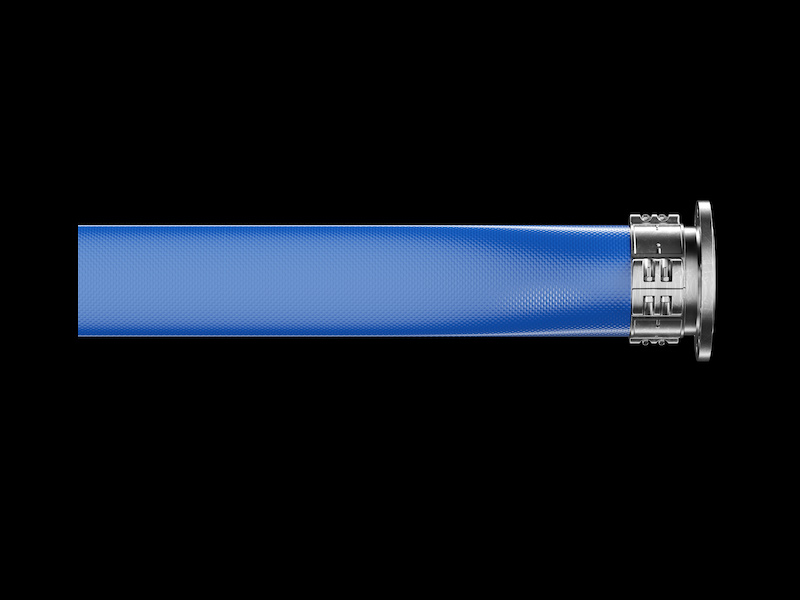
TPU layflat dewatering hoses combine high abrasion resistance, wide temperature capability and excellent flexibility, making them suitable for harsh mining and construction environments. Their collapsible design also reduces transport and storage costs, which is particularly valuable in remote Russian regions.
Dewatering Hose Manufacturers and Suppliers provide more than products; they offer application engineering, customized hose configurations, and guidance on installation and maintenance. This support reduces the risk of hose failures, minimizes unscheduled shutdowns and helps ensure that pumps and pipelines operate within safe limits.
Large‑diameter TPU hoses allow higher flow rates at lower friction losses, which improves pumping efficiency and reduces energy consumption over long distances. In Russian mines and large construction sites, these hoses are essential for quickly moving significant volumes of water or slurry to safe discharge locations.
Before ordering, buyers should share details such as required flow rate, maximum working pressure, elevation changes, fluid composition, ambient temperature and preferred hose lengths. Providing this information allows Dewatering Hose Manufacturers and Suppliers to recommend suitable TPU layflat hose types, diameters, wall thicknesses and coupling systems tailored to the project.
Sunmoon focuses on TPU layflat technology, engineering support and international project experience, including deliveries to Russian customers. By offering hoses across a wide pressure and diameter range, providing customization options and emphasizing quick response to urgent orders, Sunmoon positions itself as a long‑term, engineering‑driven partner for complex dewatering projects.


