

Views: 222 Author: Loretta Publish Time: 2026-01-15 Origin: Site


Content Menu
● Why Drag Hoses Matter in Qatar
● TPU Layflat Drag Hoses: The Preferred Choice
>> Performance Advantages in Qatar
● Drag Hose Manufacturers and Suppliers: Global–Local Collaboration
>> Local Industrial Hose Distributors in Qatar
>> Engineering‑Driven TPU Layflat Hose Manufacturers
● Applications of Drag Hoses in Qatar
>> Construction, Mining, and Dewatering
>> Oil and Gas, Industrial, and Municipal Uses
● How to Evaluate Drag Hose Manufacturers and Suppliers in Qatar
● Best Practices for Installing and Operating Drag Hose Systems
● Maintenance and Storage for Longer Service Life
● FAQ – Drag Hose Manufacturers and Suppliers in Qatar
>> 1. What are drag hoses and where are they used in Qatar?
>> 2. Why do drag hose manufacturers and suppliers recommend TPU layflat hoses for Qatar?
>> 3. How should buyers in Qatar evaluate drag hose manufacturers and suppliers?
>> 4. Can international drag hose manufacturers effectively support projects located in Qatar?
>> 5. What maintenance practices extend the life of TPU drag hoses in Qatar?
Top drag hose manufacturers and suppliers in Qatar play a vital role in supporting the country's agriculture, construction, oil and gas, mining, and municipal sectors by enabling safe, efficient, and long‑distance transfer of water, slurry, and industrial fluids. As Qatar continues to invest heavily in infrastructure and food security, demand for robust, high‑pressure TPU layflat drag hoses has grown rapidly, especially for large‑scale irrigation and high‑volume pumping projects in harsh desert conditions.[1][2][3][4][5]
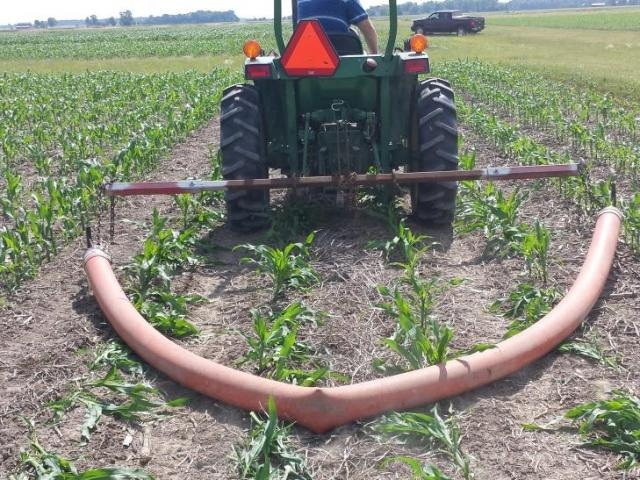
Drag hoses are flexible layflat hoses designed to be pulled or “dragged” along the ground while fluid is pumped through them continuously. Unlike rigid pipework, drag hoses can move with tractors, reels, or mobile pumping units, making them ideal for dynamic field operations and temporary installations in Qatar.[4][5][6]
Key characteristics of drag hoses include:[5][6][4]
- Layflat construction that allows hoses to collapse flat when not pressurized, simplifying storage and transport.
- High flexibility, enabling hoses to turn around obstacles, follow terrain, and be reeled in and out repeatedly.
- Compatibility with couplings and fittings that allow long continuous lengths and quick connection or disconnection.
In Qatar, drag hoses are commonly used in slurry application, high‑capacity water transfer, and irrigation systems, where mobility and long runs are crucial to operational efficiency.[6][4][5]
Qatar's climate and development profile make drag hose systems especially valuable for both agricultural and industrial users.[3][1][5]
Key drivers for drag hose use in Qatar include:[1][3][4][5]
1- Arid climate and water management
- Water is a strategic resource, and efficient irrigation systems depend on reliable hoses to deliver precise volumes to fields and landscaping projects.
- Long‑distance water transfer from reservoirs or desalination plants to usage points requires durable hoses that can handle high pressures.
2- Rapid infrastructure and industrial growth
- Construction sites across Doha and surrounding regions need flexible solutions for dewatering, concrete support, and temporary water supply.
- Oil and gas operations, mining support, and industrial plants rely on transfer hoses for process water, wastewater, and some chemical streams.
3- Need for mobility and reusability
- Many projects are temporary or shift locations, making reusable layflat drag hoses more economical than fixed pipe networks.
- Drag hose systems can be rolled up, relocated, and redeployed, which is ideal for seasonal agriculture and mobile industrial projects.
As a result, drag hose manufacturers and suppliers with strong technical expertise and reliable TPU layflat products are in a prime position to support Qatar's long‑term development goals.[2][3][5][1]
Thermoplastic polyurethane (TPU) layflat hoses have become the reference standard for demanding drag applications because they combine high mechanical performance with excellent handling characteristics.[7][8][4][5]
High‑quality TPU layflat drag hoses typically use:[8][4][5][7]
- A high‑strength polyester filament braided or woven reinforcement layer that provides tensile strength and pressure resistance.
- Inner and outer TPU layers extruded through the reinforcement in a one‑shot process, creating strong adhesion and a seamless structure.
This through‑the‑weave construction protects the reinforcement from abrasion and environmental damage while maintaining flexibility and bend radius, making it ideal for continuous dragging over rough terrain.[4][5][8]
For drag hose manufacturers and suppliers targeting Qatari applications, TPU layflat hoses offer several key advantages:[9][5][7][8][4]
1- Abrasion and puncture resistance
- The TPU cover withstands friction against soil, gravel, and concrete when hoses are dragged behind tractors or along construction sites.
- This significantly extends service life, especially compared to lighter PVC hoses in heavy‑duty applications.
2- High pressure and large diameter capability
- TPU layflat drag hoses are available in large diameters (often 4–12 inches and beyond) and working pressures around 150–200 psi or more, enabling high‑flow transfer over long distances.[5][7][8]
- Combined with low friction internal surfaces, these hoses help maintain flow rates and reduce energy consumption per cubic meter of fluid moved.
3- Flexibility, lightweight, and easy handling
- TPU layflat hoses remain flexible even at lower temperatures and do not become excessively stiff or brittle, which enhances safety during handling.[9][4]
- Low weight per meter simplifies deployment with reels and tractors, reducing labor costs and setup times on Qatari farms and industrial sites.
4- Chemical and environmental resistance
- TPU formulations typically resist many agricultural fertilizers, manure, certain oils, and industrial chemicals, allowing broad use across sectors.[4][5]
- Operating temperature ranges that can span approximately −40 °C to +70 °C easily cover Qatar's environmental conditions.[5]
Because of these properties, many leading drag hose manufacturers and suppliers position TPU layflat hoses as a cost‑effective and technically superior alternative to rigid pipework and conventional rubber hoses in Qatar's demanding field conditions.[3][8][4][5]
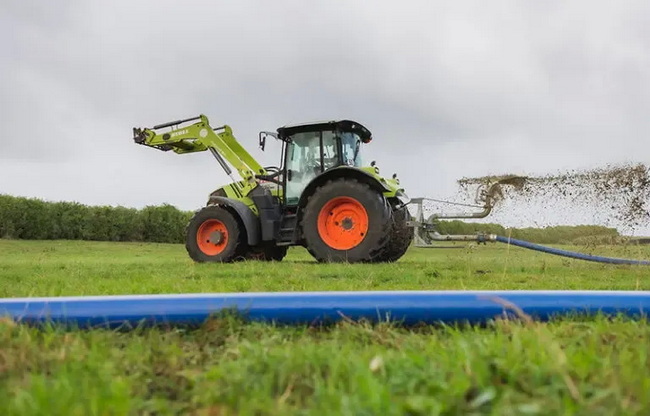
The drag hose value chain serving Qatar typically combines global manufacturers of TPU layflat drag hoses with local distributors, assemblers, and service providers.[10][11][12][2][1][3]
Local distributors in Doha and nearby regions specialize in supplying hydraulic and industrial hoses, fittings, and accessories to a wide range of customers. They play several important roles for drag hose users:[12][2][10][1]
1- Stock and availability
- Maintaining inventories of hoses, couplings, and adapters to minimize downtime.
- Supporting emergency replacement needs for critical agricultural and industrial operations.
2- Assembly and customization
- Providing hose cutting, crimping, and assembly services, especially for hydraulic and auxiliary lines used alongside drag hose systems.[11][2][12][1]
- Acting as integrators that combine imported TPU drag hoses with locally sourced fittings, manifolds, and pump connections.
3- On‑site technical support
- Assisting with installation, routing, and troubleshooting at worksites in Qatar.
- Advising on coupling choices, clamp configurations, and safety considerations for high‑pressure systems.
Companies that supply industrial and hydraulic hoses, such as those serving Doha and Al Wakrah, often expand their portfolios to include layflat hoses and can act as key drag hose suppliers even if they are not primary manufacturers themselves.[2][10][12][1]
On the manufacturing side, dedicated TPU layflat hose producers focus on engineering long‑distance, high‑pressure hoses tailored to particular industries.[7][8][3]
Key capabilities of specialized drag hose manufacturers and suppliers include:[8][3][7][9]
- Design of large‑diameter TPU layflat drag hoses optimized for water, slurry, or oilfield applications.
- Customization of hose wall thickness, reinforcement density, and TPU blends to achieve desired pressure ratings, wear resistance, and flexibility.
- Production of long continuous lengths (often up to several hundred meters) for efficient deployment with reels and minimal joints.[9][5]
- Development of complete system concepts that include hoses, end fittings, manifolds, and recommended reel configurations.
Engineering‑driven manufacturers such as Sunmoon focus specifically on TPU layflat hoses for high‑pressure, long‑distance water and fluid transfer and support oil and gas, agriculture, mining, and municipal projects around the world, including markets with climates similar to Qatar. This engineering depth makes them valuable partners for Qatari distributors and project owners seeking reliable drag hose solutions.[3][7][8]
Drag hoses supplied by leading manufacturers and suppliers support a wide range of use cases in Qatar.[6][1][3][4][5]
Qatar's drive toward improved food security and efficient landscaping requires modern irrigation systems capable of distributing large volumes of water with minimal losses.[4][5][9]
Typical agricultural uses of TPU drag hoses include:[6][5][9][4]
- Feed lines from pumps or reservoirs to traveling irrigators or pivot systems.
- Manure and nutrient slurry application, where hoses are dragged behind tractors across fields.
- Temporary or seasonal irrigation lines that must be removed or relocated between growing cycles.
Drag hose manufacturers and suppliers that serve agriculture in Qatar often recommend TPU layflat hoses due to their abrasion resistance on sandy soils, long continuous lengths, and compatibility with reel systems that simplify handling.[5][6][9][4]
In construction and mining‑related projects, drag hoses help manage water in excavation pits, tunnels, foundation works, and temporary access roads.[1][2][5]
Common uses include:[2][1][5]
- High‑flow dewatering from excavations to approved discharge points.
- Temporary water supply lines for dust suppression, concrete curing, and on‑site facilities.
- Emergency pumping during heavy rainfall events or utility failures.
Drag hose manufacturers and suppliers that target these segments emphasize high pressure ratings, rugged outer covers, and reliable couplings that withstand rough handling on busy job sites.[1][2][5]
Drag hoses also support oil and gas, industrial, and municipal operations where flexible long‑distance fluid transfer is required.[8][3][5]
Typical examples include:[3][8][5]
- Frac water or process water transfer in oilfield and industrial plants.
- Emergency and planned municipal water supply or wastewater bypass lines.
- Firefighting support, where long hose lays are needed to reach remote water sources or incident locations.[4][5]
In these cases, drag hose manufacturers and suppliers must meet stringent safety and performance requirements, providing data sheets, test reports, and quality certifications to ensure confidence in high‑pressure operations.[7][8][3][5]
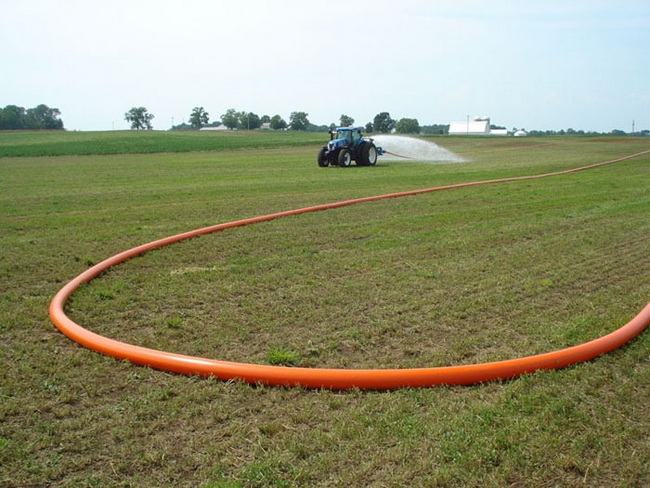
Selecting the right drag hose partner in Qatar is critical to long‑term performance and cost control.[8][1][3][5][4]
Key evaluation steps include:[1][3][5][8][4]
1- Clarify technical requirements
- Define fluid type, temperature range, and any chemical exposure.
- Determine required flow rate, pressure, total hose length, and expected duty cycle.
2- Assess product design and quality
- Confirm the hose construction, reinforcement type, material specifications, and pressure ratings.
- Review certifications such as ISO 9001 and request test data or manufacturer documentation.[7][5][8]
3- Review application experience
- Prioritize drag hose manufacturers and suppliers with proven references in similar climates and industries.
- Ask about case studies or long‑term installations in agriculture, oil and gas, or industrial water transfer.
4- Evaluate support and lifecycle value
- Examine availability of local stock, replacement hoses, and fittings in Qatar.
- Consider training, installation assistance, and maintenance guidance, as these factors can significantly extend hose life and reduce overall costs.[2][3][5][1]
A structured evaluation process helps Qatari buyers select drag hose manufacturers and suppliers that deliver both technical performance and reliable long‑term support.
Even the highest‑quality drag hoses require correct installation and operation to achieve full service life.[9][5][4]
Recommended best practices include:[13][5][9][4]
1- Site planning and layout
- Avoid routing hoses over sharp edges, exposed rebar, or debris that can cause cuts and localized wear.
- Design hose routes with wide bends instead of tight corners to reduce stress at high pressure.
2- Correct coupling and clamp selection
- Use compatible couplings and clamps rated for the hose pressure and diameter, following manufacturer recommendations.[13][3][5]
- Ensure all couplings are properly installed, inspected, and pressure‑tested before full‑scale operation.
3- Controlled dragging and reel operation
- When dragging hoses with tractors or vehicles, avoid sudden jerks, high‑speed turns, or dragging when hoses are empty but pressurized.
- Use appropriately sized reels and follow manufacturer guidelines for maximum layer counts to prevent crushing or kinking.[9][4]
4- Regular inspection during use
- Monitor hoses for visible damage, bulges, leaks, or coupling movement while in operation.
- Address minor damage early to avoid sudden failures under load.
Drag hose manufacturers and suppliers that offer training videos, manuals, and on‑site support help Qatari users adopt these best practices more easily.[13][3][8]
Proper maintenance and storage are essential for preserving TPU drag hose performance between seasons or project phases.[5][4][9]
Suggested procedures include:[4][5][9]
1- Cleaning after use
- Flush hoses with clean water to remove residues, especially when transferring slurry, manure, or aggressive fluids.
- Where necessary, follow manufacturer guidance for cleaning chemicals that are compatible with TPU materials.
2- Drying and inspection
- Allow hoses to drain and dry thoroughly before long‑term storage to minimize microbial growth or internal degradation.
- Inspect for cuts, abrasions, soft spots, or exposed reinforcement, and repair or retire damaged sections as recommended by the manufacturer.
3- Proper storage
- Store hoses on reels or in loose coils in a cool, shaded, and well‑ventilated area to limit UV exposure and thermal stress.[5][4]
- Avoid stacking heavy objects on hoses or bending them sharply in storage.
Drag hose manufacturers and suppliers that provide clear maintenance guidance help Qatari operators extend the usable life of TPU layflat drag hoses, improving overall return on investment.[9][4][5]
Drag hose manufacturers and suppliers serving Qatar form a crucial link between advanced TPU layflat hose technology and the demanding realities of agriculture, construction, oil and gas, and municipal operations in a harsh desert environment. By combining engineering‑driven TPU drag hose designs with strong local distribution, technical support, and best practices in installation and maintenance, these companies help Qatari projects achieve reliable, high‑capacity fluid transfer with reduced downtime and lifecycle costs. Decision makers who carefully evaluate drag hose manufacturers and suppliers on product quality, application experience, and service capability are best positioned to build long‑lasting systems that support Qatar's continued growth and infrastructure development.[2][3][8][1][4][5]

Drag hoses are flexible layflat hoses designed to be pulled across fields or job sites while pumping water, slurry, or other fluids continuously, rather than remaining fixed like rigid pipes. In Qatar, drag hoses are widely used in agriculture irrigation, nutrient or slurry spreading, construction dewatering, and industrial or municipal water transfer where long‑distance, high‑flow pumping is needed.[6][1][4][5]
Drag hose manufacturers and suppliers often recommend TPU layflat hoses because TPU provides excellent abrasion resistance, flexibility, and resistance to punctures and chemicals, all of which are critical under Qatar's harsh, abrasive, and high‑temperature conditions. TPU layflat drag hoses also support high working pressures and large diameters, enabling long‑distance fluid transfer with fewer pump stations and reduced energy consumption.[7][8][4][5]
Buyers in Qatar should evaluate drag hose manufacturers and suppliers by reviewing their technical data, pressure and temperature ratings, material specifications, and relevant certifications such as ISO 9001. They should also consider application experience, local stock availability, after‑sales support, and the ability to supply long continuous hose lengths with compatible couplings and fittings for their specific projects.[3][8][1][2][7][5][9]
Yes, international drag hose manufacturers often support Qatari projects through partnerships with local distributors and industrial hose suppliers who handle inventory, assembly, and on‑site services. This global–local collaboration allows Qatar‑based customers to access advanced TPU layflat drag hoses while relying on local expertise for installation, maintenance, and rapid replacement when required.[10][11][12][6][1][2][3]
To extend the life of TPU drag hoses, manufacturers and suppliers recommend flushing hoses after use, allowing them to dry completely, and inspecting them regularly for cuts, abrasions, or coupling damage. Proper reel storage in shaded, cool conditions and avoiding sharp bends or heavy loads on stored hoses further helps maintain flexibility, structural integrity, and long‑term performance in Qatar's high‑temperature environment.[4][5][9]
[1](https://robusthosesllc.com/qatar-doha-alwakrah/)
[2](https://www.thundertechnicalqatar.com)
[3](https://www.sunmoonhose.com)
[4](https://www.eastophose.com/news_detail/18.html)
[5](https://www.ly-plastic.com/TPU-Layflat-Hose.html)
[6](https://www.tipsa.com/brands/oroflex-hoses/)
[7](https://www.alibaba.com/product-detail/Durable-Flexible-200psi-10inch-Tpu-Lay_62011339497.html)
[8](https://sunmoonhose.en.alibaba.com/productgrouplist-803209907/TPU_lay_flat_hose.html?spm=a2700.icbuShop.88.11.239fb30tH64Kq)
[9](https://www.asoehose.com/manureflow-supply-tpu-manure-supply-hose/)
[10](https://powerflexqatar.com)
[11](https://qsbinternational.com)
[12](https://www.fluiconnecto.co.uk/qa/)
[13](https://www.sunmoonhose.com/the-ultimate-guide-to-hydraulic-crimp-fittings-vs-reusable-fittings-for-tpu-layflat-hoses-in-2025.html)


