

Views: 222 Author: Loretta Publish Time: 2026-01-04 Origin: Site


Content Menu
● The Growing Frac Hose Market in Turkey
● Why TPU Layflat Frac Hose Leads the Trend
● Sunmoon: Engineering-Driven TPU Frac Hose Partner
● Structural Features of High-Performance TPU Frac Hose
● Key Features Frac Hose Buyers Should Evaluate
● Leading Hose Players Active in Turkey
● Example Specification Snapshot: TPU Layflat Frac Hose
● Application Scenarios for TPU Frac Hose in Turkey
● Service and Support Expectations from Top Suppliers
● Best Practices for Selecting Frac Hose Manufacturers and Suppliers
● Common Challenges in Frac Hose Operations and How to Address Them
● Environmental and Safety Considerations
● How Sunmoon Supports Global and Turkish Projects
● Summary of Advantages Delivered by Leading Frac Hose Manufacturers and Suppliers
● FAQ
>> 1. What makes TPU layflat hose suitable for fracturing projects?
>> 2. How do frac hose manufacturers and suppliers determine the right hose size?
>> 3. What are the typical pressure ratings for TPU frac hose?
>> 4. How do Turkish suppliers integrate with global frac hose manufacturers and suppliers?
>> 5. What factors influence the lifespan of frac hose in the field?
Frac Hose Manufacturers and Suppliers in Turkey play a vital role in supporting hydraulic fracturing, large-scale water transfer, and oilfield logistics across Europe, the Middle East, and Central Asia. The country's strategic geography and strong industrial base enable local and international players to collaborate on advanced frac hose solutions tailored to challenging field conditions.
In this context, TPU layflat hose technology has emerged as a core solution that many Frac Hose Manufacturers and Suppliers adopt for long-distance, high-pressure transfer of water, fracturing fluids, and slurries. Engineering-driven producers such as Sunmoon focus on R&D, manufacturing, and global delivery of TPU layflat soft hose, meeting the technical and logistical needs of customers operating in Turkey and worldwide.
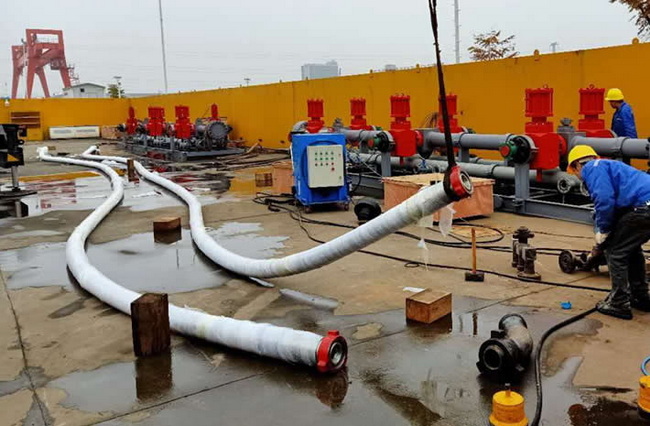
Turkey's energy sector is gradually expanding its oil and gas exploration and development activities, including unconventional resources that may require hydraulic fracturing and high-pressure water transfer. As projects become more complex, operators increasingly rely on specialized frac hose manufacturers and suppliers to provide safe, efficient, and durable hose systems.
This growth does not occur in isolation. Global trends in hydraulic fracturing, enhanced recovery, and large-scale infrastructure projects continue to stimulate innovation in hose materials, reinforcement structures, and coupling technology. Turkish buyers therefore look not only at price, but also at engineering quality, pressure ratings, service support, and international certifications when selecting partners.
Thermoplastic polyurethane (TPU) layflat hose has become a preferred choice among modern frac hose manufacturers and suppliers because it combines high mechanical performance with excellent handling characteristics. Unlike rigid pipes or heavy rubber hoses, TPU layflat hose can be supplied in long continuous lengths, rolled on reels, and rapidly deployed or retrieved with minimal manpower and equipment.
From a technical standpoint, TPU offers high tensile strength, very good abrasion resistance, and strong resistance to many oils, fuels, and chemical additives used in fracturing fluids. When extruded through a circular woven reinforcement of polyester or aramid fibers, the resulting composite structure maintains shape under high pressure, resists kinking, and tolerates repeated bending cycles in demanding field environments.
Sunmoon positions itself as an engineering-driven manufacturer specializing in TPU layflat soft hoses used in frac water transfer, mine dewatering, and large-scale fluid logistics. The company integrates R&D, production, and sales to offer customers a complete portfolio of TPU layflat frac hose solutions customized for different pressure classes, diameters, and environmental conditions.
By focusing on TPU layflat hose technology, Sunmoon is able to optimize fiber selection, layer thickness, and extrusion processes to achieve a balance of flexibility, burst pressure, and long-term durability. This engineering focus enables Sunmoon to support frac hose manufacturers and suppliers in Turkey with high-performance hoses that integrate smoothly into local assembly, coupling, and field service workflows.
High-quality TPU layflat frac hose typically uses a three-layer structure in which an inner TPU tube, a circular woven reinforcement layer, and an outer TPU cover are merged into a single integrated hose body. This construction eliminates the risk of delamination between layers, which is critical under pulsing high-pressure conditions and when the hose is dragged across rough ground.
The reinforcement layer often uses high-tenacity polyester or aramid yarns designed to carry tensile loads and resist expansion at maximum working pressure. The inner TPU layer offers a smooth bore to minimize friction losses, while the outer layer protects against abrasion, UV radiation, and weathering. For buyers comparing different frac hose manufacturers and suppliers, these structural details reveal much about expected service life and safety margins.
When evaluating frac hose manufacturers and suppliers in Turkey or internationally, procurement teams should examine several technical and commercial aspects to ensure they select a solution that meets project requirements. The following points are especially important for hydraulic fracturing and long-distance transfer applications.
- Working and burst pressure: Hoses must sustain the required operating pressure with an adequate safety factor, often with burst ratings at least three times the working pressure.
- Hose diameter and flow capacity: Larger diameters support higher flow with lower friction loss, but they also increase weight and handling complexity, so a balanced choice is necessary.
- Material and construction: Buyers should look at reinforcement yarn type, weaving density, and TPU formulation to understand how the hose will behave under pressure, bending, and abrasion.
- Chemical and temperature resistance: Fracturing fluids may contain salts, polymers, and chemical additives; hoses must tolerate these as well as low or high ambient temperatures.
- Length options and logistics: Long continuous lengths reduce the number of couplings, which helps lower leak risks and installation time. Suppliers who can manage long reels and field deployment add clear value.
Turkey hosts a number of hose and flexible connection companies that contribute to the oil and gas, chemical, and heavy industry sectors. Some specialize in flexible metal hoses, while others focus on hydraulic or industrial rubber hoses. Although not all are dedicated frac hose manufacturers and suppliers, many serve as crucial ecosystem partners for assembly, fittings, and regional distribution.
These companies help integrate global TPU layflat hose products into turnkey systems suitable for local market conditions. Collaboration may include designing coupling packages for high-pressure water transfer, performing pressure testing, and offering after-sales service to field operators. In practice, this partnership model allows Turkish customers to enjoy the benefits of world-class TPU technology while relying on local expertise and support.
To better understand the type of products offered by advanced frac hose manufacturers and suppliers, consider representative specifications for common TPU layflat frac hoses used in oilfield water transfer:
- Medium-size hoses (for example, 4-inch and 6-inch nominal diameter) often provide working pressures in the general range of mid-bar levels, with burst pressures roughly three times higher.
- Large-diameter hoses (such as 8-inch TPU frac hose) are typically designed for high flow and robust pressure capability, making them suitable for main feed lines in fracturing or large-scale water logistics projects.
- Coils may be offered in long lengths, often from tens of meters up to several hundred meters per section, enabling operators to minimize couplings along the route.
These general characteristics show how modern TPU layflat hoses achieve both hydraulic performance and deployment efficiency, supporting the demanding schedules and safety requirements of hydraulic fracturing operations.
Turkey's varied landscape, ranging from mountainous regions to semi-arid plains, calls for flexible fluid transfer solutions that can handle uneven ground, long distances, and changing site layouts. For these reasons, many operators and contractors turn to TPU layflat hoses delivered by experienced frac hose manufacturers and suppliers.
Common application scenarios include:
- Long-distance transfer of raw water or treated water from surface sources, reservoirs, or storage ponds to drilling or fracturing sites.
- High-pressure delivery of fracturing fluids from pump units to wellheads and manifolds in unconventional reservoir operations.
- Temporary networks for construction dewatering, pipeline testing, emergency bypass, and mining water management where rapid deployment and retrieval are crucial.
In all of these applications, TPU layflat hoses reduce the need for rigid pipeline installation, allowing projects to adapt quickly to new well pads or evolving construction phases.
Technical performance alone is not enough; long-term success with frac hose systems also depends on engineering support, user training, and lifecycle management. Leading frac hose manufacturers and suppliers distinguish themselves through comprehensive service offerings that go beyond product delivery.
Important service elements include:
- Application engineering: Suppliers help calculate flow rates, pressure loss, and optimum hose diameters, and they often propose layout concepts that balance cost and performance.
- Field deployment guidance: Experienced teams can train operators on proper unrolling, pressurization, coupling, and retrieval methods to avoid kinks, twisting, and mechanical damage.
- Maintenance and inspection programs: Regular inspection of outer cover wear, coupling integrity, and pressure test results helps extend hose life and improve safety.
- Documentation and certification: Clear documentation of design standards, test data, and compliance records simplifies audits and supports HSE requirements on industrial projects.
When customers find frac hose manufacturers and suppliers that provide this level of technical and service support, they often achieve lower total cost of ownership and fewer unplanned shutdowns.
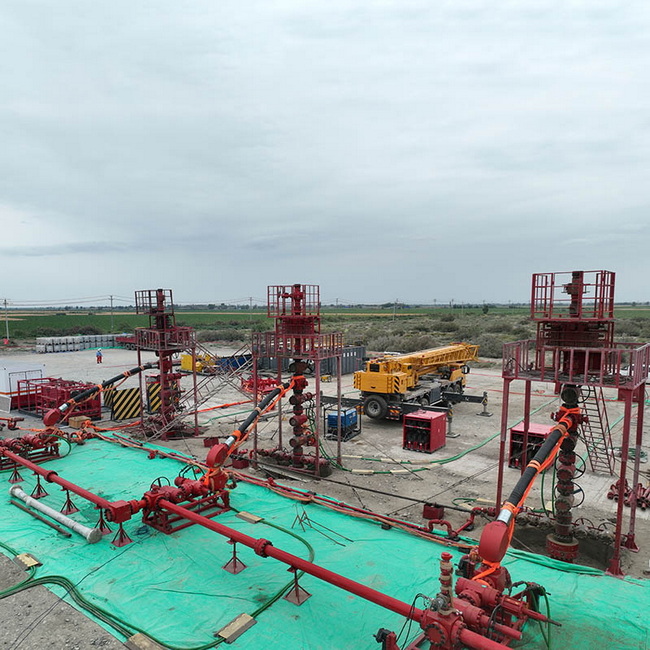
Selecting the right partner among many frac hose manufacturers and suppliers can significantly impact operational reliability and budget performance. Buyers in Turkey and abroad can follow several best practices to structure the selection process.
First, define project requirements in detail, including flow rate, maximum working pressure, distance, elevation changes, fluid composition, and ambient temperature range. With clear technical data, it becomes much easier to compare offerings from different frac hose manufacturers and suppliers on an objective basis.
Second, evaluate the supplier's engineering capabilities and manufacturing quality systems. Indicators may include in-house testing facilities, quality certifications, documented production procedures, and experience with similar projects. Engineering-driven companies such as Sunmoon, which emphasize TPU layflat technology and continuous R&D, often stand out in this area.
Third, consider the availability of local support, spares, and replacement hoses. For customers in Turkey, cooperation between global manufacturers and regional distributors or assemblers ensures faster response times during urgent situations. This collaboration also helps adapt hose configurations, couplings, and accessories to local regulatory and operational requirements.
Even high-quality hoses supplied by reputable frac hose manufacturers and suppliers can face challenges if not used correctly. Understanding these risks helps operators design better systems and training.
One frequent issue is abrasion from dragging hoses over rough or sharp surfaces, which can gradually remove the outer TPU layer and expose reinforcement fibers. To mitigate this, operators can use guidance rollers, protective mats, or alternative routing, and they should train crews to avoid unnecessary dragging.
Another challenge arises from over-pressurization or rapid pressure spikes. If a pump ramps up too quickly or valves close abruptly, pressure surges may exceed the hose's rating. Using pressure-relief systems, controlled start-up procedures, and careful monitoring of gauges can minimize this risk.
Improper storage is also a concern. Hoses that are left kinked, tightly twisted, or exposed to harsh sunlight for extended periods may experience premature aging. Proper storage on reels, in shaded or covered areas, and under recommended temperature conditions helps ensure that frac hose purchased from quality manufacturers and suppliers offers full design life.
Environmental protection and worker safety are central concerns in hydraulic fracturing and large-scale water handling projects. Frac hose manufacturers and suppliers contribute to these goals by designing hoses that reduce leak potential, withstand harsh chemicals, and maintain integrity under repeated pressurization cycles.
Using long, continuous sections of TPU layflat hose reduces the number of joints, which are common leak points in traditional piping systems. Fewer joints mean less risk of fluid spills, which is particularly important near water bodies or agricultural land. Engineering-driven suppliers also focus on consistent dimensional tolerance and robust coupling systems, further improving sealing reliability.
On the safety side, clearly specified pressure ratings, burst margins, and operating guidelines enable operators to design systems with appropriate safety factors. Training materials, clear labeling, and collaboration between end users and frac hose manufacturers and suppliers help ensure that field personnel understand safe operating limits and emergency procedures.
Sunmoon, as a TPU layflat hose specialist, can support both domestic Turkish projects and international operations that source equipment through Turkey's industrial supply chain. By manufacturing high-pressure TPU frac hoses in a range of diameters and pressure classes, Sunmoon offers flexible options for water transfer, fracturing lines, and temporary pipeline networks.
The company's focus on engineering and R&D allows adaptation of hose designs to project-specific needs, such as custom lengths, specialized reinforcement choices, or particular inner bore characteristics. This flexibility is especially valuable for partners and distributors who integrate Sunmoon hoses into complete systems for drilling, mining, and infrastructure projects operating under different climates and regulatory regimes.
Bringing together the themes discussed above, leading frac hose manufacturers and suppliers deliver several clear advantages to energy and industrial customers in Turkey and beyond:
- High-performance TPU layflat hose technology with strong pressure ratings and long continuous lengths.
- Robust construction using high-tenacity reinforcement and optimized TPU formulations for abrasion, chemical, and weather resistance.
- Engineering support that covers sizing, layout, deployment, and maintenance, helping reduce operational risk.
- Integration with local Turkish partners who provide fittings, assemblies, and on-the-ground service for fast response.
- Commitment to safety, environmental protection, and cost-effectiveness across the entire lifecycle of frac hose systems.
These strengths make such suppliers valuable partners in a world where fluid logistics, water management, and energy production continually evolve.
Frac hose manufacturers and suppliers in Turkey operate in a dynamic environment shaped by expanding energy activities, infrastructure projects, and increasingly demanding safety and environmental expectations. TPU layflat frac hose has emerged as a key technology for meeting these challenges thanks to its combination of high pressure capability, excellent abrasion resistance, and ease of deployment over long distances.
Engineering-driven producers like Sunmoon, working alongside Turkish hose and fitting specialists, help deliver complete solutions that align with global best practices in hydraulic fracturing and water transfer. By carefully evaluating technical specifications, service offerings, and local support arrangements, operators can select frac hose manufacturers and suppliers that provide reliable performance, lower lifecycle costs, and greater operational flexibility for projects in Turkey and worldwide.
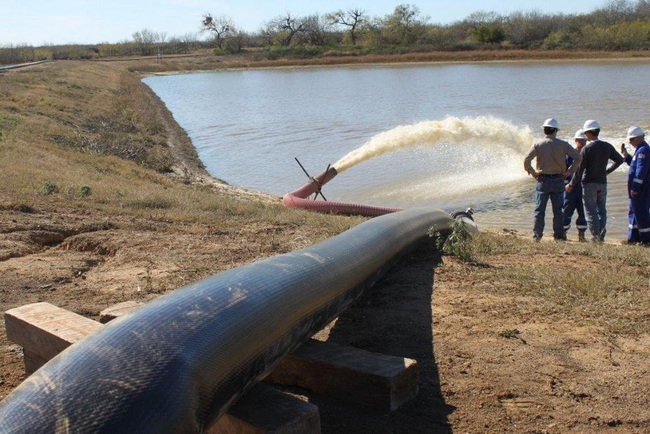
TPU layflat hose provides high tensile strength, outstanding abrasion resistance, and good compatibility with many fracturing fluids, which often contain sand and chemical additives. Its layflat design allows long continuous lengths that are easy to roll, transport, deploy, and retrieve, making it a preferred choice among many frac hose manufacturers and suppliers for mobile, high-pressure operations.
Frac hose manufacturers and suppliers typically select hose size based on target flow rate, allowable pressure drop, pump performance, and the maximum working pressure needed for the job. By analyzing these parameters, they recommend diameters and pressure classes that deliver sufficient flow with safe pressure margins, while still being practical to handle and install in the field.
Typical TPU layflat frac hoses are engineered to handle significant working pressures, with burst ratings commonly around three times the specified working pressure to provide a substantial safety factor. Actual values depend on hose diameter, reinforcement design, and application, but many products are designed specifically for the high-pressure demands of fracturing and long-distance water transfer operations.
Turkish suppliers often collaborate with global frac hose manufacturers and suppliers by importing high-performance TPU layflat hoses and then handling local assembly, coupling, testing, and distribution. This model combines the advanced materials and engineering of global producers with the regional knowledge, language, and service capabilities of Turkish partners, giving end users a more responsive and tailored experience.
Frac hose lifespan is influenced by operating pressure, fluid type, temperature, frequency of deployment and retrieval, and the degree of mechanical abrasion from ground contact or obstacles. Proper system design, careful handling practices, routine inspection, and following the usage guidelines provided by frac hose manufacturers and suppliers all contribute to maximizing service life and maintaining safe, reliable operations.


