

Views: 222 Author: Loretta Publish Time: 2026-01-05 Origin: Site


Content Menu
● Russia's Oil Hose Market Landscape
● Why Russia Needs Advanced Hose Technology
● Key Applications for Oil Hose Manufacturers and Suppliers in Russia
>> Midstream and Downstream Support
>> Mining, Construction, and Municipal Uses
● Major Players: Oil Hose Manufacturers and Suppliers Serving Russia
>> HYDROSTAR: Russian Hose Producer
>> PTK KRPMS: Custom High‑Pressure Solutions
>> Chinese Industrial Hose Brands Supplying Russia
● Sunmoon: Engineering‑Driven TPU Layflat Oil Hose Partner
>> Product Portfolio and Technology
>> Benefits of TPU Layflat Hoses for Russian Projects
>> Case Experience in Harsh Environments
● How to Evaluate Oil Hose Manufacturers and Suppliers for Russian Projects
>> Quality, Certification, and Compliance
>> Service, Logistics, and Support
● Design and Engineering Considerations
>> Couplings, Fittings, and Assemblies
>> Handling, Storage, and Maintenance
● Future Trends for Oil Hose Manufacturers and Suppliers in Russia
>> Growth of TPU and Advanced Polymers
>> Sustainability and Environmental Protection
>> Smart Hose Systems and Monitoring
● FAQ
>> 1. What are the main types of oil hoses used in Russia?
>> 3. How can foreign Oil Hose Manufacturers and Suppliers effectively serve Russian customers?
>> 4. What documentation should Russian buyers request from Oil Hose Manufacturers and Suppliers?
Russia remains one of the world's most important oil and gas producers, so demand for robust and durable oil transfer solutions is consistently high. As projects move deeper into remote and harsh regions, industrial buyers rely heavily on specialized Oil Hose Manufacturers and Suppliers capable of delivering safe, long‑lasting, and efficient hose systems for a wide range of applications.[1]
Russia's Oil Hose market serves upstream drilling, midstream transport, refining, petrochemical plants, mining, and construction equipment. In each of these sectors, hoses must handle extreme temperatures, pressure cycling, aggressive media, and rough handling during deployment and retrieval.[2][3]
- Traditional rubber and steel‑reinforced hoses still dominate hydraulic and fuel lines in heavy equipment and fixed installations.[2]
- At the same time, advanced thermoplastic and TPU layflat hose solutions are growing rapidly because they are lighter, easier to handle, and more resistant to abrasion and chemicals than many conventional alternatives.[4][1]
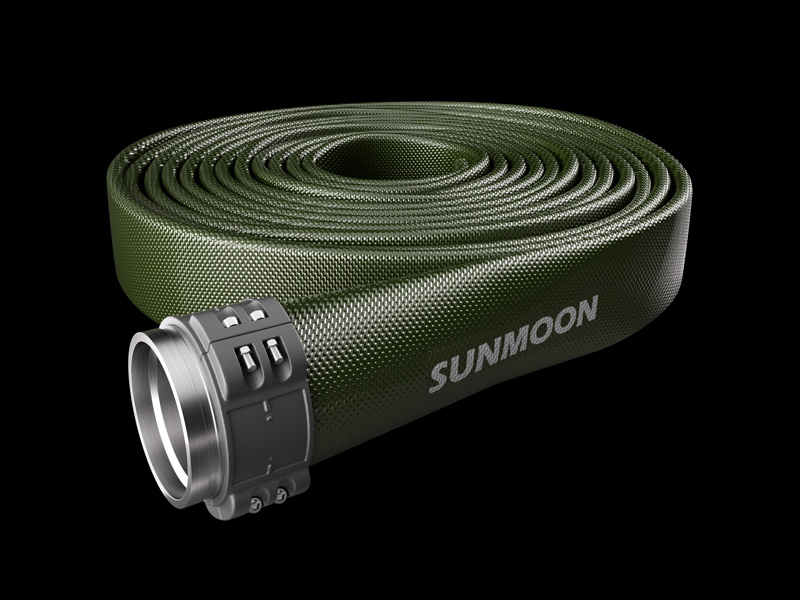
Russian operators often work in Siberia, the Arctic, offshore fields, and remote onshore basins where winter temperatures plunge well below freezing and access is difficult. In these conditions, hose failures can halt production, threaten safety, and dramatically increase maintenance costs.[5]
- Hoses must remain flexible in low temperatures, resist kinking and crushing, and maintain internal integrity under dynamic pressure loads.[1]
- The rise of enhanced recovery methods, high‑volume fracking, and long‑distance water and oil transfer lines is driving greater interest in high‑performance TPU layflat hoses from specialized Oil Hose Manufacturers and Suppliers.[4][5]
Oil Hose Manufacturers and Suppliers serving Russian projects must cover a wide spectrum of applications, each with its own technical challenges.
In drilling and production, hoses are used for drilling mud circulation, cementing, blowout preventer connections, well service fluids, and fuel delivery to rigs. Hoses in this segment face constant vibration, pressure pulsation, and exposure to drilling chemicals and hydrocarbons.[5][2]
- Flexible high‑pressure hoses connect pumps, manifolds, and downhole tools, requiring high burst pressures and strict quality control.[2]
- TPU layflat Oil Hose Manufacturers and Suppliers can support high‑volume water or oil transfer between wells and central handling facilities, replacing rigid pipes and reducing logistics costs.[4][5]
Midstream pipeline operators and refineries use hoses for temporary bypass lines, loading and unloading, and emergency response where rigid pipelines are not practical.[5]
- Large‑diameter layflat hoses provide high flow capacity for bypassing pipeline sections during maintenance or repairs.[6][5]
- Oil Hose Manufacturers and Suppliers able to provide customized coupling systems and rapid‑deployment hose reels help operators minimize downtime.
Beyond oil and gas, Russian mining, heavy construction, and municipal sectors use hoses for fuel supply, hydraulic power, dewatering, slurry transport, and firefighting.[3]
- High‑pressure hydraulic hoses connect cylinders, excavators, cranes, and other machinery in harsh working environments.[7][3]
- TPU and rubber hoses handle abrasive slurries and contaminated water, supporting tailing management and mine dewatering.[1][4]
Several domestic and international Oil Hose Manufacturers and Suppliers jointly support Russia's diverse industrial needs.
HYDROSTAR is a Saint Petersburg–based company involved in the production and commercial distribution of rubber products, hose products, and related assemblies. It supplies hoses and fabricated rubber components to a broad industrial customer base across Russia and neighboring countries.[8]
- HYDROSTAR focuses on high‑pressure hoses and assembled hose systems adapted to Russian industrial standards and end user requirements.[8]
- Its local presence allows faster response to urgent orders, replacement needs, and project‑specific configuration requests.
PTK KRPMS (often branded KRPMS) offers production, repair, and sales of hydraulic components and high‑pressure hoses, including custom assemblies built to customer drawings and dimensions. The company maintains a wide range and constant stock of high‑pressure hose products for fast supply to many regions.[3]
- KRPMS is a key contact point for industrial customers needing tailored hose solutions that integrate smoothly with existing hydraulic systems and heavy equipment.[3]
- For foreign Oil Hose Manufacturers and Suppliers, KRPMS can act as a local partner, integrating imported hoses into complete assemblies and handling service.
A number of Chinese manufacturers serve as important external Oil Hose Manufacturers and Suppliers for Russian distributors and EPC contractors, leveraging cost‑effective production and broad product lines.
- Sinopulse provides hydraulic and industrial hoses, couplings, and assemblies and actively targets the Russian market with a modern factory and warehouse system.[2]
- HYRUBBERS exports hydraulic hose, rubber hose, LPG hose, and oil suction hose to many regions including Russia.[9]
- Gushan Rubber supplies hydraulic hose solutions suitable for heavy machinery and industrial equipment worldwide.[10]
- StrongFlex offers a comprehensive hydraulic hose range designed for safe and reliable fluid delivery in demanding environments.[7]
These international vendors work alongside Russian importers and fabricators, expanding the choices available from global Oil Hose Manufacturers and Suppliers.
Sunmoon is an engineering‑driven manufacturer that specializes in TPU layflat hose for oil and gas, shale gas water transfer, mining, municipal engineering, and firefighting. Founded in 2011 in Jiangsu Province, China, the company has built a reputation for high‑pressure large‑diameter hoses and customized solutions tailored to demanding fluid transfer needs.[11][12][13][14][6]
Sunmoon focuses on TPU layflat hose, anti‑oil delivery flat hose, pipeline repair flat hose, slurry hose, and NBR LDH fire hose. These products are built on multiple production lines designed for consistent quality and high output.[12][6]
- The company holds ISO 9001 quality management, ISO 14001 environmental, and ISO 45001 occupational health and safety certifications, giving buyers confidence in its process control.[13][6]
- Sunmoon also develops PE aramid‑reinforced layflat hoses for ultra‑high‑pressure and long‑distance applications where both strength and flexibility are crucial.[6]
TPU layflat hoses from Sunmoon offer high tensile strength, excellent abrasion and oil resistance, and low weight compared with many traditional hose materials. In Russian conditions, these attributes directly translate into easier logistics and higher reliability.[6][1][5]
- The smooth inner bore helps minimize pressure loss over long distances, improving pump efficiency and reducing energy consumption.[1][4]
- Large‑diameter hoses reduce the number of lines and connection points, helping to cut potential leak locations and installation time for field crews.[14][5]
Real‑world projects have shown that TPU layflat hoses can perform reliably in oil and gas fields under cold, abrasive, and high‑pressure conditions. They have been used as oil transfer lines in global energy projects for rapid deployment where rigid pipelines are impractical.[5]
- Hoses can be deployed from reels over long distances, then recovered and reused, offering lifecycle cost advantages for mobile operations and seasonal campaigns.[6][5]
- For Russian operators, this flexibility fits well with temporary pads, remote access, and evolving production layouts.
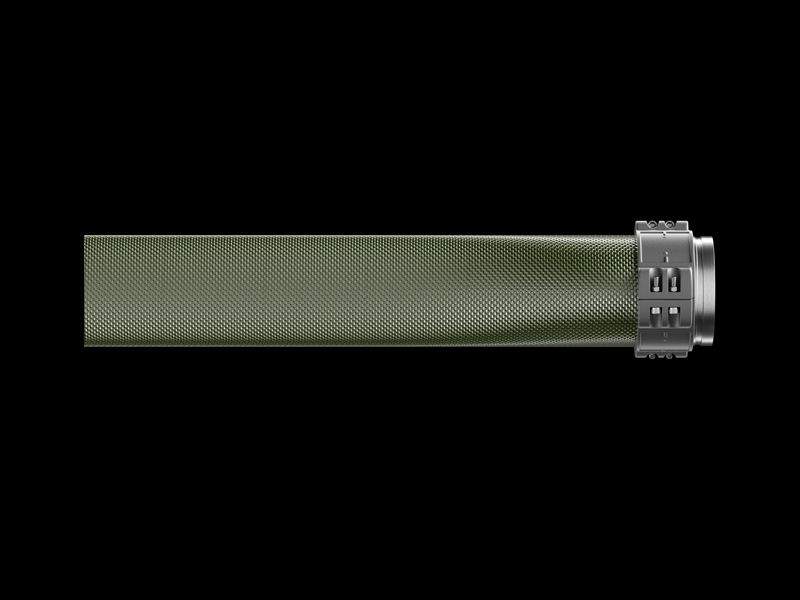
Choosing the right Oil Hose Manufacturers and Suppliers is a strategic decision that affects uptime, safety, and operating costs. Russian buyers should apply structured criteria when evaluating potential partners.
- Material selection: Determine whether rubber, thermoplastic, or TPU is best suited for the medium (oil, fuel, chemicals, produced water, slurry) and the temperature range involved.[4][1]
- Reinforcement structure: Consider textile, steel wire, or aramid reinforcement depending on required working pressure, impulse resistance, and flexibility.
- Temperature tolerance: Confirm performance at both low and high extremes, with particular focus on sub‑zero flexibility and resistance to thermal aging near hot surfaces.[1]
- Certifications such as ISO 9001, ISO 14001, and ISO 45001 indicate that Oil Hose Manufacturers and Suppliers follow recognized standards for quality, environment, and safety.[4][6]
- Buyers should request test reports, including burst pressure, impulse cycles, and chemical compatibility tests, to ensure hoses meet project specifications and applicable regulations.[1][4]
- Local stock and short production lead times are essential to minimize downtime in case of unexpected failures or scope changes.[3][2]
- Training, installation guidance, and after‑sales support from Oil Hose Manufacturers and Suppliers or their Russian partners help crews get maximum service life from each hose system.[2][6]
Beyond basic product selection, engineering details have a significant impact on hose performance and reliability in Russian projects.
Correct sizing ensures optimal flow rates and manageable pressure drop in long hose runs. Oversized hoses may be heavier and more expensive than necessary, while undersized hoses increase friction losses and energy costs.[1]
- Engineers should calculate required flow rates, acceptable pressure loss, and pump capabilities to determine the correct internal diameter and hose length.[4][1]
- Working pressure and safety margins must align with system maximums, accounting for transient spikes and dynamic loads.
Couplings and fittings are often the weakest points in hose systems, so they must be selected and assembled carefully.
- Oil Hose Manufacturers and Suppliers that provide integrated hose‑and‑coupling solutions reduce the risk of mismatched components and leaks.[7][2]
- Proper crimping, testing, and marking of assemblies help field personnel install and maintain the system correctly.
The best hoses can fail prematurely if mishandled or improperly stored. Russian operators should implement clear handling and inspection procedures.
- Hoses should be stored away from direct sunlight, sharp edges, and chemicals that could attack the outer cover.[1]
- Regular visual inspections for cuts, blisters, soft spots, and coupling damage help identify early signs of degradation before catastrophic failure.
Oil Hose Manufacturers and Suppliers worldwide are responding to global energy trends, environmental regulations, and digitalization, and these shifts will also shape the Russian market.
Market analyses show that TPU hoses and tubes are experiencing strong growth thanks to improved flexibility, chemical resistance, and abrasion performance. These materials align well with Russian requirements for long‑distance transfer, difficult terrain, and harsh climates.[4][1]
- As operators seek to reduce maintenance and replacement frequency, interest in premium hoses with longer service life is expected to rise.[1]
- Engineering‑driven companies like Sunmoon are likely to play a larger role as Oil Hose Manufacturers and Suppliers offering advanced TPU layflat solutions tailored to high‑demand projects.[6]
Stricter environmental expectations are pushing operators to minimize leaks, spills, and waste related to hose failures.[15]
- Oil Hose Manufacturers and Suppliers are investing in thicker outer covers, improved bonding technologies, and more robust reinforcement to extend service life.[4][1]
- Reusable hose systems, easier recyclability, and optimized designs that reduce material usage are becoming points of differentiation.
Digital transformation is reaching hoses through embedded sensors and external monitoring systems.
- Smart hoses can provide data on pressure, temperature, and flow, allowing operators to track real‑time performance and plan predictive maintenance.[16][1]
- For remote Russian fields, this technology helps reduce inspection trips and improve safety by identifying anomalies before failure.
Russia's oil, gas, mining, and industrial sectors depend on a robust network of Oil Hose Manufacturers and Suppliers to keep operations running safely and efficiently. Domestic producers such as HYDROSTAR and PTK KRPMS complement international brands from China and other regions, offering a spectrum of options from conventional rubber hoses to advanced high‑pressure products.[10][8][7][3][2]
Engineering‑driven TPU specialists like Sunmoon bring additional value by supplying large‑diameter, high‑pressure layflat hoses that significantly simplify logistics and deployment in harsh Russian environments. By carefully evaluating materials, certifications, service capabilities, and long‑term performance, Russian project owners and EPC contractors can select Oil Hose Manufacturers and Suppliers that support safer operations, lower lifecycle costs, and greater flexibility in both current and future energy projects.[11][12][5][6][4][1]

Russian projects commonly use rubber and steel‑reinforced hoses for hydraulic systems, fuel lines, and fixed refinery or plant applications because of their established performance and availability. In parallel, TPU layflat hoses are increasingly deployed for long‑distance transfer lines and temporary pipelines where low weight, easy handling, and high abrasion resistance offer clear advantages.[3][5][2][4][1]
TPU layflat hoses combine high tensile strength, excellent oil and chemical resistance, and good flexibility in low temperatures, which suits Russia's challenging climates. They are easier to transport and deploy than many rigid or heavy hoses, helping operators reduce logistics costs and speed up setup and retrieval in remote fields.[5][6][4][1]
Foreign Oil Hose Manufacturers and Suppliers usually cooperate with Russian distributors, assembly houses, and equipment OEMs that manage local certification, warehousing, and service. Through these partnerships they can deliver customized hose assemblies, provide engineering support, and ensure that products meet Russian standards and operating requirements.[7][2][3]
Buyers should request ISO‑based certification, pressure and impulse test reports, chemical compatibility data, and material specifications for each hose type. This documentation confirms that hoses can withstand the expected pressures, temperatures, and media throughout their intended service life in demanding Russian environments.[6][4][1]
Stricter environmental expectations and ongoing digitalization will push Oil Hose Manufacturers and Suppliers to develop longer‑lasting, lower‑leak hoses with better monitoring capabilities. Expect wider adoption of advanced TPU materials, improved reinforcement designs, and smart hose systems that enable predictive maintenance and improved safety in remote Russian operations.[15][16][4][1]
[1](https://www.archivemarketresearch.com/reports/tpu-hoses-and-tubes-77901)
[2](https://www.sinopulse.cn/professional-hydraulic-hose-manufacturer-for-russia/)
[3](https://www.krpms.com)
[4](https://www.reportsanddata.com/report-detail/tpu-layflat-hose-market)
[5](https://www.richkindhose.com/portal/cases/detail.html?id=5)
[6](https://www.sunmoonhose.com)
[7](https://www.strongflex.com/hydraulic-hose/)
[8](http://www.hydrostar.ru/e_index.html)
[9](https://www.hyrubbers.com/hydraulic-hose-for-russia/)
[10](https://gushanrubber.com)
[11](https://www.sunmoonhose.net)
[12](https://www.sunmoonpipe.com)
[13](https://www.made-in-china.com/showroom/kevin9277/)
[14](https://www.linkedin.com/company/jiangsu-sunmoon-shale-gas-high-pressure-hose-co-ltd)
[15](https://www.marketsandmarkets.com/Market-Reports/thermoplastic-polyurethanes-market-1091.html)
[16](https://www.researchandmarkets.com/reports/6117726/polyester-type-tpu-hose-market-global-forecast)


