

Views: 222 Author: Loretta Publish Time: 2026-01-22 Origin: Site


Content Menu
● Main Types of Industrial Hoses
● High Pressure Hydraulic Rubber Hose
● Specialty High-Pressure Hoses and Assemblies
● Welding, Fuel, and Compressor Hoses
>> Blue Oxygen High Pressure Hydraulic Rubber Hose
>> Red-Green Twin Welding Hose
>> Truck Fuel Tank and Fuel Transfer Hose
● Production Capabilities and Quality Assurance
● Practical Steps to Choose the Right Industrial Hose
● Take the Next Step: Get Engineering-Driven Hose Solutions
● Frequently Asked Questions (FAQ)
>> Q1. What is the difference between industrial hose and hydraulic hose?
>> Q2. Why do steam hoses require a higher safety factor?
>> Q3. When do I need a helical wire in my hose?
>> Q4. How do I choose between UHMW and XLPE for chemical hose?
>> Q5. What maintenance practices extend the life of industrial hoses?
Industrial hoses are critical components in modern fluid handling, and choosing the right industrial hose directly affects plant safety, uptime, and operating costs. This guide explains the main types of industrial hoses, their materials, applications, and selection best practices to help engineers, buyers, and maintenance teams make confident decisions.
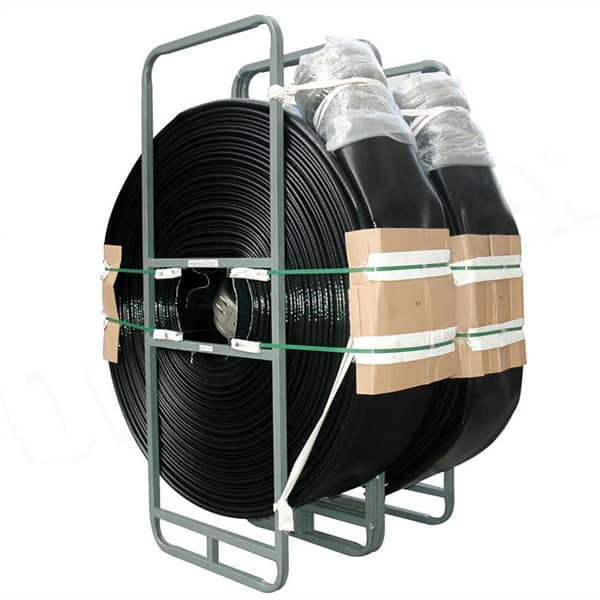
Industrial hose is a flexible tube designed to transfer liquids, gases, or granular materials under specific pressure, temperature, and chemical conditions. It is used across industries such as construction, mining, petrochemical, agriculture, food, and OEM manufacturing.
Key characteristics include:
- Material compatibility with the media (water, oil, steam, chemicals, fuels, gases)
- Pressure and temperature ratings aligned with system requirements
- Reinforcement structure (textile, steel braid, spiral, helical wire) to resist internal pressure and vacuum
The following table gives a quick overview of major industrial hose categories and their typical uses.
Hose type | Typical media | Key materials | Common applications |
High pressure hydraulic hose | Hydraulic oils, fluids | Synthetic rubber, steel | Hydraulic systems, heavy equipment |
Water hose | Water, mild liquids | EPDM, SBR, PVC | Construction, irrigation, general industry |
Steam hose | Saturated/superheated steam | EPDM, nitrile, chlorobutyl | Refineries, chemical plants, cleaning systems |
Chemical hose | Acids, alkalis, solvents | UHMW, XLPE, FEP, EPDM | Chemical transfer, loading/unloading |
Air & multi-purpose hose | Compressed air, water | Nitrile, EPDM | Shops, plants, construction, tools |
PVC hose | Water, air, light chemicals | PVC | Beverage, light chemical, general transfer |
Specialty high-pressure hose | Fuels, gases, abrasive media | Rubber, thermoplastic | Welding, drilling, fuel transfer, cleaning |
High pressure hydraulic rubber hoses carry pressurized hydraulic fluids to actuators, valves, and other components in mobile and industrial equipment. They are designed to withstand high working pressures, impulse loads, and harsh environments.
Typical features:
- Tube: oil-resistant synthetic rubber, often nitrile or similar blends
- Reinforcement: high tensile steel wire braid or multispiral steel layers
- Cover: abrasion, ozone, and weather-resistant rubber for long service life
Common applications include:
- Hydraulic systems on construction machinery, mining equipment, and industrial presses
- Gas and water supply systems transporting oils, fats, emulsions, and other fluids under pressure
For critical systems, pairing hoses with protective covers and correctly crimped assemblies is essential to reduce downtime and leakage risk.
Industrial water hoses are used for suction and discharge of water and mild liquids in a wide range of environments. They differ by material depending on whether the hose is used for suction, discharge, or general transfer.
Key constructions:
- EPDM or SBR rubber tubes for suction and transfer, offering good weather and heat resistance
- PVC constructions mainly for discharge and lighter-duty applications
Performance considerations:
- A helical wire reinforcement is required for suction applications to prevent hose collapse under vacuum.
- Correct diameter and bend radius help maintain flow and prevent kinking in temporary and fixed installations.
Steam hose transports saturated and superheated steam in demanding industrial environments. Because steam can be invisible and highly dangerous, this hose category is engineered with elevated safety margins.
Typical constructions:
- EPDM tubes for general steam applications
- Nitrile tubes when additional oil resistance is required
- Premium chlorobutyl formulations where extended life and high temperature performance are critical
Key performance data:
- Many steam hoses handle temperatures above 406°F for saturated steam and up to about 450°F for superheated steam, at pressures around 250 psi on average.
- Due to the hazard level, steam hoses often use a 10:1 safety factor, compared with the more common 4:1 for other hoses.
Proper inspection, replacement intervals, and correct coupling selection are crucial to avoid burns, line bursts, and unplanned shutdowns.
Chemical hoses are engineered to safely handle corrosive acids, alkalis, solvents, and other aggressive chemicals. Material compatibility is the primary selection factor.
Typical tube options:
- UHMW (Ultra High Molecular Weight) polyethylene for broad chemical resistance
- XLPE (Cross-linked Polyethylene) for excellent resistance to many chemicals and elevated temperatures
- Other options include FEP, high-purity EPDM for acids, and nylon for specialized paint hoses
Design considerations:
- Pressure and temperature ratings must match the chemical and operating conditions, even though very high pressure is less common in chemical transfer.
- Depending on whether the hose is used for suction and discharge or transfer only, a helical wire may be required.
Always consult chemical resistance charts and verify compatibility with the exact concentration and temperature of the media.
Air and multi-purpose hoses are used for compressed air, water, and light chemicals in workshops, plants, and mobile equipment. They cover a broad range of pressures and constructions.
High-pressure segment:
- Steel-braided nitrile hoses can handle up to about 1,500 psi air, which is extremely high for air service.
- Common in heavy construction, mining, quarries, and mills where long runs and tough conditions exist.
Medium and general duty:
- Medium-duty hoses typically use nitrile tubes and covers for oil resistance, fabric braid reinforcement, and pressures around 400–600 psi.
- In the 200–300 psi range, EPDM or nitrile tubes provide shop air and water service with varying levels of oil resistance and cost.
Choosing the proper rating reduces energy loss, prevents hose whip, and improves tool performance.
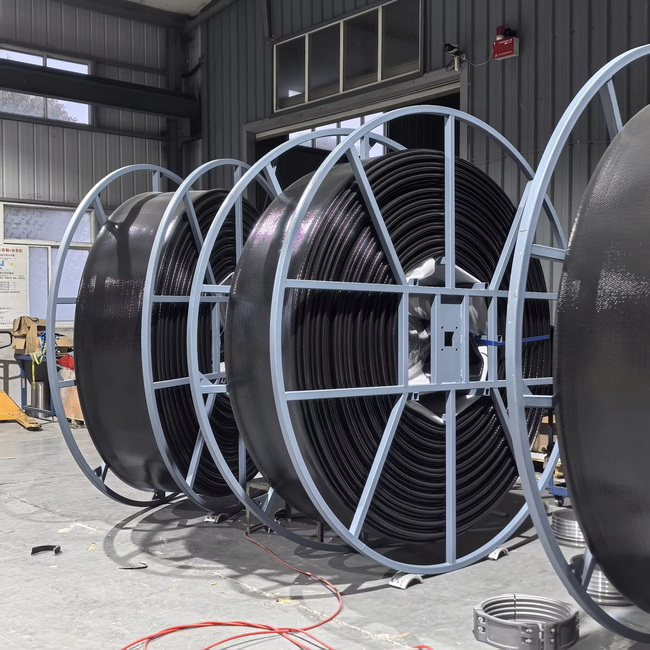
Industrial PVC hoses are lightweight, flexible, and cost-effective for a wide range of light- to medium-duty tasks. This category is defined more by material (PVC) than by a single application.
Common uses:
- Potable water supply and beverage dispensing
- Chemical dispensing, multipurpose air and water service
- Light industrial and agricultural transfer applications
PVC hoses are often transparent or translucent, allowing visual inspection of flow and contamination, which improves process monitoring and hygiene control.
Beyond standard categories, there are specialty high-pressure hoses designed for specific applications and extreme conditions. These products can be rubber, thermoplastic, or composite, depending on the requirement.
Examples include:
- Ultra high-pressure hoses for water cutting and high-pressure cleaning systems
- Rotary drilling and oil drilling hoses for severe conditions in energy applications
- Concrete pump and suction/discharge hoses for abrasive slurries
Professional production capabilities, such as fast cutting and crimping, custom fittings, and quality-marked assemblies, are crucial when these hoses are integrated into complex hydraulic systems.
Several specialized hose types support welding, fuel handling, and compressed air services. These hoses must withstand specific media and environmental stresses.
This hose type is mainly used to convey oxygen and acetylene gases for welding and cutting equipment. It combines flexibility with robust mechanical performance.
Key construction:
- Tube: NR & SBR synthetic rubber, black
- Reinforcement: high tensile synthetic yarn, braided or spiraled
- Cover: NR & NBR synthetic rubber, typically red and blue, with abrasion and weather resistance
It offers pressure resistance, light weight, anti-bending properties, and smooth surface finish, with standard lengths of 30 m, 50 m, and 100 m and a temperature range from about -20ºC to +60ºC.
Twin welding hoses are designed for simultaneous transport of oxygen and acetylene to cutting and welding torches. The twin format simplifies routing and reduces tangling.
Characteristics:
- Tube: NR & SBR synthetic rubber, black
- Reinforcement: high tensile synthetic yarn, braided or spiraled
- Cover: NR & NBR synthetic rubber in red & blue or red & green color combinations
These hoses are abrasion, weather, and ozone resistant, with standard lengths similar to single welding hoses and a temperature range from -20ºC to +60ºC.
Fuel hoses handle gasoline, diesel fuel, lubricants, and other mineral oils in tank trucks, loading terminals, and petrochemical plants. Proper compatibility with hydrocarbons and resistance to permeation are essential.
Typical related products:
- Truck fuel tank hose and general fuel rubber hose
- Oil suction and discharge hoses for loading and unloading operations
- PVC suction hose for lighter fuel and oil transfer duties
Correct grounding, coupling selection, and inspection routines help reduce static build-up and spill risks.
Air compressor hoses are designed for compressed air distribution and may also be exposed to fuel vapors and oils. They are widely used in industrial plants and mobile equipment.
Construction details:
- Tube: SBR synthetic rubber
- Reinforcement: high tensile synthetic yarn
- Cover: black neoprene rubber, resistant to oil, ozone, weather, and abrasion
Typical temperature range is approximately -40°C to +100°C, supporting operation in cold climates and high-duty indoor environments.
Reliable industrial hose performance depends not only on design, but also on manufacturing capabilities and quality control. Strong production infrastructure supports fast delivery and consistent performance.
Key capabilities include:
- Fast production: branches equipped with cutting devices and crimping machines can supply hydraulic, thermoplastic, PTFE, and other hose assemblies in short lead times.
- Hose assembly protective covers (metal, heat-shrink, plastic, fabric, thermal) that significantly extend service life in abrasive, hot, or outdoor environments.
- In-house production of customized hydraulic fittings tailored to customer design and material specifications.
Each hose assembly can be marked for easy identification, and quality certificates are available on request to support traceability and compliance.
To improve safety and reliability, use a structured process when selecting industrial hoses for your system.
Define the media:
- Identify whether the hose will carry water, oil, chemicals, steam, fuels, gases, or abrasive mixtures.
- Check concentration, temperature, and potential contaminants for accurate material selection.
Specify pressure and temperature:
- Confirm working pressure and any pressure spikes or pulsations.
- Verify operating and maximum temperature ranges for both media and environment.
Determine suction vs discharge:
- For suction or vacuum service, select hoses with helical wire reinforcement to prevent collapse.
- For discharge or transfer only, lighter constructions may be sufficient.
Consider environment and mechanical stress:
- Evaluate exposure to UV, ozone, abrasion, oils, and chemicals.
- Check required bend radius, routing path, and frequency of movement or vibration.
Plan for assembly and maintenance:
- Choose compatible fittings and proper crimping or clamping methods.
- Implement routine inspection, replacement intervals, and labeling for easy identification.
For complex or high-risk applications such as steam, chemicals, and high-pressure hydraulics, always consult manufacturer data sheets and, when necessary, technical support.
Selecting and configuring industrial hoses correctly is essential for safety, efficiency, and long-term reliability. To optimize your system, reduce failures, and match hose types precisely to your operating conditions, contact an engineering-driven hose manufacturer and share your media, pressure, temperature, and installation requirements. A dedicated technical team can help you design and supply complete hose and assembly solutions that are tailored to your application and ready to support global operations.
Contact us to get more information!
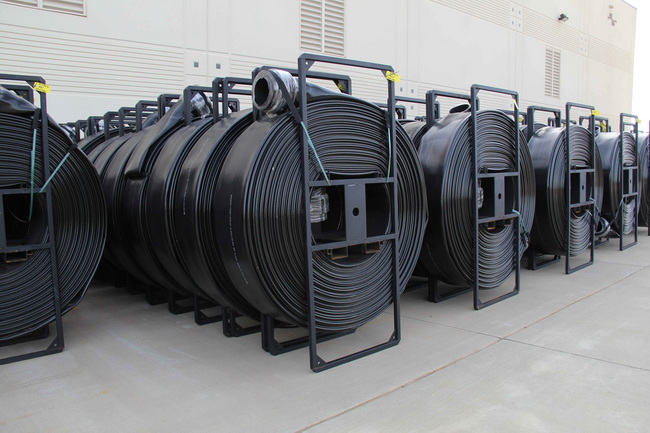
Industrial hose is a broad category covering non-metallic hoses for water, air, steam, chemicals, fuels, and more, while hydraulic hose is specifically designed for high-pressure hydraulic fluid power applications.
Steam hoses often use a 10:1 safety factor because high-temperature steam is extremely dangerous, can be invisible, and failures can cause severe burns and equipment damage.
A helical wire is needed when the hose is used for suction or vacuum service to prevent the hose from collapsing under negative pressure, especially in water and chemical transfer.
Both UHMW and XLPE offer strong chemical resistance; selection depends on the specific chemical, concentration, and temperature, so it is important to cross-check with the manufacturer's chemical resistance data.
Regular visual inspection, pressure testing where appropriate, use of protective covers, proper routing with sufficient bend radius, and timely replacement based on service hours and environment significantly extend hose life.


