

Views: 222 Author: Loretta Publish Time: 2025-12-27 Origin: Site


Content Menu
● What Are Garden Hose Fittings
● Common Types of Garden Hose Fittings
● Standard Garden Hose Fitting Sizes
● Thread Standards Across Regions
● How to Measure Garden Hose Fitting Size
● How to Choose the Right Hose Fitting Size
● TPU Layflat Hose Compatibility and Benefits
● Installation Steps for Garden Hose Fittings
● Maintenance and Storage Tips
● Troubleshooting Common Hose Fitting Issues
● Take Action: Upgrade Your Hose System Today
● FAQ
>> 1. What is the most common garden hose fitting size?
>> 2. Are GHT and NPT fittings interchangeable?
>> 3. What makes TPU layflat hoses superior to conventional hoses?
>> 4. How can I measure fitting size easily?
>> 5. Are plastic connectors reliable under pressure?
Garden hose fitting sizes play a vital role in ensuring leak-free and efficient water flow for gardening, cleaning, and irrigation. Selecting the correct garden hose fitting size prevents pressure loss, extends hose life, and improves overall performance. This complete guide explains fitting types, standards, and modern TPU hose innovations that are shaping the next generation of hose systems.

Garden hose fittings are connectors that attach hoses to faucets, nozzles, or sprinklers. They ensure a solid, watertight connection, allowing smooth water flow under varying pressure conditions. Reliable fittings are essential for preventing leaks and conserving water.
Main functions include:
- Connecting hoses to other accessories seamlessly.
- Supporting secure, high-pressure flow without disconnections.
- Offering compatibility between different hose materials and diameters.
Fittings are typically made from brass for strength and corrosion resistance or plastic for lightweight use. Both materials can provide excellent sealing when appropriately installed.
Understanding the different fitting types helps users avoid mismatches and leakage issues.
- Male Hose Thread (MHT): External threads that screw into female ports; common on faucets.
- Female Hose Thread (FHT): Internal threads designed to connect to male fittings; seen on nozzles or accessories.
- Quick-Connect Fittings: Allow fast, tool-free connections for people who frequently change attachments.
- Adapters and Converters: Bridge size or thread differences between hoses and devices.
Garden hose fitting sizes vary globally, but 3/4-inch GHT (Garden Hose Thread) is the most widely used standard across households and commercial environments.
Common hose diameters include:
- 1/2-inch: Ideal for compact gardens or patio watering.
- 5/8-inch: Balanced water output, suitable for most general purposes.
- 3/4-inch: High-volume flow for large lawns, agricultural, or industrial use.
Hose Diameter | Flow Rate (GPM at 60 PSI) | Ideal Application | Fitting Standard |
1/2 inch | 5–9 | Small gardens, balconies | 3/4" GHT |
5/8 inch | 10–15 | Daily gardening, residential | 3/4" GHT |
3/4 inch | 16–22 | Farms, commercial cleaning | 3/4" GHT |
Different countries follow distinct thread specifications. Recognizing thread types ensures proper compatibility.
Thread Type | Outer Diameter (inches) | Threads Per Inch | Region | Note |
3/4" GHT | ≈ 1.06 | 11.5 | US/North America | Straight thread |
1/2" NPT | ≈ 0.84 | 14 | Industrial, global | Tapered thread |
3/4" BSP | ≈ 1.04 | 14 | UK/Europe | Parallel or tapered |
- GHT (Garden Hose Thread): The US standard for all residential garden systems.
- NPT (National Pipe Thread): Common in industrial setups; not compatible with GHT without an adapter.
- BSP (British Standard Pipe): The UK and EU standard, requires conversion fittings for GHT connections.
Accurate measurement guarantees leak-free setup. Follow these quick steps:
1. Measure Hose Inner Diameter (ID): Cut a clean edge and measure the inner pipe diameter using calipers.
2. Check Male Threads: Measure the outer diameter and count threads per inch (TPI).
3. Check Female Threads: Measure the inner diameter and verify TPI matches.
4. Compare with Standard Tables: Use standard sizing charts to determine the exact fit.
Pro Tip: Measuring both ends of your hose avoids cross-standard errors.
The appropriate choice depends on usage, environment, and system requirements.
- Match the fitting to the hose's inner diameter for optimal flow.
- Use brass fittings for durability under high-pressure conditions.
- Plastic fittings are useful for lightweight and temporary setups.
- Always confirm PSI ratings and temperature resistance according to product specifications.
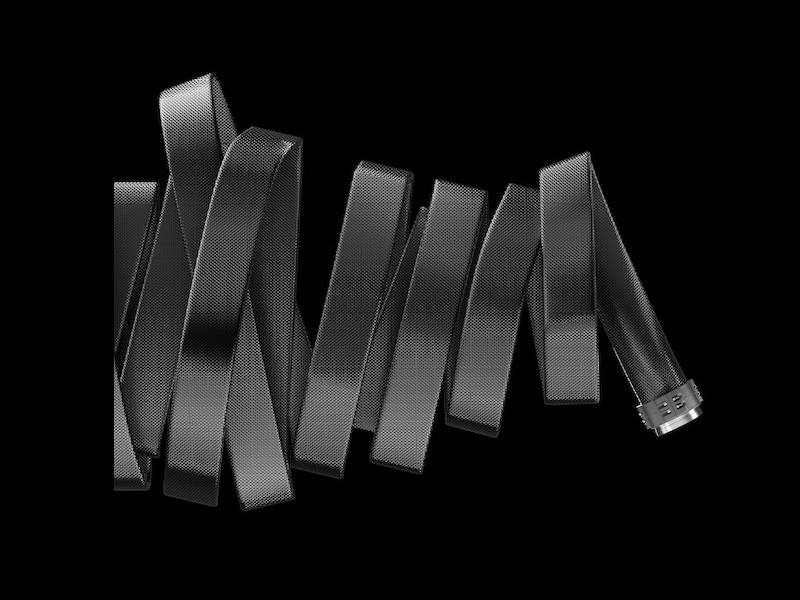
Modern hoses, especially TPU layflat hoses, provide new performance standards. TPU (Thermoplastic Polyurethane) blends flexibility with outstanding durability—making it ideal for agriculture, mining, firefighting, or municipal water transport.
Key benefits include:
- Resistance to abrasion, oil, and UV exposure.
- Compact flat design for easy rolling and space-saving storage.
- Wide working temperature range from -50°F to 176°F.
- Lightweight yet strong with burst pressures up to 630 PSI.
TPU Hose Diameter | Working Pressure (PSI) | Weight (kg/m) | Application |
1 inch | 150–240 | 0.2–0.3 | Garden and irrigation |
4 inch | 240–420 | 1.0–1.8 | Construction, farming |
6 inch | 240–630 | 2.0–4.0 | Firefighting, heavy industry |
A good installation ensures efficiency and longevity.
1. Clean the hose end and cut it flat.
2. Push or thread the connector carefully into place.
3. Hand-tighten, then secure further with a wrench if needed.
4. Apply PTFE tape on threaded ends to enhance sealing.
5. Test under low pressure, check for leaks, and tighten again if necessary.
For TPU hoses, lubricate the connection area slightly to make assembly smoother.
Routine maintenance helps prolong your hose life.
- Clean dirt and mineral buildup from connectors regularly.
- Drain hoses after each use and roll them smoothly without twisting.
- Store indoors or in shaded areas during winter to prevent cracking.
- Check for worn threads and replace damaged fittings promptly.
Problem | Likely Cause | Recommended Fix |
Leaky threads | Loose or worn connection | Reapply PTFE tape or replace fitting |
Size mismatch | Different standards | Use correct adapters |
Burst at fitting | Wrong diameter or cheap material | Switch to brass or TPU hose |
Kink near joint | Improper installation | Re-cut hose and re-mount securely |
Expert Tip: For TPU hoses, inspect internal reinforcement layers once a year to ensure consistent pressure resistance.
Choosing the right garden hose fitting size prevents leaks, saves water, and boosts system performance. If you're ready to experience next-level efficiency and durability, switch to TPU layflat hoses matched with precision-engineered fittings. For custom solutions or bulk orders, reach out to your trusted supplier today and enhance your irrigation setup with long-lasting, eco-friendly technology.
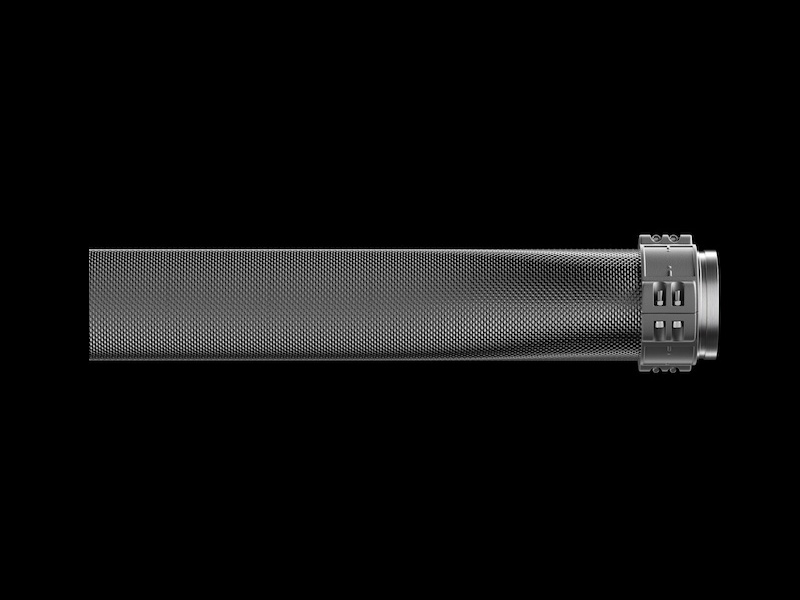
The standard fitting size for most residential hoses is 3/4-inch GHT with 11.5 TPI, used predominantly in the US and Canada.
No, they are not. GHT uses straight threads, while NPT uses tapered ones. To connect them, you need a reliable adapter.
TPU layflat hoses are lightweight, flexible, UV-resistant, and can handle higher pressure while maintaining compact storage.
A pair of vernier calipers and a simple pitch gauge are all you need to measure diameter and thread count precisely.
Yes, high-quality plastic connectors work well for residential or low-pressure tasks, but brass fittings are better for intense use.


