

Views: 222 Author: Loretta Publish Time: 2026-01-21 Origin: Site


Content Menu
● Main Applications of Water Hoses
● Overview of Common Water Hose Types
● Industrial Rubber Water Hoses
● Garden, Spray, and Washdown Hoses
● Material Comparison: PVC, Rubber, TPU, and Metal
● TPU Lay Flat Hoses: A High-Performance Option
● How to Choose the Right Water Hose
>> 2. Specify Pressure and Flow
>> 3. Determine the Temperature Range
>> 4. Check Mechanical and Environmental Conditions
>> 5. Plan Installation and Storage
>> 6. Calculate Total Cost of Ownership
● Best Practices for Using and Maintaining Water Hoses
● When TPU Lay Flat Hoses Are the Smart Upgrade
● Take the Next Step for Reliable Water Transfer
>> 1. Which type of water hose lasts the longest?
>> 2. Are TPU lay flat hoses worth the higher upfront cost?
>> 3. Can the same hose be used for both suction and discharge?
>> 4. Is PVC safe for potable water?
>> 5. How often should industrial water hoses be inspected?
Water hoses come in many forms, including PVC, rubber, metal, lay flat, suction and discharge, washdown, pressure washer, and advanced TPU lay flat hoses. Choosing the right type depends on the fluid, pressure, temperature, flexibility, and required service life, especially in demanding industrial and agricultural environments.
Water hoses are flexible conduits used to transport water or other compatible liquids for supply, discharge, cleaning, irrigation, and process applications. They are widely used in homes, agriculture, construction, mining, firefighting, oil and gas, and many other industries where controlled water transfer is required.
In industrial settings, hoses can also convey certain low-temperature media such as specific petroleum products and chemicals when the hose material is compatible. In residential and agricultural environments, common uses include garden irrigation, car washing, crop spraying, and draining or filling tanks and ponds.
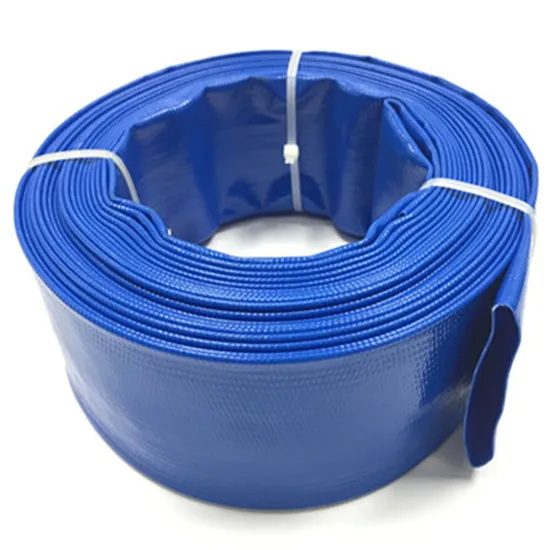
Water hoses serve many different application scenarios, and matching hose type to use case is critical for safety and longevity.
- Domestic water and wastewater transport, such as garden watering, small drainage, and car washing
- Agricultural irrigation, fertilizer delivery, and pesticide spraying with spray hoses or lay flat hoses
- Construction water supply, dewatering, and discharge using suction and discharge hoses
- Factory cleaning using washdown hoses and high-pressure jet washer hoses
- Industrial and mining water transfer, including high-pressure, long-distance pipelines with rubber, PVC, or TPU lay flat hoses
For better user experience, a simple line diagram can be placed here that shows a building site, a farm, and a factory, each labeled with the hose types commonly used in that environment.
The following table summarizes the most common water hose types and their typical strengths.
Hose type | Typical material | Main strengths | Typical uses |
PVC water hose | PVC | Lightweight, low cost, good flexibility | Garden, light-duty water transfer |
Rubber water hose | NR / SBR rubber | Good temperature and pressure resistance | Industrial water, air, multipurpose |
Metal water pipe / hose | Copper, stainless, galvanized steel | High temperature and pressure, long life | Hot water systems, critical fluids |
PVC lay flat hose | PVC with textile reinforcement | Easy to deploy and rewind, economical | Irrigation, dewatering, temporary lines |
TPU lay flat hose | TPU with polyester jacket | Very high wear, UV, and chemical resistance, long life | Mining, oil and gas, high-duty transfer |
Suction and discharge hose | Rubber with helix wire | Handles vacuum and pressure, robust structure | Pump suction, tank trucks, construction |
Garden / spray hose | PVC or rubber | Good handling, compatible with nozzles and reels | Home gardens, landscaping |
Washdown / pressure washer hose | Rubber or thermoplastic | High pressure, abrasion-resistant cover | Factory cleaning, pressure washing |
A comparative bar chart can be inserted near this table to show relative scores for cost, durability, flexibility, and pressure rating for PVC, rubber, metal, and TPU hoses.
PVC water hoses are among the most widely used types for domestic water and wastewater transport because they are lightweight, corrosion-resistant, and cost-effective. This kind of hose is frequently seen in gardens, small drainage tasks, and light-duty industrial water transfer where pressures and temperatures are moderate.
Key advantages of PVC hoses include:
- Low weight and easy handling for homeowners and workers
- Good resistance to many non-aggressive chemicals and general weathering in typical outdoor use
- Competitive cost, which makes them attractive for large-scale irrigation systems on a budget
However, PVC hoses offer only moderate temperature resistance and may harden or age faster when exposed to strong sunlight, high temperatures, or aggressive media. For long-term heavy-duty or high-temperature service, more robust materials such as rubber or TPU are usually the better choice.
Metal water pipes and certain flexible metal hoses are usually made from copper, stainless steel, or galvanized steel and are selected for applications that require high pressure, high temperature, or strict safety standards. They are widely used in hot water supply systems, boiler connections, and critical fluid lines in industrial plants.
Metal systems offer long service life, excellent pressure capacity, and superior temperature tolerance compared with most plastic hoses. On the other hand, they are heavier, more rigid, and generally more expensive, and they often require professional installation and corrosion control measures depending on the water quality and environment.
Rubber water hoses are mainly used in industrial environments where higher pressure, temperature variation, and mechanical robustness are required. Typical constructions use NR or SBR rubber tubes with multiple plies of high-strength synthetic fiber reinforcement and sometimes helix steel wire when suction capability is needed.
Common industrial rubber water hose designs include:
- Water suction and discharge hose (150 psi / 300 psi), used for pumps, tank trucks, and construction dewatering
- Water delivery hose (150 psi / 300 psi), used for pressure discharge lines without suction duty
- Multipurpose hose, capable of handling water, air, and some inert fluids for tools and general utility service
Rubber hoses often provide better high-temperature performance and fatigue resistance compared with PVC, but they are heavier and may require more effort to handle, especially over long distances.
Suction and discharge hoses are designed to handle both vacuum and discharge pressure, usually in pump systems for industrial and construction sites. They typically incorporate a smooth rubber tube, textile reinforcement, and a helix steel wire to prevent the hose from collapsing under suction.
Typical duties for these hoses include:
- Pumping water out of excavations, pits, ponds, and tanks
- Acting as temporary bypass lines in municipal water or wastewater projects
- Providing bulk transfer of water for construction, industrial, and emergency operations
A simple cross-section schematic can be inserted here to show the tube, reinforcement, and helix wire, helping users understand why these hoses can safely handle suction as well as discharge.
Garden and spray hoses are designed for convenient handling, good kink resistance, and easy connection to quick couplers, spray guns, and nozzles. They are widely used for home gardens, landscaping, small-scale agricultural plots, and light washdown tasks.
In factories and food processing facilities, washdown hoses and pressure jet washer hoses deliver pressurized water for cleaning equipment surfaces, floors, and processing areas. These hoses usually feature abrasion-resistant covers and high flexibility so they can withstand frequent movement, dragging, and intermittent high-pressure operation.
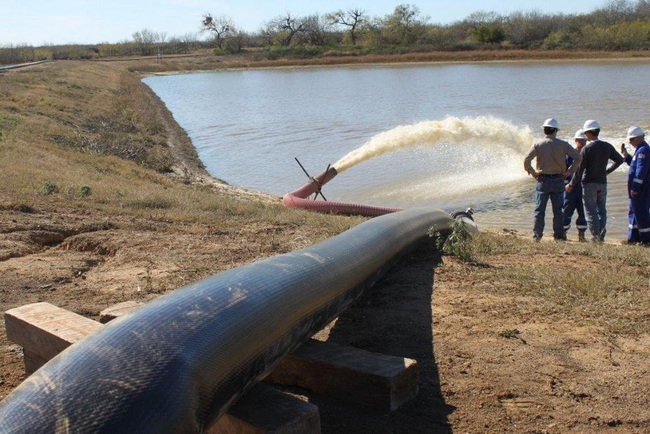
The following decision table helps you quickly compare hose materials when selecting a product for your project.
Material | Flexibility | Typical pressure range | Approximate temperature range | Durability in harsh conditions | Typical service life | Typical cost level |
PVC | High | Low to medium | About -10 °C to +60 °C | Moderate, can age under strong UV and heat | Around 10 years in normal residential use | Low |
Rubber | Medium | Medium to high | About -40 °C to +70 °C | Good mechanical and fatigue resistance | Often around 5 years in heavy industrial use | Medium |
TPU | High | Medium to very high | About -40 °C to +80 °C | Excellent wear, UV, and chemical resistance | Often longer than PVC in demanding applications | Medium to high |
Metal | Low | Very high | Wide, depending on alloy and design | Excellent if corrosion is controlled | Long, often decades | High |
Service life depends heavily on pressure, temperature, medium, installation quality, and maintenance practices.
A clustered bar chart can be placed close to this table to visualize pressure rating and temperature range for each material.
TPU (thermoplastic polyurethane) lay flat hoses are engineered for demanding water transfer situations where high performance and reliability are critical. They usually feature an extruded TPU tube and cover reinforced with a circular-woven high-tenacity polyester jacket, which allows high working pressures while maintaining low weight and excellent flexibility.
Key advantages of TPU lay flat hoses include:
- Outstanding abrasion resistance, allowing safe dragging across rough ground in mining or construction sites
- Excellent resistance to many chemicals, oils, fuels, and UV exposure, making them suitable for harsh outdoor environments
- A wide temperature range, maintaining flexibility in cold climates and stability in heat
- Lightweight, compact coils that reduce transport, storage, and handling costs compared with rigid metal pipelines
TPU lay flat hoses are widely used in mining dewatering, shale fracturing water supply, large-scale agricultural irrigation, firefighting, and emergency water supply operations. In many of these fields, TPU lay flat hoses are gaining market share because they balance high performance, long life, and ease of deployment more effectively than traditional PVC or standard rubber hoses.
Selecting the right hose is a critical engineering decision and should be based on operating conditions rather than just the initial purchase price. The following steps provide a practical selection framework.
Clarify whether the hose will carry potable water, wastewater, fertilizers, chemicals, oil-containing fluids, or abrasive slurries. Always check chemical compatibility data when additives, cleaning agents, or process chemicals are present.
Determine maximum working pressure, possible surge pressure, and whether suction (vacuum) will occur at any point. For high-pressure or long-distance transfer, consider reinforced rubber hoses or TPU lay flat hoses with appropriate working and burst pressure ratings.
Record the minimum ambient temperature and maximum fluid temperature over the entire year. In cold climates or high-temperature washdown applications, avoid the lower temperature limits of basic PVC hoses and consider rubber or TPU solutions instead.
Evaluate whether the hose will be dragged across rough surfaces, subjected to vehicle traffic, exposed to strong UV, or laid over sharp ground. TPU and heavy-duty rubber constructions generally offer better wear and UV resistance for these demanding conditions.
Confirm available storage space, hose-reel compatibility, and how often the hose needs to be deployed and retrieved. Lay flat hoses, especially TPU designs, can significantly reduce storage volume and speed up deployment on large sites.
Consider not only the purchase price but also installation labor, risk of downtime, expected replacement interval, and disposal cost. For demanding applications, a higher-grade hose often delivers a lower total cost of ownership due to fewer failures and a longer service life.
A simple flowchart can be added here to guide users from application type to recommended hose category, based on pressure, temperature, and chemical exposure.
Correct use and maintenance significantly extend hose service life and reduce failure risk. Follow these best practices for better safety and reliability.
- Always operate within the hose's rated pressure and temperature range as specified by the manufacturer
- Avoid tight bends, kinking, twisting, or dragging hoses over sharp edges that can damage the cover or reinforcement
- Use suitable fittings and clamps, and ensure they are installed according to manufacturer recommendations
Routine maintenance should include:
- Flushing the hose after use to remove residues, especially fertilizers, chemicals, or sediments
- Storing hoses indoors or in cool, ventilated areas, away from direct sunlight and extreme temperatures
- Regularly inspecting hoses for external cracks, blistering, soft spots, or loose fittings, and removing any hose with abnormal wear from service
In many typical cases, PVC water hoses may provide around 10 years of service under normal residential conditions, while industrial rubber hoses often operate closer to 5 years under heavier duties. TPU and metal systems are often chosen to extend life where operating conditions are particularly harsh.
Upgrading to TPU lay flat hoses is often justified when operating conditions exceed the comfort zone of PVC or standard rubber hoses. These hoses provide an excellent combination of performance and practicality in the following situations:
- Long lines must be installed and retrieved frequently, such as seasonal irrigation or temporary dewatering
- Hoses are exposed to frequent dragging, vehicle traffic, or rocky and uneven terrain
- High working pressures, long service life, and low downtime are required in mining, oil and gas, municipal projects, or large agricultural systems
In such contexts, TPU lay flat hoses can reduce manpower, transport, and replacement costs while providing a robust, safer system with fewer unplanned stoppages. Aligning hose selection with these performance metrics supports better long-term return on investment for critical water transfer projects.
Choosing a fit-for-purpose hose system is much easier and safer when you work with an engineering-driven manufacturer that specializes in TPU lay flat hoses and other high-performance water hose solutions. If your project involves demanding water transfer, such as mining dewatering, large-scale irrigation, emergency water supply, or high-pressure temporary pipelines, contact a dedicated TPU lay flat hose manufacturer to discuss your operating conditions, request optimized hose specifications, and obtain a tailored quotation that matches your technical and commercial targets.
Contact us to get more information!
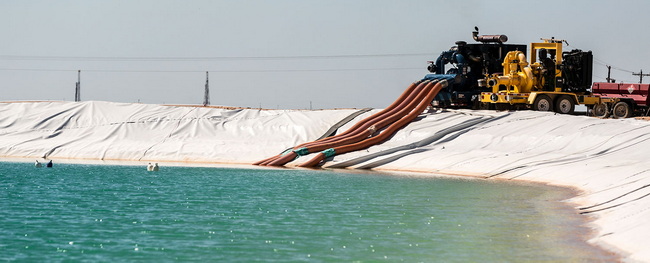
Service life depends on pressure, temperature, medium, and maintenance, but metal systems and high-grade TPU lay flat hoses typically outlast standard PVC and many rubber hoses in harsh, outdoor environments. In less demanding situations, PVC and rubber may also achieve long service life if used correctly.
TPU lay flat hoses usually have a higher initial price than basic PVC solutions, but in demanding applications with high pressure, long distances, or abrasive terrain, their superior wear, UV, and chemical resistance can reduce replacements and downtime. Over the full life cycle, they often provide a lower total cost of ownership.
Not every hose is designed for both suction and discharge. Only hoses specifically constructed for suction duty, usually with a reinforced structure and helix wire, can safely handle vacuum. Standard lay flat discharge hoses are not suitable for suction and should be used only on the pressure side of pumps.
Some PVC hoses are formulated and certified for potable water, while others are intended only for general or industrial use. Always check the manufacturer's certification and local regulations before using any hose for drinking water or food-related applications.
Industrial water hoses should be visually checked before each use and included in scheduled inspection routines. Any hose showing cracks, blisters, soft or hardened spots, bulges, or damaged fittings should be removed from service and replaced to avoid failures during operation.


