

Views: 222 Author: Loretta Publish Time: 2025-12-30 Origin: Site


Content Menu
● Definition of a Potable Water Hose
● Why Potable Water Hose Safety Matters
● Potable Water Hose vs. Garden Hose
>> Key Differences Between Potable Water Hose and Garden Hose
● TPU Layflat Potable Water Hose Solutions
● Key Features of a High‑Quality Potable Water Hose
● Typical Applications of Potable Water Hoses
● Standards and Certifications for Potable Water Hoses
● Why TPU Layflat Potable Water Hose Is Ideal for Large Projects
● Best Practices for Using a Potable Water Hose
● How to Choose the Right Potable Water Hose
● Engineering‑Driven TPU Potable Water Hose Solutions
● FAQ
>> 1. What makes a hose suitable as a potable water hose?
>> 2. Can a standard garden hose be used as a potable water hose?
>> 3. Where are potable water hoses most commonly used?
>> 4. How should a potable water hose be cleaned and stored?
>> 5. What are the advantages of TPU layflat potable water hose in large projects?
A potable water hose is a specially engineered hose used to convey clean, safe drinking water without adding taste, odor, or harmful substances. It is widely used in homes, RVs, boats, food plants, and large industrial or emergency systems where water quality is critical.
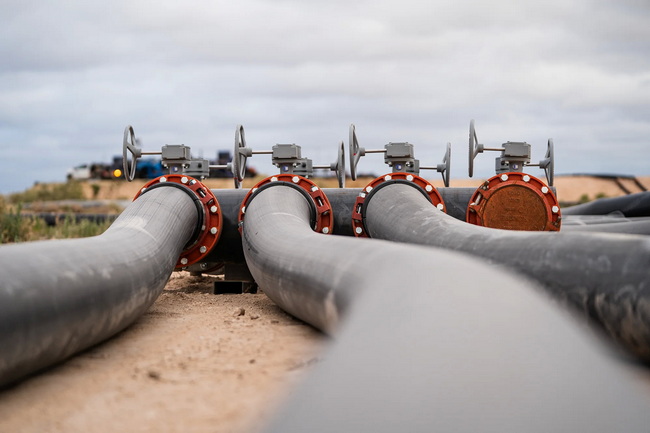
A potable water hose is designed specifically for the transfer of drinking water in residential, commercial, and industrial environments. It is manufactured from non‑toxic, tasteless, and odorless materials that will not leach harmful chemicals, heavy metals, or plasticizers into the water during service.
Unlike standard garden or utility hoses, a potable water hose typically complies with recognized drinking water standards such as NSF/ANSI 61 or similar regional regulations. These standards evaluate the hose materials for potential health effects, ensuring that the hose remains safe when in prolonged contact with potable water.
Drinking water quality can be compromised if safe water is passed through hoses that are not designed for potable use. Many ordinary garden hoses are built for durability and flexibility rather than hygiene and may contain lead, phthalates, or other substances that can migrate into the water.
In addition, non‑potable hoses are more prone to microbial growth when water sits stagnant inside them, creating biofilm and unpleasant taste or odor. By contrast, a potable water hose is engineered with safer materials and is intended to be used, cleaned, and stored in ways that help maintain hygienic conditions.
A potable water hose and a garden hose may appear similar at first glance, but they differ significantly in purpose, materials, and compliance. Choosing the correct type is essential when people will drink, cook, or process food with the water flowing through it.
The most important distinction is that a potable water hose is built and certified for direct contact with drinking water, while a typical garden hose is not. Using a garden hose as a potable water hose for regular consumption can introduce unwanted chemicals, unpleasant taste, and possible health risks over time.
Aspect | Potable water hose | Garden hose (non-potable) |
Intended use | Safe transfer of drinking water in potable systems | Irrigation, cleaning, general outdoor tasks |
Materials | Non-toxic, tasteless, odorless, usually food-grade polymers | May contain lead, plasticizers, and other non-food-grade additives |
Certifications | Often complies with drinking water standards such as NSF/ANSI 61 or similar | Rarely certified for potable water contact |
Taste and odor | Designed to minimize taste and odor transfer into water | Water may taste like plastic or rubber and carry residual odors |
Marking/identification | Generally labeled “potable” or “drinking water” and often white or blue | Many colors and designs; seldom marked as safe for drinking |
Typical applications | Drinking water, RV and marine supply, food processing, potable water layflat lines | Gardens, lawn sprinkling, car washing, non-potable water transfer |
For large‑volume potable water transfer over long distances, TPU layflat hose technology has become a preferred solution in many engineering projects. Thermoplastic polyurethane (TPU) layflat hoses combine high mechanical performance with relatively low weight and compact storage, making them ideal for mobile and semi‑permanent pipelines.
The structure of a typical TPU layflat potable water hose consists of a polyether‑based TPU tube and cover reinforced with a circular woven polyester jacket. This construction provides excellent tensile strength, pressure capability, abrasion resistance, and kink resistance, while the selected TPU formulation can be specified to meet potable water requirements.
A high‑quality potable water hose must ensure both safety for human consumption and strong mechanical reliability in the field. This makes material selection, hose design, and quality control critical throughout manufacturing.
Important features often include:
- Non‑toxic inner layer formulated to be taste‑free and odor‑free even after long periods of use.
- Compliance with relevant drinking water standards or approvals required in the destination market.
- Durable outer cover with strong resistance to UV, abrasion, and weathering to support outdoor use.
- Adequate reinforcement to support the required working pressure with a reasonable safety factor.
- Smooth internal bore to minimize friction loss and support efficient flow over extended runs.
- Flexibility and kink resistance for convenient handling, coiling, deployment, and retrieval.
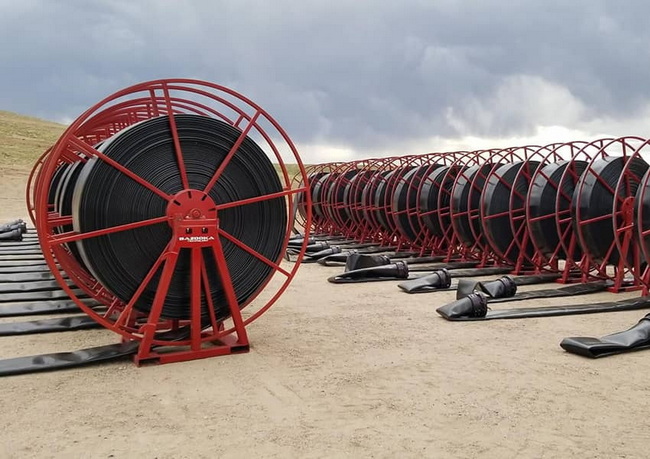
Potable water hoses are found wherever safe drinking water must be transferred from one point to another while maintaining quality. They support both everyday consumer uses and demanding professional applications.
Common application scenarios include:
- RV and caravan fresh water connections at campgrounds and parks.
- Marine and marina supply lines feeding onboard potable water tanks.
- Food and beverage processing facilities that require dependable, hygienic water supply hoses.
- Emergency relief operations delivering safe water to temporary shelters and affected communities.
- Remote construction and mining camps supplied with potable water via temporary layflat hose networks.
Drinking water regulations in many regions require that any component in contact with potable water be evaluated for potential health impacts. For hoses, this means that the formulation of the polymer, additives, and manufacturing processes must comply with strict limits on extractable substances.
Standards such as NSF/ANSI 61, and comparable European or regional specifications, define test methods and acceptance criteria for these components. When a potable water hose carries such approvals, it indicates that the product has been independently evaluated to help reduce the risk of harmful contaminants entering drinking water from the hose material.
For municipal bypass projects, industrial water distribution, and emergency or military operations, TPU layflat potable water hose offers a combination of performance and logistics advantages. It is specifically well‑suited to scenarios where long lines must be installed quickly and moved frequently.
Because the hose is flat when depressurized, very long lengths can be stored on a single reel, dramatically reducing volume and weight compared to rigid pipe. Rapid deployment from reels allows teams to build temporary pipelines in hours instead of days, while the strong reinforcement and TPU cover withstand high pressures, rough handling, and challenging terrain.
Even when a hose is designed and certified as a potable water hose, proper handling and maintenance are essential to keep water safe and preserve hose life. Poor storage or misuse can lead to microbial growth, mechanical damage, or contamination at the connection points.
Good practices include:
- Dedicate each potable water hose exclusively to drinking water service and label it clearly.
- Before each use, flush the potable water hose until water runs clear and fresh, especially after long storage.
- Prevent the hose ends from touching soil, wastewater, or standing puddles by using appropriate fittings or caps.
- After use, drain and, when necessary, sanitize the inside, then store the hose dry on a clean reel or rack.
- Inspect hoses periodically for cuts, kinks, bulges, soft spots, or delamination and remove defective sections from potable service.
Choosing a suitable potable water hose means matching product characteristics to technical requirements, regulations, and the practical realities of installation and use. Engineering‑driven manufacturers can help convert project data and constraints into a robust hose specification.
When specifying a potable water hose, consider factors such as:
- Required certifications and approvals in the target country or industry.
- Hose type (traditional reinforced hose or TPU layflat potable water hose) based on distance, mobility, and storage limits.
- Working pressure, burst pressure, temperature range, and safety factor needed for the pumping system.
- Inner diameter and estimated flow rate, taking into account pressure losses over the full hose length.
- Environmental conditions such as UV exposure, temperature extremes, chemical splash, or abrasive ground surfaces.
An engineering‑driven TPU layflat hose manufacturer focuses not only on the hose itself but on the complete potable water transfer system. This includes compatibility with pumps, couplings, manifolds, valves, and monitoring devices, as well as layout design for terrain, elevation, and access.
For global customers, such manufacturers can customize TPU layflat potable water hose constructions for different climates, pressure ranges, and regulations. The result is a potable water hose solution that combines safe materials with long service life, rapid deployment, and reduced total cost of ownership for projects in municipal, industrial, construction, and emergency sectors.
A potable water hose is a dedicated hose designed to deliver safe drinking water by using non‑toxic materials and complying with strict drinking water standards. It differs fundamentally from general garden hoses, which are not engineered or certified for continuous contact with water intended for human consumption.
For demanding applications and large‑scale temporary networks, TPU layflat potable water hose provides an attractive combination of lightweight construction, high performance, and fast deployment. By selecting the right potable water hose and following best practices for handling and maintenance, users can help ensure that water remains safe, clean, and reliable from source to point of consumption.
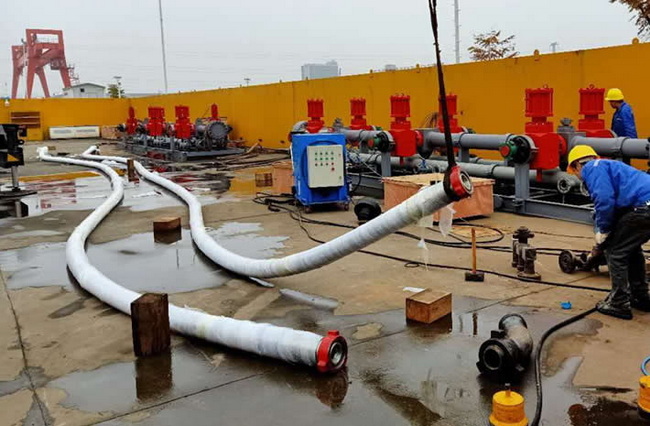
A hose is suitable as a potable water hose when it is produced from non‑toxic, taste‑free, and odor‑free materials that are safe for long‑term contact with drinking water. It should also comply with relevant drinking water standards or certifications required in the intended market.
A standard garden hose is generally not recommended as a potable water hose because it is not designed or certified for drinking water use and may leach undesirable substances into the water. For ongoing drinking, cooking, or food processing needs, a dedicated potable water hose is the safer choice.
Potable water hoses are common in RV and caravan applications, marinas and boats, and food and beverage factories, where they connect safe water sources to storage or processing equipment. They are also important in emergency relief operations and remote work camps, especially when TPU layflat potable water hose systems are used for long‑distance distribution.
A potable water hose should be flushed before and after use, and periodically sanitized according to local guidelines or manufacturer recommendations. After draining thoroughly, it should be stored dry on a clean reel or rack, protected from sharp edges, chemicals, and unnecessary exposure to harsh weather.
TPU layflat potable water hose offers high tensile strength, good abrasion and UV resistance, and a broad temperature range in a lightweight, compact form. It can be supplied in long continuous lengths for rapid deployment, making it ideal for municipal bypasses, industrial sites, construction camps, and emergency potable water supply systems.


