

Views: 222 Author: Loretta Publish Time: 2026-01-09 Origin: Site


Content Menu
● Understanding Water & Oil Hose Requirements
● Common Hose Types for Water & Oil
● Why TPU Layflat is Ideal as a Water & Oil Hose
● Key Design Features of a High‑Performance Oil Hose
● Applications: Where a Combined Water & Oil Hose Excels
● How to Choose the Right Oil Hose for Your Job
● Handling, Storage, and Maintenance of TPU Oil Hose
● Example of Engineering‑Driven TPU Layflat Solutions
● Recommended System Configurations Using TPU Oil Hose
● FAQ
>> 1. What type of hose can handle both water and oil?
>> 2. Why is TPU layflat suitable as an Oil Hose?
>> 3. Can a standard PVC layflat hose be used as an Oil Hose?
>> 4. What pressure rating should I choose for an Oil Hose?
>> 5. How long can a TPU layflat Oil Hose be in one piece?
Selecting the right hose for both water and oil is critical for safety, efficiency, and long service life in industrial, agricultural, marine, and energy applications. An engineered TPU layflat Oil Hose is one of the most versatile solutions when you need a single hose that can reliably handle both media under demanding conditions.

When choosing an Oil Hose that must handle water and oil with the same line, several performance factors matter more than price or appearance. The hose must safely transport different fluids without chemical degradation, leakage, or mechanical failure over time.
Key requirements for a combined water and Oil Hose include:
- Chemical compatibility with different oils (diesel, fuel, hydraulic oil, lubricants) and with clean or slightly contaminated water to avoid swelling, cracking, or delamination.
- Adequate pressure rating and safety factor suitable for transfer, dewatering, or injection operations where surge, pulsation, or elevation changes can create pressure spikes.
- Strong resistance to abrasion, ozone, UV, and weathering when the Oil Hose is dragged over the ground or left in outdoor environments for long periods.
- Flexibility and kink resistance to ensure smooth deployment, curve navigation, and safe operation around equipment, cable trays, and structures.
- Easy handling, storage, and transportation so that long lengths of Oil Hose can be rapidly deployed and retrieved with minimal labor.
For many users, a single Oil Hose that works for water filling, oil transfer, flushing, and emergency drainage significantly reduces inventory and simplifies deployment in the field. Standardizing on a multi‑purpose Oil Hose helps reduce training complexity and improves safety awareness among operators.
Not every hose that works with water can safely carry oil, so it is essential to understand the main hose families and how they behave with both media. The wrong choice can cause softening, blistering, or sudden failure once oil comes into contact with an incompatible material.
Below are the most common hose categories used when specifying an Oil Hose that might also handle water:
- General rubber water hose: Typically designed for cold or hot water service, often with a rubber tube and textile reinforcement. This type offers good water performance but only limited oil resistance unless specifically formulated as an oil‑resistant compound.
- Standard PVC layflat hose: Widely used in irrigation and low‑pressure water applications, with a PVC tube and polyester yarn reinforcement. It performs well with water but is not recommended as a long‑term Oil Hose because many oils and fuels can cause hardening, cracking, or swelling of PVC.
- Hydraulic hose: Built for high‑pressure hydraulic oil, featuring an oil‑resistant inner tube, wire or textile braid, and a tough synthetic cover. This is an excellent Oil Hose for high‑pressure oil circuits but is often over‑engineered and less convenient for long-distance, temporary water transfer.
- Composite petroleum hose: Made from multi‑layer thermoplastic films and fabrics, often with internal wires. It functions well as a dedicated Oil Hose for loading arms, terminals, and complex transfer systems, but it is relatively heavy and not ideal for long ground deployment.
- TPU layflat hose: Uses extruded thermoplastic polyurethane for tube and cover, with a through‑the‑weave polyester or aramid reinforcement. This design makes it highly suitable as a combined water and Oil Hose, offering excellent abrasion, oil, and weather resistance while remaining collapsible and lightweight.
Among these options, an engineered TPU layflat Oil Hose stands out by combining the oil resistance of high‑grade polyurethane with the flexibility and collapsibility required for quick deployment and retrieval over long distances.
A TPU layflat hose manufactured with a through‑the‑weave process embeds high‑tenacity synthetic yarn into the polyurethane wall, forming a single, homogeneous structure without adhesives. This method eliminates layers that can separate under pressure, temperature variation, or oil exposure, giving the Oil Hose superior structural stability.
Key advantages of TPU layflat as a water and Oil Hose include:
- Excellent oil resistance: High‑grade TPU has low permeability and good resistance to many petroleum‑based fluids, making it a dependable Oil Hose for diesel, fuel oil, and certain crude and refined products within specified compatibility limits.
- High abrasion resistance: The tough TPU cover protects the reinforcement when the Oil Hose is dragged over rock, concrete, steel grating, or mining spoil, greatly extending service life in harsh working conditions.
- Wide temperature range: Quality TPU constructions typically operate within a broad temperature window that covers most outdoor water and oil transfer applications, from cold climates to hot, sun‑exposed sites.
- Lightweight and compact: Compared with rubber or composite hoses of similar diameter, a TPU layflat Oil Hose is significantly lighter and can be coiled into a smaller volume, reducing logistics costs.
Because the TPU hose lays flat when not pressurized, hundreds of meters of Oil Hose can be coiled onto a compact reel, which is critical for rapid deployment in mining, firefighting, shale operations, marine logistics, and emergency flood drainage.
A high‑performance TPU layflat Oil Hose from an engineering‑driven manufacturer integrates multiple structural advantages that directly impact safety, durability, and whole‑life cost. Understanding these features helps decision‑makers evaluate quality beyond simple price comparisons.
Important design features include:
- Inner and outer TPU layers: Both the tube and cover use polyurethane, providing consistent oil, chemical, and water resistance across the full wall thickness. This uniformity means the Oil Hose maintains performance even if the outer surface is abraded.
- High‑tenacity reinforcement: Circular woven polyester or aramid fibers provide high tensile strength and controlled elongation, allowing the Oil Hose to achieve working pressures from moderate transfer levels up to demanding dewatering and high‑flow applications.
- Through‑the‑weave construction: The TPU material is extruded through the reinforcement, locking the yarn into the wall. This avoids delamination and creates a robust, flexible Oil Hose that tolerates repeated pressurization cycles.
- Smooth internal bore: The smooth TPU inner surface reduces friction losses and pressure drop, improving flow efficiency in both water and Oil Hose service.
- Options for static‑dissipating elements: Certain Oil Hose designs include built‑in copper wires or antistatic layers to control electrostatic build‑up when transferring fuels or other flammable products, enhancing operational safety.
An Oil Hose engineered with these features is suitable for refueling systems, ship‑to‑shore transfer, bulk fuel distribution, mine dewatering, wellsite operations, and combined water–oil logistics in remote locations.
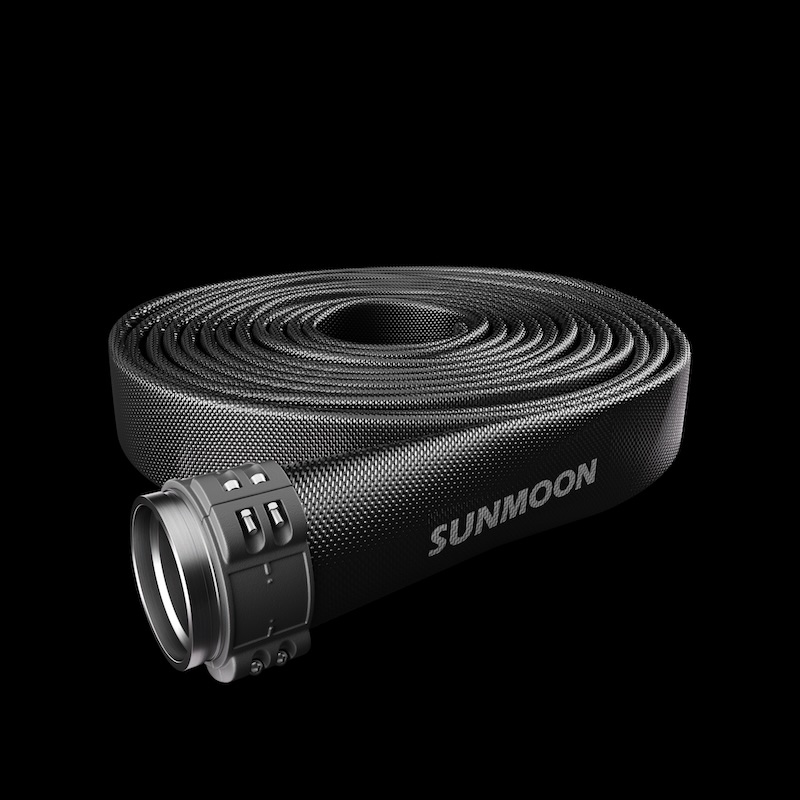
A single TPU layflat Oil Hose can support many sectors where water and oil coexist in the same operation. This versatility reduces the need to stock multiple hose types and simplifies system design. Typical application areas include:
- Mining and tunneling: Long runs of Oil Hose are used for mine dewatering, sludge pumping, and temporary oil transfer to power underground equipment or manage spills. The abrasion‑resistant TPU cover withstands contact with rock and debris.
- Oil and gas fields: In drilling and fracturing support, TPU layflat Oil Hose moves large volumes of water for stimulation operations and can also handle certain oil‑based fluids, provided the specific media are checked against compatibility charts.
- Firefighting and emergency drainage: High‑pressure TPU Oil Hose products serve as main water supply lines for municipal or industrial firefighting and must tolerate oily runoff, foam concentrates, and contaminated water.
- Marine and fuel logistics: Heavy‑duty layflat Oil Hose solutions are used in temporary refueling systems between shore tanks and vessels, for bunkering, and for temporary bypass lines during maintenance of fixed pipework.
- Construction and municipal projects: On large infrastructure or flood‑control projects, TPU Oil Hose can transfer water for testing or cleaning while also handling accidental contact with lubricants, diesel, and oily residue on site.
These applications benefit from the lightweight, compact storage and rapid deployment characteristics of TPU Oil Hose systems, particularly in mobile units and emergency response fleets.
While TPU layflat is often the most versatile choice, the best Oil Hose for water and oil depends on a precise understanding of your working conditions and safety requirements. A structured selection process helps avoid under‑specification or excessive cost.
Key steps for specifying an Oil Hose include:
- Define media and compatibility: List all fluids—fresh water, seawater, brine, diesel, gasoline, hydraulic oil, crude oil, lubricants, chemicals—and confirm compatibility with the TPU or other hose compounds. When in doubt, request a media compatibility statement.
- Determine temperature range: Identify minimum and maximum operating temperatures for both water and oil service. The Oil Hose must retain flexibility in low temperatures and maintain strength and dimensional stability at high temperatures.
- Check working and burst pressures: Select an Oil Hose where the working pressure comfortably exceeds system pressure, accounting for pump surges, elevation head, and possible water hammer. Ensure a suitable safety factor to the rated burst pressure.
- Consider length, diameter, and flow: Balance required flow capacity with pump power and allowable pressure loss. Larger diameter Oil Hose carries more fluid with less friction loss but is heavier and may require larger reels.
- Evaluate environment and handling: Consider UV exposure, ground conditions, contact with chemicals, and the method of deployment (manual, vehicle‑mounted reel, trailer, or barge). Choose an Oil Hose with the appropriate cover toughness and flexibility.
- Plan for couplings and fittings: Decide whether to use camlocks, Victaulic, flanged ends, or custom connectors. Correctly crimped or swaged fittings are vital to safe Oil Hose performance and must match both the hose structure and the operating pressure.
By following these steps, operators can configure a hose system where a TPU layflat Oil Hose serves as the mainline, supported by specialized hoses near pumps, tanks, and loading arms as needed.
Even the best‑engineered TPU layflat Oil Hose will only achieve its expected service life if it is handled and stored correctly. Proper practices also maintain safety for crews working around high‑pressure water and oil systems.
Recommended guidelines include:
- Coiling and deployment: Use hose reels or drum systems where possible to avoid twisting or kinking. When manually handling the Oil Hose, avoid sharp bends below the recommended minimum bend radius.
- Ground protection: When the Oil Hose passes over sharp edges, steel plates, or rough concrete, use protective pads or ramps to prevent localized abrasion or cutting.
- Cleaning after service: After oil transfer operations, flushing the Oil Hose with a suitable cleaning fluid or water (if compatible) can remove residual product and reduce contamination risks on the next job.
- Inspection routines: Before each deployment, visually inspect the Oil Hose for cuts, deep abrasions, soft spots, blisters, or damaged couplings. Remove any questionable sections from service and repair or replace them according to manufacturer guidance.
- Storage: Store the Oil Hose drained, clean, and coiled in a dry, shaded, and ventilated area away from direct heat sources, aggressive chemicals, or sharp objects. Long‑term storage in extreme temperatures should be avoided to protect physical properties.
By applying these practices, operators can significantly extend the working life of TPU layflat Oil Hose assets and maintain stable performance across water and oil duties.
An engineering‑driven manufacturer of TPU layflat hose focuses on optimizing the complete system instead of treating the Oil Hose as a simple commodity component. This approach covers resin selection, reinforcement design, hose geometry, coupling technology, and testing standards.
Typical capabilities of such a manufacturer include:
- Custom diameters and pressures: From smaller sizes used for industrial cleaning or portable pumps to large‑diameter Oil Hose (such as 10 or 12‑inch) rated for medium to high working pressures, suitable for bulk water and oil transfer.
- Long continuous lengths: Coils ranging from 20 m to 200 m or more reduce the number of couplings and potential leak points in extended Oil Hose runs across mines, refineries, plants, and municipal networks.
- Tailored reinforcement: Selection of polyester, high‑tenacity yarns, or aramid fibers based on the combination of pressure, weight, and handling requirements, helping users balance performance and cost.
- Extensive testing and quality control: Each Oil Hose length can be hydrostatically tested and tracked with batch codes to support traceability and compliance with project or regulatory requirements.
Such engineering capability supports global customers who need TPU Oil Hose solutions customized to local climate, standards, and deployment practices, whether the project involves dewatering, fuel transfer, emergency flood relief, or offshore support.
In many modern industrial and infrastructure projects, a hybrid system delivers the best balance of flexibility, safety, and cost. TPU layflat is used as the core Oil Hose backbone, complemented by other hoses for special areas.
A typical configuration could include:
- Primary transfer line: A TPU layflat Oil Hose sized from 2 inch to 12 inch, selected according to design flow rate and pressure. This line may span hundreds of meters from a water source or fuel tank to the operational zone.
- Equipment connection sections: Short lengths of rubber Oil Hose, suction hose, or composite petroleum hose at pumps, filters, and tanks, where extra flexibility or suction capability is required.
- Branch lines and manifolds: Smaller‑diameter TPU Oil Hose or other oil‑resistant hoses feeding different parts of the site from the main trunk line, controlled by valves and quick couplings.
- Emergency and backup lines: Additional TPU Oil Hose stored on reels in strategic locations, ready to be deployed for flooding events, fire response, or bypass operations during maintenance of permanent pipework.
Using a unified TPU Oil Hose backbone ensures consistent performance across water and oil duties, while the mix of specialized hoses at critical points maximizes reliability and ease of maintenance.
For operations that must reliably move both water and oil, a properly engineered TPU layflat Oil Hose provides a highly effective balance of chemical resistance, mechanical strength, and field handling efficiency. Its lightweight, collapsible construction enables long, continuous runs that are easy to deploy and retrieve, making it suitable for mining, oil and gas, marine, municipal, and emergency services. By carefully defining media, pressure, temperatures, and work environments, and by partnering with an engineering‑driven TPU hose manufacturer, users can standardize on a versatile Oil Hose platform that safely serves as both a water supply line and an oil transfer system across global projects.
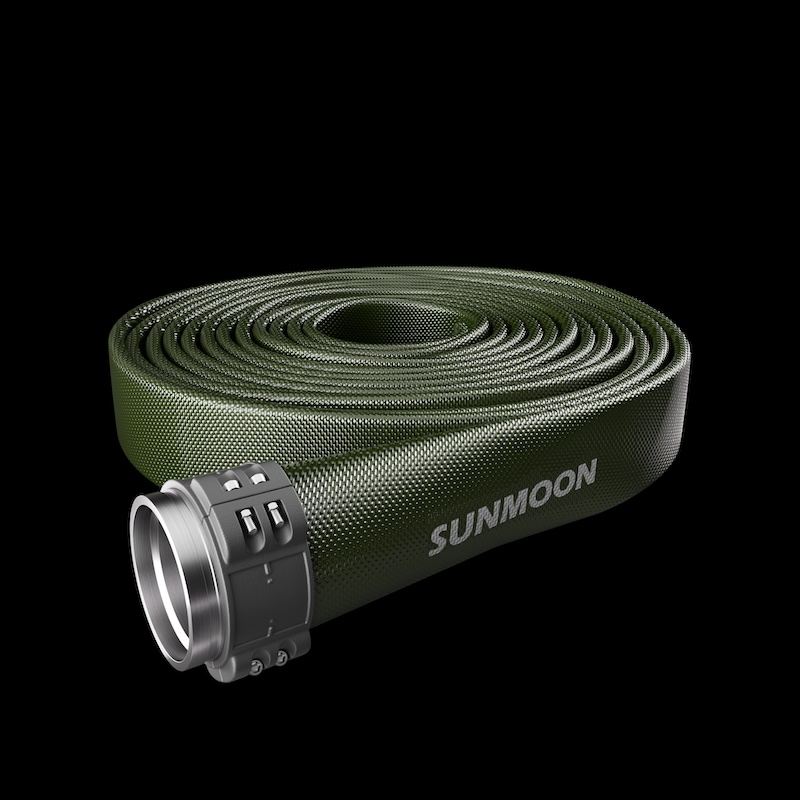
A TPU layflat Oil Hose designed for petroleum and water transfer is generally the most practical single choice when a hose must handle both water and oil in one system. Its polyurethane tube and cover give it strong resistance to many oils while remaining flexible for water service. In some fixed installations, oil‑resistant rubber or composite Oil Hose assemblies are also used, but they are usually less convenient for long‑distance, temporary deployment than collapsible TPU layflat designs.
TPU layflat hose uses thermoplastic polyurethane, which offers low permeability and strong resistance to swelling or cracking in contact with many petroleum‑based fluids, making it a reliable Oil Hose for diesel, fuel oil, and certain crude and refined products within approved limits. The through‑the‑weave construction, with high‑tenacity reinforcement fully embedded in the TPU wall, gives the Oil Hose high pressure capability, excellent abrasion resistance, and long service life even when dragged over rough terrain.
Standard PVC layflat hose is mainly intended for water, light slurry, or agricultural use and does not provide the long‑term oil and fuel resistance required of a safe Oil Hose. Many oils and hydrocarbons can cause PVC to harden, crack, or lose flexibility, which increases the risk of leakage or sudden failure. For any application involving sustained contact with oil, diesel, or fuel, a TPU layflat Oil Hose or a dedicated oil‑resistant rubber or composite hose should be selected instead of standard PVC.
The working pressure of an Oil Hose must exceed the maximum operating pressure of your system with an appropriate safety margin to account for surges, water hammer, and elevation differences. To choose correctly, consider pump discharge pressure, static head, friction losses in the line, and any transient events. Many TPU layflat Oil Hose products are available in working pressure classes ranging from low‑pressure transfer up to high‑pressure dewatering and fracturing support, so the final selection should always be matched to engineering calculations or project specifications.
Engineering‑grade TPU layflat Oil Hose is commonly supplied in continuous lengths from 20 m to 200 m per coil, with certain specialized products reaching longer lengths for large‑scale dewatering or transfer projects. Using longer continuous runs reduces the number of couplings, which in turn lowers potential leak points and speeds up deployment and retrieval in the field. For very long distances, multiple coils of Oil Hose can be joined using compatible couplings, manifolds, or quick connectors, following the manufacturer's recommendations for assembly and testing.


